How to Reglaze Bathroom Tile?
- Sinotiles
- 2026-05-23
Old bathroom tiles often look dull, stained, or outdated after years of moisture and daily use. Full tile replacement can also become expensive, messy, and time-consuming.
Bathroom tile reglazing restores the appearance of old tiles by cleaning, repairing, sanding, priming, and applying specialized coatings that create a fresh, durable, and glossy new surface.
Many homeowners, hotels, apartment managers, and renovation contractors choose reglazing because it costs less than complete tile replacement. Reglazing allows old ceramic tiles, porcelain tiles, and wall tiles to look newer without major demolition work. Bathrooms face constant humidity, soap residue, cleaning chemicals, and temperature changes, so tile surfaces slowly lose their shine over time. Proper reglazing can improve appearance while extending tile life. Still, good results depend heavily on surface preparation, coating quality, and careful application methods.
What steps are required for tile reglazing?
Many reglazing projects fail because the process is rushed or incomplete. Poor preparation and incorrect coating methods often lead to peeling, bubbling, or uneven finishes.
Tile reglazing requires deep cleaning, repairing damaged areas, sanding the surface, applying primer, spraying or rolling specialized coatings, curing properly, and completing final inspection and polishing.
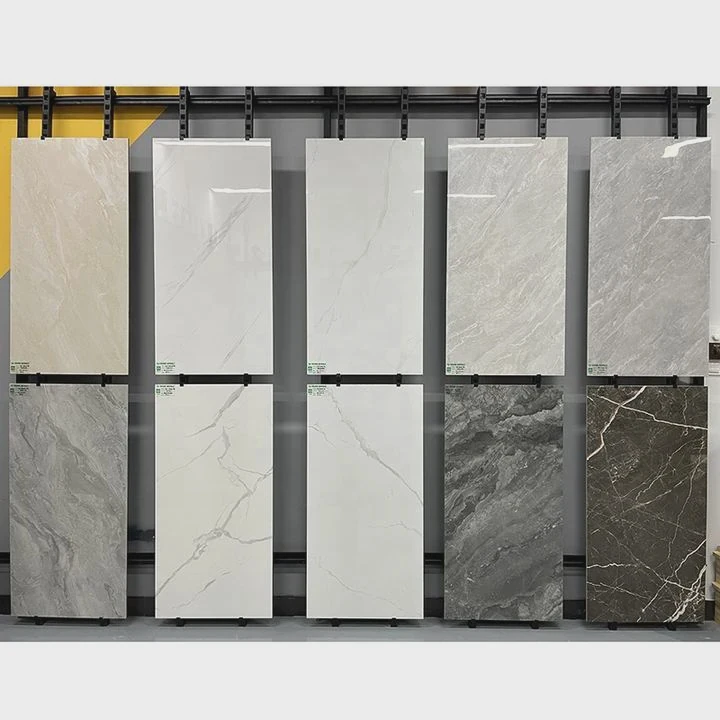
Bathroom tile reglazing follows a step-by-step process. Every stage affects the durability and appearance of the final finish.
Step 1: Clean the Tile Thoroughly
Bathroom tiles usually contain soap scum, grease, mold, and hard water deposits.
Professional reglazing always starts with deep cleaning to remove all contaminants.
Step 2: Repair Cracks and Chips
Damaged grout, chipped edges, and cracked tiles should be repaired before coating begins.
Small imperfections become much more visible after glazing.
Step 3: Sand the Tile Surface
Glossy tiles need light sanding to improve coating adhesion.
Sanding creates a rougher surface that helps primers and coatings bond correctly.
Step 4: Remove Dust and Residue
After sanding, all dust should be vacuumed and wiped away carefully.
Dust particles trapped under coatings may create rough textures.
Step 5: Apply Primer
Special bonding primers improve adhesion between the old tile surface and the reglazing coating.
Bathrooms often require moisture-resistant primers.
| Reglazing Step | Main Purpose |
|---|---|
| Deep Cleaning | Remove contaminants |
| Crack Repair | Create smooth surface |
| Surface Sanding | Improve coating adhesion |
| Priming | Strengthen bonding |
| Coating Application | Restore appearance |
Step 6: Apply Reglazing Coating
The coating may be sprayed, rolled, or brushed depending on the project type.
Professional spraying usually creates smoother finishes.
Step 7: Allow Proper Curing
Fresh coatings need time to harden completely.
Bathrooms should remain dry and unused during curing.
Step 8: Inspect the Final Surface
After curing, the surface should be checked for bubbles, streaks, or uneven gloss.
Minor touch-ups may still be needed.
Ventilation Is Important During Reglazing
Many reglazing products release strong fumes during application.
Professional contractors often use exhaust fans and protective ventilation systems.
One apartment renovation team once rushed the curing stage to reopen bathrooms quickly. Several weeks later, peeling started near shower corners because moisture reached the coating before full hardening finished.
Careful reglazing steps help create smoother, longer-lasting bathroom tile surfaces.
How can surface preparation affect reglazing results?
Many people focus only on the final coating while ignoring preparation work. Poor surface preparation is one of the main reasons reglazing projects fail early.
Surface preparation affects reglazing results by improving coating adhesion, reducing peeling risks, creating smoother finishes, and helping the new glaze bond evenly to the old tile surface.
Preparation determines whether reglazing lasts for years or starts failing after only a short period.
Even high-quality coatings perform poorly on dirty or damaged surfaces.
Cleaning Removes Invisible Contaminants
Soap residue, oils, and cleaning chemicals often remain on bathroom tiles even after normal washing.
These materials weaken coating adhesion significantly.
Sanding Improves Surface Grip
Glossy ceramic and porcelain tiles naturally resist bonding.
Sanding creates microscopic scratches that help primers attach more securely.
Moisture Must Be Controlled
Bathrooms contain high humidity levels. Any trapped moisture behind coatings may create bubbling later.
Dry surfaces improve coating stability.
Grout Repairs Matter Too
Weak or cracked grout can allow moisture to enter beneath the reglazed surface.
Many professionals repair grout before applying coatings.
Smooth Surfaces Create Better Finishes
Uneven tile surfaces become more noticeable after glossy coatings are applied.
Proper filling and sanding improve visual consistency.
| Surface Problem | Possible Reglazing Failure |
|---|---|
| Grease Residue | Peeling coating |
| Moisture | Bubbling surface |
| Poor Sanding | Weak adhesion |
| Dust Particles | Rough texture |
| Cracked Grout | Moisture penetration |
Dust Control Improves Appearance
Fine sanding dust can settle onto wet coatings and create imperfections.
Clean working environments help produce smoother finishes.
Bathroom Corners Need Extra Attention
Corners near bathtubs, showers, and sinks often contain hidden mildew or silicone residue.
These areas should be cleaned very carefully before coating begins.
Older Tiles Sometimes Require More Preparation
Very old bathroom tiles may contain multiple layers of soap buildup or previous coatings.
Extra cleaning and sanding may be necessary.
Preparation Saves Repair Costs Later
One hotel maintenance contractor once explained how two identical bathroom reglazing projects produced completely different results because one crew skipped proper sanding to save time. The poorly prepared coating started peeling within months, while the properly prepared bathrooms remained stable for years.
Good preparation creates stronger bonding, smoother finishes, and much better long-term durability.
Why use proper coatings for bathroom tiles?
Many low-quality coatings look attractive at first but quickly fail under bathroom moisture and cleaning chemicals. Choosing the wrong coating can shorten the entire reglazing lifespan.
Proper bathroom tile coatings provide moisture resistance, strong adhesion, chemical durability, stain protection, and long-lasting appearance under humid and high-use bathroom conditions.
Bathroom environments are much more demanding than many other interior spaces. Constant moisture, heat, soap, and cleaning products place heavy stress on coatings.
Specialized reglazing products are designed to handle these conditions.
Moisture Resistance Is Critical
Bathrooms remain humid almost every day. Water exposure around showers and sinks can weaken poor coatings quickly.
Proper coatings create stronger moisture barriers.
Strong Adhesion Improves Durability
Special bathroom coatings bond better to ceramic and porcelain tile surfaces.
Weak coatings may peel when exposed to steam and cleaning chemicals.
Chemical Resistance Matters
Bathrooms are cleaned frequently using soaps, detergents, and disinfectants.
High-quality coatings resist discoloration and surface breakdown better.
Smooth Finishes Improve Cleaning
Good reglazing coatings create smoother surfaces that collect less dirt and soap residue.
This helps reduce future cleaning effort.
Color Stability Extends Appearance
Cheap coatings may yellow or fade over time, especially in humid areas.
Professional-grade coatings maintain color consistency longer.
| Coating Feature | Main Benefit |
|---|---|
| Moisture Resistance | Prevent peeling |
| Chemical Resistance | Reduce surface damage |
| Strong Adhesion | Improve lifespan |
| Smooth Finish | Easier cleaning |
| Color Stability | Better appearance retention |
Epoxy and Urethane Systems Are Common
Many professional reglazing systems use epoxy primers combined with urethane topcoats.
This combination improves both adhesion and durability.
Gloss Level Affects Final Appearance
Some bathrooms use high-gloss finishes for brighter reflections, while others prefer satin finishes for softer designs.
The coating choice should match the overall bathroom style.
Proper Coatings Reduce Renovation Costs
Reglazing with quality materials often delays full bathroom renovation for several years.
This approach is popular in hotels and rental apartments.
Coating Thickness Must Stay Balanced
Excessively thick coatings may crack or cure unevenly.
One apartment building once used low-cost coatings during a large bathroom renovation project. Within one year, several bathrooms showed discoloration and peeling around shower walls because the products lacked proper moisture resistance. Later projects switched to commercial-grade reglazing systems with much better long-term performance.
The correct coating system greatly affects both appearance and durability in bathroom environments.
Which mistakes should be avoided during reglazing?
Many reglazing failures happen because small mistakes are ignored during preparation or application. Even one shortcut can reduce coating lifespan significantly.
Common reglazing mistakes include poor cleaning, skipping sanding, using low-quality coatings, applying thick layers, rushing curing time, ignoring ventilation, and exposing surfaces to moisture too early.
Bathroom tile reglazing requires patience and attention to detail. Many problems appear not during application, but several weeks or months later.
Skipping Deep Cleaning
Soap scum and grease prevent coatings from bonding correctly.
Surface contamination is one of the most common causes of peeling.
Inadequate Sanding
Some installers avoid sanding because it adds labor time.
Still, glossy tiles require surface abrasion for proper adhesion.
Applying Coatings Too Thickly
Heavy coating layers may trap solvents and create bubbling or uneven curing.
Thin, controlled coats usually produce better finishes.
Poor Ventilation During Application
Strong fumes can create unsafe working conditions.
Bad airflow may also slow drying and affect coating quality.
Ignoring Moisture Problems
Bathrooms with hidden leaks or poor ventilation may continue trapping moisture behind coatings.
Existing water problems should be fixed before reglazing begins.
| Common Mistake | Possible Result |
|---|---|
| Poor Cleaning | Peeling surface |
| No Sanding | Weak bonding |
| Thick Coating | Bubbling and cracking |
| Early Water Exposure | Coating damage |
| Poor Ventilation | Uneven curing |
Rushing the Curing Process
Many people want to use the bathroom immediately after reglazing.
Still, coatings need enough curing time to harden fully.
Using Incorrect Cleaning Products Later
Harsh abrasive cleaners may scratch or weaken fresh reglazed surfaces.
Gentle bathroom cleaners are usually safer.
Neglecting Grout and Caulk
Old cracked grout and damaged caulk may allow moisture behind the new coating.
Many professionals replace weak caulk before reglazing.
DIY Projects Often Underestimate Preparation
Some homeowners focus mainly on painting the tiles while ignoring technical preparation steps.
One contractor once explained how a rushed hotel bathroom reglazing project failed because guests used the showers only one day after coating application. Moisture exposure interrupted curing, and several walls required complete refinishing later.
Avoiding common mistakes helps reglazed bathroom tiles stay attractive, durable, and easier to maintain for much longer.
Conclusion
Bathroom tile reglazing becomes much more successful when proper preparation, strong coatings, careful application, and full curing time are combined correctly. Avoiding shortcuts and common mistakes helps old bathroom tiles regain a clean, durable, and professional appearance without full tile replacement.