How to Remove a Drop Ceiling Tile?
- Sinotiles
- 2026-05-23
Removing a drop ceiling tile may look simple at first, but careless handling can crack tiles, bend ceiling grids, or damage nearby fixtures quickly.
The safest way to remove a drop ceiling tile is to lift the tile carefully, angle it through the grid opening, protect the ceiling framework, and use the correct tools during removal.
Drop ceilings are widely used in offices, commercial buildings, basements, retail stores, and renovation projects. They provide easy access to electrical wiring, plumbing, ventilation systems, and lighting fixtures above the ceiling surface. Proper tile removal helps maintain the ceiling appearance and reduces replacement costs during maintenance work.
What Steps Are Involved in Removing Ceiling Tiles?
Many ceiling tiles become damaged during removal because people pull them down too quickly or use incorrect handling methods.
Removing ceiling tiles involves preparing the area, lifting the tile carefully, tilting it through the ceiling grid, lowering it safely, and inspecting surrounding components afterward.
Drop ceiling systems use suspended metal grids that support lightweight ceiling panels. Most tiles sit loosely inside the grid system, which makes removal relatively simple when handled correctly.
Prepare the Work Area First
Before removing any tile, the surrounding area should be prepared properly.
Important preparation steps include:
- Moving furniture away
- Turning off nearby electrical fixtures
- Wearing safety glasses
- Using stable ladders
- Protecting the floor below
Dust and debris often collect above suspended ceilings, especially in older buildings.
Locate the Correct Tile
Not every tile should be removed immediately. Some ceiling sections contain:
- Air vents
- Fire sprinklers
- Electrical cables
- Security systems
- Heavy light fixtures
Identifying the correct tile first helps avoid accidental system damage.
Lift the Tile Gently
Most drop ceiling tiles are removed by pushing the panel upward slightly above the metal grid.
The tile usually needs enough clearance to:
- Lift above the framework
- Rotate diagonally
- Pass through the opening safely
Forceful lifting may crack fragile mineral fiber tiles.
Angle the Tile Carefully
Once the tile clears the grid, it should be tilted gently at an angle.
This allows the tile to pass through the opening without damaging corners or edges.
Larger ceiling panels may require more space for safe rotation.
Lower the Tile Slowly
After tilting, the tile should be lowered carefully using both hands.
Sudden dropping may cause:
| Removal Mistake | Possible Damage |
|---|---|
| Fast pulling | Broken tile corners |
| Twisting forcefully | Bent grid system |
| Dropping tile | Surface cracks |
| Rubbing edges | Scratched finish |
Gentle handling helps preserve reusable tiles.
Inspect the Ceiling Space
After tile removal, the exposed ceiling cavity should be inspected carefully.
This area may contain:
- Dust accumulation
- Water leaks
- Mold growth
- Damaged insulation
- Loose wiring
Many maintenance teams remove ceiling tiles regularly to inspect building systems hidden above.
Reinstalling the Tile Requires Alignment
If the tile will be reused, it should remain clean and undamaged during inspection work.
Reinstallation usually follows the reverse process:
- Lift tile above grid
- Angle tile into position
- Lower tile evenly
- Align edges carefully
Proper alignment helps maintain a clean ceiling appearance.
Older Tiles Require Extra Care
Aged ceiling tiles often become more fragile over time because of:
- Moisture exposure
- Dust buildup
- Material aging
- Repeated handling
Professional maintenance workers usually handle older tiles more slowly to avoid breakage.
How Can Tiles Be Removed Without Damage?

Ceiling tiles may crack easily if handled roughly. Damaged tiles often require replacement, which can create color matching problems in older ceilings.
Tiles can be removed without damage by using slow movements, supporting tile edges properly, avoiding excessive pressure, and maintaining careful control during handling.
Many suspended ceiling tiles are lightweight and somewhat fragile. Mineral fiber panels especially may crack along edges if bent or twisted incorrectly.
Use Both Hands for Support
Supporting the tile evenly helps prevent stress on weak corners.
One-handed removal often creates uneven pressure that may:
- Crack tile edges
- Bend corners
- Cause surface chips
- Break thin sections
Two-handed control provides better balance during lifting and rotation.
Avoid Excessive Bending
Ceiling tiles are designed to remain flat inside the suspension grid.
Bending the tile excessively during removal may weaken the structure permanently.
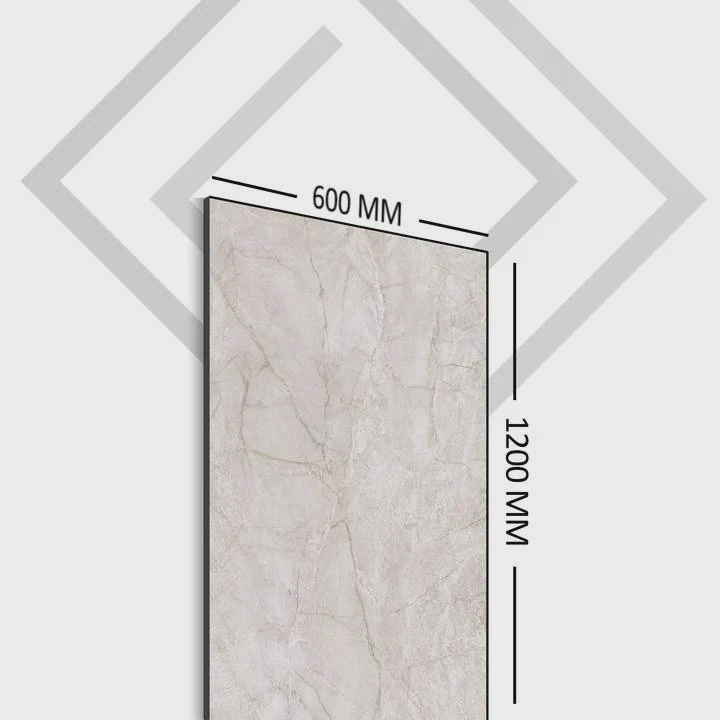
Large panels such as 600x1200mm ceiling tiles usually require extra support because of their wider span.
Remove Nearby Obstacles First
Some tiles become difficult to remove because of nearby fixtures.
These obstacles may include:
- Lighting panels
- Ventilation ducts
- Hanging cables
- Sprinkler heads
Removing surrounding obstructions first often reduces handling difficulty.
Wear Clean Gloves
Dirty hands may stain white ceiling panels easily.
Protective gloves help reduce:
| Handling Risk | Benefit of Gloves |
|---|---|
| Finger stains | Cleaner surface |
| Surface scratching | Better grip |
| Edge damage | Controlled handling |
| Dust transfer | Improved appearance |
Clean handling becomes especially important in offices and commercial interiors.
Control Dust Carefully
Old ceiling spaces often contain dust and loose debris.
Sudden tile movement may release particles into the room below.
Professional maintenance teams sometimes use:
- Dust masks
- Vacuum attachments
- Protective floor covers
- Air filtration systems
This helps maintain cleaner work conditions.
Moisture-Damaged Tiles Need Extra Attention
Water-damaged ceiling panels become much weaker than dry tiles.
These panels may sag, soften, or crumble during handling.
Common signs of water damage include:
- Brown stains
- Surface warping
- Soft corners
- Mold spots
In many cases, damaged tiles should be replaced instead of reused.
Store Removed Tiles Properly
Reusable ceiling tiles should remain flat after removal.
Stacking tiles unevenly may create:
- Warping
- Edge damage
- Surface scratches
- Corner crushing
Clean dry storage helps preserve tile quality.
Patience Reduces Replacement Costs
Many damaged ceiling tiles result from rushed maintenance work.
Careful removal reduces:
- Material waste
- Replacement costs
- Color mismatch issues
- Repair time
This becomes especially important in large commercial buildings where matching older ceiling products may be difficult.
Why Handle Ceiling Grids Carefully During Removal?
The metal ceiling grid supports the entire suspended ceiling system. Even small bends or twists may create visible alignment problems across the ceiling surface.
Ceiling grids should be handled carefully because they support tile alignment, maintain structural stability, protect suspended systems, and preserve the overall ceiling appearance.
The ceiling grid system acts as the framework for suspended ceiling panels. While the metal structure appears strong, it can still bend or shift under improper force.
Grid Alignment Affects Ceiling Appearance
Suspended ceiling systems depend on straight, level grid lines.
Bent grids may cause:
- Uneven tile gaps
- Crooked tile alignment
- Sagging panels
- Visible ceiling irregularities
Commercial offices often require highly uniform ceiling appearance standards.
Grids Support Lighting and Fixtures
Some sections of the ceiling grid support additional weight from:
- LED lighting panels
- Air vents
- Speakers
- Sensors
- Security equipment
Improper handling may weaken support points around these fixtures.
Twisting the Grid Causes Permanent Damage
Many people accidentally grab the metal grid while removing tiles.
Excess pulling force may twist the framework permanently.
Even small distortions become noticeable under ceiling lighting.
Ceiling Systems Depend on Suspension Wires
The visible metal grid connects to hidden suspension wires above the ceiling.
These wires help maintain:
| Ceiling Function | Purpose |
|---|---|
| Structural support | Hold ceiling weight |
| Level alignment | Maintain flat ceiling |
| Fixture stability | Support integrated systems |
| Safety compliance | Reduce collapse risk |
Damaging the grid may also affect suspension wire alignment.
Older Grid Systems May Be Weaker
Older ceiling systems sometimes develop corrosion or loose connections.
This becomes common in:
- Humid basements
- Commercial kitchens
- Pool facilities
- Aging office buildings
Careful handling helps prevent additional structural weakening.
Sharp Tools Can Scratch Grid Finishes
Metal ceiling grids often include painted or coated finishes.
Scratches may expose raw metal underneath and reduce visual quality.
Professional installers usually avoid dragging tools across visible grid surfaces.
Replacing Grid Sections Is More Difficult
Replacing damaged ceiling tiles is usually simple. Replacing ceiling grids is much more time-consuming.
Grid replacement may require:
- Removing multiple tiles
- Disconnecting fixtures
- Re-leveling sections
- Reinstalling support wires
Protecting the grid during basic maintenance saves significant labor later.
Proper Handling Extends Ceiling Lifespan
Well-maintained ceiling systems can remain functional for many years.
Gentle handling during tile removal helps preserve:
- Structural stability
- Visual appearance
- Installation alignment
- Long-term maintenance quality
This is especially important in large commercial properties with extensive suspended ceiling systems.
Which Tools Assist in Ceiling Tile Removal?

Trying to remove ceiling tiles without proper tools may increase the risk of dropping panels, damaging grids, or creating unsafe working conditions.
Useful ceiling tile removal tools include ladders, gloves, flashlights, utility knives, vacuum tools, pry tools, and protective safety equipment designed for suspended ceiling maintenance.
Most drop ceiling tile removal jobs do not require complicated equipment. However, the correct tools improve safety, reduce damage, and speed up maintenance work.
Stable Ladders Improve Safety
A secure ladder is one of the most important tools during ceiling work.
Good ladder positioning helps:
- Improve balance
- Reduce overreaching
- Support safer lifting
- Prevent accidental falls
Professional workers usually avoid standing directly on furniture during ceiling access.
Flashlights Improve Visibility
Ceiling cavities are often dark and dusty.
Portable lighting helps identify:
- Wiring
- Pipe systems
- Obstructions
- Water leaks
Rechargeable LED flashlights are commonly used during maintenance inspections.
Gloves Improve Tile Handling
Protective gloves help provide better grip while reducing surface contamination.
Gloves are especially useful when handling:
- White mineral fiber panels
- Fragile acoustic tiles
- Dust-covered surfaces
- Moisture-damaged tiles
Soft gloves help reduce accidental scratching.
Utility Knives Assist Around Obstacles
Some ceiling tiles are trimmed around fixtures during installation.
Utility knives help loosen:
| Tool Function | Common Use |
|---|---|
| Edge trimming | Tight tile openings |
| Paint cutting | Stuck ceiling edges |
| Tape removal | Temporary attachments |
| Access openings | Inspection work |
Sharp blades should still be used carefully to avoid damaging nearby systems.
Vacuum Tools Control Dust
Dust control becomes important in offices, hospitals, and commercial buildings.
Vacuum systems help reduce:
- Airborne particles
- Dust spread
- Cleanup time
- Surface contamination
Some professionals use portable HEPA vacuums during ceiling maintenance work.
Pry Tools Help With Stuck Panels
Occasionally ceiling tiles stick because of paint, humidity, or compressed positioning.
Plastic pry tools may help loosen tiles gently without damaging the grid.
Metal pry bars should be used carefully because they may bend suspension systems.
Protective Equipment Improves Worker Safety
Ceiling maintenance may expose workers to:
- Dust
- Sharp edges
- Insulation fibers
- Falling debris
Basic safety equipment often includes:
- Safety glasses
- Dust masks
- Gloves
- Hard hats in commercial projects
Safety preparation becomes especially important in older buildings.
Tool Organization Improves Efficiency
Professional maintenance teams often carry organized tool bags for ceiling work.
Good organization reduces:
- Lost tools
- Repeated ladder climbing
- Work delays
- Accidental ceiling damage
Efficient tool use improves both safety and productivity during ceiling tile removal projects.
Conclusion
Removing a drop ceiling tile requires careful lifting, controlled handling, proper tool use, and protection of the ceiling grid system. When done correctly, ceiling tiles can be removed safely without damage while preserving the appearance and stability of the suspended ceiling installation.