Can I Paint Tile Backsplash?
- Sinotiles
- 2026-07-22
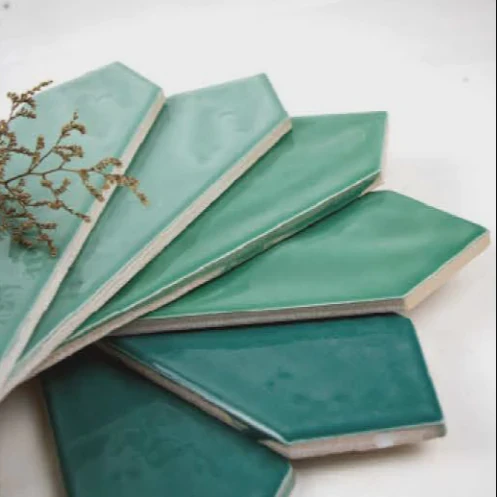
A damaged or outdated backsplash can make a kitchen feel old and unattractive. Many homeowners think replacement is the only option, but painting can offer a simple update.
Yes, I can paint a tile backsplash if I use the right paint, prepare the surface correctly, and protect the finish with proper sealing. Painted tiles can create a fresh look without removing the existing backsplash.
Painting tile backsplash is not only about changing colors. It is also about understanding tile materials, surface preparation, paint selection, and long-term care. In this guide, I will explain the key steps and important details that help create a durable painted backsplash.
What paints adhere best to tile surfaces?
Choosing the wrong paint can cause peeling, cracking, and poor results. Many people paint tiles with regular wall paint and feel disappointed after a short time. The surface of ceramic and porcelain tile is smooth, hard, and not naturally friendly to paint.
The best paints for tile surfaces are epoxy paint, urethane-based paint, and high-quality acrylic paint designed for tile. These paints create stronger adhesion and can handle moisture, heat, and daily cleaning.
The paint type plays a major role in the final performance of a painted backsplash. I always look at the location, tile material, and expected use before choosing a product. A kitchen backsplash faces water, oil, steam, and frequent cleaning. Because of this, normal decorative paint is usually not enough.
Understanding different paint options
Different paints provide different levels of protection. The table below shows common choices:
| Paint Type | Benefits | Best Use |
|---|---|---|
| Epoxy Paint | Very strong bond, water resistant, durable surface | Kitchen backsplash and high-use areas |
| Urethane Paint | Good protection and smooth finish | Modern kitchen updates |
| Acrylic Tile Paint | Easy to apply and available in many colors | Light-use decorative projects |
| Chalk Paint | Simple application but needs extra protection | Decorative tile areas |
Epoxy paint is often the strongest choice because it creates a hard surface after curing. It works well for areas that receive moisture and frequent cleaning. However, epoxy products usually require careful mixing and application.
Urethane-based paints are another good option. They provide a smooth finish and better resistance compared with standard paints. They are easier for many homeowners to use because they do not always require complicated preparation.
Acrylic tile paint can work for smaller backsplash projects. It provides good appearance and simple application. However, it may not perform as well in areas with heavy cooking activity.
Why paint adhesion matters
Tile surfaces are naturally resistant to stains because they have a protective finish. This same feature makes painting difficult. The paint needs a surface that allows it to grip.
I usually recommend focusing on three points:
| Preparation Step | Purpose |
|---|---|
| Cleaning | Removes grease and dirt |
| Light sanding | Creates texture for better adhesion |
| Primer application | Helps paint attach to tile |
Without these steps, even expensive paint may fail. A good paint system always starts with a clean and properly prepared surface.
How do you prep backsplash before painting?
Many backsplash painting failures happen because people rush the preparation stage. Paint does not hide problems under the surface. If the tile has grease, dust, cracks, or loose grout, these issues can affect the final result.
To prepare a backsplash before painting, I need to clean the tile, repair damaged areas, lightly sand the surface, and apply a suitable primer before adding paint layers.
Preparation requires patience because the backsplash needs a strong foundation. The painting process itself is often faster than the preparation work. A few extra hours spent preparing the surface can improve the durability of the final finish.
Step-by-step preparation process
I normally follow these basic steps:
- Remove dirt and grease from the tile.
- Repair cracks or damaged grout.
- Sand the tile surface lightly.
- Remove all sanding dust.
- Apply tile primer.
- Allow enough drying time before painting.
Kitchen backsplash areas often collect cooking oils. These oils are invisible but can prevent paint from bonding. A strong cleaner or degreaser helps remove these hidden problems.
Cleaning is the first important step
A clean surface allows the primer and paint to create a stronger connection. I pay special attention to areas near cooking zones because they usually contain more grease.
Common cleaning problems include:
| Problem | Effect on Paint |
|---|---|
| Grease buildup | Causes peeling |
| Soap residue | Reduces adhesion |
| Dust particles | Creates uneven texture |
| Mold or moisture | Damages paint layers |
After cleaning, the tile needs enough time to dry completely. Moisture trapped under paint can create bubbles and weak areas.
Sanding and priming create better results
Tile surfaces are usually smooth because manufacturers add a protective glaze. Light sanding removes some of this smoothness and creates a better surface for primer.
I do not need to remove the tile finish completely. The goal is only to create small surface changes that help the primer hold.
A good primer works as a bridge between the tile and paint. It improves adhesion and creates a more even color. This step becomes especially important when painting dark tiles with lighter colors.
Will painted backsplash last long term?
A painted backsplash can last for many years, but the result depends on the materials, preparation, and daily care. Some people expect painted tile to perform exactly like factory-made tile finishes. However, painted surfaces need more attention.
A painted backsplash can last long term when I use durable paint, prepare the tile correctly, and protect the surface from heavy damage and harsh cleaning products.
The lifespan of a painted backsplash is not decided only by paint quality. The environment also affects performance. A backsplash behind a sink or stove usually experiences more stress than one in a low-use area.
Factors that affect durability
Several factors influence how long painted tiles can stay attractive:
| Factor | Impact |
|---|---|
| Paint quality | Better paint improves lifespan |
| Surface preparation | Strong preparation prevents peeling |
| Moisture exposure | Excess water can weaken paint |
| Cleaning habits | Gentle cleaning protects the finish |
A backsplash near a stove may experience heat, oil splashes, and frequent cleaning. This area requires stronger products and better protection.
A backsplash in a guest bathroom or decorative area may last longer because it faces less daily stress.
Common reasons painted backsplash fails
I often see several mistakes:
Using the wrong paint
Regular wall paint cannot handle the conditions of most kitchen backsplashes. It may look good at first but often loses quality quickly.
Skipping primer
Without primer, the paint may not attach well to the tile surface.
Poor cleaning habits
Strong chemicals and rough scrubbers can damage painted surfaces. Gentle cleaning methods help maintain the finish.
How to increase the lifespan
I can improve durability by following simple habits:
- Use high-quality tile paint.
- Apply multiple thin coats instead of one thick coat.
- Allow full drying time.
- Avoid aggressive scrubbing.
- Repair small damages early.
A painted backsplash is a practical solution for renovation projects, especially when replacing tiles is expensive or time-consuming. However, I need realistic expectations. It is a surface improvement, not a complete replacement for new factory-finished tiles.
Are sealers needed after painting tile?
Many people wonder if sealing is necessary after painting tile backsplash. The answer depends on the paint type and the location. Some tile paints already include strong protective properties, while others need an additional protective layer.
A sealer is often recommended after painting tile backsplash because it adds extra protection against moisture, stains, scratches, and daily wear.
A sealer works like a protective shield. It does not replace good paint, but it can help the painted surface handle daily challenges better.
Types of sealers for painted tile
Different sealers provide different finishes:
| Sealer Type | Features | Suitable Area |
|---|---|---|
| Water-based polyurethane | Clear and low odor | Indoor kitchen backsplash |
| Oil-based polyurethane | Strong protection | Heavy-use areas |
| Clear acrylic sealer | Easy application | Decorative projects |
I usually prefer a clear protective sealer for kitchen backsplash projects because kitchens often have water and food stains. The sealer helps maintain the color and finish.
When should I apply sealer?
The paint needs to cure before adding a sealer. Drying and curing are different processes. Paint may feel dry on the surface but still need more time to become strong.
I always follow the product instructions because applying sealer too early can trap moisture and reduce performance.
Is sealing always required?
Not every project requires sealing. Some professional tile paints are designed to work without additional protection. However, a sealer can provide extra confidence, especially in busy kitchens.
The decision depends on:
| Question | Reason |
|---|---|
| Is the backsplash near a stove? | Heat and grease create more stress |
| Is the area cleaned often? | More cleaning means more wear |
| Is the paint decorative only? | Decorative areas may need less protection |
For a kitchen backsplash that receives daily use, adding a protective sealer is usually a smart choice.
Conclusion
Painting a tile backsplash is a practical way to refresh a kitchen without full replacement. With the right paint, careful preparation, and proper sealing, a painted backsplash can provide a beautiful and durable update.
- Pre: How to update tile countertops?
- Next: Sorry!