How to clean a sticky floor tile?
- Sinotiles
- 2026-07-23
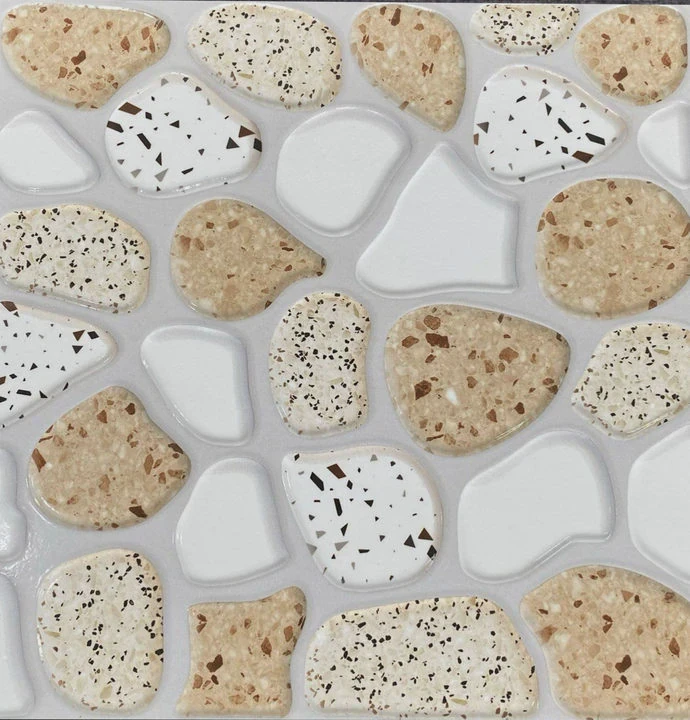
A sticky tile floor feels uncomfortable and attracts more dirt. Many homeowners clean often but still face this annoying problem.
The best way to clean a sticky floor tile is to remove the old residue, use the right cleaner, and rinse the surface with clean water. A proper cleaning method can restore a smooth and fresh tile surface.
A sticky floor usually means something remains on the tile surface. The problem may come from cleaning products, food spills, dust, or incorrect washing methods. I will explain the common causes and practical solutions that help keep tile floors clean.
Why do tiles become sticky over time?
A sticky tile floor can make a clean home feel dirty. Many people think more cleaning products create better results. However, too much product often creates the opposite effect.
Tiles become sticky because residue from cleaners, oils, dirt, and spills builds up on the surface over time. The best solution is to remove the residue instead of adding more cleaning products.
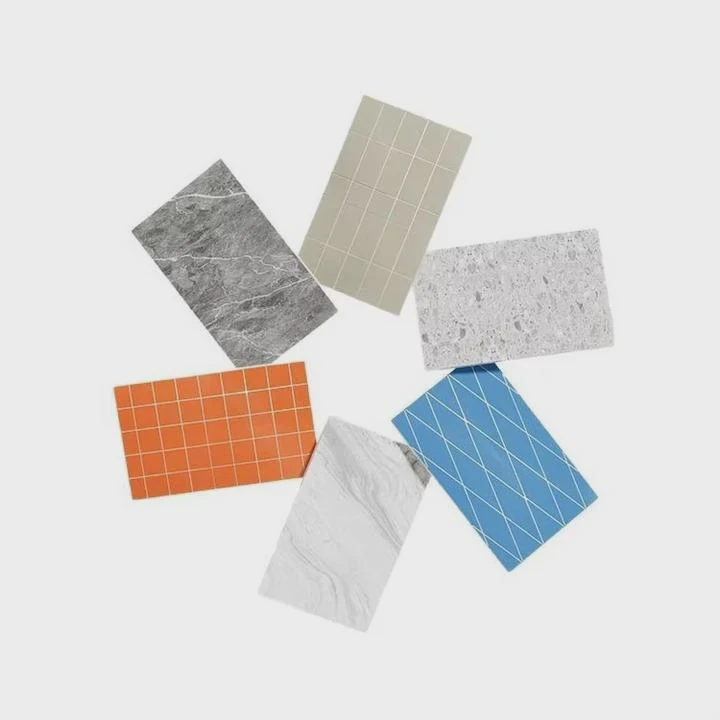
When I look at common tile cleaning problems, I often find that the sticky feeling does not come from the tile itself. Ceramic tiles and porcelain tiles usually have a smooth surface. The problem normally comes from materials left on top of the tile.
Common reasons behind sticky tile surfaces
The first reason is the overuse of floor cleaners. Many liquid cleaners contain ingredients that leave a thin layer after drying. When people use too much cleaner, the extra liquid stays on the tile. This layer collects dust and creates a sticky feeling.
The second reason is dirty water during mopping. Some people mop the floor with the same bucket of water for a large area. The water slowly becomes full of dirt. Instead of removing dirt, the mop spreads it around the room.
The third reason is food and oil stains. Kitchens often have small drops of cooking oil, sauces, and drinks on the floor. These materials can become sticky when they mix with dust.
| Cause of sticky tiles | How it creates a sticky feeling |
|---|---|
| Too much cleaning solution | Leaves a chemical film on the surface |
| Dirty mop water | Spreads dirt instead of removing it |
| Food and oil spills | Creates a greasy layer |
| Poor rinsing | Keeps leftover cleaner on tiles |
The importance of understanding tile surfaces
Different tiles can react differently to cleaning habits. Glazed porcelain tiles usually resist stains well, but residue can still build on the surface. Ceramic tiles also need regular cleaning because dirt can collect around grout lines.
I have learned that cleaning is not only about removing visible dirt. A floor may look clean but still have invisible layers. These layers slowly change the texture of the surface.
A simple test can help identify the problem. I usually recommend touching a small dry area after normal cleaning. If the area feels slightly rough or sticky, the floor may have cleaner buildup.
Why more cleaner is not always better
Many homeowners believe stronger products create cleaner floors. This idea is common but often wrong. A small amount of suitable cleaner can work better than a large amount of a strong product.
The goal of cleaning is to remove unwanted materials. It is not to leave a new layer on the tile. A clean tile should feel smooth and natural after drying.
Which cleaners remove sticky residue effectively?
Choosing the right cleaner is important because the wrong product can increase the problem. A sticky floor needs a cleaner that breaks down residue and allows easy removal.
Effective cleaners for sticky tile residue include warm water with mild detergent, diluted vinegar solutions for suitable tiles, and pH-neutral tile cleaners designed to remove buildup.
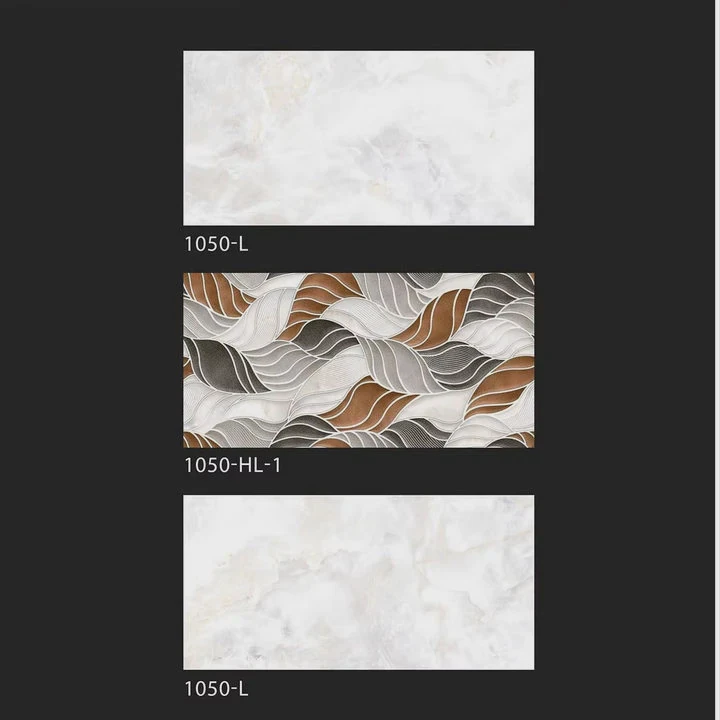
When I clean tile surfaces, I focus on removing the source of the stickiness. A cleaner should loosen the residue, not simply cover it with fragrance or extra chemicals.
Simple cleaning options for sticky tiles
Warm water is often the first option. It can soften many types of residue, especially when the sticky layer is caused by old cleaning products. Warm water combined with a clean microfiber mop can remove light buildup.
A mild detergent solution can help with grease and food stains. The key point is using the correct amount. Too much detergent can create another sticky layer.
For some ceramic and porcelain tiles, a diluted vinegar solution can help remove mineral deposits and light residue. However, vinegar is not suitable for every surface. Natural stone tiles, such as marble, can be damaged by acidic cleaners.
Cleaner comparison for different situations
| Cleaning method | Best use | Important note |
|---|---|---|
| Warm water | Light residue and regular maintenance | Use a clean mop |
| Mild detergent | Grease and food stains | Avoid using too much |
| pH-neutral tile cleaner | Regular tile care | Safe for many tile types |
| Diluted vinegar solution | Some hard tile surfaces | Avoid natural stone |
A practical cleaning process
I usually follow a simple process when dealing with sticky tiles.
First, I remove loose dust and dirt. Sweeping or vacuuming before mopping prevents dirt from mixing with water.
Second, I apply a small amount of cleaning solution. I avoid soaking the floor because too much liquid can spread residue.
Third, I allow the cleaner to work for a short time. This step helps break down the sticky layer.
Fourth, I mop with clean water. This rinsing step is important because leftover cleaner can become a new problem.
Why the final rinse matters
Many people stop after using cleaner. They see a better appearance and think the job is complete. However, residue can remain after the floor dries.
A clean water rinse removes leftover chemicals and loose particles. This step often creates the difference between a floor that looks clean and a floor that feels clean.
Can improper cleaning leave residue behind?
Cleaning mistakes can create a cycle where the floor becomes sticky again after every wash. The problem is usually not the effort. The problem is the cleaning method.
Improper cleaning can leave residue behind when people use too much product, skip rinsing, or use dirty tools that spread leftover materials across the tile surface.
I have seen that many sticky floor problems are connected with small daily habits. These habits seem harmless, but they slowly affect the tile surface.
Common cleaning mistakes
One common mistake is adding extra cleaner because the floor looks very dirty. More cleaner does not always mean more cleaning power. In many cases, the extra product stays on the tile.
Another mistake is using a mop without washing it properly. A dirty mop contains old dirt and cleaning chemicals. When the mop touches the floor, it transfers these materials back.
A third mistake is skipping the drying process. Water left on the floor can mix with dust and create marks or a sticky feeling.
How residue changes the tile surface
Residue creates a thin layer between the tile and the environment. This layer can attract dust, hair, and small particles. Over time, the floor becomes harder to clean.
The problem can become more visible in areas with heavy use. Kitchens, entrances, and living rooms often collect more dirt because people walk through these areas frequently.
Better cleaning habits
I prefer simple cleaning habits because they are easier to follow. A good routine does not need many products.
Use fewer products
A smaller amount of cleaner often gives better results. The purpose of cleaning products is to remove dirt, not stay on the floor.
Change water regularly
Fresh water helps remove dirt instead of moving it around. This small change can improve cleaning results.
Use suitable tools
Microfiber mops are useful because they can collect small particles. Clean tools also reduce the chance of spreading residue.
| Cleaning habit | Expected result |
|---|---|
| Use correct cleaner amount | Less residue buildup |
| Rinse with clean water | Smoother tile surface |
| Wash cleaning tools | Less dirt transfer |
| Clean spills quickly | Fewer sticky areas |
How to prevent floors from becoming sticky again?
Removing sticky residue solves the current problem, but prevention creates long-term results. A good cleaning routine can keep tiles smooth and easy to maintain.
To prevent sticky floors, use the correct amount of cleaner, remove spills quickly, clean with fresh water, and maintain a regular tile care schedule.
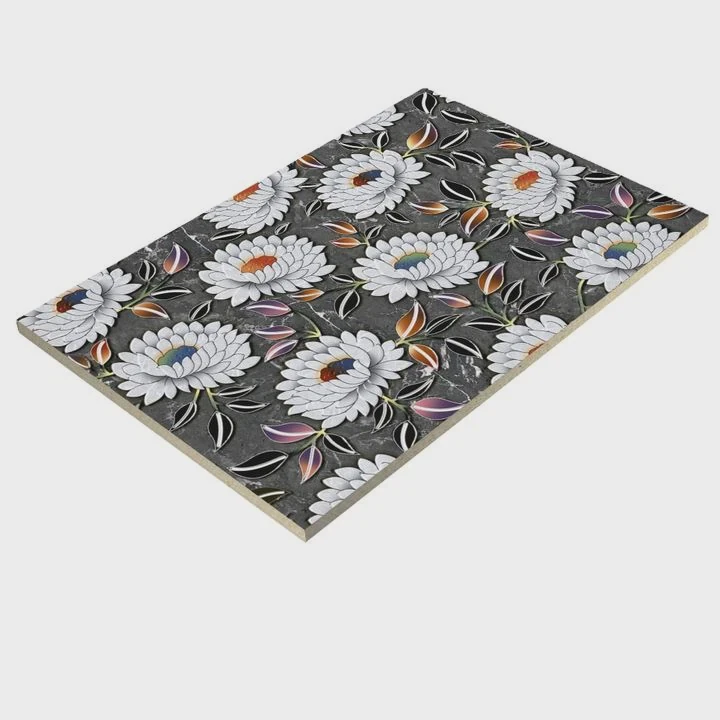
A clean tile floor depends on daily habits. I believe prevention is easier than repeated deep cleaning. Small actions can reduce future problems.
Create a simple maintenance routine
A regular schedule helps stop dirt from building up. Daily sweeping removes dust before it mixes with moisture. Weekly mopping removes normal surface dirt.
The cleaning frequency depends on the area. A busy kitchen may need more attention than a bedroom. High-traffic areas collect more particles and require faster cleaning.
Control the amount of cleaning solution
Many sticky floor problems start with product mistakes. I always suggest following the product instructions and avoiding the idea that more solution means better cleaning.
A clean floor should not have a strong chemical feeling after drying. The surface should feel smooth and natural.
Protect tiles from common sources of residue
Small actions can protect tile surfaces:
- Clean food and drink spills quickly.
- Place mats near entrances.
- Avoid walking on floors with dirty shoes.
- Wash mops and cleaning tools regularly.
- Use products designed for the specific tile type.
Long-term tile care strategy
| Maintenance action | Recommended timing | Benefit |
|---|---|---|
| Sweep or vacuum | Daily or several times per week | Removes loose dirt |
| Mop with suitable cleaner | Weekly | Removes surface buildup |
| Deep clean residue | When needed | Restores smooth feeling |
| Check grout areas | Monthly | Prevents hidden dirt |
Understanding the balance between cleaning and care
Tile floors do not need constant strong cleaning. They need consistent and correct care. Too much cleaning product can create problems, while too little cleaning allows dirt to build.
I focus on balance. A simple routine with suitable products usually protects the tile surface better than aggressive cleaning methods.
A sticky floor is often a warning sign that the cleaning process needs adjustment. When the cause is understood, the solution becomes easier. Good habits help tiles stay beautiful, comfortable, and easy to maintain.
Conclusion
Cleaning sticky floor tiles requires removing residue, choosing suitable cleaners, and building better habits. A simple cleaning routine can keep tile surfaces smooth and fresh for a long time.