Can I Paint Tile?
- Sinotiles
- 2026-03-14
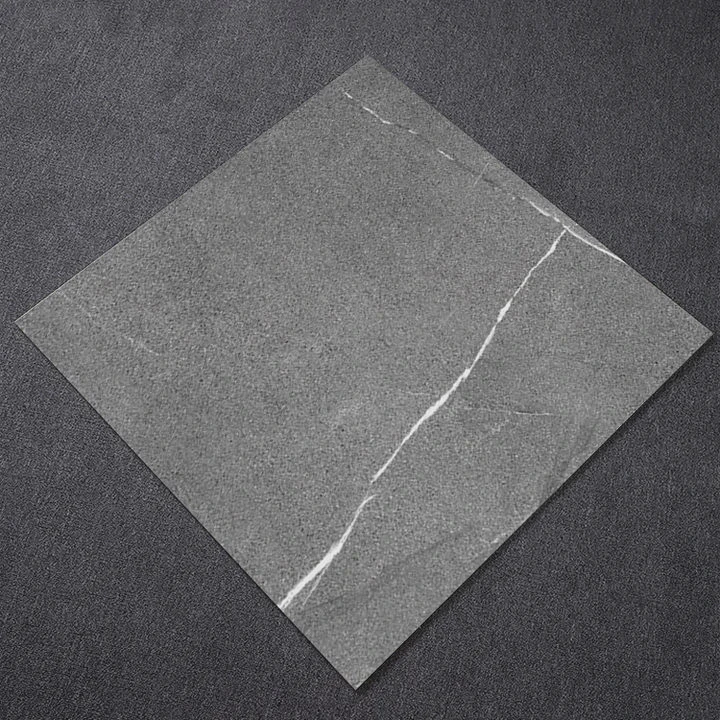
Many people dislike old tiles but replacing them is costly and messy. Renovation budgets are limited. Many homeowners wonder if painting tiles is a practical solution.
Yes, tile can be painted if the surface is properly prepared and the correct paint and primer are used. Cleaning, sanding, and priming help paint adhere to the smooth tile surface and improve durability.
Painting tiles has become a common solution in home renovation projects. It allows people to refresh kitchens, bathrooms, and floors without removing existing tiles. However, not all tiles behave the same way. The type of paint, surface preparation, and tile material all affect the final result.
What types of paint adhere well to tile surfaces?
Old tiles often have glossy and non-porous surfaces. Regular wall paint struggles to stick to these surfaces. The result can be peeling or cracking after only a short time.
Epoxy paint, acrylic latex paint, and enamel paint adhere well to tile surfaces because they form strong bonds and resist moisture and wear.
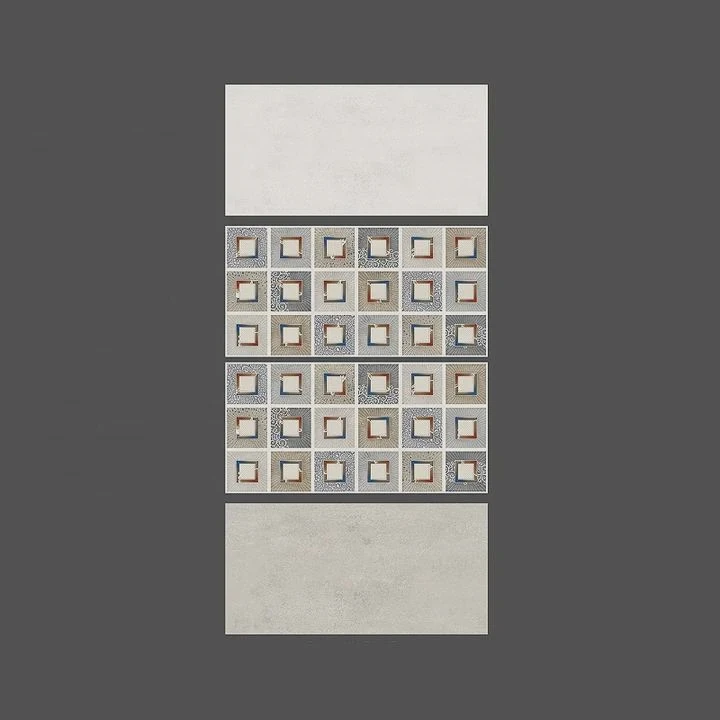
Painting tile is different from painting drywall or wood. Tile surfaces are hard and smooth. Paint must bond strongly to the surface. If the wrong paint is used, it will quickly peel away.
Common Types of Tile Paint
Several paint types perform well on tile. Each option has different strengths depending on the environment.
| Paint Type | Key Features | Best Use Areas |
|---|---|---|
| Epoxy Paint | Strong adhesion, waterproof, very durable | Floors, showers, high traffic areas |
| Acrylic Latex Paint | Easy to apply, low odor, quick drying | Walls, backsplashes |
| Oil-Based Enamel | Hard finish, stain resistant | Kitchen walls and decorative tiles |
Epoxy paint is often considered the most durable solution. It creates a very hard surface after curing. This paint works well in bathrooms and kitchens where water and cleaning chemicals are common.
Acrylic latex paint is popular because it is easy to apply. It dries faster and produces fewer fumes. Many DIY homeowners prefer this option for walls and backsplashes.
Oil-based enamel paint creates a smooth and durable coating. It resists stains and scratches. However, it requires longer drying times and stronger ventilation.
Factors That Affect Paint Adhesion
Paint performance depends on more than the paint itself. Surface conditions play a major role.
| Factor | Why It Matters |
|---|---|
| Surface Gloss | Smooth glossy tiles resist paint |
| Moisture Exposure | High humidity weakens paint |
| Cleaning Quality | Grease prevents adhesion |
| Primer Use | Improves bonding between tile and paint |
Bathrooms and kitchens often contain grease or soap residue. These substances prevent paint from sticking. Proper cleaning is essential before any painting begins.
Choosing Paint Based on Tile Location
Different spaces require different paint durability.
- Bathroom tiles require moisture-resistant coatings
- Kitchen backsplashes require stain resistance
- Floor tiles require very durable coatings
Painting tile can provide a quick visual update. However, it should not always replace new tile in heavy commercial environments. Painted surfaces may require touch-ups after years of use.
Why should tiles be sanded before painting?
Tiles are designed to resist water, stains, and scratches. This protective surface is great for durability but bad for paint adhesion.
Sanding tiles creates a rough surface that allows primer and paint to grip the tile more effectively, preventing peeling and improving long-term durability.
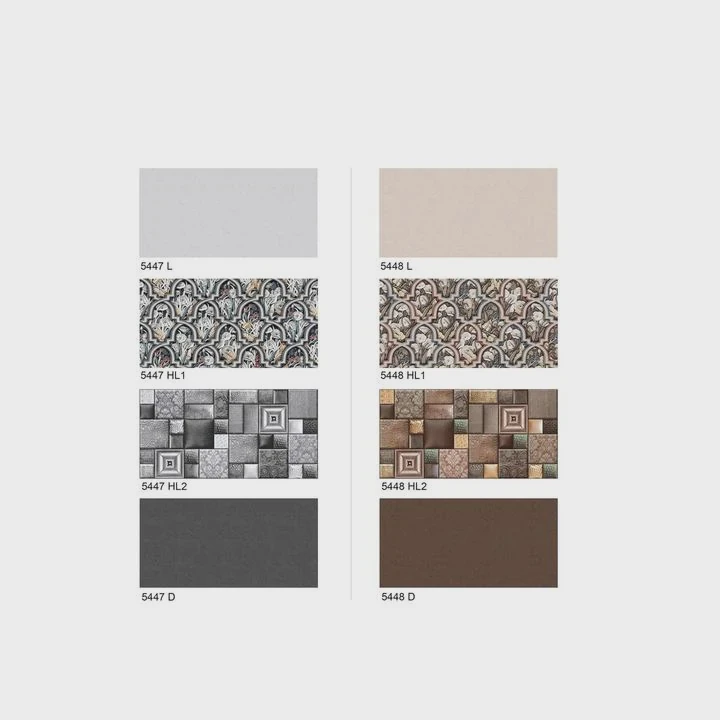
Sanding is one of the most important preparation steps in tile painting. Many people skip this step and later experience paint peeling or bubbling.
Why Tile Surfaces Are Difficult to Paint
Most ceramic and porcelain tiles have a glaze layer. This glaze makes the tile smooth and shiny.
The glaze is designed to prevent liquids and dirt from entering the tile body. However, the same property prevents paint from bonding.
Sanding removes part of this glossy surface. The goal is not to remove the tile completely. The goal is simply to create texture.
Benefits of Sanding Tiles
| Benefit | Explanation |
|---|---|
| Better Paint Adhesion | Rough surface helps paint bond |
| Longer Paint Lifespan | Paint resists peeling |
| Improved Primer Grip | Primer can penetrate micro scratches |
| More Even Finish | Paint spreads more evenly |
Even light sanding can dramatically improve the final result.
Recommended Sanding Tools
Several tools can be used to prepare tiles.
- Sandpaper (120–220 grit) for manual sanding
- Electric orbital sanders for large surfaces
- Sanding blocks for corners and edges
The goal is to dull the glossy finish. The tile does not need deep scratches.
Cleaning After Sanding
Dust left on the tile will reduce paint adhesion. After sanding, the surface must be cleaned again.
Typical cleaning steps include:
- Wipe with a damp cloth
- Use mild detergent if needed
- Allow tiles to fully dry
A clean and lightly rough surface creates the ideal base for primer and paint.
Skipping sanding often leads to failure within months. For long-lasting results, preparation matters as much as the paint itself.
When must primer be applied on painted tiles?
Many people want to skip primer to save time. However, primer is often essential when painting tile surfaces.
Primer must be applied when painting glossy, non-porous, or high-moisture tiles because it improves paint adhesion and increases durability.
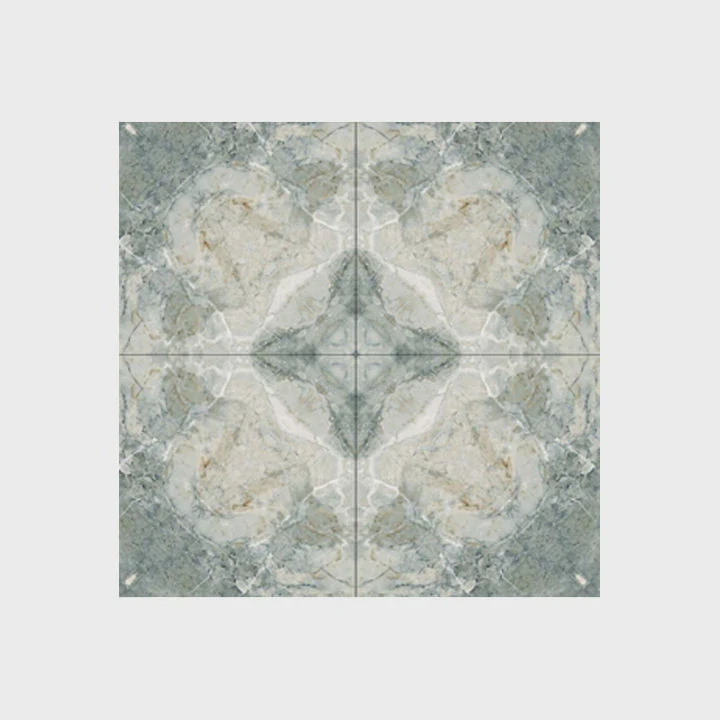
Primer acts as a bonding layer between the tile and the paint. Without it, paint may not attach properly to the glazed surface.
Situations Where Primer Is Necessary
Primer is strongly recommended in several common situations.
| Situation | Reason |
|---|---|
| Glossy tiles | Paint cannot grip smooth glaze |
| Bathroom tiles | High humidity affects adhesion |
| Kitchen backsplash | Grease exposure requires stronger bonding |
| Color changes | Primer blocks old color |
Primer is especially important when painting ceramic or porcelain tiles. These materials are highly non-porous.
Types of Primer for Tile
Not all primers perform well on tile surfaces. Specialized bonding primers are often required.
| Primer Type | Characteristics |
|---|---|
| Epoxy Primer | Extremely strong adhesion |
| Bonding Primer | Designed for slick surfaces |
| Oil-Based Primer | Durable and moisture resistant |
Bonding primers are commonly used in residential projects. They help paint stick to surfaces such as tile, glass, and laminate.
Application Tips
Applying primer correctly improves the entire painting process.
Steps typically include:
- Clean and sand the tile surface
- Apply a thin, even coat of primer
- Allow full drying time
- Lightly sand if necessary before painting
Some primers dry within a few hours. Others require longer curing times.
Proper primer application reduces paint failure and improves the overall finish quality.
Which tiles are suitable for painting projects?
Not every tile is a good candidate for painting. Some materials accept paint better than others.
Ceramic and porcelain wall tiles are the most suitable for painting, while heavily used floor tiles and textured surfaces are less ideal for long-lasting results.
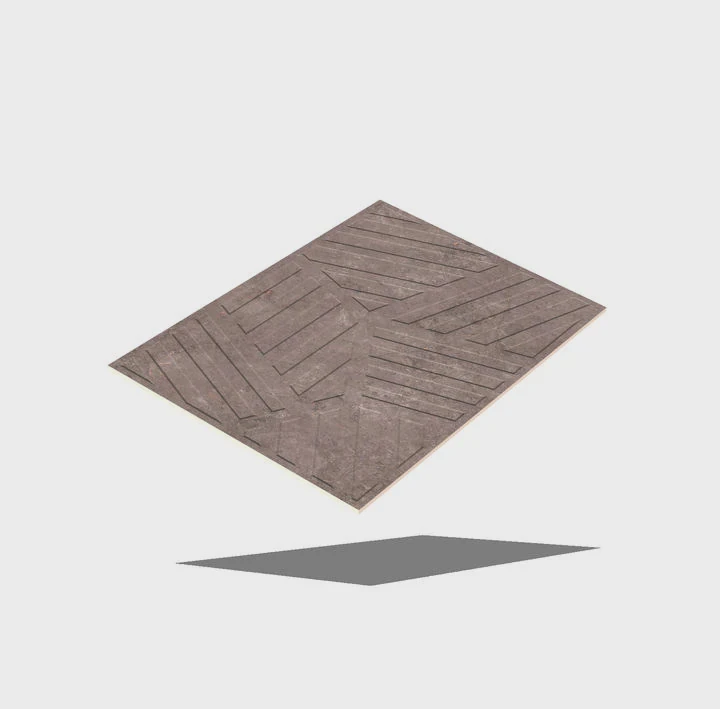
Understanding tile materials helps determine whether painting is a practical option.
Tile Types That Work Well for Painting
| Tile Type | Paint Suitability | Reason |
|---|---|---|
| Ceramic Tile | Very good | Smooth but easy to prepare |
| Porcelain Tile | Good | Dense but paintable with primer |
| Mosaic Tile | Moderate | Many grout lines require precision |
Ceramic tiles are often the easiest to paint. They are widely used in kitchens and bathrooms. Their surface responds well to sanding and primer.
Porcelain tiles are denser than ceramic tiles. They require stronger primers but can still be painted successfully.
Tiles That Are Difficult to Paint
Some tile surfaces present challenges.
| Tile Type | Issue |
|---|---|
| Natural Stone | Porous and uneven |
| Textured Tiles | Paint coverage becomes inconsistent |
| High Traffic Floor Tiles | Paint wears quickly |
Floor tiles experience constant friction from walking and furniture. Even strong coatings may wear over time.
When Painting Tiles Makes Sense
Painting tiles works well in several situations:
- Temporary design updates
- Rental property improvements
- Budget renovations
- Decorative wall surfaces
Many property owners choose painting as a cost-effective refresh.
When Tile Replacement Is Better
For long-term renovations, replacing tiles may still be the better option.
New tiles offer several advantages:
- Permanent durability
- Better moisture resistance
- Modern design options
- Higher property value
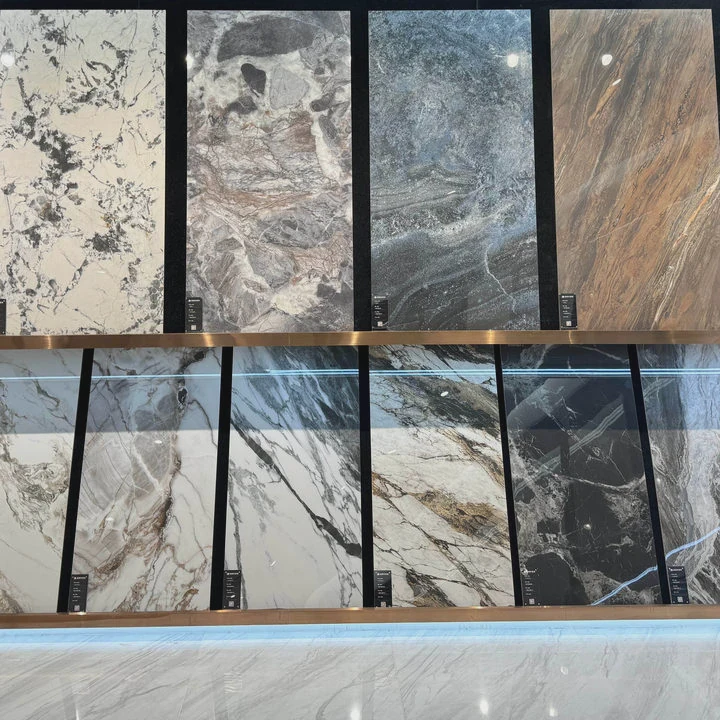
Large format porcelain tiles, for example, have become popular in modern architecture because of their durability and design flexibility.
Painting tiles can still be a practical solution when replacement is not feasible. Proper preparation and materials determine the final success of the project.
Conclusion
Painting tile is possible with the right preparation, primer, and paint. Sanding and cleaning improve adhesion. Ceramic and porcelain tiles work best. While painted tiles may not replace new installations, they offer an affordable way to refresh kitchens and bathrooms.