How Can I Paint Tile?
- Sinotiles
- 2026-03-16
Painting tile sounds simple, but many people see peeling paint and uneven surfaces after a short time. The problem often starts with poor preparation and the wrong materials.
Tile can be painted successfully when the surface is cleaned, sanded, primed, and coated with the correct paint and sealer. Proper preparation and the right products make the paint durable and long-lasting.
Many homeowners and contractors want to refresh old tiles without removing them. Painting seems like an easy solution. However, tile surfaces are smooth and dense, so paint does not stick well without the correct process. Understanding each step helps achieve a strong and clean finish.
What Preparation Is Required Before Painting Tile Surfaces?
Old tiles often look worn or outdated. Many people start painting directly on the tile, but the paint quickly chips or peels. The real issue usually comes from poor surface preparation.
Tile surfaces must be cleaned, degreased, lightly sanded, and completely dried before painting. These steps remove contaminants and create a slightly rough surface so the paint can bond properly.
Painting tile is different from painting drywall or wood. Tile is non-porous. Its surface is smooth and hard. Because of this, paint cannot easily grip the surface unless preparation is done correctly.
Step 1: Deep Cleaning the Tile
Before anything else, the tile must be completely clean. Dirt, grease, soap residue, and mold can prevent paint from sticking.
In kitchens and bathrooms, grease and soap build up over time. Even when the surface looks clean, a thin film may still exist.
Common cleaning solutions include:
| Cleaning Product | Purpose |
|---|---|
| Degreaser | Removes oil and kitchen grease |
| TSP cleaner | Breaks down heavy dirt and residue |
| Vinegar solution | Removes mineral buildup |
| Mild detergent | General cleaning |
The surface should be scrubbed thoroughly. After cleaning, rinse the tile with clean water and let it dry completely.
Step 2: Repairing Damage
Next, inspect the tiles carefully. Cracks, chips, or loose grout can affect the final result.
Small problems should be repaired before painting.
Typical repairs include:
- Filling small chips with epoxy filler
- Repairing cracked grout
- Replacing loose tiles
- Smoothing rough edges
A smooth surface leads to a better painted finish.
Step 3: Sanding the Tile Surface
Sanding is one of the most important steps. Many people skip this step, but it makes a big difference.
Tile surfaces are glossy. Sanding removes the shine and creates tiny scratches that help primer and paint stick.
Usually, 220-grit sandpaper works well.
The goal is not to remove the glaze completely. The goal is to dull the surface slightly.
Step 4: Removing Dust
After sanding, dust must be removed.
Dust particles can cause bumps and weak adhesion.
A typical process includes:
- Wiping the surface with a damp cloth
- Using a tack cloth
- Letting the tile dry again
Step 5: Masking and Protection
Before painting begins, surrounding areas should be protected.
Common masking areas include:
- Countertops
- Cabinets
- Bathtubs
- Floors
Painter’s tape and plastic sheets help keep the work area clean.
Preparation Checklist
| Preparation Step | Why It Matters |
|---|---|
| Cleaning | Removes grease and contaminants |
| Repairing damage | Prevents visible defects |
| Sanding | Helps paint bond to the surface |
| Dust removal | Creates a smooth finish |
| Masking | Protects surrounding surfaces |
Good preparation determines whether the paint lasts for months or for years.
Why Should Primer Be Used On Painted Tiles?
Many people think primer is optional. When painting tile, primer is one of the most important steps.
Primer creates a bonding layer between the tile surface and the paint. It improves adhesion, prevents peeling, and helps the paint last longer.
Tile surfaces are naturally resistant to moisture and stains. That quality is good for durability but makes painting difficult.
Primer solves this problem by creating a surface that paint can stick to.
What Primer Actually Does
Primer performs several functions:
- Improves adhesion
- Seals the tile surface
- Creates an even base color
- Improves paint durability
Without primer, paint often scratches easily or begins peeling within weeks.
Types of Primers for Tile
Not all primers work well on ceramic tile.
The best choices usually include:
| Primer Type | Best Use |
|---|---|
| Epoxy primer | Maximum durability |
| Bonding primer | Smooth surfaces |
| Oil-based primer | Strong adhesion |
| Shellac primer | Stain blocking |
Epoxy primer is often the most durable option. It forms a strong chemical bond with ceramic surfaces.
How Primer Improves Paint Performance
Primer creates a bridge layer between the tile and paint.
Without primer, paint must bond directly to the glazed tile surface. This bond is weak.
With primer:
- Paint grips better
- Fewer coats are needed
- The finish becomes smoother
- The coating lasts longer
Application Tips
Primer should be applied evenly using a foam roller or brush.
Typical process:
- Apply one thin coat
- Allow full drying time
- Lightly sand if necessary
- Apply paint after primer cures
Drying time varies by product but often ranges from 4 to 24 hours.
Why Skipping Primer Causes Failure
Skipping primer usually leads to these problems:
- Peeling paint
- Scratches
- Uneven color
- Reduced durability
Many failed tile painting projects share the same cause: missing primer.
For long-lasting results, primer is essential.
When Does Tile Paint Need Sealing For Durability?
Many painted tiles look great at first but start wearing out after months. This often happens when a protective sealer is not used.
Tile paint needs sealing when the surface experiences moisture, cleaning, or heavy traffic. Sealers protect the paint layer and extend the lifespan of the finish.
Paint alone cannot always resist water, abrasion, and chemicals. In many environments, a topcoat or sealer adds critical protection.
Where Sealers Are Most Important
Some areas face more stress than others.
Typical high-wear areas include:
- Bathroom floors
- Kitchen backsplashes
- Shower walls
- Countertops
- Entry floors
These spaces often require sealing.
Types of Tile Sealers
Several sealers work well with painted tile.
| Sealer Type | Advantages |
|---|---|
| Polyurethane | Strong wear resistance |
| Epoxy coating | Very durable |
| Acrylic sealer | Easy application |
| Clear urethane | Moisture protection |
Polyurethane sealers are common for floors. Epoxy coatings are used when maximum durability is needed.
How Sealers Protect Painted Tiles
Sealers create a clear protective layer.
This layer helps resist:
- Scratches
- Moisture penetration
- Cleaning chemicals
- Foot traffic wear
Without sealing, painted surfaces may lose color and become damaged faster.
Application Process
Sealers should be applied only after paint fully cures.
Typical curing time for paint ranges from 24 to 72 hours depending on the product.
Application steps often include:
- Ensure paint is dry
- Apply thin sealer coat
- Allow drying
- Apply second coat if needed
Thin coats perform better than thick layers.
Areas That May Not Need Sealing
Some vertical surfaces may not require sealing.
Examples include:
- Decorative wall tiles
- Low-traffic areas
- Accent tile panels
However, sealing still improves durability even in these cases.
For areas exposed to water or heavy use, sealing is strongly recommended.
Which Paints Work Best For Ceramic Tiles?
Choosing the wrong paint is one of the most common mistakes in tile painting projects.
The best paints for ceramic tile include epoxy paint, acrylic latex paint, and specialized tile paint. These paints bond well to smooth surfaces and provide better durability.
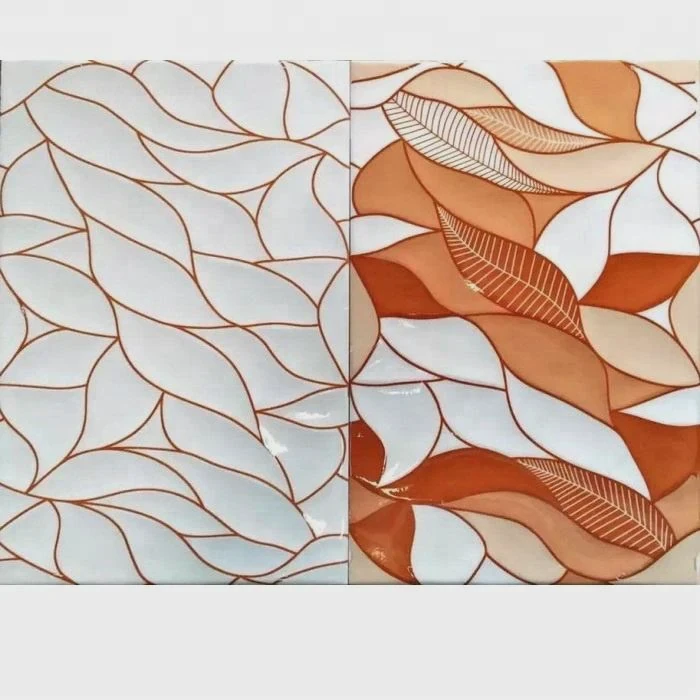
Not every paint works on tile. Standard wall paint may peel quickly because tile surfaces are glossy and dense.
Specialized paints are designed to stick to these surfaces.
Common Types of Tile Paint
Several paints are widely used for ceramic tile.
| Paint Type | Durability | Best Use |
|---|---|---|
| Epoxy paint | Very high | Floors, showers |
| Acrylic latex | Moderate | Walls, backsplashes |
| Enamel paint | High | Kitchens, bathrooms |
| Tile-specific paint | High | DIY tile refinishing |
Epoxy paint usually provides the strongest finish.
Why Epoxy Paint Works Well
Epoxy paint forms a chemical bond with the surface.
This bond makes the coating:
- Water resistant
- Scratch resistant
- Long lasting
For high-traffic areas like floors, epoxy paint is often the best option.
Acrylic Latex Paint
Acrylic latex paint is easier to apply.
It dries faster and produces less odor.
However, it may require sealing and more maintenance compared with epoxy paint.
Specialized Tile Paint
Some manufacturers produce paint designed specifically for tile refinishing.
These products usually include:
- Strong bonding agents
- Moisture resistance
- Durable coatings
They are popular for DIY renovation projects.
Paint Finish Options
The finish affects both appearance and maintenance.
Common finishes include:
| Finish Type | Appearance | Cleaning |
|---|---|---|
| Matte | Soft look | Harder to clean |
| Satin | Slight shine | Easy maintenance |
| Semi-gloss | Reflective | Very durable |
| Gloss | High shine | Very washable |
Semi-gloss and gloss finishes often perform best in kitchens and bathrooms.
Application Tools
Paint can be applied using:
- Foam rollers
- High-quality brushes
- Spray systems
Foam rollers usually produce the smoothest finish on tile.
Multiple thin coats work better than one thick coat.
Conclusion
Painting tile is possible with the right preparation and materials. Cleaning, sanding, priming, painting, and sealing all play important roles. When each step is done carefully, painted tiles can look fresh and last for years.
- Pre: Can I Paint Tile?
- Next: How Long Do Tile Roofs Last?