Can Mold Grow on Tile?
- Sinotiles
- 2026-06-23
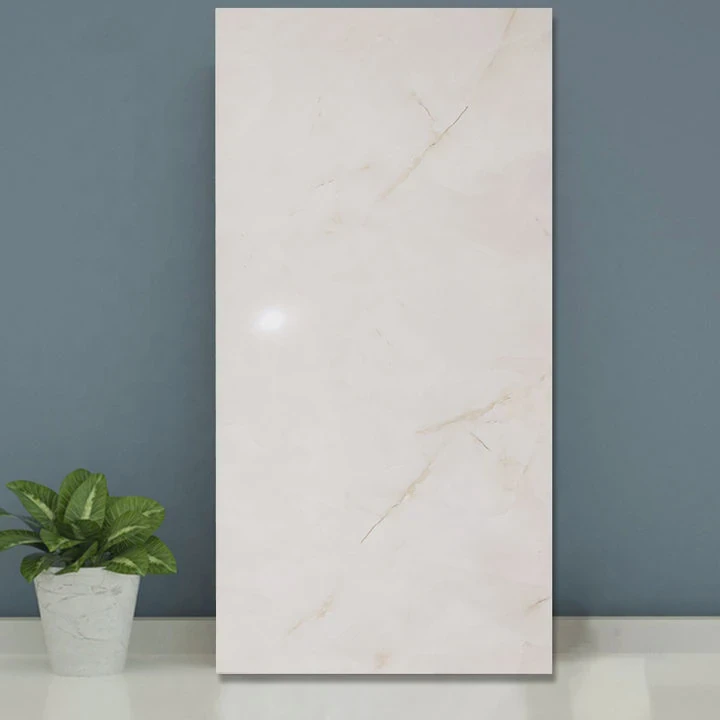
Mold spots often appear in bathrooms, kitchens, and other damp spaces. Many people assume tile surfaces are fully protected, but mold can still become a serious issue.
Yes, mold can grow on tile surfaces when moisture, dirt, soap residue, and poor ventilation create the right environment. While most ceramic and porcelain tiles do not provide food for mold, organic buildup on the surface and porous grout lines can support mold growth.
Many property owners notice mold around showers, floors, and backsplashes without understanding why it appears. The truth is that tile itself is only one part of the surface system. Moisture, cleaning habits, grout quality, and room ventilation all play important roles in mold prevention.
What Conditions Allow Mold to Grow on Tile Surfaces?
Mold can develop on tile surfaces when moisture remains for long periods and combines with organic materials such as dust, soap scum, skin cells, or grease. Warm temperatures and limited airflow make the problem worse.
The main conditions that allow mold growth on tile surfaces are excess moisture, poor ventilation, warm temperatures, and the presence of organic residue that mold can use as a food source.
Many people think mold grows directly on ceramic or porcelain tile. In reality, mold usually grows on the thin layer of dirt, soap residue, body oils, or dust that collects on the surface. Tile acts as a base where moisture remains trapped.
The Four Main Requirements for Mold Growth
Mold generally needs four conditions:
| Condition | Why It Matters |
|---|---|
| Moisture | Supports mold survival and reproduction |
| Organic Material | Provides food for mold colonies |
| Warm Temperature | Encourages faster growth |
| Limited Airflow | Keeps surfaces damp longer |
Bathrooms often provide all four conditions at the same time. Daily showers create steam. Soap residue accumulates on walls. Poor ventilation keeps surfaces wet. This combination creates an ideal environment.
Common High-Risk Areas
Some tiled areas are more vulnerable than others.
Shower Walls
Hot water produces steam that condenses on tile surfaces. Water may remain for hours if ventilation is poor.
Shower Floors
Standing water often collects in corners and around drains.
Kitchen Backsplashes
Grease particles and food residue can mix with moisture.
Laundry Rooms
High humidity levels can remain trapped in enclosed spaces.
Why Cleaning Frequency Matters
A tiled surface that remains wet is not always enough for mold growth. Mold also needs nutrients. Dust, soap scum, and dirt provide those nutrients.
A simple cleaning routine removes these materials before mold colonies become established. Many mold problems begin because surfaces are rarely cleaned behind fixtures, inside corners, or along grout joints.
Environmental Factors That Increase Risk
Several environmental conditions can accelerate mold development:
- Relative humidity above 60%
- Frequent condensation
- Water leaks
- Poor drainage
- Lack of sunlight
- Inadequate exhaust fans
A bathroom with an effective ventilation system often experiences far fewer mold issues than a similar room without one.
Is Grout More Prone to Mold Than Tile?
Yes, grout is generally much more vulnerable to mold than tile. Its porous structure absorbs moisture more easily and can trap dirt, soap residue, and organic particles that support mold growth.
Grout is more prone to mold than tile because it is porous, absorbs water, and holds contaminants. Most ceramic and porcelain tiles have dense, non-porous surfaces that are far less likely to support mold growth.
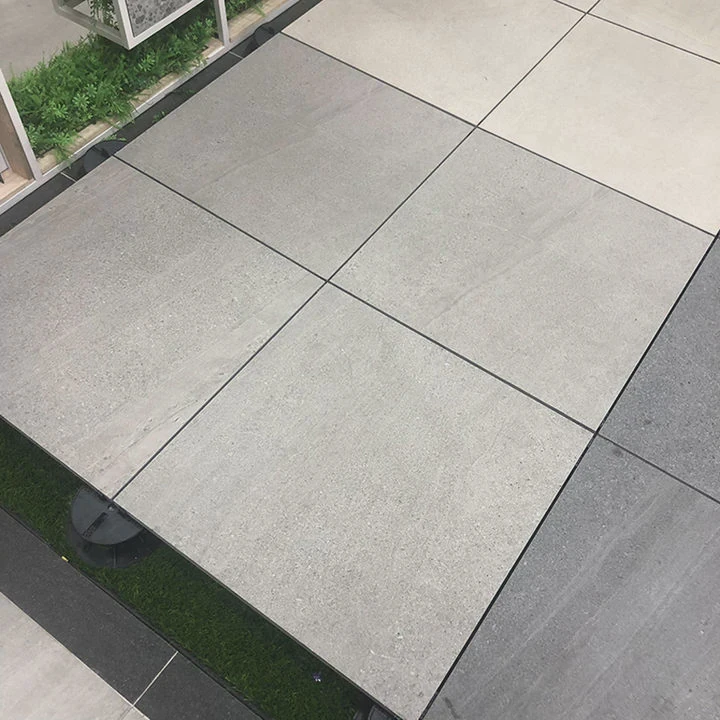
When customers ask about mold resistance, grout is usually the weakest point in the installation. Even premium tile surfaces can develop mold problems if grout maintenance is neglected.
Understanding the Difference
Tile and grout have very different characteristics.
| Feature | Tile | Grout |
|---|---|---|
| Surface Density | High | Lower |
| Water Absorption | Very Low | Higher |
| Ease of Cleaning | Easy | More Difficult |
| Mold Resistance | Better | Lower |
| Dirt Retention | Minimal | Higher |
This difference explains why dark mold stains often appear first along grout joints rather than on tile faces.
Why Grout Absorbs More Moisture
Traditional cement-based grout contains tiny pores. Water enters these pores during shower use, mopping, or exposure to humidity.
Over time, moisture may remain trapped inside the grout. When dirt and organic particles enter the same pores, mold finds favorable conditions for growth.
Common Mold Locations in Grout
Corner Joints
Corners often dry more slowly than open surfaces.
Shower Niches
Built-in shelves receive frequent water exposure.
Floor Transitions
Areas where walls meet floors can collect standing water.
Around Fixtures
Spaces near faucets and shower valves often remain damp.
The Role of Grout Sealers
Sealers help reduce water penetration into grout.
A quality sealer creates a protective barrier that limits moisture absorption. While sealers do not make grout completely waterproof, they significantly reduce the risk of mold development.
Modern Alternatives
Many newer installations use epoxy grout instead of traditional cement grout.
Epoxy grout offers several advantages:
- Lower water absorption
- Better stain resistance
- Easier cleaning
- Greater mold resistance
- Longer service life
For commercial projects and high-moisture environments, epoxy grout is often a practical long-term solution.
How Can Moisture Lead to Mold Growth on Tiles?
Moisture creates the environment mold needs to survive and reproduce. When water remains on tile surfaces or inside grout joints, mold spores can settle, grow, and spread.
Moisture leads to mold growth by keeping surfaces damp long enough for airborne mold spores to establish colonies. Persistent moisture also supports the buildup of bacteria and organic matter that mold uses as food.
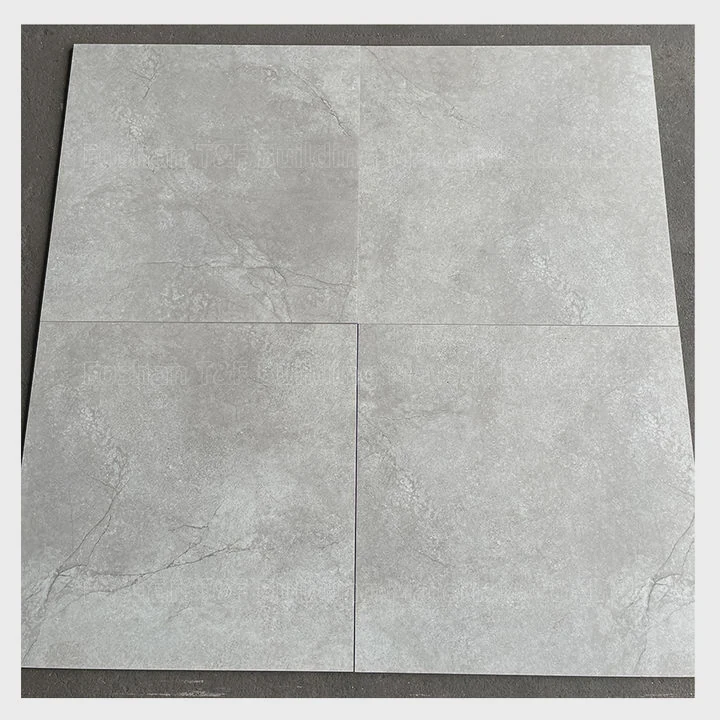
Mold spores exist almost everywhere. Most indoor spaces already contain them. The key factor is not the presence of spores but whether enough moisture exists to support growth.
Sources of Moisture Around Tile
Many moisture sources are obvious, but others are hidden.
Direct Water Exposure
This includes:
- Showers
- Bathtubs
- Kitchen sinks
- Laundry areas
- Swimming pool surrounds
These locations experience regular water contact.
Condensation
Condensation occurs when warm air contacts cooler surfaces.
Bathroom mirrors often fog after a shower. The same process occurs on tile walls. Water droplets remain behind even when no direct water spray reaches the area.
Hidden Plumbing Leaks
Small leaks behind tiled walls may go unnoticed for months.
Common signs include:
- Persistent musty odors
- Dark grout discoloration
- Loose tiles
- Peeling caulk
- Water stains
Humidity Buildup
High indoor humidity creates long-term moisture exposure.
Many bathrooms remain humid well after showers end. Without proper airflow, tile surfaces dry very slowly.
The Mold Growth Cycle
Understanding the mold growth cycle helps explain why moisture control is essential.
Stage 1: Spore Settlement
Airborne spores land on damp surfaces.
Stage 2: Moisture Absorption
Spores absorb water from the environment.
Stage 3: Colonization
Mold begins forming visible growth.
Stage 4: Expansion
Colonies spread across grout lines and nearby surfaces.
Why Drying Time Matters
The longer a surface remains wet, the greater the chance of mold growth.
A shower wall that dries within an hour presents much lower risk than one that stays damp all day.
This is why professionals often recommend:
- Exhaust fans
- Open bathroom doors
- Proper drainage
- Daily squeegee use
- Immediate leak repairs
Reducing drying time directly reduces mold risk.
Moisture Management Strategies
Property owners can lower mold risk by controlling moisture at its source.
Key strategies include:
- Repairing leaks quickly
- Improving ventilation
- Sealing grout
- Removing standing water
- Maintaining proper drainage
- Cleaning regularly
Moisture control is usually more effective than mold removal alone because it addresses the root cause.
Are Certain Tiles Resistant to Mold Development?
Yes, some tiles are naturally more resistant to mold development because they absorb very little water and provide fewer places for moisture and contaminants to accumulate.
Porcelain tiles are generally among the most mold-resistant options due to their extremely low water absorption rate. Glazed ceramic tiles and certain large-format tiles also provide strong resistance when properly installed and maintained.
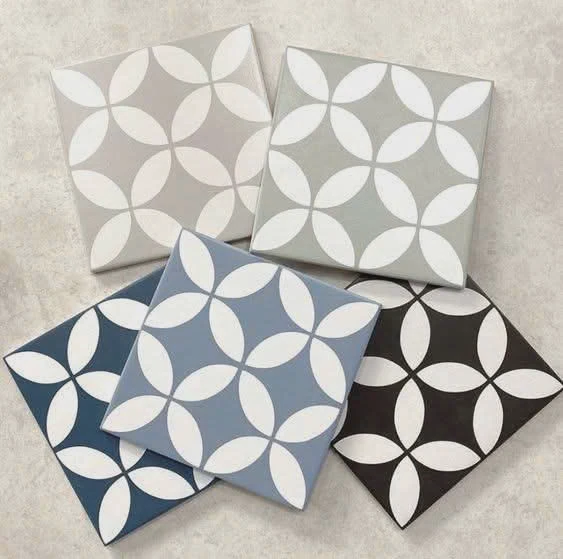
Not all tile materials perform the same way in wet environments. Material density, surface finish, and installation quality all influence mold resistance.
Comparing Common Tile Types
Porcelain Tile
Porcelain is one of the best choices for moisture-prone areas.
Benefits include:
- Very low water absorption
- Dense structure
- Easy maintenance
- Strong stain resistance
- Long lifespan
Bathrooms, spas, hotels, and commercial facilities frequently use porcelain because of these advantages.
Glazed Ceramic Tile
Glazed ceramic tiles perform well in residential applications.
The glaze layer creates a protective surface that helps resist moisture and staining.
Polished Porcelain Tile
Polished porcelain combines low absorption with a smooth finish.
The smooth surface makes cleaning easier and reduces dirt accumulation.
Large Format Tiles
Large tiles reduce the number of grout joints.
Fewer grout lines mean fewer areas where mold can establish itself.
Tile Types with Higher Maintenance Needs
Some materials require additional care.
Natural Stone
Stone products such as marble, limestone, and travertine contain natural pores.
These materials often require:
- Periodic sealing
- Specialized cleaners
- More frequent maintenance
Without proper care, moisture penetration can increase.
Factors Beyond Tile Selection
Even the most mold-resistant tile cannot completely prevent mold if installation practices are poor.
Installation Quality
Proper installation includes:
- Waterproof membranes
- Correct slope design
- Quality grout application
- Effective sealing systems
Maintenance Practices
Routine maintenance remains essential.
Important habits include:
- Regular cleaning
- Ventilation after showers
- Prompt leak repair
- Periodic grout inspection
Best Tile Choices for Mold Resistance
For environments with frequent moisture exposure, the following options usually provide the best results:
| Tile Type | Mold Resistance | Maintenance Level |
|---|---|---|
| Porcelain Tile | Excellent | Low |
| Glazed Ceramic Tile | Very Good | Low |
| Polished Porcelain Tile | Excellent | Low |
| Large Format Porcelain Tile | Excellent | Low |
| Natural Stone Tile | Moderate | High |
For many residential and commercial projects, porcelain tiles combined with quality grout and proper waterproofing create one of the most reliable defenses against mold growth.
Conclusion
Mold can grow on tiled surfaces when moisture, warmth, and organic residue combine. While tile itself is often resistant to mold, grout remains vulnerable due to its porous nature. Proper ventilation, moisture control, regular cleaning, and choosing low-absorption tiles such as porcelain can significantly reduce the risk of mold development.
- Pre: How to Install Vinyl Tile?
- Next: Sorry!