How to Install Vinyl Tile?
- Sinotiles
- 2026-06-23
Many homeowners start a flooring project with confidence but quickly feel unsure about the installation process. A small mistake can lead to uneven tiles, poor adhesion, or a floor that does not last.
Vinyl tile installation is a simple process when the right tools, surface preparation, and installation method are used. Most projects involve measuring, cutting, laying tiles correctly, and ensuring the subfloor is clean, dry, and level before installation begins.
Many people choose vinyl tile because it is affordable, durable, and available in many styles. The installation process is often easier than ceramic tile, which makes it a popular choice for both homeowners and contractors. Understanding each step before starting can help avoid common problems and create a professional-looking result.
What Tools Are Required to Install Vinyl Tile Flooring?
A flooring project can become frustrating when the wrong tools are used. Poor cuts, uneven alignment, and wasted materials often happen because installers are not fully prepared before the work begins.
The basic tools for vinyl tile installation include a tape measure, utility knife, straightedge, chalk line, square, roller, and safety equipment. These tools help ensure accurate measurements, clean cuts, and proper tile placement.
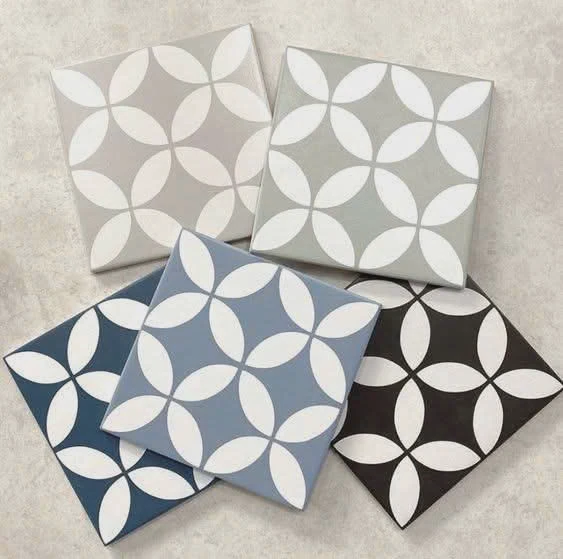
Installing vinyl tile does not require expensive professional equipment. Most tools are affordable and easy to find. The key is having everything ready before the first tile is placed.
Essential Measuring Tools
Accurate measurement is the foundation of any flooring project. Small errors can become very visible once several rows of tiles are installed.
| Tool | Purpose |
|---|---|
| Tape Measure | Measure room dimensions |
| Carpenter’s Square | Create accurate corner cuts |
| Chalk Line | Mark straight installation lines |
| Straightedge | Guide cutting lines |
These tools help maintain straight rows and balanced layouts throughout the room.
Cutting Tools
Vinyl tile is much easier to cut than ceramic tile. Most cuts can be completed with a utility knife.
The common process is simple:
- Mark the cutting line.
- Place a straightedge along the mark.
- Score the surface several times.
- Snap the tile along the cut.
For thicker luxury vinyl tiles, extra scoring may be required.
Installation Tools
After measurement and cutting, several tools help secure the tiles.
| Tool | Function |
|---|---|
| Hand Roller | Press individual tiles firmly |
| Floor Roller | Improve overall bonding |
| Rubber Mallet | Adjust tile position gently |
| Spacers (if needed) | Maintain alignment |
Safety Equipment
Safety is often overlooked during flooring installation.
Basic safety items include:
- Work gloves
- Knee pads
- Safety glasses
- Dust mask when cleaning subfloors
Knee pads are especially helpful because installers spend many hours working close to the floor.
Professional vs DIY Tool Requirements
Professional installers may use laser levels and commercial floor rollers. Most homeowners do not need such equipment for a standard room.
A simple toolkit is usually enough to achieve good results. Careful measuring and patience often matter more than expensive tools.
How Should the Surface Be Prepared Before Installation?
Many flooring failures happen long before the first tile is installed. Even high-quality vinyl tiles can lift, crack, or show imperfections when the subfloor is not prepared correctly.
The surface should be clean, dry, smooth, and level before vinyl tile installation. Dirt, moisture, cracks, and uneven areas must be repaired to ensure strong adhesion and long-term durability.
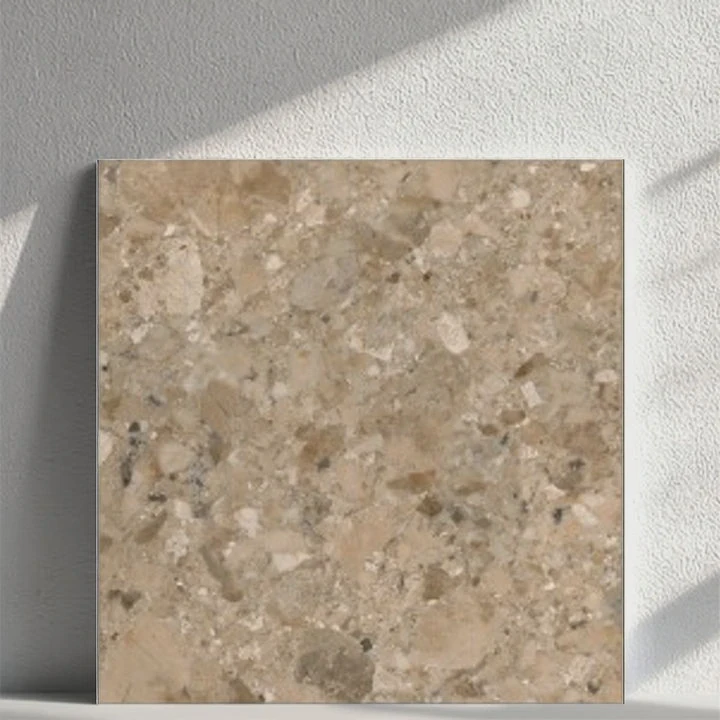
Surface preparation often takes more time than the installation itself. Many experienced installers believe that proper preparation determines the success of the entire project.
Why Surface Preparation Matters
Vinyl tiles are flexible materials. Unlike thick stone or ceramic products, they can reveal imperfections underneath.
Common problems caused by poor preparation include:
- Visible bumps
- Tile lifting
- Gaps between tiles
- Premature wear
- Weak adhesive bonding
A smooth foundation creates a better final appearance.
Step 1: Remove Existing Debris
The first task is cleaning the area completely.
Remove:
- Dust
- Dirt
- Grease
- Paint residue
- Old adhesive remnants
Vacuuming is often more effective than sweeping because fine particles can remain on the floor.
Step 2: Check Moisture Levels
Moisture is one of the biggest threats to flooring installations.
Subfloors should be completely dry before installation.
Common Moisture Sources
| Source | Potential Risk |
|---|---|
| Concrete Slabs | Vapor transmission |
| Leaking Pipes | Tile lifting |
| Poor Ventilation | Mold growth |
| Ground Moisture | Adhesive failure |
A moisture test may be necessary when installing over concrete.
Step 3: Repair Imperfections
Inspect the floor carefully.
Look for:
- Cracks
- Holes
- Low spots
- Raised areas
Floor patch compounds can help create a smooth surface.
Step 4: Level the Subfloor
Even small height differences can become visible after installation.
Typical Subfloor Types
Concrete
Concrete must be fully cured, dry, and level.
Plywood
Plywood should be securely fastened with no loose panels.
Existing Vinyl
Some vinyl floors can serve as a base if they are firmly attached and in good condition.
Surface Preparation Checklist
Before installation begins, confirm:
| Requirement | Status |
|---|---|
| Floor is clean | Yes |
| Floor is dry | Yes |
| Surface is smooth | Yes |
| Cracks repaired | Yes |
| Layout lines marked | Yes |
Taking extra time during preparation often prevents expensive repairs later. A well-prepared floor also makes installation faster and more accurate.
Are Peel-and-Stick Tiles Easy for Beginners?
Many first-time installers worry about making mistakes during a flooring project. Traditional flooring systems can seem complicated and intimidating for someone without construction experience.
Peel-and-stick vinyl tiles are generally considered one of the easiest flooring options for beginners because they require minimal tools, no complicated mixing processes, and simple installation steps.
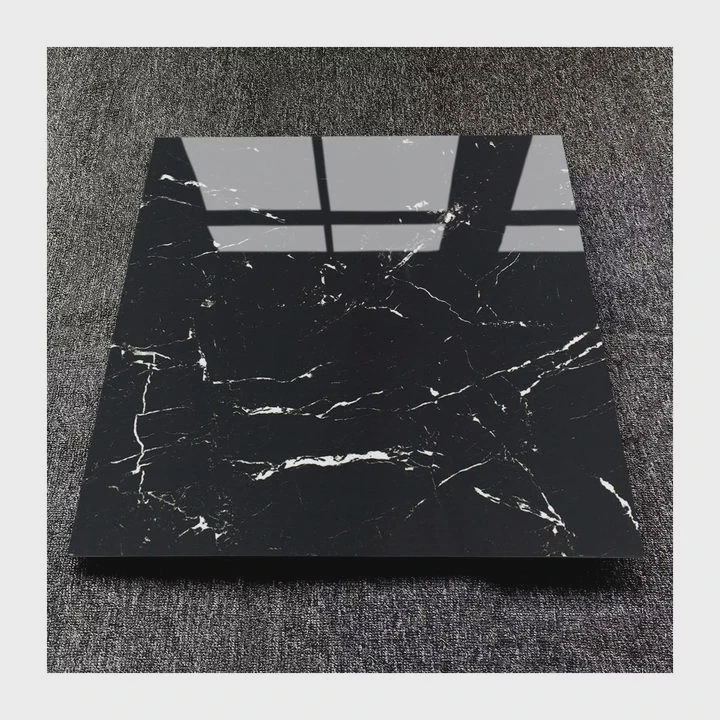
Among all flooring materials available today, peel-and-stick vinyl tiles remain one of the most beginner-friendly choices.
Why Beginners Like Peel-and-Stick Tiles
The installation process is simple:
- Prepare the floor.
- Measure the layout.
- Remove backing paper.
- Press the tile into place.
This straightforward process reduces the learning curve significantly.
Main Advantages
| Advantage | Benefit |
|---|---|
| Easy Installation | No special skills required |
| Affordable | Lower project cost |
| Fast Application | Less installation time |
| Minimal Tools | Lower startup expense |
These benefits make peel-and-stick products popular for rental properties, small renovations, and DIY projects.
Common Beginner Mistakes
Although installation is simple, mistakes still happen.
Misaligned Tiles
Once a tile is placed, repositioning can be difficult.
Careful layout planning helps avoid this issue.
Poor Surface Cleaning
Dust and dirt reduce adhesive strength.
A clean floor is critical for long-term performance.
Ignoring Room Layout
Many beginners start at one wall and work across the room. This can create narrow tile strips at the opposite side.
A centered layout often creates a more balanced appearance.
Best Rooms for First-Time Installers
Some rooms are easier than others.
Good beginner projects include:
- Laundry rooms
- Small bedrooms
- Home offices
- Closets
Large open areas require more planning and precision.
Limitations of Peel-and-Stick Tiles
Peel-and-stick products are convenient, but they are not perfect.
Potential drawbacks include:
- Reduced performance on rough surfaces
- Sensitivity to moisture
- Limited repositioning ability
- Adhesive quality differences between brands
For many homeowners, however, the simplicity outweighs these limitations.
Tips for Better Results
Dry-Fit First
Place tiles without removing backing paper. This helps visualize the final layout.
Work Slowly
Rushing often leads to alignment issues.
Use a Roller
Applying pressure improves adhesive contact.
Maintain Room Temperature
Most manufacturers recommend installing at moderate room temperatures for best adhesion.
With proper preparation and patience, many beginners achieve professional-looking results on their first project.
Do You Need Adhesive for Vinyl Tile Installation?
Many buyers are confused when shopping for vinyl tiles because some products mention adhesive while others do not. Understanding the difference is important before purchasing materials.
Whether adhesive is required depends on the type of vinyl tile. Peel-and-stick tiles have pre-applied adhesive, while dry-back vinyl tiles require separate adhesive during installation.
Not all vinyl tile products use the same installation system. Choosing the right type depends on the project size, traffic level, and desired durability.
Types of Vinyl Tile Installation
There are several common installation methods.
| Type | Adhesive Needed |
|---|---|
| Peel-and-Stick | No additional adhesive |
| Dry-Back Vinyl Tile | Yes |
| Loose Lay Vinyl | Usually No |
| Click-Lock Vinyl Tile | No |
Each system offers different advantages.
Peel-and-Stick Tiles
These products come with factory-applied adhesive.
The installer simply removes the backing paper and presses the tile into position.
Benefits include:
- Faster installation
- Lower labor cost
- Beginner-friendly process
However, surface preparation remains extremely important.
Dry-Back Vinyl Tiles
Dry-back products are common in commercial environments.
The process includes:
- Applying adhesive.
- Waiting for proper tack time.
- Positioning tiles.
- Rolling the floor.
Why Professionals Use Adhesive-Based Systems
Many commercial contractors prefer adhesive installations because they offer:
- Stronger bonding
- Better long-term stability
- Improved performance under heavy traffic
Large retail stores, offices, and hospitality projects often use this method.
Choosing the Right Adhesive
Different adhesives are designed for different conditions.
Common Adhesive Types
| Adhesive Type | Application |
|---|---|
| Pressure-Sensitive | Residential and light commercial |
| Hard-Set Adhesive | Heavy commercial traffic |
| Moisture-Resistant Adhesive | High-humidity environments |
Always follow manufacturer recommendations when selecting adhesive products.
Factors That Influence Adhesive Requirements
Several factors affect whether additional adhesive is necessary.
Traffic Levels
High-traffic spaces may benefit from stronger bonding systems.
Subfloor Condition
Some surfaces support adhesive-free systems better than others.
Climate Conditions
Temperature and humidity can affect installation performance.
Project Budget
Peel-and-stick products often reduce labor and material costs.
Can Extra Adhesive Be Added?
Some installers add extra adhesive beneath peel-and-stick tiles in challenging environments.
This approach may improve bonding in certain situations, but manufacturer guidelines should always be reviewed first.
The safest approach is to choose the installation system designed for the specific project rather than modifying the product.
Conclusion
Vinyl tile installation becomes much easier when the correct tools are used, the surface is prepared properly, and the right tile system is selected. Whether using peel-and-stick or adhesive-based products, careful planning and attention to detail help create a durable, attractive floor that performs well for many years.