How to Tile Over Brick Fireplace?
- Sinotiles
- 2026-06-23
A dated brick fireplace can make an entire room look old. Many homeowners want a cleaner and more modern finish but are unsure where to start.
Yes, it is possible to tile over a brick fireplace. The key steps include proper surface preparation, choosing the right adhesive, selecting suitable tiles, and applying sealing when needed. A well-planned installation can transform an outdated fireplace into a modern focal point.
Many people assume brick must be removed before installing tiles. In most cases, that is not necessary. With the correct preparation and materials, tiles can be installed directly over brick surfaces. The details matter because fireplace areas face heat, dust, and long-term wear. Understanding each step helps avoid costly mistakes and ensures a durable result.
What Preparation Is Needed Before Tiling a Brick Fireplace?
A brick fireplace may appear ready for tile installation, but skipping preparation often leads to weak adhesion, uneven surfaces, and future tile failure.
Before tiling a brick fireplace, the surface should be cleaned, repaired, leveled if necessary, and inspected for damage. Proper preparation creates a stable foundation that allows tiles to bond securely and remain durable for many years.
Preparing a brick fireplace is often the most important part of the project. Many installation failures happen because installers focus on the tile itself and ignore the condition of the substrate.
Clean the Brick Surface Thoroughly
Brick fireplaces collect soot, dust, grease, and smoke residue over time. These contaminants reduce adhesive performance.
A thorough cleaning process should include:
| Cleaning Step | Purpose |
|---|---|
| Remove loose dust | Improve adhesive contact |
| Wash soot and smoke residue | Prevent bonding issues |
| Scrub oily areas | Eliminate contaminants |
| Allow complete drying | Ensure proper adhesive curing |
A wire brush works well for removing loose debris. For fireplaces with heavy soot buildup, a masonry cleaner may be necessary.
Inspect for Structural Issues
Every brick and mortar joint should be checked carefully.
Common issues include:
- Cracked bricks
- Loose mortar joints
- Water damage
- Surface crumbling
- Previous repair failures
Any unstable area should be repaired before tile installation begins.
Evaluate Surface Flatness
Old fireplaces often have uneven brick faces. Some bricks protrude more than others.
When variation is minor, a high-quality thin-set mortar can compensate for small differences.
When the surface is significantly uneven, a skim coat may be needed.
Apply a Leveling Layer
Many professional installers apply a cement-based skim coat before tiling.
This layer helps:
- Create a smooth surface
- Reduce tile lippage
- Improve visual appearance
- Simplify installation
The skim coat should dry completely according to manufacturer recommendations.
Check Fireplace Heat Exposure
The area closest to the firebox experiences the highest temperatures.
Heat-resistant materials should always be selected for:
- Adhesives
- Grout
- Sealers
Understanding the fireplace’s operating temperature helps guide material selection.
Plan the Tile Layout
Before mixing adhesive, it is wise to dry-lay tiles.
This process helps determine:
- Center lines
- Cut locations
- Pattern alignment
- Symmetry
A few extra hours of planning often prevent visible layout problems later.
Good preparation creates a stable and professional-looking installation. It also reduces future maintenance and repair costs.
Can Adhesive Bond Tiles Directly to Brick Surfaces?
Many homeowners wonder if removing the brick is necessary. The answer depends largely on the condition of the brick surface and the adhesive being used.
Yes, tile adhesive can bond directly to brick surfaces when the brick is clean, stable, and properly prepared. Modern thin-set mortars are designed to create strong bonds with masonry materials and are commonly used for fireplace renovation projects.
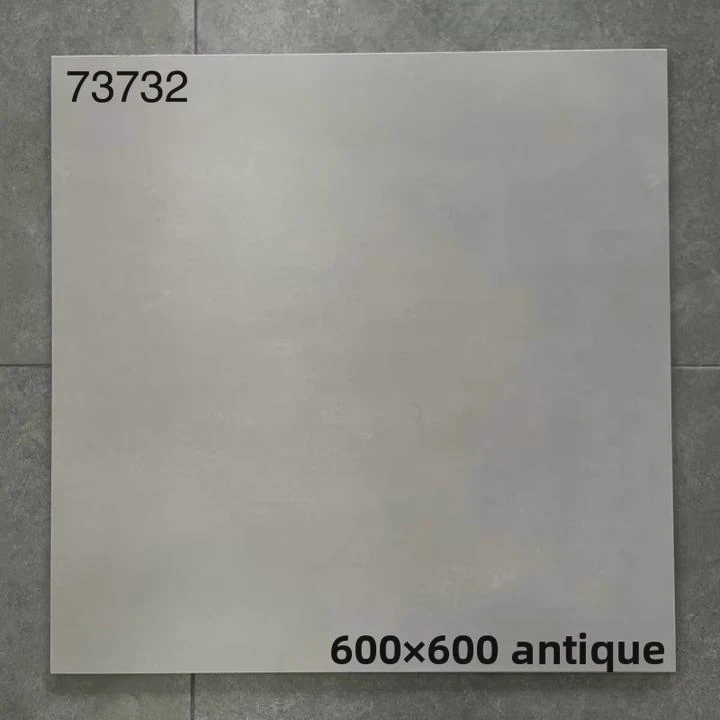
Direct bonding is one of the biggest advantages of fireplace remodeling. It saves labor, reduces demolition waste, and shortens project timelines.
Why Brick Is a Good Substrate
Brick is naturally porous.
This porosity helps adhesive penetrate the surface and create mechanical bonding.
A stable brick fireplace often provides an excellent foundation for tile installation.
Choosing the Right Adhesive
Not all adhesives perform equally around fireplaces.
The most common options include:
| Adhesive Type | Suitable for Fireplace Use | Notes |
|---|---|---|
| Cement-based thin-set | Yes | Most common choice |
| Polymer-modified thin-set | Yes | Improved flexibility and strength |
| Organic mastic | Usually No | Limited heat resistance |
| Epoxy adhesive | Sometimes | High performance but higher cost |
Most professionals prefer polymer-modified thin-set mortar for fireplace applications.
Surface Conditions Affect Bond Strength
Even the best adhesive cannot compensate for a poor substrate.
Bond strength depends on:
- Cleanliness
- Structural stability
- Surface roughness
- Moisture condition
- Proper curing
When brick is painted, additional preparation may be required.
What About Painted Brick?
Paint creates a barrier between the adhesive and the masonry.
Several solutions exist:
Remove the Paint
Mechanical grinding creates direct contact with the brick surface.
Install a Backer Layer
Some installers attach cement boards over painted brick.
Use Specialty Primers
Certain bonding primers improve adhesion on difficult surfaces.
The best approach depends on the paint condition and project requirements.
Importance of Proper Mortar Coverage
Adhesive should cover the entire tile back whenever possible.
Poor coverage can create:
- Hollow spots
- Weak bonding
- Tile cracking
- Premature failure
Large-format tiles require special attention because voids behind the tile become more problematic.
Curing Time Matters
Many installation issues occur because surfaces are disturbed too early.
Adhesive requires adequate curing before:
- Grouting
- Sealing
- Fireplace use
Manufacturer instructions should always guide curing schedules.
When preparation and material selection are correct, direct bonding to brick provides excellent long-term performance.
Which Tile Types Work Best for Fireplace Coverings?
Choosing the right tile affects appearance, durability, maintenance requirements, and installation complexity.
Porcelain, ceramic, natural stone, and large-format tiles are among the best options for fireplace coverings. The ideal choice depends on design goals, heat exposure, maintenance preferences, and overall room style.
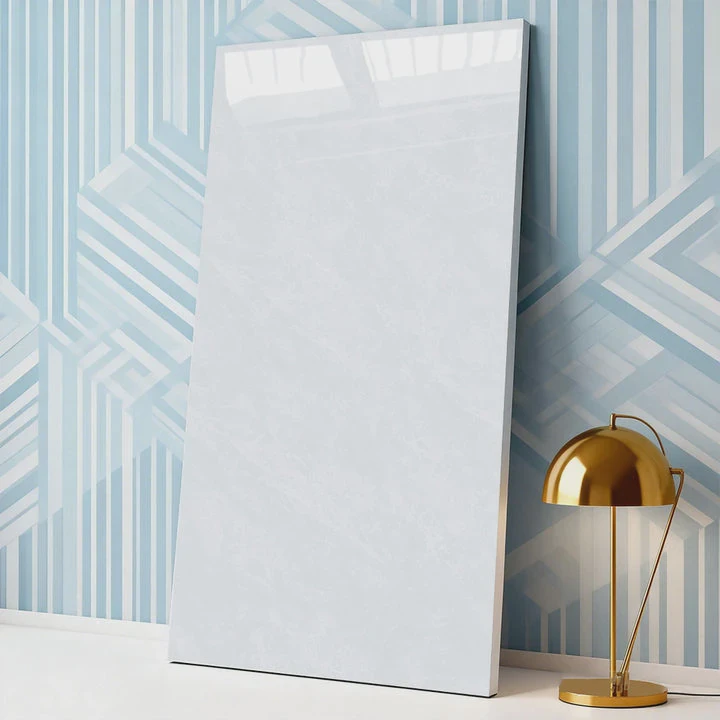
A fireplace often serves as the visual centerpiece of a room. Tile selection should balance aesthetics and performance.
Porcelain Tiles
Porcelain remains one of the most popular choices.
Benefits include:
- Low water absorption
- Excellent durability
- Easy cleaning
- Wide design variety
- Strong resistance to stains
Modern porcelain can realistically imitate:
- Marble
- Concrete
- Wood
- Travertine
- Slate
Many homeowners choose large-format porcelain panels to create a seamless appearance.
Ceramic Tiles
Ceramic tiles are often more budget-friendly.
Advantages include:
- Lower cost
- Broad style selection
- Easy installation
- Consistent appearance
For decorative fireplace surrounds, ceramic remains a reliable option.
Natural Stone Tiles
Natural stone creates a premium appearance.
Popular choices include:
- Marble
- Travertine
- Slate
- Limestone
- Quartzite
Each stone offers unique color variation and texture.
Comparison of Popular Fireplace Tile Options
| Tile Type | Durability | Maintenance | Design Variety |
|---|---|---|---|
| Porcelain | High | Low | Very High |
| Ceramic | Medium-High | Low | High |
| Marble | High | Medium-High | Medium |
| Slate | High | Medium | Medium |
| Travertine | Medium | Medium-High | Medium |
Large-Format Tiles
Large tiles have become increasingly popular in modern interior design.
Benefits include:
- Fewer grout joints
- Cleaner appearance
- Easier maintenance
- Contemporary style
Large-format porcelain slabs are often selected for luxury fireplace renovations.
Mosaic Tiles
Mosaics can add texture and artistic detail.
They work especially well for:
- Accent borders
- Decorative inserts
- Contemporary feature walls
However, they require more grout lines and additional maintenance.
Heat Resistance Considerations
Most quality ceramic and porcelain tiles handle fireplace temperatures without difficulty.
The concern is usually not the tile itself but:
- Adhesive selection
- Grout performance
- Expansion movement
Materials should always be compatible with the fireplace environment.
Matching Tile Style to Interior Design
Different styles create different visual effects.
Modern Interiors
- Large-format porcelain
- Concrete-look surfaces
- Minimal grout lines
Traditional Interiors
- Travertine
- Marble
- Decorative ceramics
Rustic Interiors
- Slate
- Stone-look porcelain
- Textured surfaces
The best tile choice supports the overall design language of the room rather than competing with it.
Is Sealing Required After Tiling a Fireplace?
Many people assume every tiled fireplace must be sealed. In reality, the answer depends on the tile material and grout type.
Sealing is often recommended for natural stone and certain grout types, but many porcelain and ceramic tiles do not require sealing. The need for sealing depends on porosity, stain resistance, and long-term maintenance goals.
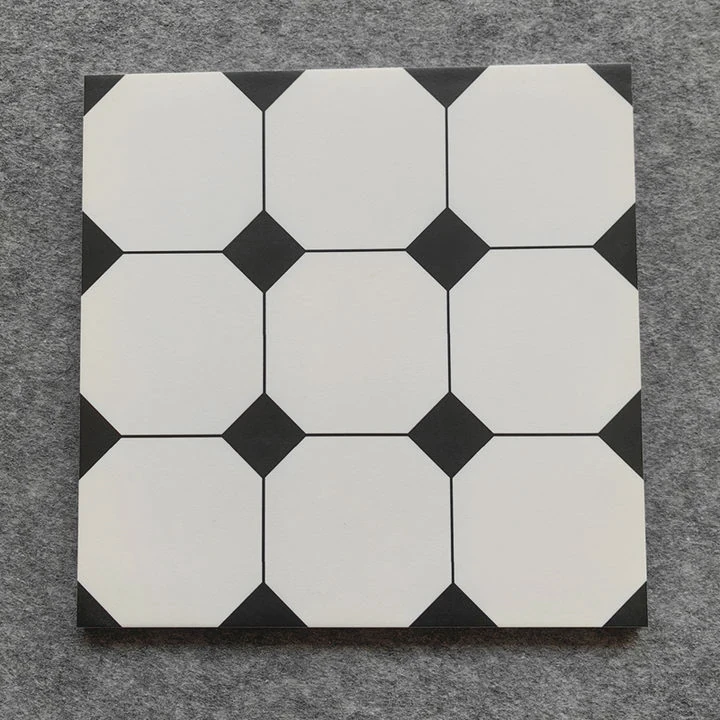
Sealing acts as a protective barrier. It helps reduce staining and simplifies cleaning. However, unnecessary sealing can increase project costs without providing additional benefits.
When Sealing Is Necessary
Natural stone typically benefits from sealing because it contains microscopic pores.
Examples include:
- Marble
- Travertine
- Limestone
- Slate
These materials can absorb:
- Smoke residue
- Dust
- Oils
- Household contaminants
Sealing reduces absorption and makes routine maintenance easier.
When Sealing Is Usually Not Required
Porcelain tiles are naturally dense.
Most porcelain products do not require sealing because they already resist moisture and staining.
Many glazed ceramic tiles also fall into this category.
Grout Often Needs Protection
Even if tiles do not need sealing, grout may still benefit from protection.
Grout is generally more porous than tile surfaces.
Sealing grout helps:
- Prevent discoloration
- Reduce staining
- Improve cleaning
- Extend service life
Types of Sealers
Two main categories are commonly used.
Penetrating Sealers
These penetrate below the surface.
Benefits include:
- Natural appearance
- Good stain protection
- Long-term durability
Surface Sealers
These create a visible coating.
Benefits include:
- Enhanced appearance
- Additional protection
Potential drawbacks include peeling over time.
Maintenance Expectations
Sealers do not last forever.
Factors affecting lifespan include:
- Fireplace usage
- Cleaning frequency
- Product quality
- Environmental conditions
Periodic reapplication may be necessary.
Testing Before Sealing
A simple water drop test can indicate porosity.
If water darkens the surface quickly, sealing may be beneficial.
If water remains on the surface without absorption, sealing may not be necessary.
Long-Term Value of Sealing
For natural stone installations, sealing often represents a small investment that protects a much larger investment in materials and labor.
For porcelain fireplaces, maintenance can remain minimal even without sealers.
The best approach is always based on the specific tile and grout system rather than assuming every fireplace requires identical treatment.
Conclusion
Tiling over a brick fireplace is a practical way to modernize a room without removing existing masonry. Proper preparation, reliable adhesive selection, suitable tile materials, and appropriate sealing practices all contribute to a durable and attractive fireplace transformation.