Can Tile Be Painted?
- Sinotiles
- 2026-05-27
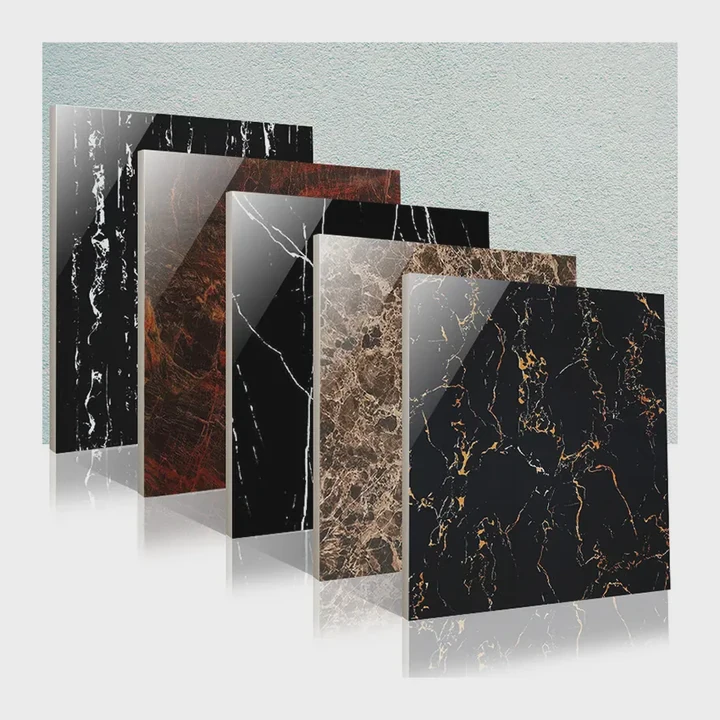
Old tiles can make a space look outdated. Replacing them costs time, labor, and money, especially in bathrooms and kitchens.
Yes, tiles can be painted when the correct surface preparation, primer, and paint are used. Proper cleaning, sanding, and sealing help create a durable painted tile finish.
Painting tile is often a faster and more affordable way to refresh a room. Many homeowners, contractors, and property managers use this method to improve spaces without full renovation work.
What Types of Paint Work on Tile Surfaces?
Many people use regular wall paint on tiles. This usually leads to peeling, cracking, or poor durability after a short time.
Epoxy paint, acrylic latex paint, and enamel paint are the most common options for tile surfaces. These paints provide stronger adhesion and better moisture resistance than standard wall paint.
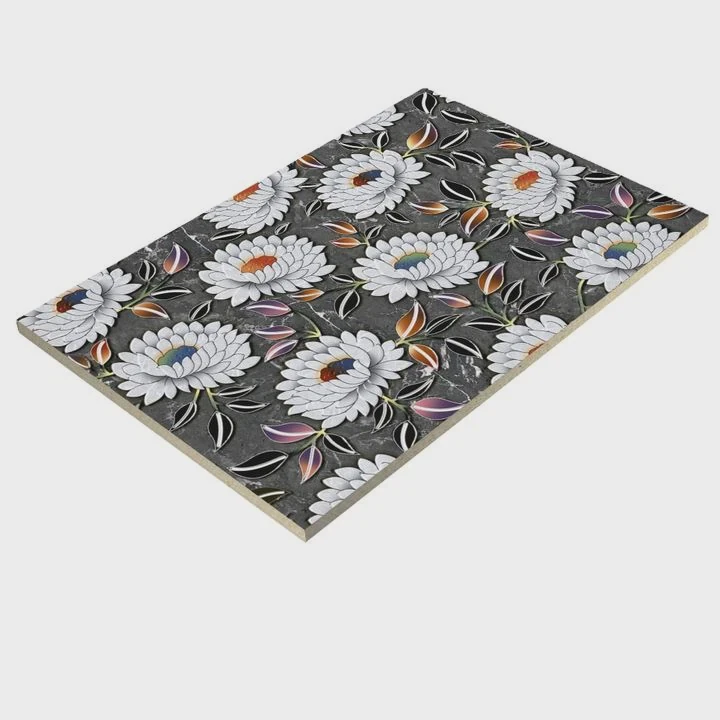
Tile surfaces are smooth and non-porous. Because of this, ordinary paint struggles to stick properly. The right paint type helps create a stronger and longer-lasting finish.
Epoxy Paint for High Durability
Epoxy paint is one of the strongest choices for tile painting.
It offers:
- Strong adhesion
- Water resistance
- Chemical resistance
- High durability
This paint works well in:
- Bathrooms
- Shower walls
- Kitchen backsplashes
- Laundry rooms
Epoxy coatings create a hard protective layer over the tile surface.
However, epoxy paint often requires careful mixing and proper ventilation during application.
Acrylic Latex Paint for Simpler Projects
Acrylic latex paint is easier to apply than epoxy products.
Advantages include:
- Faster drying time
- Easier cleanup
- Lower odor
- Simple application
This option works better for:
- Low-moisture walls
- Decorative tile areas
- Light-use spaces
Still, acrylic paint usually needs a strong bonding primer underneath.
Enamel Paint for Smooth Finishes
Enamel paint creates a harder surface compared to regular wall paint.
It provides:
- Better stain resistance
- Smooth appearance
- Easier cleaning
- Improved moisture protection
Many painters use enamel paint in kitchens and bathrooms because of its durable finish.
Spray Paint for Small Tile Projects
Some people use spray paint on small tile areas.
This method works best for:
- Decorative borders
- Small backsplashes
- Accent tiles
Still, spray paint may not provide the same durability as brush or roller applications.
Different Tile Materials Need Different Paints
Not all tiles react the same way to paint.
| Tile Type | Recommended Paint |
|---|---|
| Ceramic tile | Epoxy or enamel |
| Porcelain tile | Epoxy paint |
| Glass tile | Specialty bonding paint |
| Quarry tile | Masonry-compatible paint |
| Mosaic tile | Epoxy paint |
Porcelain tiles are denser than ceramic tiles. Because of this, they often require stronger primers and better surface preparation.
Moisture Exposure Matters
Wet areas require stronger coatings.
High-moisture spaces include:
- Shower walls
- Bathroom floors
- Steam rooms
- Laundry areas
These spaces usually perform better with epoxy systems because of their water resistance.
Paint Quality Affects Long-Term Results
Low-cost paint products may save money at first. Still, they often fail earlier under moisture and daily use.
Professional contractors usually prefer high-quality coatings for:
- Better adhesion
- Longer durability
- Easier maintenance
- Improved appearance
This becomes especially important in commercial projects and rental properties.
How Can Primer Improve Paint Adhesion on Tiles?
Many tile painting failures happen because primer is skipped. Paint alone often cannot bond properly to glossy tile surfaces.
Primer improves paint adhesion by creating a bonding layer between the smooth tile surface and the paint coating. It helps reduce peeling, cracking, and moisture damage.
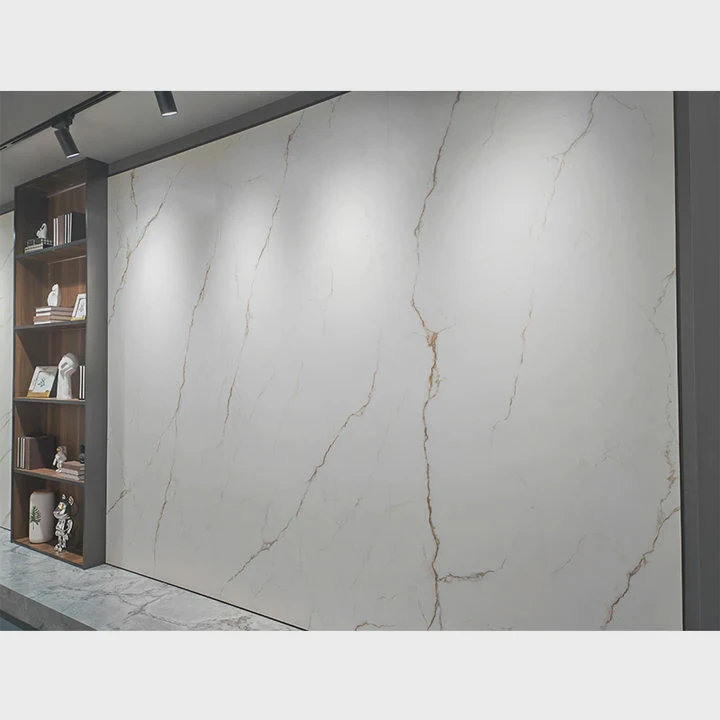
Tiles naturally resist moisture and stains. This same property also makes paint adhesion difficult. Primer solves this problem by helping paint grip the surface more effectively.
Why Tile Surfaces Need Primer
Most tiles have:
- Glossy finishes
- Dense surfaces
- Low absorption
Without primer, paint may:
- Peel quickly
- Bubble under moisture
- Scratch easily
- Wear unevenly
Primer creates a rougher bonding layer that helps paint stay attached longer.
Bonding Primers Work Best
Standard wall primers usually do not perform well on tile.
Bonding primers are designed for:
- Smooth surfaces
- Dense materials
- Glossy finishes
These primers improve adhesion on:
- Ceramic tile
- Porcelain tile
- Glass surfaces
- Laminates
Many professional painters use epoxy-based or urethane bonding primers for wet environments.
Sanding Helps Primer Work Better
Primer performs better when the tile surface is lightly sanded first.
Sanding helps:
- Remove surface gloss
- Improve texture
- Increase bonding strength
Fine-grit sandpaper is usually enough for this step.
Primer Reduces Moisture Problems
Bathrooms and kitchens face constant humidity exposure.
Without proper primer:
- Moisture may enter beneath the paint
- Bubbling may occur
- Paint may loosen over time
A strong primer layer helps block moisture penetration.
Primer Improves Finish Appearance
Primer also helps create:
- More even color
- Better paint coverage
- Smoother finish
- Reduced patchiness
This becomes very important when painting dark-colored tiles with lighter paint shades.
Different Primers for Different Projects
| Project Area | Recommended Primer |
|---|---|
| Bathroom walls | Bonding primer |
| Shower tile | Epoxy primer |
| Kitchen backsplash | Adhesion primer |
| Floor tile | Heavy-duty bonding primer |
High-traffic areas often require stronger primer systems.
Professional Painters Rarely Skip Primer
Experienced painters understand that primer is one of the most important steps in tile painting.
Skipping primer may seem faster, but it often causes:
- Early coating failure
- Expensive repairs
- Uneven appearance
- Customer complaints
Good preparation usually creates longer-lasting results.
Why Proper Preparation Is Essential Before Painting?
Many painted tile failures happen because surfaces were not cleaned or prepared correctly before painting.
Proper preparation removes grease, soap residue, moisture, and surface gloss. This helps primer and paint bond more securely to tile surfaces for better durability.
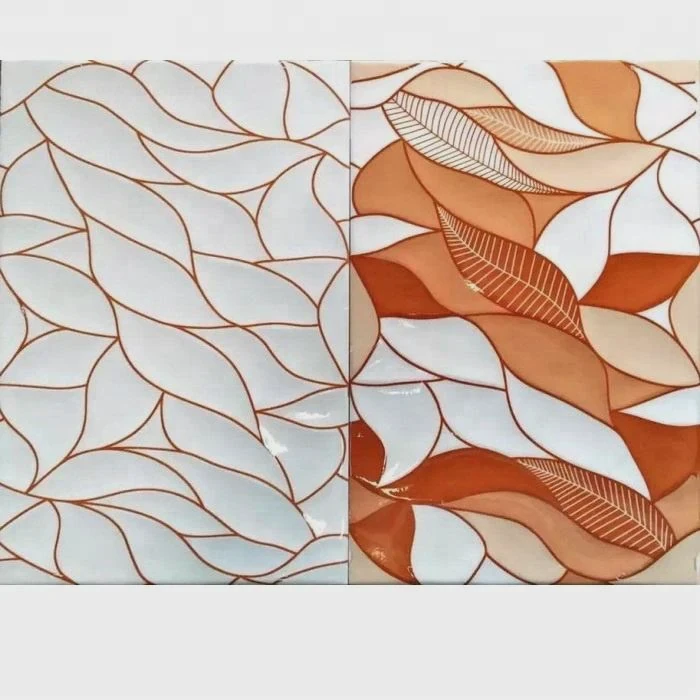
Preparation is often the most important part of any tile painting project. Even expensive paint products may fail if the surface is dirty or glossy.
Cleaning Removes Hidden Contamination
Tiles often collect:
- Soap residue
- Grease
- Body oils
- Mold
- Dust
These contaminants prevent proper paint adhesion.
Bathrooms and kitchens usually require deep cleaning before painting begins.
Degreasers Improve Surface Condition
Professional painters often use degreasers or heavy-duty cleaners.
These products help remove:
- Cooking oils
- Soap film
- Silicone residue
- Wax coatings
After cleaning, the surface must dry completely.
Sanding Creates Better Adhesion
Glossy tiles are difficult for paint to grip.
Light sanding helps:
- Remove shine
- Increase surface texture
- Improve primer bonding
This step becomes very important for porcelain and glass tiles.
Repair Damaged Areas First
Before painting, damaged sections should be repaired.
Common repairs include:
- Cracked grout
- Loose tiles
- Chipped edges
- Water damage
Painting over damaged areas usually creates poor long-term results.
Moisture Problems Must Be Fixed
Painting over hidden moisture issues often leads to peeling later.
Problem signs include:
- Mold growth
- Soft grout
- Damp walls
- Water stains
These issues should be repaired before painting starts.
Proper Preparation Extends Coating Life
Good preparation improves:
- Paint durability
- Water resistance
- Surface smoothness
- Scratch resistance
This becomes especially important in high-use bathrooms and rental properties.
Preparation Takes Time but Saves Money
Many people rush through preparation to save time. This often creates larger repair costs later.
| Poor Preparation Result | Possible Problem |
|---|---|
| Dirty surface | Peeling paint |
| No sanding | Weak adhesion |
| Moisture trapped | Bubbling |
| Damaged grout | Uneven finish |
Professional painters usually spend more time preparing than painting itself.
Which Steps Ensure Durable Painted Tile Finishes?
Some painted tiles look good for only a few months. Others remain durable for years because the correct process was followed.
Durable painted tile finishes require cleaning, sanding, priming, careful paint application, proper drying time, and protective sealing in moisture-prone areas.
Long-lasting tile finishes depend on the complete process, not only the paint itself. Each step helps improve durability and appearance.
Step 1: Deep Clean the Surface
Start by removing:
- Dirt
- Soap residue
- Oil
- Mold
- Dust
Use heavy-duty cleaners if needed.
After cleaning:
- Rinse thoroughly
- Let the surface dry completely
Moisture trapped under paint can create peeling later.
Step 2: Sand the Tile Surface
Light sanding helps improve adhesion.
This step:
- Removes gloss
- Creates texture
- Helps primer bond better
Fine-grit sandpaper usually works well for ceramic and porcelain tiles.
Step 3: Apply Bonding Primer
Primer creates the base layer for paint adhesion.
Apply:
- Thin, even coats
- Full tile coverage
- Proper drying time
Many professionals prefer epoxy-compatible primers in wet areas.
Step 4: Apply Multiple Thin Paint Coats
Thick paint layers often dry unevenly.
Thin coats help:
- Improve smoothness
- Reduce drips
- Increase durability
Most projects require:
- Two to three coats
Proper drying time between coats is very important.
Step 5: Allow Full Curing Time
Dry paint is not fully cured paint.
Many coatings need:
- Several days for light use
- Up to one week for full curing
Heavy moisture exposure too early may damage the finish.
Step 6: Apply Protective Sealer if Needed
Some projects benefit from clear sealers.
Sealers improve:
- Moisture resistance
- Scratch resistance
- Surface durability
This is especially useful for:
- Shower walls
- Bathroom floors
- Kitchen backsplashes
Common Mistakes That Reduce Durability
| Mistake | Result |
|---|---|
| Skipping primer | Paint peeling |
| Thick paint coats | Cracking |
| Poor cleaning | Weak adhesion |
| No curing time | Early wear |
| Painting over moisture | Bubbling |
Avoiding these mistakes helps improve coating lifespan.
Painted Tiles Work Best in Certain Areas
Painted tile performs best on:
- Bathroom walls
- Kitchen walls
- Decorative backsplashes
- Low-traffic surfaces
Heavy floor traffic and constant water exposure may reduce long-term durability over time.
Professional installers often recommend full tile replacement for severely damaged or high-use surfaces.
Conclusion
Tiles can be painted successfully when proper preparation, primer, and paint systems are used. Careful cleaning, sanding, and curing help create durable finishes that improve appearance while reducing renovation costs in bathrooms, kitchens, and other interior spaces.