How to Clean Cement Tile?
- Sinotiles
- 2026-05-26
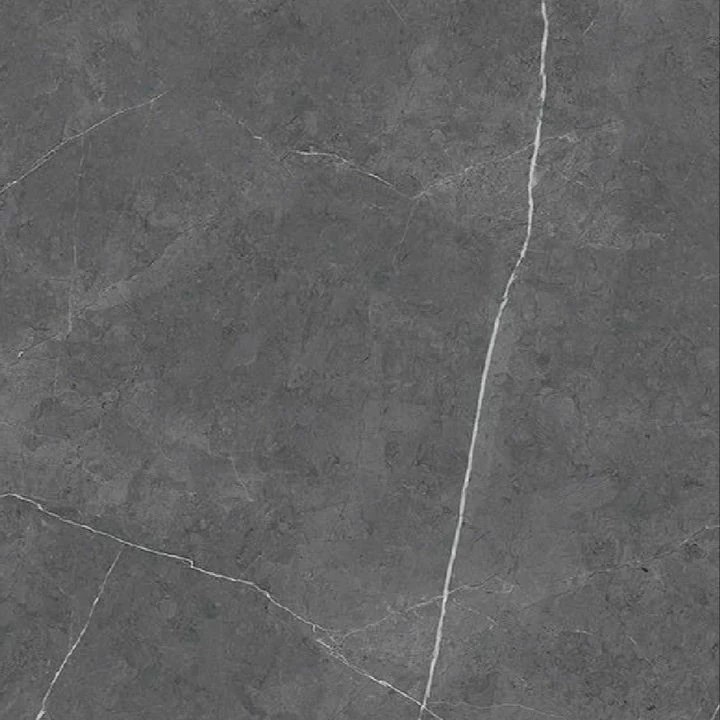
Many cement tile owners damage their floors without knowing it. Harsh chemicals, wrong cleaning tools, and poor maintenance habits slowly ruin the tile surface and reduce its lifespan.
The best way to clean cement tile is to use pH-neutral cleaners, soft cleaning tools, regular sealing, and gentle maintenance routines that protect the tile surface without causing stains or surface erosion.
Cement tiles are beautiful and durable, but they need proper care. Unlike porcelain or glazed ceramic tiles, cement tiles are porous. That means they absorb water, dirt, oils, and chemicals more easily. A simple mistake during cleaning can leave permanent marks. Good maintenance keeps the surface clean, rich in color, and strong for many years.
What Cleaners Are Safe for Cement Tiles?
Many people assume all tile cleaners work the same way. That mistake often causes fading, dullness, or permanent surface damage on cement tiles. Some cleaners remove more than dirt. They also strip away the protective sealant layer.
Safe cleaners for cement tiles include pH-neutral soaps, mild stone cleaners, diluted gentle detergents, and specially formulated cement tile cleaners that protect the porous surface without causing erosion or discoloration.
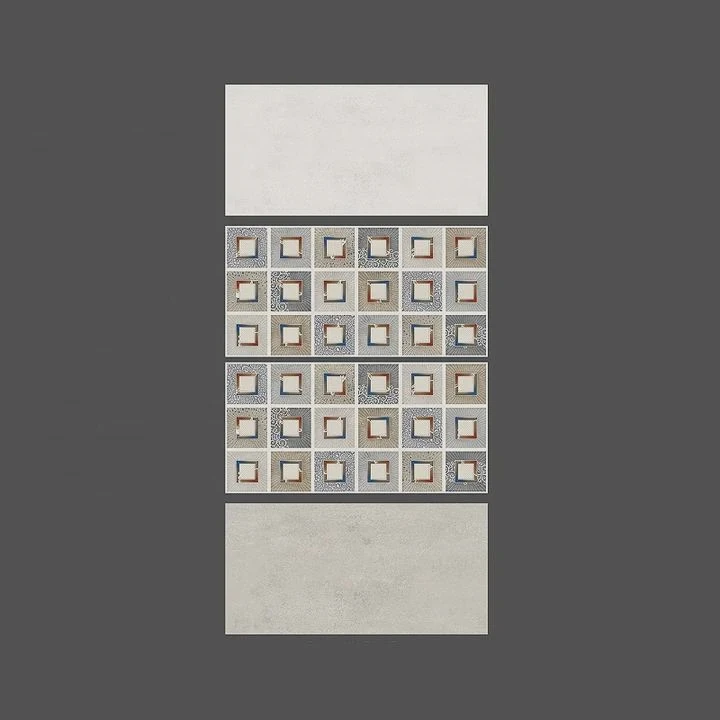
Choosing the right cleaner is one of the most important parts of cement tile care. Since cement tiles absorb liquids easily, strong chemicals can quickly penetrate the surface.
Recommended Cleaner Types
Different cleaning situations require different products. Daily maintenance does not need heavy chemicals.
| Cleaner Type | Safe for Cement Tile | Best Use |
|---|---|---|
| pH-Neutral Cleaner | Yes | Daily cleaning |
| Mild Dish Soap | Yes | Light dirt removal |
| Stone Floor Cleaner | Yes | Deep maintenance |
| Bleach | No | Avoid |
| Acidic Cleaner | No | Avoid |
| Vinegar Solution | No | Avoid |
Why pH-Neutral Cleaners Work Best
pH-neutral products clean gently without attacking the cement surface. They remove dust, oils, and light stains while keeping the tile finish stable.
Many professional installers recommend pH-neutral cleaners because they:
- Protect sealants
- Prevent fading
- Reduce surface wear
- Keep colors vibrant
- Lower long-term damage risks
Mild Soap and Water
Simple cleaning methods often work best. Warm water with a small amount of mild soap can safely remove daily dirt buildup.
Good practice includes:
- Using soft microfiber mops
- Changing dirty water often
- Drying excess moisture quickly
- Avoiding soaking the floor
Too much water can enter unsealed cement surfaces and create stains.
Specialized Cement Tile Cleaners
Some manufacturers produce cleaners specifically designed for encaustic and cement tiles. These products help preserve color depth and reduce residue buildup.
These cleaners often include:
- Gentle degreasers
- Low-residue formulas
- Sealant-safe ingredients
- Mineral-friendly compounds
For commercial projects, these products often provide better long-term protection.
Cleaning Tools Matter Too
The wrong cleaning tools can damage the tile even if the cleaner itself is safe.
Avoid:
- Steel wool
- Hard brushes
- Abrasive pads
- Rough scouring tools
Instead, use:
- Soft cloths
- Microfiber mops
- Soft-bristle brushes
- Non-abrasive sponges
Common Cleaning Mistakes
Many property owners accidentally shorten the life of their cement tiles through aggressive cleaning habits.
Common mistakes include:
- Using bleach regularly
- Applying vinegar solutions
- Letting dirty water dry on the floor
- Scrubbing with abrasive pads
- Skipping sealant maintenance
These problems usually appear slowly over time.
Safe Spot Cleaning Methods
Small stains should be treated carefully.
For food or drink spills:
- Blot immediately
- Use mild soap
- Rinse gently
- Dry the area fully
Fast cleaning reduces stain absorption into the porous tile body.
How Can Sealing Protect Cement Tile Surfaces?
Many cement tile problems begin after the protective sealant wears away. Without proper sealing, dirt, moisture, oils, and stains can penetrate deep into the tile surface.
Sealing protects cement tile surfaces by creating a barrier against water, stains, oils, and dirt while helping preserve color, durability, and long-term surface appearance.
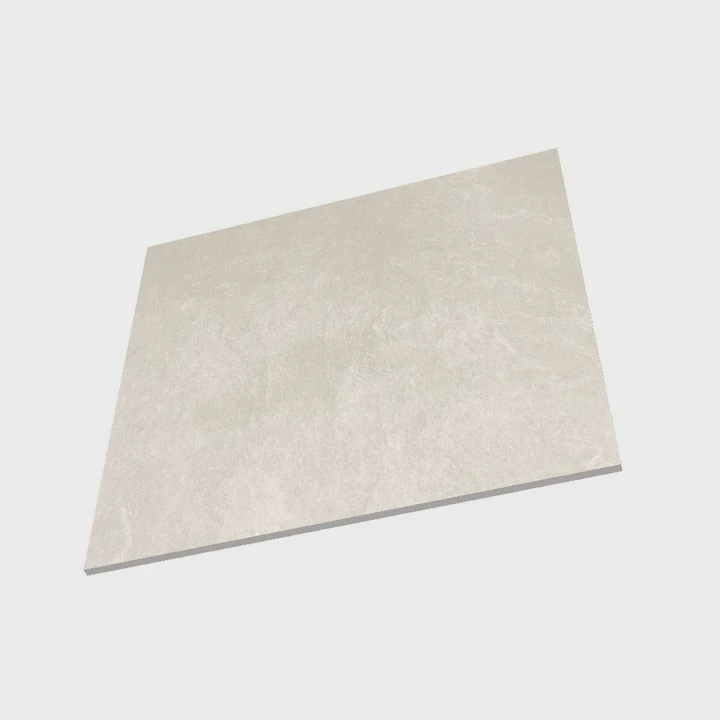
Cement tiles naturally absorb liquids because of their porous structure. Sealers reduce that absorption and make regular cleaning easier.
Why Cement Tiles Need Sealing
Unlike glazed ceramic tiles, cement tiles do not have a baked protective glass layer. Their surface remains more open and absorbent.
Without sealing, common spills may cause:
- Permanent staining
- Moisture penetration
- Mold growth
- Surface discoloration
- Faster wear
Proper sealing helps reduce these risks.
Main Types of Cement Tile Sealers
Different sealers offer different levels of protection and appearance.
| Sealer Type | Appearance | Main Benefit |
|---|---|---|
| Penetrating Sealer | Natural finish | Deep protection |
| Topical Sealer | Glossy finish | Surface barrier |
| Enhancing Sealer | Richer colors | Decorative enhancement |
| Matte Sealer | Low sheen | Natural appearance |
Penetrating Sealers
Penetrating sealers enter the tile pores and create protection below the surface. Many homeowners prefer this option because it keeps the natural look of the tile.
Advantages include:
- Natural appearance
- Less surface buildup
- Lower peeling risk
- Good moisture resistance
This type works well in kitchens and living areas.
Topical Sealers
Topical sealers create a visible coating above the tile surface. These sealers can increase shine and strengthen stain resistance.
They are often used in:
- Commercial spaces
- Restaurants
- High-traffic areas
- Decorative interiors
Still, they may require more maintenance over time.
How Often Should Cement Tiles Be Sealed?
Sealing schedules depend on usage and traffic levels.
Typical recommendations include:
- Residential floors: every 2-3 years
- Commercial floors: every 1-2 years
- Wet areas: more frequent inspection
Heavy traffic slowly wears down the protective layer.
Signs the Sealer Is Wearing Off
Many people wait too long before resealing.
Warning signs include:
- Water absorbs quickly
- Surface looks dull
- Stains appear more easily
- Tile darkens after spills
Simple water-drop testing can help identify weak protection.
Sealing Application Tips
Correct application matters just as much as product quality.
Basic sealing steps include:
- Clean the tile thoroughly
- Allow full drying
- Apply thin, even coats
- Remove excess product
- Let curing complete fully
Poor sealing application may create uneven finishes or sticky surfaces.
Long-Term Protection Benefits
Well-maintained sealers help cement tiles stay attractive for many years.
Good sealing can:
- Simplify cleaning
- Reduce repair costs
- Preserve color richness
- Improve stain resistance
- Extend floor lifespan
For many property owners, sealing becomes one of the most valuable maintenance investments.
Why Avoid Acidic Cleaners on Cement Tiles?
Many popular household cleaners contain acidic ingredients. While these products may clean quickly, they can permanently damage cement tile surfaces.
Acidic cleaners should be avoided on cement tiles because they react with the cement material, causing surface erosion, fading, dullness, staining, and gradual structural damage.
Cement tiles contain natural cement compounds that react poorly with acid-based products. Even weak acidic cleaners can slowly break down the surface.
How Acid Damages Cement Tiles
Acid reacts chemically with calcium compounds inside cement. This reaction weakens the tile surface and removes protective layers.
Over time, acid exposure can cause:
- Surface etching
- Color fading
- Rough texture
- Sealant breakdown
- Permanent dullness
The damage often becomes worse with repeated cleaning.
Common Acidic Cleaners to Avoid
Many homeowners unknowingly use harmful products during routine cleaning.
| Cleaner | Acid Content | Risk Level |
|---|---|---|
| Vinegar | Acetic acid | High |
| Lemon cleaner | Citric acid | High |
| Bathroom descaler | Strong acids | Very High |
| Bleach mix cleaners | Reactive chemicals | High |
| pH-neutral cleaner | No harmful acid | Safe |
Vinegar Is Not Safe for Cement Tile
Many online cleaning guides recommend vinegar for natural cleaning. That advice works poorly for cement surfaces.
Vinegar can:
- Strip sealants
- Fade colors
- Create etching marks
- Increase porosity
Short-term cleaning may look effective, but long-term damage develops slowly.
Acid Damage Can Be Permanent
Unlike dirt buildup, acid damage often cannot be reversed completely.
In severe cases, restoration may require:
- Surface refinishing
- Professional polishing
- Tile replacement
- Full resealing
Repair costs can become expensive.
Sealants Also Suffer From Acid
Even high-quality sealers weaken under repeated acidic exposure.
Acid can:
- Break protective coatings
- Reduce water resistance
- Increase stain absorption
- Shorten sealer lifespan
This creates a cycle of faster deterioration.
Safer Alternatives
Fortunately, safer cleaning options work well for cement tiles.
Recommended alternatives include:
- pH-neutral cleaners
- Stone-safe soaps
- Mild detergent solutions
- Warm water cleaning
Gentle maintenance usually produces better long-term results.
Commercial Cleaning Risks
Some janitorial services use strong industrial cleaners without checking tile material types first.
Building owners should always confirm:
- Cleaner pH level
- Cement tile compatibility
- Sealer safety
- Surface testing procedures
This is especially important in hotels, restaurants, and retail projects.
Which Routines Maintain Cement Tile Appearance?
Many beautiful cement tile floors lose their appearance because owners only focus on deep cleaning. Daily habits matter more than occasional heavy cleaning.
The best routines for maintaining cement tile appearance include regular dust removal, immediate spill cleanup, periodic resealing, gentle washing, moisture control, and avoiding abrasive cleaning methods.
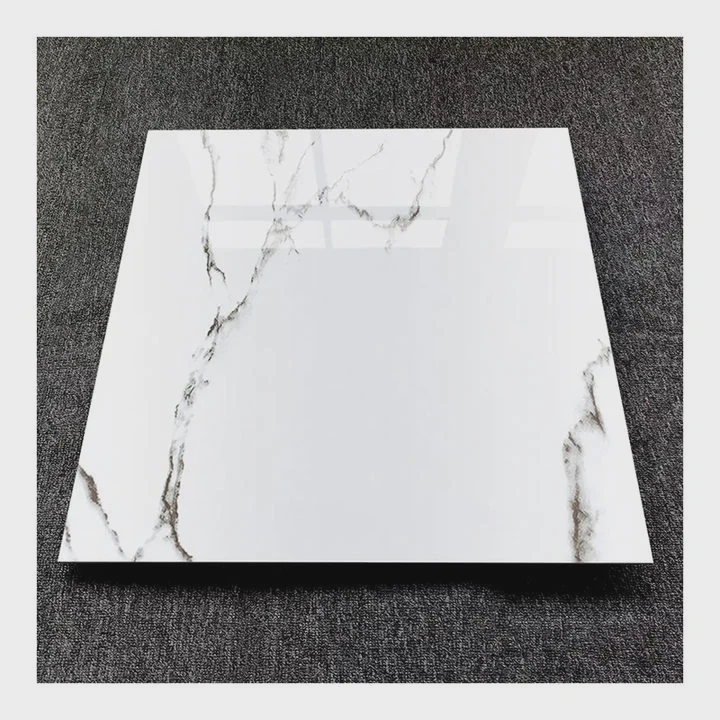
Cement tiles age well when maintenance stays consistent. Small daily actions often prevent larger problems later.
Daily Maintenance Habits
Dust and grit act like sandpaper on cement tile surfaces. Regular sweeping helps reduce wear.
Daily routines should include:
- Sweeping dust regularly
- Using soft microfiber mops
- Removing spills quickly
- Keeping floors dry
This simple care protects both the tile and the sealant.
Weekly Cleaning Routine
A weekly cleaning schedule helps remove oils and deeper dirt buildup.
A basic process may include:
- Dry sweep first
- Mop with pH-neutral cleaner
- Use clean water for rinsing
- Dry excess moisture
Dirty mop water should never stay on the floor too long.
Entryway Protection
Outdoor dirt creates heavy wear on cement tiles.
Protective measures include:
- Entry mats
- Shoe removal policies
- Dirt-trapping rugs
- Regular vacuuming
Commercial buildings often use larger walk-off mat systems to reduce grit damage.
Furniture Protection
Heavy furniture can scratch or stain cement tile surfaces.
Good protection methods include:
- Felt pads under chairs
- Soft furniture glides
- Avoiding metal scraping
- Lifting instead of dragging furniture
These small steps reduce surface wear significantly.
Moisture Control
Cement tiles absorb moisture more easily than many other flooring materials.
Moisture problems can lead to:
- Staining
- Mold growth
- Efflorescence
- Sealant breakdown
Bathrooms, kitchens, and outdoor areas need extra attention.
Long-Term Maintenance Planning
Long-lasting cement tile floors usually follow a planned maintenance schedule.
| Maintenance Task | Recommended Frequency |
|---|---|
| Dust sweeping | Daily |
| Wet cleaning | Weekly |
| Sealant inspection | Every 6 months |
| Resealing | Every 1-3 years |
| Deep inspection | Yearly |
Avoiding Abrasive Wear
Some floor damage comes from normal foot traffic over time.
Reducing wear includes:
- Using soft shoes indoors
- Protecting high-traffic areas
- Cleaning dirt quickly
- Rotating rugs periodically
Simple prevention usually costs far less than restoration.
Why Consistency Matters
Many cement tile problems develop slowly. Stains, fading, and wear often appear after years of poor maintenance.
Consistent care helps preserve:
- Tile color
- Surface smoothness
- Sealer performance
- Overall floor appearance
Well-maintained cement tiles can remain beautiful for decades.
Conclusion
Cement tiles stay beautiful when cleaned gently and maintained consistently. Safe cleaners, proper sealing, avoiding acidic products, and simple daily routines all help protect the surface and extend the life of the tile for many years.