Can wall tile be used as floor tile?
- Sinotiles
- 2026-08-08
Choosing the wrong tile can create expensive problems. Many buyers focus on color and style but ignore strength, safety, and long-term use.
Wall tile usually cannot replace floor tile because it is made for vertical surfaces and lighter pressure. Floor tile has higher strength, better wear resistance, and better safety performance for walking areas.
When selecting tiles for a project, I always look beyond appearance. A beautiful tile can still fail if it cannot handle daily use. Understanding the differences between wall and floor tiles helps buyers make better decisions and avoid future repairs.
What differences exist between wall and floor tiles?
Wall tiles and floor tiles may look similar, but they are designed for different jobs. The main differences come from their structure, strength, surface treatment, and installation purpose. A wall only supports the weight of the tile itself, while a floor must support people, furniture, and daily movement.
Wall tiles are usually lighter and thinner. Their body structure allows easy installation on vertical surfaces. This design helps reduce the load on walls and makes installation faster. However, this lighter structure also means wall tiles may not have enough strength for floor applications.
Floor tiles are produced with stronger materials and higher density. The manufacturing process creates a harder body that can resist pressure and impact. This is why floor tiles are commonly used in living rooms, kitchens, hotels, shopping areas, and other high-use spaces.
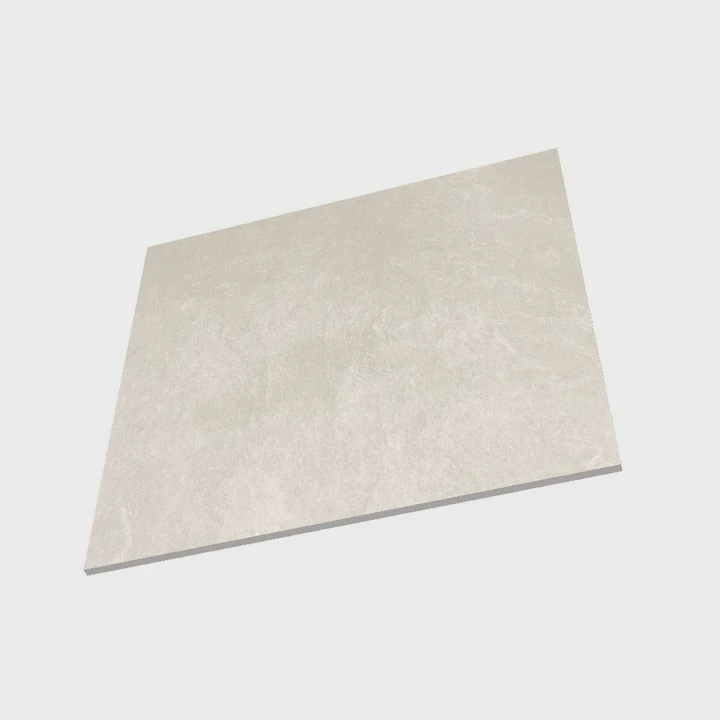
The table below shows the main differences:
| Feature | Wall Tile | Floor Tile |
|---|---|---|
| Main purpose | Vertical decoration | Horizontal walking surface |
| Body strength | Lower strength | Higher strength |
| Thickness | Usually thinner | Usually thicker |
| Weight | Lighter | Heavier |
| Wear resistance | Limited | Stronger |
| Slip resistance | Depends on design | Usually designed for walking safety |
| Pressure resistance | Lower | Higher |
The biggest difference is not only the surface design. The internal structure matters more. Many wall tiles have a softer body because they do not need to carry heavy loads. Floor tiles need a stronger body because they receive direct pressure every day.
How does tile production affect performance?
The production method directly influences tile quality. During manufacturing, floor tiles often receive higher pressure during pressing. This creates a denser tile body. A dense body usually provides better strength and lower water absorption.
Wall tiles often focus more on decoration. They can have detailed patterns, smooth surfaces, and lighter structures. These features are useful for walls because walls do not experience walking pressure.
A professional tile supplier must understand the final application before recommending products. A tile that works well in a bathroom wall may not work well in a commercial floor area. Matching the tile type with the location is one of the most important steps in a successful project.
Why should buyers check tile purpose before ordering?
Many international buyers choose tiles based on size, color, and price. These factors are important, but the application should come first. A low-cost tile can become expensive if it needs replacement after a short time.
For example, a hotel lobby needs strong floor tiles because thousands of people may walk across the surface. A bathroom wall only needs a decorative tile that can handle moisture. These two areas have different requirements.
My experience with tile projects shows that correct product selection saves money. Good planning helps buyers reduce maintenance costs and create safer spaces.
Why are floor tiles more durable than wall tiles?
Floor tiles are more durable because they are manufactured to resist pressure, impact, and continuous use. They usually have stronger materials, higher density, and better surface protection compared with wall tiles.
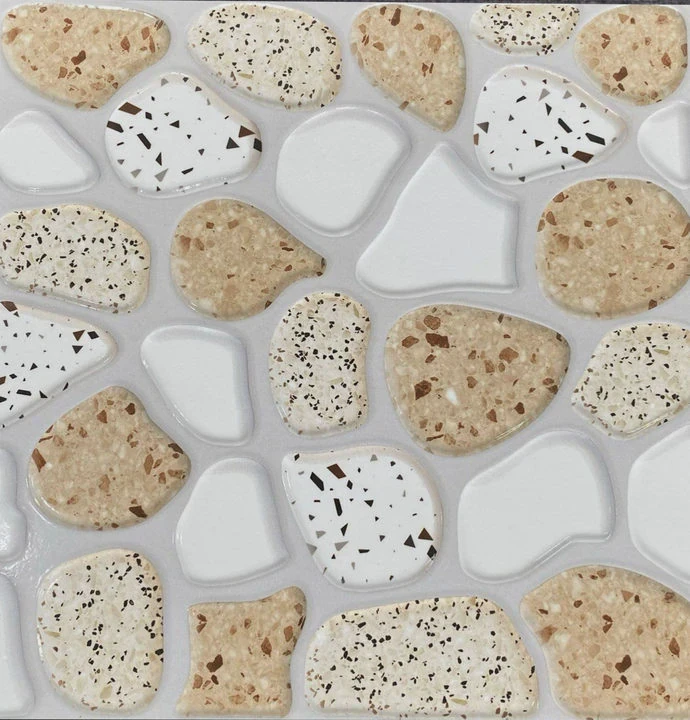
Durability is one of the most important factors in tile selection. Floors experience many types of stress every day. People walk on them, furniture moves across them, and objects may fall on them. Because of this, floor tiles must be prepared for constant challenges.
Floor tiles normally have a harder surface layer. This layer helps protect against scratches and wear. In busy places such as shopping centers, offices, and restaurants, this feature becomes very important because the floor must maintain its appearance for many years.
Wall tiles do not face the same conditions. A wall tile mainly needs to stay attached to the wall and provide a clean appearance. It does not need to resist repeated impact from shoes or furniture.
What makes floor tiles stronger?
Several technical factors improve floor tile durability:
| Factor | Effect on Durability |
|---|---|
| High density body | Improves strength and impact resistance |
| Low water absorption | Reduces moisture damage |
| Hard surface layer | Protects against scratches |
| Strong manufacturing pressure | Creates better structure |
| Suitable glaze technology | Improves long-term appearance |
A floor tile with good density can handle more pressure because its internal structure is stronger. This is especially important for large format tiles used in modern buildings.
Why does water absorption matter?
Water absorption is another important difference. Many floor tiles have lower water absorption rates. This means the tile body does not easily absorb moisture. Lower absorption helps improve durability in kitchens, bathrooms, outdoor areas, and commercial spaces.
Some wall tiles are designed with higher absorption because they need good bonding with adhesive during wall installation. This characteristic is useful on walls but may create problems when used on floors.
Why is surface strength important for daily use?
The surface of a floor tile needs to maintain its quality after years of walking. A weak surface can lose color, develop scratches, or become difficult to clean.
Modern floor tiles use different technologies to improve performance. Polished tiles, glazed tiles, and porcelain tiles can offer different benefits depending on the project needs. The correct choice depends on the location, traffic level, and design goal.
From a supplier perspective, I believe durability is not only about creating a strong product. It is also about helping customers select the right product for the right environment.
Can wall tiles handle heavy foot traffic?
Wall tiles usually cannot handle heavy foot traffic because they are not designed to support repeated weight and movement. They may crack, wear quickly, or become unsafe when installed on floors.
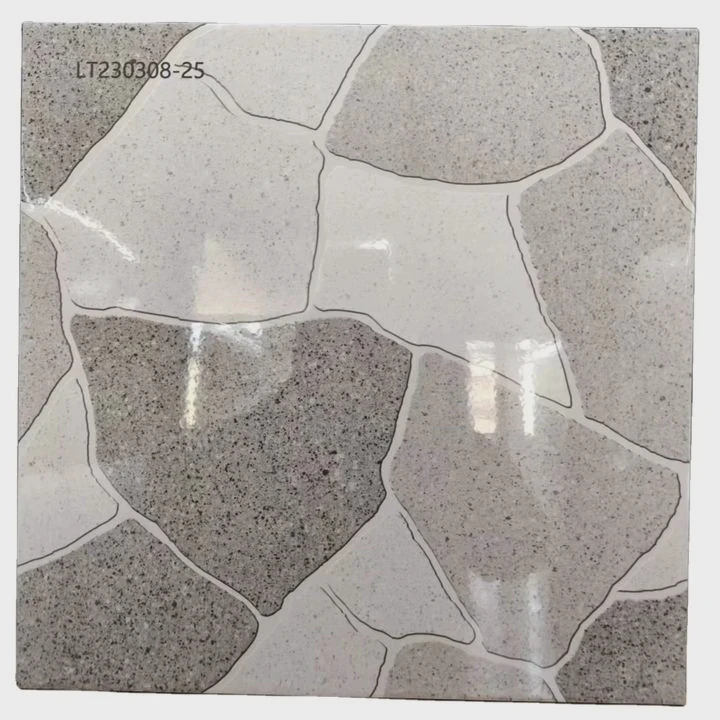
Heavy foot traffic creates continuous pressure on tile surfaces. Airports, shopping malls, hotels, and commercial buildings need flooring materials that can work under constant stress. Floor tiles are developed for these conditions.
Using wall tiles in a low-traffic area may seem acceptable at first. However, problems can appear after months or years. The surface may show wear, and the tile body may not provide enough support.
Where can floor tiles handle more pressure?
| Application Area | Recommended Tile Type |
|---|---|
| Living room | Durable floor tile |
| Shopping mall | High-strength floor tile |
| Hotel lobby | Commercial floor tile |
| Bathroom wall | Wall tile |
| Kitchen backsplash | Wall tile |
The location decides the product choice. A bedroom floor may have lower traffic than a shopping mall floor, but both areas still need flooring products that can support walking.
What happens when people walk on wall tiles?
When people walk on wall tiles, the pressure is concentrated on small areas. Shoes create direct force, especially when people move furniture or carry heavy items.
Over time, this pressure can create small cracks. These cracks may become larger and cause the tile to break. Repairing damaged floors can also create additional costs because matching replacement tiles may become difficult.
Another problem is safety. Some wall tiles have smooth surfaces designed for decoration. These surfaces may become slippery when wet. This creates risks in bathrooms, kitchens, and public areas.
Can wall tiles ever be used on floors?
In some special cases, a wall tile may be suitable for a very low-use area if the manufacturer clearly confirms the application. However, this should not become a general rule.
Professional buyers usually check technical information before making decisions. They review strength, water absorption, slip resistance, and recommended usage. This process helps avoid product mistakes.
For international projects, communication with suppliers is especially important. Different markets have different standards and expectations. A reliable supplier should provide clear product information before shipment.
Which risks arise using wall tiles on floors?
Using wall tiles on floors can create several risks, including cracking, poor durability, safety issues, and higher maintenance costs. The short-term saving may lead to bigger expenses later.

Many construction problems happen because the product does not match the application. Tile selection is not only a design decision. It is also a performance decision.
What are the main problems?
The following risks are common when wall tiles are installed on floors:
| Risk | Possible Result |
|---|---|
| Low strength | Tile cracks under pressure |
| Poor wear resistance | Surface becomes damaged quickly |
| Slippery surface | Higher safety risk |
| Higher maintenance | More repair and replacement costs |
| Short service life | Lower project value |
Cracking is one of the most serious problems. Once a floor tile breaks, replacing it can affect the appearance of the entire space. In large projects, repairs can also interrupt business operations.
Why can wrong tile selection increase costs?
Many buyers think cheaper tiles reduce project costs. However, the total cost includes installation, maintenance, repair, and replacement. A cheaper product with poor performance may cost more over time.
For example, a commercial building needs reliable flooring because repairs can affect customers and business activities. Choosing the correct floor tile from the beginning creates better value.
How can buyers avoid these risks?
A simple selection process can reduce problems:
- Confirm the installation area.
- Check product specifications.
- Ask about recommended usage.
- Review strength and safety performance.
- Choose a supplier with professional experience.
A good tile supplier does not only sell products. The supplier should help customers understand product applications and make suitable choices.
My approach is to focus on long-term results. A successful tile project needs both good design and strong performance. When buyers understand the difference between wall tiles and floor tiles, they can create safer and more durable spaces.
Conclusion
Wall tiles and floor tiles have different designs, structures, and purposes. Wall tiles are not a suitable replacement for floor tiles in most cases. Choosing the correct tile helps create safer spaces and longer-lasting projects.
- Pre: How to fix a loose floor tile without removing it?
- Next: Sorry!