How to Clean a Stone Tile Shower?
- Sinotiles
- 2026-08-10
A dirty stone tile shower can lose its natural beauty. Water stains, soap marks, and dirt can slowly change the surface. Many people use wrong cleaners and create bigger problems.
A stone tile shower should be cleaned with gentle products, soft tools, and regular care. Safe cleaners, proper methods, and sealing can help protect stone tiles and keep the shower looking beautiful for years.
A stone shower needs more attention than ceramic or porcelain tiles. Natural stone has small pores and different levels of sensitivity. I have seen many projects where beautiful stone surfaces became dull because of simple cleaning mistakes. This is why understanding the right cleaning method is important before starting any maintenance work.
What cleaners are safe for stone tiles?
The safest cleaners for stone tiles are pH-neutral stone cleaners, mild soap solutions, and products designed specifically for natural stone surfaces.
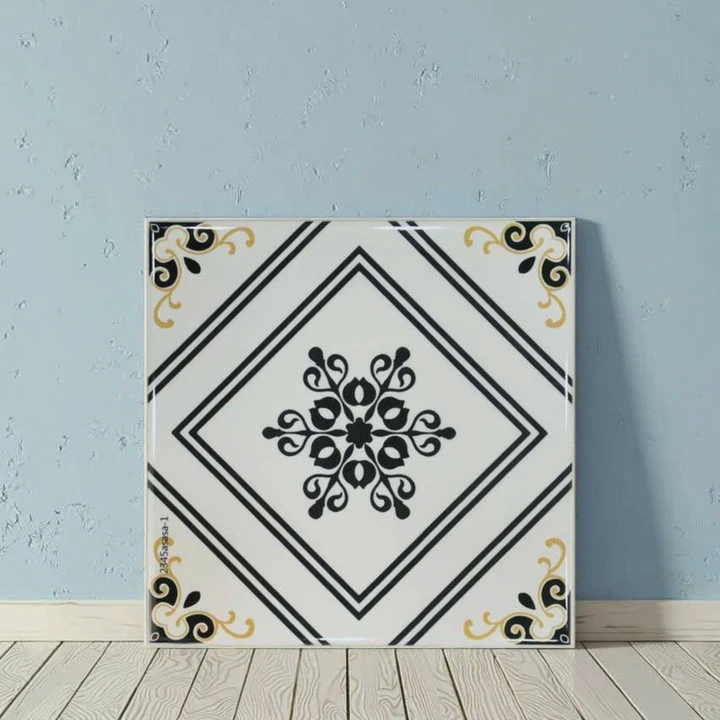
Choosing the right cleaner is the first step to protect a stone tile shower. Natural stone such as marble, limestone, travertine, and slate can react differently to cleaning chemicals. A gentle cleaner can remove dirt without changing the color, texture, or finish of the stone.
Many homeowners think stronger cleaners create better results. However, strong chemicals can remove the natural protection of stone and create long-term damage. Stone does not need aggressive cleaning. It needs regular and careful maintenance.
A simple cleaning solution can often work well for daily shower care. Warm water and a small amount of mild soap can remove light dirt and daily buildup. For deeper cleaning, professional stone cleaners are a better choice because they are made to match the needs of natural stone.
| Cleaner Type | Suitable For Stone Tiles | Notes |
|---|---|---|
| pH-neutral stone cleaner | Yes | Safe for regular cleaning |
| Mild dish soap with water | Yes | Use a small amount only |
| Baking soda solution | Sometimes | Test on a small area first |
| Bleach cleaner | No | Can affect stone surface |
| Vinegar cleaner | No | Can damage sensitive stones |
When I choose cleaning products for stone tile projects, I always look at the stone type first. A cleaner that works well on granite may not be suitable for marble. The surface finish also matters because polished stone can lose its shine when exposed to the wrong chemicals.
Understand the stone type before cleaning
Different stone tiles have different features. Marble has a smooth and elegant surface, but it is more sensitive to acids. Granite is harder and more resistant, but it still needs proper care. Travertine has natural holes that require more attention because dirt can collect inside.
Understanding these differences helps create a better cleaning plan.
For example, a homeowner with a marble shower should focus on gentle cleaning and avoiding chemical exposure. A homeowner with slate tiles may need to pay more attention to texture because rough surfaces can hold more dirt.
Use the right cleaning tools
The cleaning tool is as important as the cleaner. Hard brushes and rough pads can scratch the stone surface.
The best tools include:
- Soft microfiber cloths
- Soft sponge
- Soft nylon brush
- Warm water spray bottle
A good cleaning process should remove dirt while keeping the natural surface unchanged. Many stone problems happen because people focus only on removing stains and ignore surface protection.
How to prevent damage during cleaning?
Preventing damage during cleaning requires gentle methods, regular maintenance, and attention to small details. Stone tiles stay beautiful when they are cleaned correctly from the beginning.
The best way to protect stone tiles is to avoid problems before they happen. Stone damage usually comes from repeated mistakes, not one single cleaning action. Using harsh products many times can slowly weaken the stone surface.
A stone shower is exposed to water, soap, shampoo, and humidity every day. These materials can create buildup if they are not managed properly. Regular care reduces the need for strong cleaning methods.
Follow a simple cleaning routine
A regular cleaning routine is easier than repairing damaged stone.
A basic routine can include:
| Cleaning Frequency | Recommended Action |
|---|---|
| After each shower | Remove extra water with a squeegee |
| Weekly | Clean with a gentle stone-safe product |
| Monthly | Check for stains and surface changes |
| Yearly | Inspect sealing condition |
Drying the shower after use is one of the easiest ways to reduce water marks. Standing water can leave mineral deposits, especially in areas with hard water. A simple wipe after showering can make a big difference.
Avoid aggressive cleaning methods
Many people use strong brushes because they want faster results. However, stone surfaces need patience. Scrubbing too hard can create small scratches. Over time, these scratches can make the surface look old and uneven.
I often recommend testing any new cleaning method on a hidden area first. This small step can prevent expensive repairs.
Pay attention to grout lines
Stone showers usually include grout between tiles. Dirty grout can make the whole shower look unclean. However, grout cleaning should also be gentle because aggressive products may affect nearby stone.
A balanced cleaning approach protects both the tiles and grout.
Control moisture problems
Water itself does not usually damage stone immediately. The bigger problem is long-term moisture exposure. Water can enter small pores and carry minerals into the stone.
Good ventilation helps reduce moisture problems. A bathroom fan, open door, and regular drying habits can improve the life of stone tiles.
Can sealing protect stone shower tiles?
Yes, sealing can protect stone shower tiles by reducing water absorption, preventing stains, and making maintenance easier.
Natural stone is different from manufactured tiles because it can absorb liquids. A quality sealer creates a protective layer that helps slow down moisture and stain penetration. However, sealing does not make stone completely waterproof.
Sealing is an important part of stone shower maintenance, but it is not a replacement for proper cleaning. A sealed surface still needs regular care.
How stone sealer works
Stone sealers work by entering the pores of the stone and reducing absorption. This protection helps prevent soap residue, water marks, and other materials from staying inside the stone.
Different sealers provide different results.
| Sealer Type | Main Benefit | Common Use |
|---|---|---|
| Penetrating sealer | Protects inside pores | Most natural stone showers |
| Enhancing sealer | Improves stone color | Decorative stone surfaces |
| Topical sealer | Creates surface layer | Less common for wet areas |
For shower applications, penetrating sealers are often preferred because they protect the stone while allowing natural breathing.
When should stone tiles be sealed?
The sealing schedule depends on the stone type, shower usage, and product quality. Some stones need more frequent sealing because they absorb more water.
A simple water test can help check the condition of the sealer. If water quickly disappears into the stone instead of forming small drops, the surface may need resealing.
Sealing improves long-term value
A well-maintained stone shower can last for many years. Sealing helps protect the original appearance and reduces future cleaning problems.
For homeowners and building projects, this also creates better value. A beautiful stone installation requires care, and sealing is one important step in protecting that investment.
Why avoid acidic cleaners on stone?
Acidic cleaners should be avoided because they can react with natural stone and damage the surface finish, especially on sensitive stones like marble and limestone.
Many common household cleaners contain acids because acids can remove mineral deposits and stains quickly. However, this strength can become a problem when the cleaner touches natural stone.
Stone contains minerals that can react with acidic substances. This reaction can remove the smooth surface layer and create dull spots called etching.
Common acidic cleaners to avoid
Some products that may harm stone include:
- Vinegar-based cleaners
- Lemon-based cleaners
- Toilet bowl cleaners
- Some bathroom descaling products
- Strong rust removers
These products may work well on some surfaces, but they are not suitable for most natural stone showers.
Why acid damage is difficult to repair
Acid damage is different from normal dirt. Dirt sits on the surface and can usually be removed. Acid damage changes the stone itself.
For polished stone, acid exposure can remove the shine. For textured stone, it can create uneven areas that are difficult to restore.
This is why prevention is better than repair. Choosing a safe cleaner from the beginning can protect both appearance and durability.
Make cleaning decisions based on stone science
Stone is a natural material. It has unique patterns, minerals, and structures. Each piece can react differently to chemicals.
When I work with stone tile applications, I always consider the material first. A beautiful stone shower is not only about appearance. It is also about choosing the right maintenance method.
Simple cleaning habits, safe products, and proper sealing can help stone showers keep their natural beauty. These steps also reduce repair costs and improve the overall life of the installation.
Conclusion
Cleaning a stone tile shower requires gentle products, careful methods, and regular maintenance. Safe cleaners, proper sealing, and avoiding acids can protect stone surfaces and keep them beautiful for many years.