Can You Paint Ceramic Tile?
- Sinotiles
- 2026-01-27
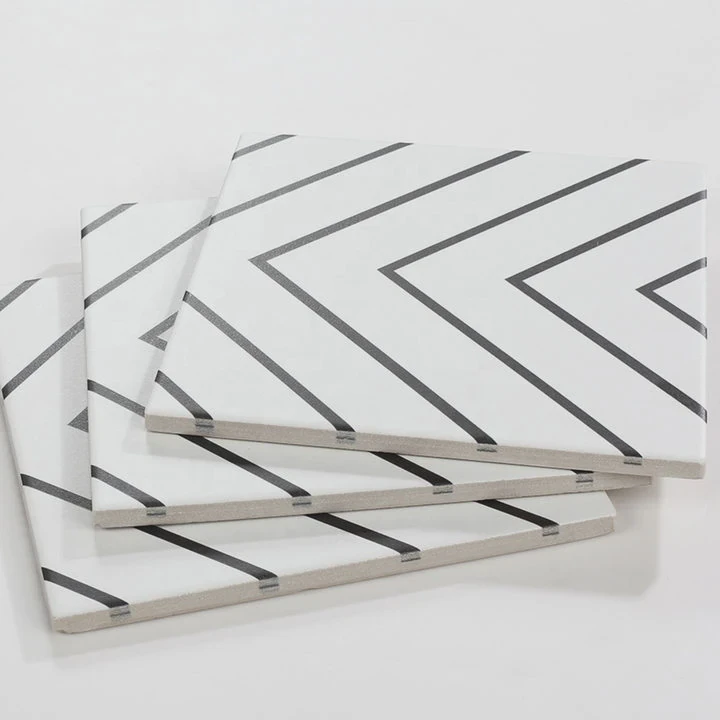
Painting ceramic tile feels risky. Many people fear peeling paint and wasted time. This problem causes stress and delays. The good news is simple. Yes, ceramic tile can be painted with the right method and care.
Painting ceramic tile is possible and practical. When done correctly, it refreshes old spaces fast and costs less than replacement. The key is using proper paint, careful surface prep, and strong sealing to ensure long-term results.
Old tiles can make a room feel dark and dated. Replacing tile costs money and time. Painting offers a clear path forward. Understanding each step makes the process predictable and safe.
What Types of Paint Work Best on Ceramic Tile?
Old tiles often look worn and hard to change. Many paints fail because tiles are smooth and dense. This leads to peeling and cracks. The right paint solves this problem and creates a solid finish.
The best paints for ceramic tile are epoxy paint, acrylic latex paint with bonding primer, and tile-specific coatings. These paints stick well, resist moisture, and handle daily wear when sealed correctly.
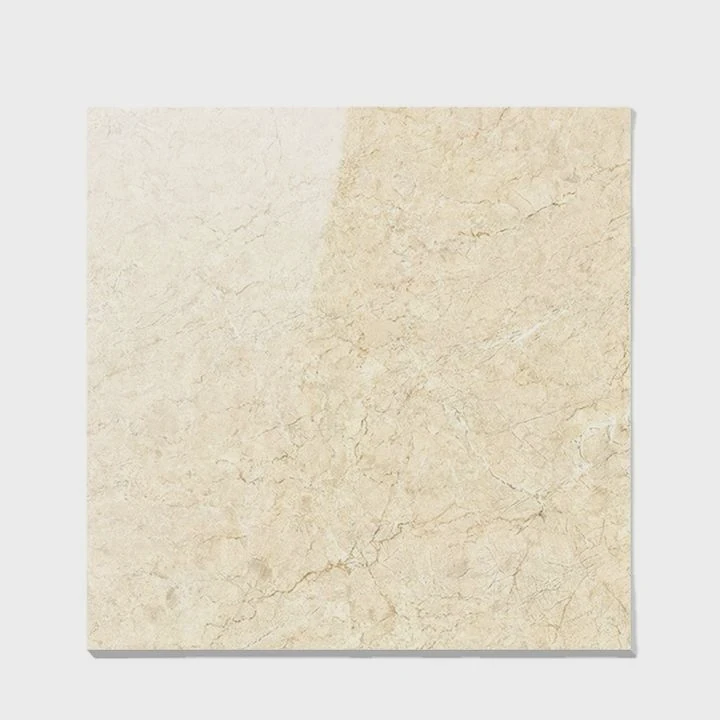
Epoxy Paint for Ceramic Tile
Epoxy paint is one of the strongest choices. It forms a hard shell after curing. This shell resists water, stains, and light scratches. Many people use epoxy for bathrooms and kitchens.
Epoxy paint often comes in two parts. These parts must be mixed before use. Once mixed, working time is limited. This paint smells strong, so ventilation matters. The finish looks smooth and professional.
Epoxy paint bonds well to glazed tile. It reduces the risk of peeling. It also handles humidity better than most paints. This makes it suitable for showers and backsplashes.
Acrylic Latex Paint with Primer
Acrylic latex paint works when paired with a strong bonding primer. The primer grips the tile surface. The paint then sticks to the primer instead of the tile.
This option is easier to use than epoxy. Cleanup is simple. Dry time is shorter. Many homeowners prefer it for low-traffic areas.
This paint works best for walls, decorative tile, and backsplashes. It may not last as long on floors without heavy sealing.
Tile-Specific Paint Products
Some brands make paint designed only for tile. These products often combine primer and paint. They aim to simplify the process.
Tile paint usually offers good adhesion and smooth finish. Durability depends on sealing and traffic. Reading product limits is important before use.
Paint Comparison Table
| Paint Type | Durability | Best Areas | Difficulty Level |
|---|---|---|---|
| Epoxy Paint | Very High | Bathrooms, kitchens | High |
| Acrylic + Primer | Medium | Walls, backsplash | Low |
| Tile-Specific Paint | Medium to High | Decorative tile | Medium |
Paint choice sets the foundation. A strong paint reduces future repairs. Choosing based on tile location is critical.
How Do You Prepare Ceramic Tile Before Painting?
Paint failure often comes from poor prep. Tiles collect grease, soap, and dirt. Smooth glaze blocks paint from sticking. Proper prep solves these issues and protects the finish.
Ceramic tile must be cleaned, sanded, repaired, and primed before painting. Each step removes barriers and builds a strong surface for paint.
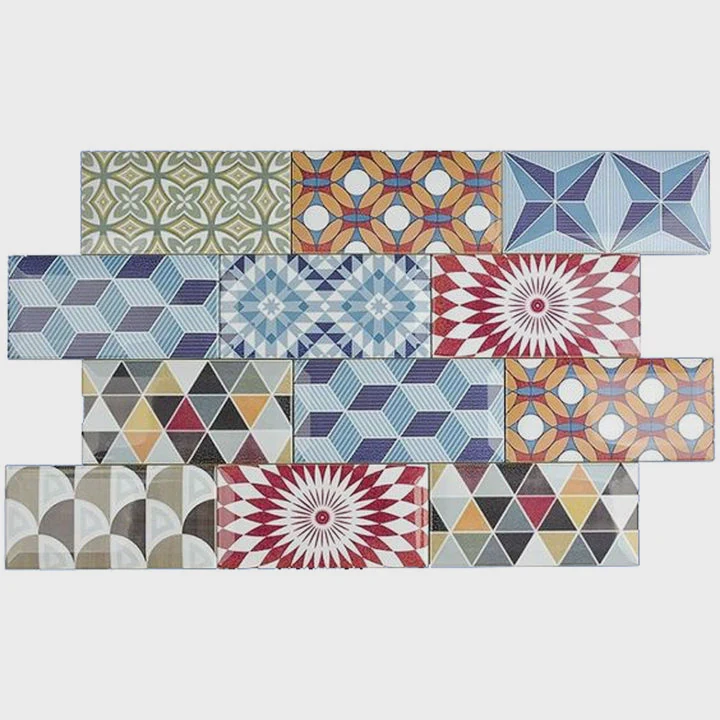
Deep Cleaning the Tile Surface
Cleaning removes grease and residue. Kitchen tiles often hold oil. Bathroom tiles hold soap film. These layers block adhesion.
A degreaser or heavy-duty cleaner works best. Scrub grout lines and tile faces. Rinse with clean water. Let tiles dry fully before moving on.
Skipping this step leads to peeling paint. Clean tiles give paint a fair chance to bond.
Sanding for Better Adhesion
Ceramic tile has a glossy glaze. Paint cannot grip this surface well. Light sanding solves this problem.
Use fine-grit sandpaper, around 220 grit. Sand each tile lightly. The goal is to dull the shine, not remove the glaze fully.
After sanding, wipe dust away with a damp cloth. Dust left behind weakens primer strength.
Repairing Chips and Cracks
Small cracks and chips show through paint. They also weaken the surface. Filling them creates a smooth base.
Use epoxy filler or tile repair compound. Apply with a putty knife. Let it cure fully. Sand smooth after drying.
Flat tiles give the paint a clean look. Repairs also improve durability.
Applying Bonding Primer
Primer is not optional. It forms the bridge between tile and paint. Use a primer made for glossy or ceramic surfaces.
Apply thin and even coats. Let primer dry as directed. Some primers need light sanding after drying.
Primer locks in prep work. It also blocks stains and improves color coverage.
Which Tools Are Needed to Paint Ceramic Tiles?
Poor tools cause streaks and uneven coats. Good tools save time and reduce mistakes. Having the right setup makes the process smoother.
Painting ceramic tile requires rollers, brushes, sanding tools, cleaning supplies, and safety gear. Each tool plays a clear role.
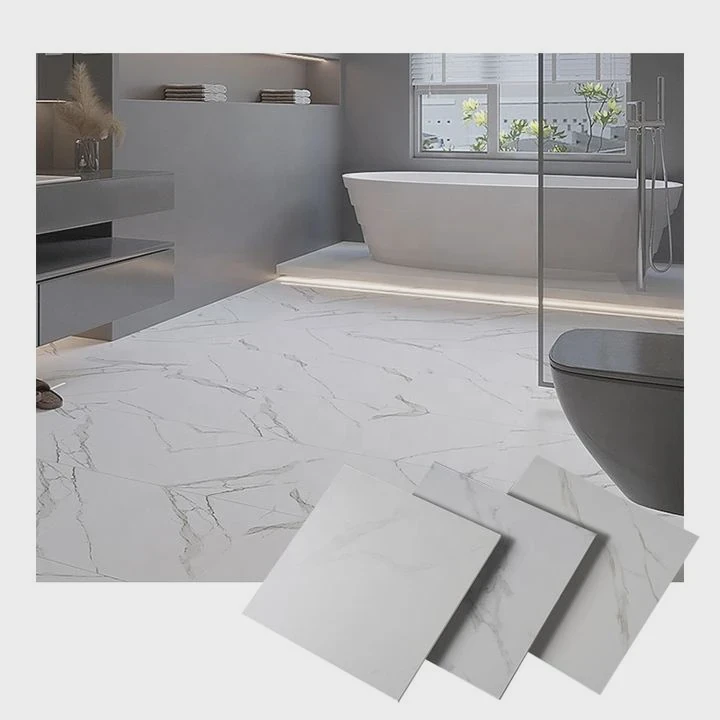
Brushes and Rollers
Foam rollers work best on tile. They reduce bubbles and lines. Use small rollers for tile faces.
Angled brushes help with grout lines and corners. Choose synthetic bristles for smooth paint flow.
Using the right size prevents paint buildup and drips.
Sanding and Cleaning Tools
Fine-grit sandpaper or sanding sponges are essential. They follow tile contours better than rigid paper.
Sponges and microfiber cloths help clean dust and residue. A vacuum with brush attachment speeds up cleanup.
Clean tools protect primer and paint adhesion.
Safety Equipment
Paint fumes can be strong. Use a mask or respirator if needed. Gloves protect skin from chemicals.
Ventilation is important. Open windows or use fans during painting and curing.
Tool Checklist Table
| Tool | Purpose | Notes |
|---|---|---|
| Foam Roller | Smooth paint coats | Reduces streaks |
| Angled Brush | Edges and grout | Better control |
| Sandpaper 220 grit | Surface prep | Dulls glaze |
| Degreaser | Deep cleaning | Removes oil |
| Gloves & Mask | Safety | Protects skin and lungs |
Tools shape the final result. Using proper equipment prevents common paint problems.
Why Should You Seal Painted Ceramic Tiles?
Paint alone is not enough. Without sealing, moisture and wear break down the finish. Sealing protects time and effort.
Sealing painted ceramic tile locks in color, adds water resistance, and improves durability. It extends the life of the painted surface.
Protection from Moisture
Ceramic tiles often sit in wet areas. Paint absorbs moisture over time. Sealer blocks water entry.
This matters in bathrooms and kitchens. Moisture leads to bubbling and peeling. Sealing prevents this damage.
A waterproof sealer keeps paint stable under humidity.
Resistance to Wear and Stains
Foot traffic and cleaning wear down paint. Sealer adds a protective layer.
Polyurethane and water-based sealers work well. Choose one rated for floors if needed.
Sealed tiles clean easier. Stains wipe off instead of soaking in.
Improving Finish and Color
Sealer enhances color depth. It can add gloss or keep a matte look.
Multiple thin coats work better than one thick coat. Dry time matters between layers.
A sealed surface looks finished and professional.
Sealer Selection Tips
Choose sealer based on tile location. Floors need tougher sealers. Walls need lighter protection.
Always test in a small area first. This avoids surprises in sheen or texture.
Conclusion
Painting ceramic tile is a practical upgrade when done right. Proper paint, careful prep, good tools, and sealing all work together. This method saves money and refreshes spaces without full renovation.
- Pre: Sorry!
- Next: How to Clean Ceramic Tile?