How to Build Tile Shower Pan?
- Sinotiles
- 2026-05-20
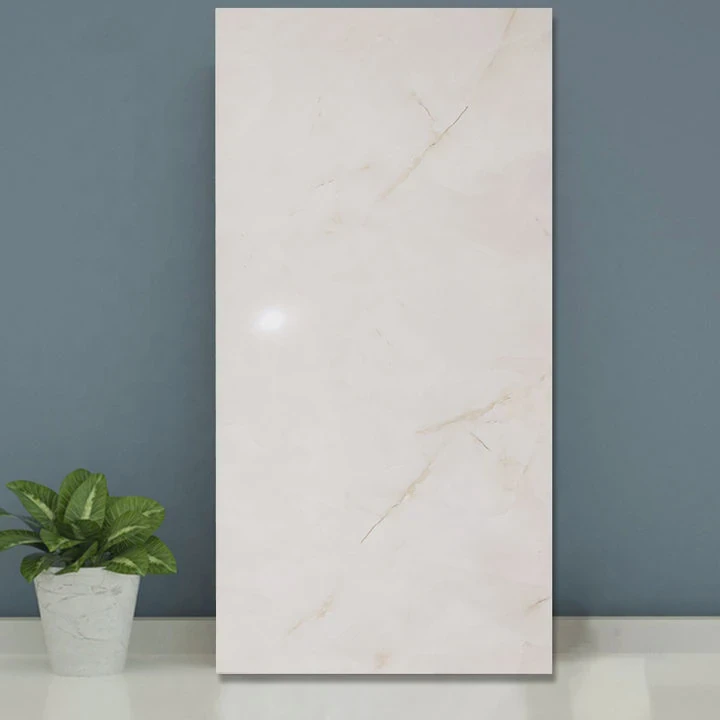
Many shower leaks begin under the tile surface where nobody can see them. A poorly built shower pan can cause mold, cracked tiles, water damage, and expensive repairs later.
A durable tile shower pan requires proper materials, correct slope design, strong waterproofing, and careful installation steps. When each layer works together, the shower drains efficiently and protects the structure from long-term moisture damage.
A shower pan is more than a base under the tile. It controls water movement every day. Many contractors focus only on tile appearance, but experienced builders know the hidden layers matter more. A strong shower pan supports the tile, directs water to the drain, and prevents leaks for many years.
What Materials Are Required for a Shower Pan?
Using the wrong materials often leads to cracks, leaks, or drainage problems. Some installers try to reduce costs with low-grade products, but the repair cost later is usually much higher.
A shower pan normally requires a drain assembly, mortar mix, waterproof membrane, cement board, reinforcing mesh, sealant, and ceramic or porcelain tiles. Each material supports waterproofing and structural stability.
Every layer inside a shower pan has a purpose. The base must remain stable under daily foot traffic and constant water exposure. Good materials help the shower survive years of use without failure.
Core Materials for Shower Pan Construction
The materials used in a shower pan depend on the installation system. Traditional mortar beds remain common in many projects, while modern waterproof systems are growing fast.
| Material | Main Purpose |
|---|---|
| Mortar mix | Forms the shower base slope |
| Waterproof membrane | Prevents water leakage |
| Shower drain assembly | Directs water into plumbing |
| Cement board | Supports wall tile installation |
| Reinforcing mesh | Strengthens mortar bed |
| Silicone sealant | Protects joints and corners |
| Porcelain or ceramic tile | Final visible surface |
Many professional installers choose porcelain tiles because they absorb less water and resist stains better than porous materials.
Mortar Mix Creates Structural Support
The mortar bed forms the foundation of the shower pan. A strong mortar mix supports tile weight and prevents movement over time.
Dry-pack mortar is commonly used because it compacts tightly and shapes easily. Installers usually create the slope directly with the mortar layer.
A weak mortar mix often creates:
- Hollow spots under tiles
- Cracking grout lines
- Uneven drainage
- Structural weakness
Waterproof Membranes Protect Hidden Areas
Waterproof membranes stop moisture from reaching wood framing and concrete below the shower.
There are two common systems:
- Sheet membranes
- Liquid waterproof coatings
Sheet membranes offer very consistent thickness. Liquid systems work well around corners and irregular shapes.
Drain Quality Matters More Than Many Expect
A cheap drain assembly often becomes the weak point of the shower pan. Poor drainage may trap water under the tile surface.
Good drain systems help:
- Faster water removal
- Better odor control
- Easier maintenance
- Longer shower life
Large-format tile showers often use linear drains because they simplify slope design.
Tile Selection Also Affects Performance
Tile size and surface texture influence both safety and maintenance.
Smaller mosaic tiles are common for shower floors because:
- They follow the slope more easily
- They improve slip resistance
- They create more grout joints for grip
Many commercial projects use matte porcelain mosaics for this reason.
Professional Material Selection Improves Durability
Experienced builders rarely focus only on appearance. They select materials based on long-term moisture resistance and structural stability.
This matters especially in:
- Hotels
- Apartment buildings
- Luxury homes
- Commercial bathrooms
Strong materials reduce repair risks and improve customer satisfaction over time.
How Can Proper Slope Ensure Drainage Efficiency?
Water that does not flow correctly creates long-term problems inside the shower. Poor slope design allows standing water, mold growth, and weak grout performance.
A proper shower pan slope directs water efficiently toward the drain. Industry standards usually recommend a slope of about 1⁄4 inch per foot to prevent standing water and improve drainage performance.
Slope design is one of the most important parts of shower construction. Even beautiful tile work can fail if water stays trapped on the surface.
Why Drainage Slope Matters
Shower floors face constant water exposure. Without enough slope, water pools in low spots and slowly damages grout and tile joints.
Standing water often causes:
- Mold growth
- Bad odors
- Soap buildup
- Slippery surfaces
- Grout discoloration
Many repair projects begin because the original slope was too flat.
Standard Shower Pan Slope
Most professional installers follow a standard slope guideline.
| Shower Area | Recommended Slope |
|---|---|
| Shower floor | 1⁄4 inch per foot |
| Large walk-in shower | Consistent slope to drain |
| Linear drain system | Single-direction slope |
This slope creates smooth drainage without making the floor uncomfortable to stand on.
Mortar Shaping Requires Precision
The mortar bed controls the slope accuracy. Installers use levels and screeds to create smooth transitions toward the drain.
Uneven mortar often creates hidden low areas called bird baths. These areas trap water after every shower.
Linear Drains Simplify Modern Designs
Modern bathrooms often use large-format tiles with linear drains. This system allows one-direction slope instead of multiple angled slopes.
Linear drains offer:
- Cleaner appearance
- Easier tile layout
- Better accessibility
- Faster drainage in larger showers
Many luxury projects now prefer this design style.
Slope Problems Often Appear Later
Some drainage problems are not visible immediately after installation.
Over time, trapped moisture may cause:
- Tile loosening
- Grout cracks
- Water stains
- Waterproofing damage
That is why experienced installers test drainage before finishing the project.
Water Flow Testing Prevents Future Issues
Many contractors perform flood testing after waterproofing and before tile installation.
This process helps identify:
- Drain leaks
- Standing water areas
- Weak waterproof seams
- Improper slope sections
Testing reduces expensive repair risks later.
Good Drainage Improves Maintenance
A shower that drains properly stays cleaner and dries faster. Less standing water means less soap scum and lower mold growth.
Homeowners often notice:
- Easier cleaning
- Better hygiene
- Less odor
- Longer grout life
Good drainage design protects both the appearance and structure of the shower.
Why Is Waterproofing Critical in Shower Pans?
Many shower failures happen behind the tile where water slowly damages the structure. Tile and grout alone are never fully waterproof.
Waterproofing is critical because it prevents moisture from reaching the subfloor and wall framing. A properly waterproofed shower pan protects against leaks, mold, structural damage, and expensive repairs.
Some people assume grout blocks all water. In reality, moisture slowly passes through grout joints during daily use.
Tile Is Not the Main Waterproof Barrier
The visible tile layer mainly provides appearance and wear resistance. The true waterproof protection exists underneath.
A shower system usually includes:
- Waterproof membrane
- Sealed drain connection
- Corner reinforcement
- Joint protection
Without these layers, water eventually enters hidden areas.
Moisture Damage Spreads Slowly
Water damage inside a shower often develops quietly for months or years.
Common hidden problems include:
- Rotten wood framing
- Mold growth
- Loose tiles
- Ceiling stains below upper-floor bathrooms
- Bad odors inside walls
By the time visible signs appear, repairs are usually expensive.
Waterproof Membrane Systems
Modern shower pans commonly use two waterproofing approaches.
| Waterproofing Type | Main Advantage |
|---|---|
| Sheet membrane | Consistent waterproof thickness |
| Liquid membrane | Flexible around corners and details |
Many professionals combine systems in difficult areas for added protection.
Corners and Seams Need Extra Attention
Most leaks happen where surfaces meet.
Critical areas include:
- Wall-to-floor corners
- Drain connections
- Pipe penetrations
- Shower curbs
- Bench seating areas
Professional installers reinforce these sections carefully before tiling begins.
Flood Testing Confirms Waterproof Integrity
Flood testing is one of the best ways to verify waterproofing quality.
The shower base is filled with water for at least 24 hours to check for leaks. Many commercial projects require this test before approval.
Flood testing helps detect:
- Weak seams
- Drain problems
- Membrane punctures
- Installation errors
Waterproofing Supports Long-Term Business Reputation
For contractors and suppliers, waterproof failures damage customer trust quickly.
A leaking shower often leads to:
- Project delays
- Warranty claims
- Customer complaints
- High repair costs
Reliable waterproof systems help builders maintain a stronger reputation in competitive markets.
Quality Waterproofing Increases Project Value
Modern buyers expect durable bathrooms with low maintenance needs.
Good waterproof construction helps:
- Extend shower lifespan
- Reduce repair costs
- Improve property value
- Support premium project standards
This is especially important in hotels, apartments, and luxury residential projects where durability matters heavily.
Which Steps Ensure Durable Shower Pan Construction?
Many shower pans look fine at the beginning but fail after several years because small installation mistakes weaken the system over time.
Durable shower pan construction requires proper preparation, stable framing, accurate slope creation, reliable waterproofing, correct drain installation, careful tile setting, and thorough testing before final use.
Each construction step affects the next layer. A small mistake early in the process can create major problems later.
Step 1: Prepare the Subfloor
The subfloor must remain strong, level, and clean before construction begins.
Weak or flexible subfloors may cause:
- Tile cracking
- Grout separation
- Drain movement
- Waterproofing failure
Many installers reinforce the floor structure before building the shower pan.
Step 2: Install the Drain Assembly
The drain location controls water flow and slope design.
Drain installation must:
- Sit at correct height
- Connect tightly to waterproofing
- Remain stable during mortar placement
Poor drain alignment often creates drainage issues later.
Step 3: Build the Pre-Slope
Traditional systems usually include a pre-slope under the waterproof membrane.
This layer ensures water beneath the tile still flows toward the drain instead of becoming trapped.
Step 4: Apply Waterproofing Carefully
Waterproofing installation requires patience and precision.
Important areas include:
- Corners
- Curbs
- Pipe openings
- Drain seams
Installers usually inspect every seam carefully before moving forward.
Step 5: Perform Flood Testing
Flood testing verifies the waterproof system before tile installation starts.
| Testing Area | Purpose |
|---|---|
| Drain connection | Detect leakage |
| Membrane seams | Verify waterproof seal |
| Corners | Check weak points |
| Floor slope | Confirm drainage |
Skipping this step increases long-term risk significantly.
Step 6: Install Tile With Proper Adhesive
Tile adhesive selection matters in wet areas.
Professional installers often use:
- Polymer-modified thin-set
- Waterproof grout systems
- Flexible sealants
These materials handle moisture and temperature movement better.
Step 7: Seal Expansion Joints
Rigid grout alone cannot absorb building movement.
Flexible sealants are normally used at:
- Corners
- Floor-to-wall joints
- Expansion areas
This helps prevent cracks over time.
Step 8: Final Cleaning and Inspection
The final stage includes:
- Cleaning grout haze
- Checking drainage flow
- Inspecting tile alignment
- Verifying waterproof seals
A careful final inspection improves project quality and customer satisfaction.
Why Skilled Installation Matters Most
Even high-quality materials fail when installation quality is poor.
Experienced installers understand:
- Water movement
- Tile expansion
- Slope accuracy
- Waterproof detailing
This knowledge often determines whether a shower lasts five years or twenty years.
Conclusion
Building a durable tile shower pan requires more than laying tile over a floor base. Proper materials, accurate slope design, strong waterproofing, and careful installation steps work together to create a shower that drains efficiently and resists long-term water damage.