How to Lay Marble Tile?
- Sinotiles
- 2026-05-20
Many marble tile projects fail because of poor preparation, uneven alignment, or incorrect installation materials. Small mistakes can quickly damage the final appearance and increase long-term maintenance costs.
Proper marble tile installation requires surface preparation, stain prevention, correct adhesive selection, and precise alignment techniques. Careful installation improves durability, appearance, and long-term performance in both residential and commercial spaces.
Marble tiles remain one of the most popular choices for luxury homes, hotels, and commercial projects. Their natural patterns create a premium look that many buyers want. Still, marble is more sensitive than porcelain or ceramic tiles. That means installers must handle every step carefully. This guide explains the most important methods used during marble tile installation and how professional contractors achieve better results.
What Preparation Is Needed Before Laying Marble Tiles?
Many installation problems begin before the first tile even touches the floor. Uneven surfaces, moisture, and poor planning often lead to cracks, loose tiles, or alignment issues later.
Before laying marble tiles, installers must prepare the substrate, check moisture levels, clean the surface, plan tile layout, and inspect all marble pieces for color and size consistency.
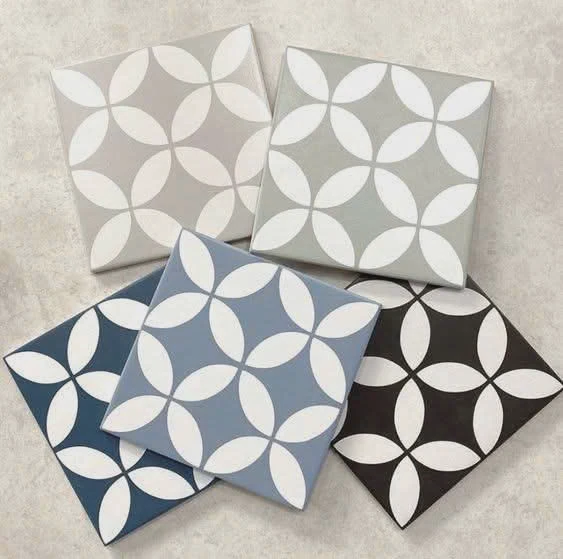
Good preparation saves time during installation and reduces expensive repair work later. Marble tiles require more attention than many standard flooring materials because natural stone reacts differently to moisture, pressure, and adhesive bonding.
Why Surface Preparation Matters
Marble tiles need a stable and level base. Even small surface imperfections can become visible after installation.
Professional installers usually check:
- Floor flatness
- Moisture content
- Structural stability
- Dust and debris
- Existing cracks
If the substrate moves or contains moisture, the marble may crack or discolor over time.
Common Surface Preparation Steps
| Preparation Step | Purpose | Risk if Ignored |
|---|---|---|
| Surface leveling | Creates even installation | Uneven tiles |
| Moisture testing | Prevents staining | Water damage |
| Crack repair | Stops tile movement | Future cracks |
| Surface cleaning | Improves bonding | Weak adhesion |
| Dry layout planning | Improves pattern flow | Poor appearance |
Why Dry Layout Planning Helps
Marble is a natural material. Each tile has unique veins, color tones, and movement patterns.
A dry layout allows installers to organize tiles before fixing them permanently. This helps balance color variation across the room. Many luxury projects spend extra time on this step because visual consistency matters greatly in high-end spaces.
Checking Marble Tile Quality Before Installation
Inspect Tile Thickness
Uneven thickness can create lippage problems.
Check Vein Direction
Matching vein flow improves overall design appearance.
Separate Damaged Pieces
Cracked or chipped tiles should never enter installation.
Why Acclimation Is Important
Many installers leave marble tiles inside the project area for at least 24 to 48 hours before installation. This process helps the stone adjust to room temperature and humidity.
Sudden environmental changes sometimes affect natural stone after installation. Acclimation reduces this risk and helps improve installation stability.
Planning Expansion Joints
Large marble floors expand and contract slightly because of temperature changes.
Without proper expansion joints:
- Tiles may crack
- Adhesive stress may increase
- Surface lifting may occur
Experienced contractors always include movement joints during planning, especially in large commercial projects.
Proper preparation creates the foundation for successful marble tile installation. Most long-term performance problems begin when this stage gets rushed or ignored.
How Can You Prevent Staining During Installation?

Marble absorbs moisture and chemicals more easily than many other tile materials. During installation, improper handling can create permanent stains before the project is even completed.
To prevent staining during marble tile installation, installers should use clean materials, seal the marble when needed, avoid dirty water, and remove adhesive residue immediately.
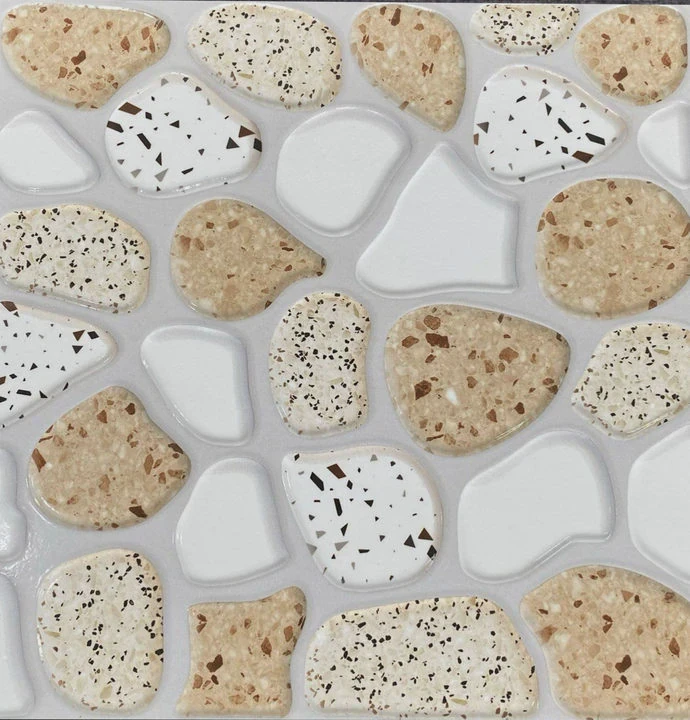
Staining is one of the biggest concerns with natural marble. Light-colored marble especially shows discoloration very easily. Once stains penetrate the surface, removal becomes difficult and expensive.
Why Marble Stains Easily
Marble contains natural pores that absorb liquids. Cement, dirty water, rust, oils, and pigments can all penetrate the surface during installation.
Some common installation-related stains include:
- Yellowing from moisture
- Gray shadows from adhesive
- Rust marks from metal tools
- Cement haze
- Oil contamination
Best Practices to Reduce Staining Risk
| Prevention Method | Main Benefit | Importance |
|---|---|---|
| Use clean mixing water | Prevents discoloration | High |
| Seal marble before grouting | Reduces absorption | High |
| Remove excess adhesive quickly | Prevents surface marks | High |
| Avoid metal contamination | Prevents rust stains | Medium |
| Use white adhesive | Reduces shadowing | High |
Why White Adhesive Is Commonly Used
Dark adhesives sometimes create shadow effects under light marble tiles. This problem becomes more visible with thin marble slabs or polished surfaces.
White adhesives reduce color interference and help maintain the stone’s natural appearance.
Importance of Sealing Marble
Pre-Sealing Before Installation
Some installers apply penetrating sealers before grouting. This creates temporary protection against grout pigments and moisture absorption.
Post-Installation Sealing
Final sealing protects the marble during long-term use.
Keeping the Work Area Clean
Dust, metal fragments, and dirty water can all create unexpected stains.
Professional installers often:
- Change water frequently
- Use clean sponges
- Protect installed sections
- Avoid dragging metal tools across the surface
Why Fast Cleaning Matters
Adhesive residue becomes harder to remove after drying. Cement haze may also dull polished marble surfaces if left untreated.
Quick cleaning reduces surface damage and helps preserve the natural shine of the stone.
Moisture Control During Installation
Excessive moisture is one of the biggest causes of marble discoloration.
Some marble types develop dark water marks when moisture remains trapped underneath. Good ventilation and controlled adhesive use help reduce this risk.
In humid regions or large commercial projects, moisture management becomes even more important because drying times are longer.
Proper stain prevention protects both appearance and customer satisfaction. In luxury projects, even small discoloration problems can create major complaints after project completion.
Why Use Specific Adhesives for Marble Tiles?
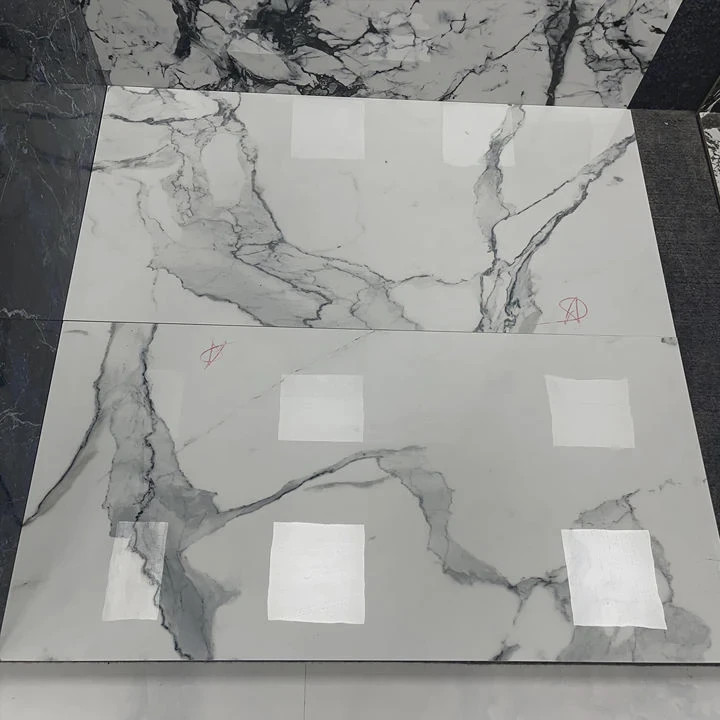
Many installation failures happen because installers use standard tile adhesive instead of products designed for natural stone. Marble requires stronger support and better moisture control.
Specific marble tile adhesives provide stronger bonding, reduce staining risk, improve flexibility, and help support the weight and sensitivity of natural stone surfaces.
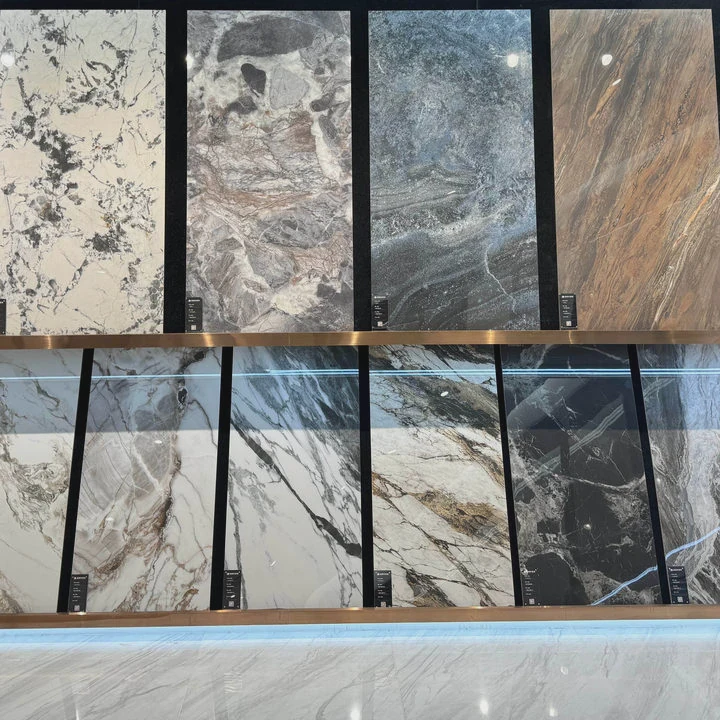
Natural marble behaves differently from ceramic or porcelain tiles. It absorbs moisture more easily and often weighs much more. Standard adhesives may not provide enough performance.
Why Marble Needs Specialized Adhesives
Marble tiles often have:
- Higher weight
- Moisture sensitivity
- Natural movement
- Variable thickness
- Surface transparency
These factors affect adhesive selection directly.
Common Adhesive Types for Marble
| Adhesive Type | Best Use | Main Advantage |
|---|---|---|
| White thin-set mortar | Light marble | Reduces shadowing |
| Polymer-modified adhesive | Large marble tiles | Better flexibility |
| Medium-bed mortar | Thick stone tiles | Supports heavy weight |
| Epoxy adhesive | Wet areas | Strong moisture resistance |
Problems Caused by Incorrect Adhesives
Weak Bonding
Heavy marble tiles may loosen over time.
Moisture Staining
Poor adhesive selection may trap moisture under the tile.
Uneven Support
Insufficient adhesive coverage can create hollow areas.
Cracking Risk
Rigid adhesives may fail when slight movement occurs.
Why Full Adhesive Coverage Matters
Marble tiles require high adhesive coverage because empty spaces underneath create stress points.
Professional installers usually target nearly full contact between tile and substrate. This improves support and reduces future cracking risk.
Back Buttering Technique
What Is Back Buttering?
Installers apply adhesive directly to the back of the tile in addition to the floor.
Why It Helps
This technique improves bonding strength and reduces air pockets.
Large-format marble tiles especially benefit from back buttering because they require stronger support.
Moisture-Control Properties of Modern Adhesives
Advanced adhesives now include features that help:
- Reduce water migration
- Improve flexibility
- Speed up curing
- Increase bonding strength
These improvements are very important in luxury hotels, shopping malls, and large residential projects where long-term durability matters.
Choosing Adhesive Based on Installation Area
Different project areas require different adhesive performance.
Bathroom Installations
High moisture resistance is critical.
Outdoor Marble Projects
Temperature movement and weather exposure matter more.
Commercial Floors
Higher load-bearing performance is necessary.
Professional installers always match the adhesive type with the project environment. This step greatly improves installation reliability and long-term marble performance.
Which Techniques Ensure Proper Marble Tile Alignment?
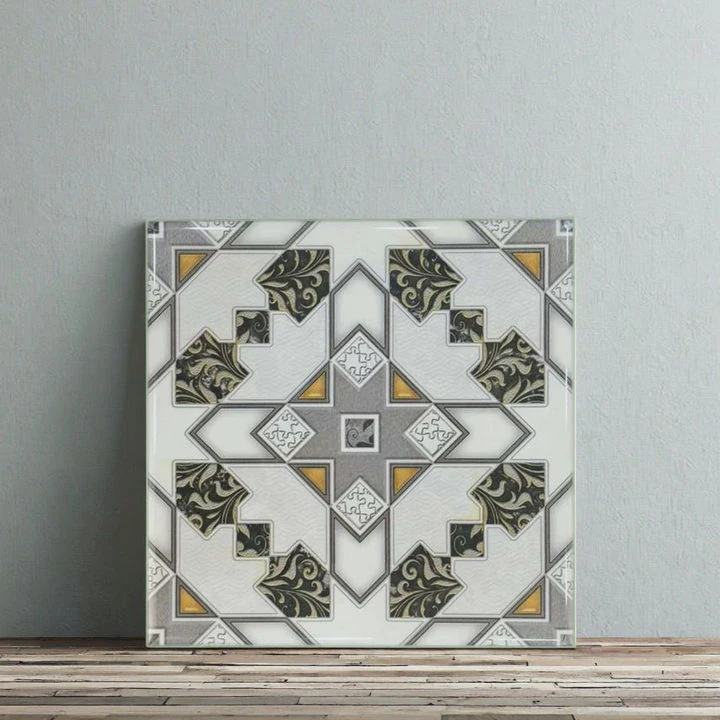
Poor tile alignment can ruin the appearance of even the most expensive marble. Uneven joints and lippage become very visible under lighting and reflective polished surfaces.
Proper marble tile alignment depends on accurate layout planning, leveling systems, spacing control, straight reference lines, and careful adjustment during installation.
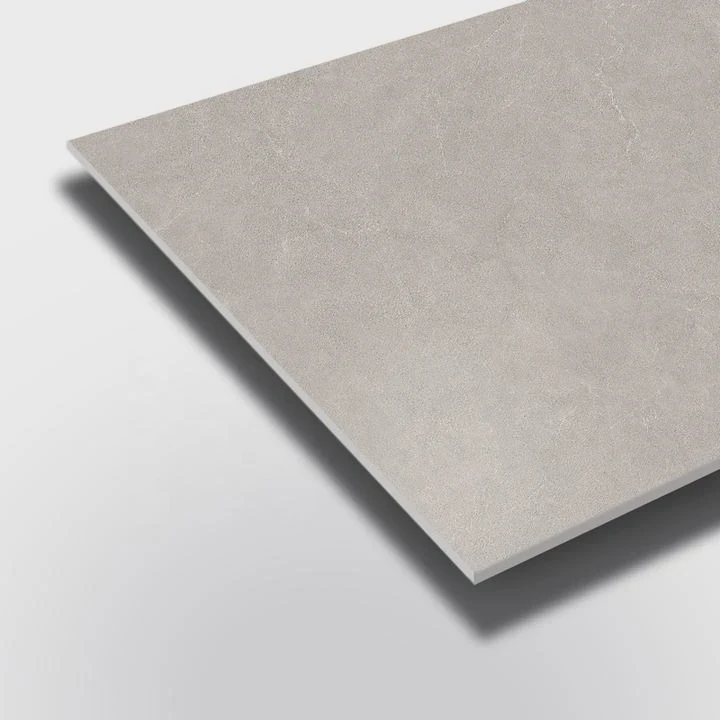
Alignment is one of the most important visual factors in marble installation. High-end projects demand very clean joint lines and smooth transitions between tiles.
Why Marble Alignment Is More Challenging
Natural marble tiles may contain slight size variations. Vein patterns also affect visual alignment.
Large-format marble tiles create additional challenges because even small leveling mistakes become easier to notice.
Core Alignment Techniques
| Technique | Main Purpose | Result |
|---|---|---|
| Chalk reference lines | Keeps layout straight | Better symmetry |
| Tile leveling systems | Reduces lippage | Smoother surface |
| Tile spacers | Controls grout joints | Uniform gaps |
| Dry fitting | Tests alignment first | Fewer mistakes |
| Laser levels | Improves precision | Cleaner layout |
Why Tile Leveling Systems Help
Tile leveling clips and wedges help keep neighboring tiles at the same height.
This is especially important for polished marble because reflected light makes uneven surfaces very noticeable.
The Importance of Starting Point Selection
Center Layout Method
Many installers begin from the room center for balanced cuts.
Feature Wall Alignment
In luxury spaces, alignment may focus on visible feature areas first.
Controlling Grout Joint Width
Small joint variations become obvious with marble because the surface pattern naturally attracts attention.
Consistent spacing improves:
- Visual balance
- Cleaning performance
- Overall luxury appearance
Why Slow Installation Often Produces Better Results
Rushing marble installation increases mistakes.
Professional installers usually place and adjust each tile carefully. They constantly check:
- Height differences
- Joint straightness
- Vein continuity
- Surface flatness
Handling Large Marble Tiles
Large-format marble tiles require additional care because they are heavier and less forgiving.
Installers often use:
- Suction lifters
- Two-person handling
- Larger leveling clips
- Stronger adhesive support
Lighting Checks During Installation
Experienced installers inspect marble floors under strong lighting during installation. This helps reveal:
- Uneven joints
- Lippage
- Surface reflection issues
- Pattern imbalance
Early correction is much easier than post-installation repair.
Proper alignment techniques help marble achieve its full visual effect. In premium residential and commercial projects, installation quality often matters just as much as the marble itself.
Conclusion
Successful marble tile installation depends on careful preparation, stain prevention, proper adhesive selection, and precise alignment techniques. Marble is beautiful but sensitive, so every installation step matters. Professional planning and correct installation methods help create durable, elegant surfaces that maintain their appearance for many years.