Do It Yourself Backsplash Tile?
- Sinotiles
- 2026-06-27
Many homeowners want to upgrade their kitchens without hiring professional installers. Yet a backsplash project can quickly become frustrating when planning and installation mistakes occur.
Yes, a DIY backsplash tile project is achievable for most homeowners with basic tools, proper preparation, and careful planning. Success depends on choosing the right materials, creating an accurate layout, using tile spacers, and following a step-by-step installation process.
A tile backsplash can transform the appearance of a kitchen or bathroom while protecting walls from moisture and stains. Understanding the entire process before starting helps reduce mistakes and improves the final result.
What Materials Are Needed for DIY Backsplash Tiling?
Many DIY projects fail because important materials are missing or selected incorrectly. Proper preparation helps avoid delays and installation problems.
A DIY backsplash project typically requires tiles, adhesive, grout, spacers, trim pieces, measuring tools, cutting tools, and cleaning supplies. Choosing quality materials helps ensure a durable and attractive installation.
Before opening the first box of tiles, it is important to gather all necessary materials and tools.
Essential Tile Materials
The tile itself is the centerpiece of the project.
Popular backsplash options include:
- Ceramic tiles
- Porcelain tiles
- Mosaic tiles
- Subway tiles
- Decorative accent tiles
Each option offers different styles, maintenance requirements, and price points.
Adhesives
The adhesive creates the bond between the tile and the wall.
Common choices include:
| Adhesive Type | Best Application |
|---|---|
| Polymer-Modified Thin-Set | Most tile projects |
| Premixed Tile Adhesive | Small residential projects |
| Specialty Mortar | Large-format tiles |
Many DIY installers prefer premixed products for convenience, while experienced installers often choose thin-set mortar for stronger performance.
Grout
Grout fills the spaces between tiles and helps create a finished appearance.
Popular grout options include:
- Sanded grout
- Unsanded grout
- Epoxy grout
The correct choice depends on grout joint width and project requirements.
Tile Trim and Edge Pieces
Exposed tile edges often require finishing materials.
Common solutions include:
- Aluminum trim
- PVC trim
- Bullnose tiles
- Decorative edge profiles
These products help create a cleaner and more professional appearance.
Tools Required
Several tools are essential for installation.
Measuring Tools
Accurate measurements improve layout planning.
Common measuring tools include:
- Tape measure
- Level
- Pencil
- Straight edge
Tile Cutting Tools
Most backsplash projects require tile cutting.
Depending on tile type, tools may include:
- Manual tile cutter
- Wet saw
- Tile nippers
- Hole saw
Safety Equipment
Safety should never be overlooked.
Recommended items include:
- Safety glasses
- Gloves
- Dust mask
- Knee pads
Cleaning Supplies
Cleanup materials are equally important.
Keep these items nearby:
- Sponge
- Bucket
- Clean water
- Microfiber cloth
Material Planning Helps Avoid Problems
Many first-time installers underestimate the value of preparation.
Creating a complete materials checklist before starting helps:
- Reduce project interruptions
- Avoid multiple store visits
- Improve installation efficiency
- Minimize costly mistakes
A well-organized workspace often contributes directly to a smoother installation and a better final result.
How Can Layout Planning Improve Installation Results?
Many backsplash problems become visible only after installation is complete. Uneven cuts, poor symmetry, and awkward tile placement often result from inadequate layout planning.
Layout planning improves installation results by creating balanced tile placement, minimizing small edge cuts, maintaining symmetry, and reducing installation errors before adhesive is applied.
Layout planning is one of the most important parts of a successful backsplash project.
Start with Accurate Measurements
Every layout begins with precise measurements.
Measure:
- Total wall width
- Countertop length
- Cabinet spacing
- Outlet locations
- Window openings
Accurate dimensions help determine tile quantity and placement.
Identify the Visual Center
Many professional installers begin from a focal point.
Common focal points include:
- Center of the stove
- Center of the sink
- Center of the wall section
Starting from a balanced center often creates a more attractive appearance.
Dry Lay the Tiles
A dry layout involves placing tiles without adhesive.
Benefits include:
- Previewing the finished design
- Identifying problematic cuts
- Adjusting spacing
- Confirming visual balance
This simple step often prevents major installation mistakes.
Avoid Small Edge Pieces
Very narrow tile cuts can look unattractive.
When planning the layout:
Shift the Starting Point
A slight adjustment can create larger and more balanced cuts on both ends.
Evaluate Multiple Layout Options
Testing different layouts helps identify the best visual result.
Consider Tile Patterns
Different tile patterns require different planning approaches.
Straight Stack Pattern
Tiles align directly above one another.
Benefits include:
- Simple installation
- Modern appearance
- Easier measurements
Running Bond Pattern
Often called a subway pattern.
Benefits include:
- Traditional style
- Visual movement
- Flexibility around obstacles
Planning Around Obstacles
Backsplashes frequently include:
- Electrical outlets
- Switches
- Windows
- Ventilation openings
Proper planning reduces difficult cuts and improves appearance.
Layout Planning Checklist
| Planning Task | Purpose |
|---|---|
| Measure Wall | Determine tile quantity |
| Find Center Point | Improve symmetry |
| Dry Layout | Preview appearance |
| Mark Reference Lines | Maintain alignment |
| Plan Edge Cuts | Improve visual balance |
Why Professionals Spend Time Planning
Many experienced installers devote significant time to layout planning before installation begins.
This investment helps:
- Reduce waste
- Improve efficiency
- Prevent alignment issues
- Enhance final appearance
A backsplash is often viewed at eye level. Small layout mistakes become highly visible once the project is completed. Careful planning helps create a clean, balanced, and professional-looking result.
Why Use Spacers for Consistent Tile Gaps?
Some DIY installers skip spacers to save time. Unfortunately, inconsistent grout lines can quickly make a backsplash appear uneven and unprofessional.
Tile spacers ensure consistent gaps between tiles, improve alignment, simplify installation, and create uniform grout joints that enhance both appearance and performance.
Tile spacers are small tools that provide significant benefits.
What Are Tile Spacers?
Tile spacers are small plastic pieces inserted between tiles during installation.
Their purpose is to maintain consistent grout joint widths.
Common sizes include:
| Spacer Size | Typical Use |
|---|---|
| 1⁄16 Inch | Rectified tiles |
| 1⁄8 Inch | Standard backsplash installations |
| 3⁄16 Inch | Rustic tile styles |
| 1⁄4 Inch | Decorative wide joints |
Choosing the correct size depends on the tile and desired appearance.
Benefits of Consistent Grout Lines
Uniform spacing creates several advantages.
Better Appearance
Straight grout lines create a cleaner and more professional finish.
Improved Symmetry
Consistent joints help maintain pattern alignment throughout the installation.
Easier Grouting
Even spacing allows grout to fill joints more uniformly.
Preventing Tile Movement
Freshly installed tiles may shift before adhesive cures.
Spacers help keep tiles in position while:
- Adhesive sets
- Adjustments are made
- Alignment is checked
Supporting Different Tile Styles
Different tile types benefit from spacers.
Subway Tiles
Spacers help maintain straight running bond patterns.
Mosaic Tiles
Sheet-mounted mosaics often require occasional spacer adjustments to maintain consistency.
Large Format Tiles
Accurate spacing becomes even more important because larger tiles highlight alignment errors.
Common Problems Without Spacers
Skipping spacers can create:
- Uneven grout joints
- Crooked rows
- Inconsistent patterns
- Difficult grout application
These issues often become obvious after grouting.
How to Use Spacers Properly
The process is straightforward.
- Apply adhesive.
- Set the tile.
- Insert spacers.
- Continue installation.
- Remove spacers before grouting.
Regular alignment checks remain important even when spacers are used.
Small Tool, Major Impact
Tile spacers are inexpensive but provide tremendous value.
They help create:
- Uniform joints
- Better alignment
- Cleaner appearance
- Professional results
Many successful DIY projects rely on simple tools used correctly. Tile spacers are one of the easiest ways to improve backsplash installation quality.
Which Steps Ensure Successful DIY Backsplash Installation?
Many homeowners focus on individual installation tasks while overlooking the complete process. A successful backsplash project depends on following each step carefully from start to finish.
Successful DIY backsplash installation requires proper surface preparation, accurate layout planning, careful tile placement, consistent spacing, proper grouting, and thorough cleanup. Following a structured process helps achieve professional-looking results.
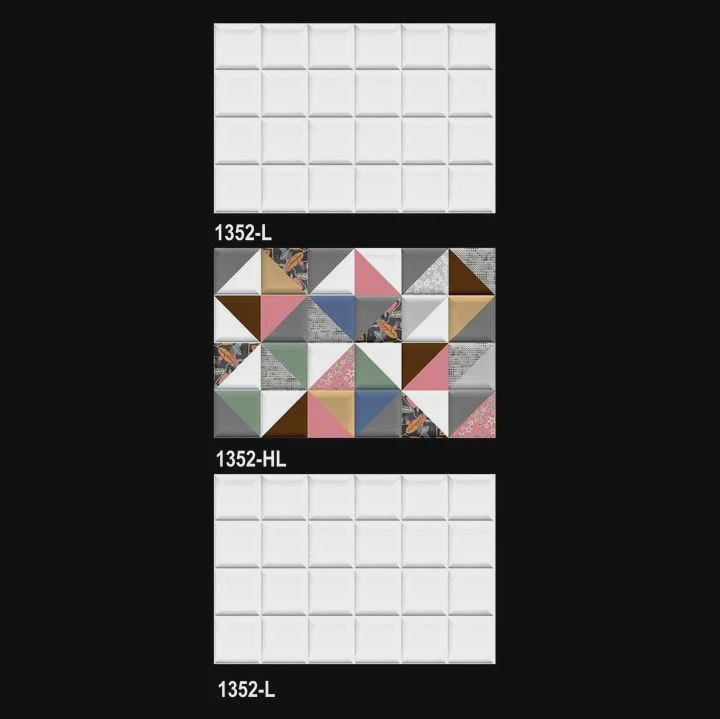
A systematic approach greatly improves project outcomes.
Step 1: Prepare the Surface
The wall must provide a suitable bonding surface.
Preparation typically includes:
- Cleaning grease and dirt
- Removing loose materials
- Repairing damage
- Ensuring surface flatness
A clean wall helps maximize adhesive performance.
Step 2: Create Reference Lines
Reference lines guide installation.
Use a level to draw:
- Horizontal lines
- Vertical center lines
- Alignment marks
These lines help maintain straight tile placement.
Step 3: Test the Layout
Before adhesive is applied:
Dry Lay Tiles
Confirm spacing and pattern placement.
Check Edge Cuts
Verify visual balance at corners and edges.
Step 4: Apply Adhesive
Spread adhesive evenly using the appropriate trowel.
Important practices include:
- Working in small sections
- Maintaining consistent coverage
- Avoiding excessive adhesive buildup
Step 5: Install Tiles
Place tiles carefully according to the layout plan.
Key considerations include:
Consistent Pressure
Tiles should sit evenly within the adhesive bed.
Use Tile Spacers
Maintain uniform grout joints throughout the installation.
Check Alignment Frequently
A level and straight edge help identify problems early.
Step 6: Allow Proper Curing Time
Adhesive requires time to develop strength.
Avoid disturbing tiles during curing.
Manufacturer recommendations should always be followed.
Step 7: Apply Grout
After adhesive cures:
- Mix grout properly.
- Fill all joints.
- Remove excess material.
- Smooth grout lines.
Consistent grout application improves appearance and durability.
Step 8: Clean the Surface
Cleaning is an essential final step.
Remove:
- Grout haze
- Adhesive residue
- Dust and debris
A clean surface highlights the beauty of the tile installation.
Step 9: Install Trim and Finishing Details
Complete exposed edges with:
- Tile trim
- Bullnose pieces
- Decorative profiles
These details help create a finished appearance.
Step 10: Inspect the Finished Project
Perform a final inspection.
Check for:
| Inspection Item | What to Verify |
|---|---|
| Tile Alignment | Straight rows |
| Grout Consistency | Uniform joints |
| Trim Placement | Clean edges |
| Surface Cleanliness | No residue |
| Tile Stability | Secure attachment |
The Importance of Patience
Many DIY backsplash projects fail because installers rush through critical stages.
Taking time to:
- Measure carefully
- Plan layouts
- Check alignment
- Follow curing schedules
often produces dramatically better results.
Even simple backsplash designs can achieve a professional appearance when each installation step receives proper attention.
Conclusion
A DIY backsplash tile project can be highly rewarding when approached with proper planning and preparation. By gathering the right materials, creating an accurate layout, using spacers for consistent joints, and following a structured installation process, homeowners can achieve durable, attractive, and professional-looking backsplash results.