How to Buff Marble Tile?
- Sinotiles
- 2026-06-27
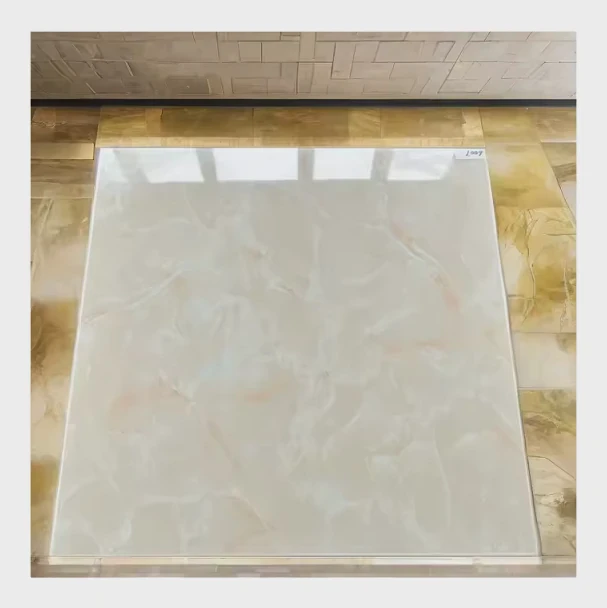
Dull marble tiles can make even a beautiful space look worn and neglected. Many property owners assume the only solution is replacement, which often leads to unnecessary expenses.
Buffing marble tile restores surface shine by removing minor scratches, smoothing imperfections, and enhancing the stone’s natural appearance using specialized tools, polishing pads, and marble polishing compounds.
Marble remains one of the most popular natural stone materials for residential and commercial projects. Its elegant appearance adds value to floors, walls, bathrooms, hotels, and luxury interiors. Yet over time, foot traffic, cleaning chemicals, and daily wear can reduce its shine. Understanding the correct buffing process helps maintain marble’s beauty while extending its service life.
What Tools Are Used to Buff Marble Tiles?
Many marble restoration projects fail because the wrong tools are used. Standard cleaning equipment often cannot remove dullness, scratches, or etching from marble surfaces.
The most common tools used to buff marble tiles include polishing machines, variable-speed buffers, diamond polishing pads, microfiber cloths, polishing powders, and spray bottles for controlled moisture application.
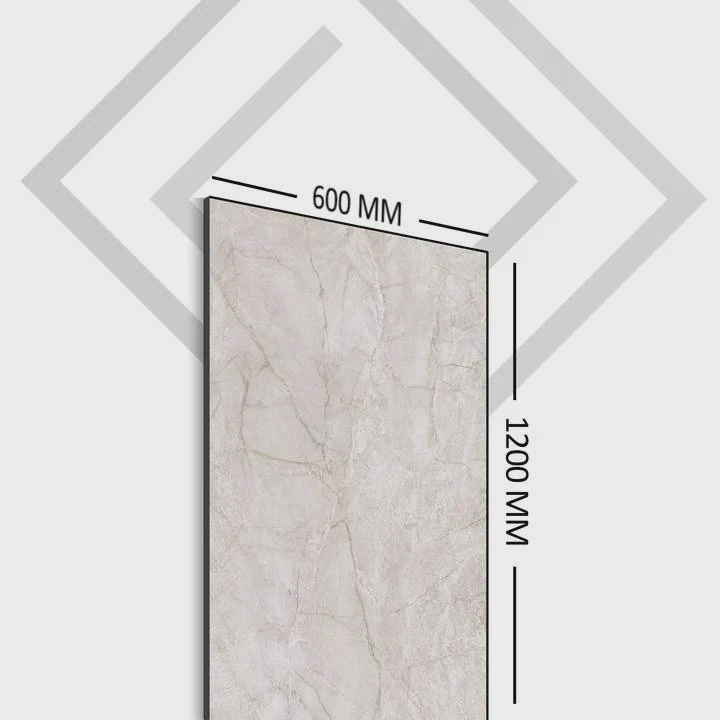
When discussing marble maintenance with contractors, one question comes up frequently: can marble be polished using ordinary household tools? In most cases, professional-grade equipment produces better and more consistent results.
Understanding Marble Buffing Equipment
Marble is softer than granite but harder than many ceramic materials. Because of this unique balance, the polishing equipment must be chosen carefully.
The primary goal is to:
- Smooth the surface
- Remove light scratches
- Restore reflectivity
- Enhance natural color depth
Variable-Speed Polisher
A variable-speed polisher is one of the most important tools.
Benefits include:
- Adjustable speed control
- Better polishing accuracy
- Reduced risk of overheating
- Improved finish quality
Lower speeds are often used during final polishing stages.
Diamond Polishing Pads
Diamond pads are widely used for marble restoration.
They come in different grit levels.
| Grit Level | Purpose |
|---|---|
| 50-200 | Heavy scratch removal |
| 400-800 | Surface smoothing |
| 1500-3000 | High-gloss polishing |
| Buff Pad | Final shine enhancement |
The polishing process usually moves from lower grit to higher grit.
Floor Buffing Machines
Large commercial areas often require floor polishing machines.
Common applications include:
- Hotel lobbies
- Shopping centers
- Office buildings
- Luxury residences
These machines improve efficiency while maintaining consistent results across large surfaces.
Microfiber Materials
Microfiber products are often overlooked.
However, they help with:
- Dust removal
- Compound cleanup
- Final inspection
- Surface protection
Clean microfiber cloths prevent new scratches during polishing.
Water Sprayers
Water plays an important role during marble polishing.
Light moisture helps:
- Reduce heat buildup
- Improve polishing action
- Minimize dust
Excess water should be avoided because it may reduce polishing effectiveness.
Safety Equipment
Professional operators also use safety gear.
This includes:
- Safety glasses
- Gloves
- Dust masks
- Hearing protection
Proper protection becomes especially important during large-scale restoration projects.
Selecting the right equipment is often the first step toward achieving a professional marble finish.
How Can Polishing Restore Marble Shine?
Many people notice that older marble surfaces lose their reflective appearance. The stone may look flat, cloudy, or lifeless even after thorough cleaning.
Polishing restores marble shine by smoothing microscopic surface damage, removing dull areas, and refining the stone until it reflects light more effectively.
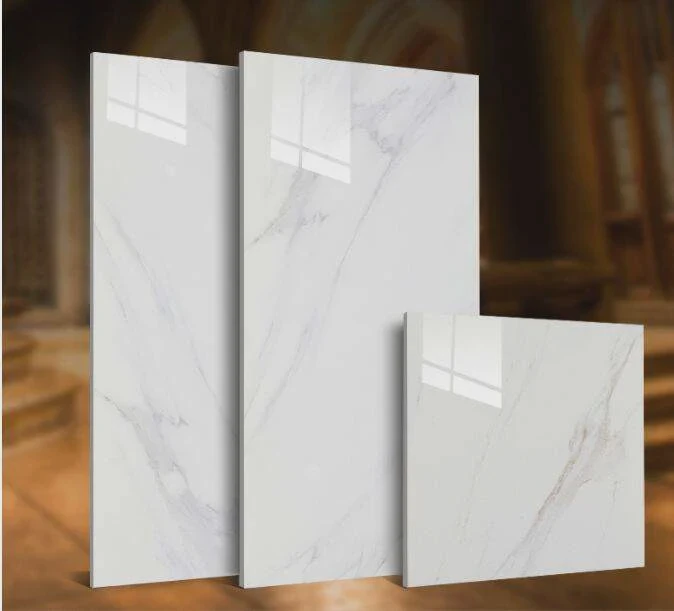
A common misconception is that marble becomes dull because it is dirty. Dirt can contribute to the problem, but surface wear is usually the main cause.
Why Marble Loses Its Shine
Several factors affect marble over time.
Common causes include:
- Foot traffic
- Acidic cleaners
- Food spills
- Abrasive particles
- Improper maintenance
Even small amounts of wear can change how light reflects from the surface.
Understanding Surface Reflection
Polished marble appears shiny because the surface is extremely smooth.
When light strikes a smooth surface:
- Reflection becomes uniform
- Colors appear richer
- Patterns become clearer
When scratches develop, light scatters in different directions, creating a dull appearance.
The Role of Abrasion
Polishing works through controlled abrasion.
The process gradually:
- Removes minor defects.
- Levels uneven areas.
- Refines the surface texture.
- Produces a reflective finish.
This controlled refinement is very different from ordinary cleaning.
Removing Etching
Etching is a common problem with marble.
Acidic substances such as:
- Lemon juice
- Vinegar
- Wine
- Certain cleaners
Can chemically react with marble and leave dull marks.
Polishing helps remove shallow etching and restore uniform appearance.
Multi-Step Polishing Process
Professional polishing usually involves multiple stages.
Coarse Refinement
The first stage addresses:
- Light scratches
- Surface imperfections
- Minor wear
Intermediate Refinement
The second stage smooths the stone further.
This step improves clarity and prepares the surface for final polishing.
Final Shine Enhancement
The final stage develops gloss and reflection.
At this point, the marble begins to display its natural beauty again.
Benefits of Proper Polishing
Well-polished marble offers several advantages.
These include:
- Enhanced brightness
- Improved appearance
- Better light reflection
- Increased property appeal
- Easier maintenance
For many projects, polishing restores the visual impact that originally made marble such a desirable material.
Why Use Specific Compounds for Marble Surfaces?
Some people attempt to polish marble using generic polishing products. Unfortunately, many of these products are designed for other materials and may not produce satisfactory results.
Specific marble polishing compounds are formulated to work with the unique mineral composition of marble, helping achieve better shine while minimizing surface damage.
Using the correct polishing compound can significantly affect the final result. Marble requires products that complement its natural characteristics.
Understanding Marble Composition
Marble consists primarily of calcium carbonate.
This composition makes it:
- Elegant
- Relatively soft
- Sensitive to acids
- Responsive to polishing
Because of these properties, not all polishing compounds are suitable.
How Marble Compounds Work
Marble polishing compounds contain carefully selected ingredients that help refine the stone surface.
Their functions include:
- Removing fine scratches
- Increasing reflectivity
- Enhancing color depth
- Improving gloss
The polishing action occurs at a microscopic level.
Common Types of Marble Compounds
Several compound categories are available.
Marble Polishing Powder
Polishing powder remains one of the most widely used options.
Benefits include:
- High gloss results
- Professional appearance
- Effective restoration
It is often applied with water and buffing equipment.
Crystallization Products
Some commercial maintenance programs use crystallization systems.
These products create a chemical reaction that improves surface hardness and shine.
They are common in:
- Hotels
- Airports
- Commercial facilities
Polishing Creams
Polishing creams are often used for:
- Countertops
- Small surfaces
- Spot repairs
They offer convenience for localized restoration work.
Risks of Using Incorrect Products
Improper compounds may cause:
- Surface haze
- Uneven gloss
- Additional scratching
- Chemical damage
This is especially true when products designed for granite or concrete are used on marble.
Comparison of Common Compound Types
| Compound Type | Best Use | Shine Level |
|---|---|---|
| Polishing Powder | Full restoration | Very High |
| Polishing Cream | Small repairs | High |
| Crystallizer | Commercial floors | Very High |
| Generic Polish | Limited use | Moderate |
Long-Term Benefits
Quality polishing compounds support long-term marble care.
They help:
- Preserve appearance
- Reduce future maintenance
- Improve durability perception
- Enhance customer satisfaction
Investing in suitable products often delivers better results and greater consistency.
Which Steps Ensure Smooth Marble Finishing?
Many marble surfaces appear uneven after polishing because important finishing stages were skipped. A professional result depends on following the complete process from start to finish.
Smooth marble finishing requires thorough cleaning, progressive polishing, proper compound application, consistent buffing, and careful final inspection to achieve uniform shine and texture.
One lesson learned from many restoration projects is that rushing the final stages often creates visible defects. Patience is essential when working with natural stone.
Step 1: Surface Inspection
Every project should begin with a detailed inspection.
Look for:
- Scratches
- Etching
- Stains
- Cracks
- Uneven wear
The condition of the marble determines the level of restoration required.
Step 2: Deep Cleaning
The surface must be completely clean before polishing begins.
Remove:
- Dust
- Dirt
- Wax residues
- Cleaning product buildup
Any contamination left behind can interfere with polishing performance.
Step 3: Initial Grinding or Honing
For heavily worn marble, light honing may be necessary.
This stage helps:
- Remove deeper scratches
- Correct uneven surfaces
- Prepare the stone for polishing
Not every project requires aggressive honing.
Step 4: Progressive Polishing
This is one of the most important stages.
The polishing sequence moves through increasingly finer abrasives.
A typical progression may look like:
| Stage | Grit Range | Purpose |
|---|---|---|
| Initial | 200-400 | Surface correction |
| Intermediate | 800-1500 | Refinement |
| Final | 3000+ | Gloss development |
Skipping grit levels often creates inconsistent results.
Step 5: Apply Polishing Compound
After mechanical polishing, the compound is applied.
This stage:
- Enhances clarity
- Improves gloss
- Refines reflection
Even application is important for consistent appearance.
Step 6: Final Buffing
The final buffing process develops maximum shine.
Key considerations include:
Consistent Movement
Keep the machine moving steadily.
This helps prevent:
- Uneven gloss
- Swirl marks
- Heat buildup
Proper Pressure
Excess pressure can damage the finish.
Too little pressure may reduce polishing effectiveness.
Balanced pressure produces the best results.
Step 7: Inspection Under Different Lighting
Professional finishers often inspect marble under multiple lighting conditions.
This helps identify:
- Remaining scratches
- Dull spots
- Uneven reflection
Small defects become easier to see under angled light.
Step 8: Surface Protection
After polishing, a marble sealer may be applied.
Benefits include:
- Stain resistance
- Easier maintenance
- Longer-lasting appearance
Although sealing does not create shine, it helps preserve the polished finish.
Achieving Professional Results
Smooth marble finishing depends on attention to detail.
The most successful projects follow a complete process that includes:
- Careful preparation
- Proper tool selection
- Progressive polishing
- Appropriate compounds
- Thorough inspection
When these steps are completed correctly, marble can regain the elegant appearance that makes it one of the most valued natural stone materials in the world.
Conclusion
Buffing marble tile is an effective way to restore shine, remove minor imperfections, and enhance the stone’s natural beauty. By using the correct tools, specialized polishing compounds, and a systematic polishing process, marble surfaces can achieve a smooth, reflective finish that improves both appearance and long-term value.