Do It Yourself Tile Reglazing?
- Sinotiles
- 2026-05-19
Old tiles can make a whole room look worn out. Many homeowners want a fresh look but worry about the high cost of replacing tiles.
DIY tile reglazing can refresh old tiles without full renovation. The process includes cleaning, sanding, repairing damage, applying primer, and coating the surface with the right refinishing products for long-lasting results.
Many buyers and contractors ask whether tile reglazing is worth the effort. Some projects look excellent for years, while others peel within months. The difference often comes from preparation, materials, and application methods. A reglazing project may look simple online, but small mistakes can ruin the finish. Understanding the full process helps avoid wasted time and money.
What Steps Are Involved in DIY Tile Reglazing?
Many people start reglazing projects because old tiles look outdated. Yet poor planning can lead to uneven coatings, peeling surfaces, and disappointing results.
DIY tile reglazing usually includes deep cleaning, surface sanding, repair work, primer application, coating, and curing. Each step helps the new finish bond correctly and improves durability.
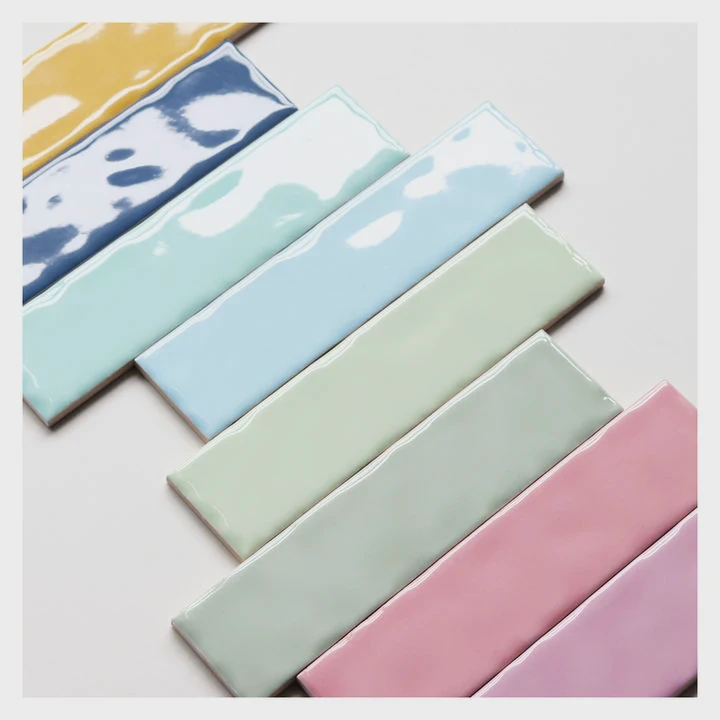
Tile reglazing is often seen as a shortcut compared to full tile replacement. In many cases, it saves both labor costs and downtime. Small bathrooms, kitchens, and rental properties are common places where reglazing becomes a practical option. Still, success depends on following the right process from start to finish.
Step 1: Clean the Tile Surface
Every reglazing project starts with cleaning. Dirt, soap residue, grease, and mold can stop coatings from bonding properly. A strong degreasing cleaner works best for removing years of buildup.
Many installers skip detailed cleaning because the surface may appear clean already. That creates problems later when coatings begin peeling around corners and grout lines.
Step 2: Repair Damaged Areas
Cracks, chips, and loose grout should be fixed before reglazing begins. Reglazing coatings are thin. They cannot hide major surface damage.
Small epoxy fillers often work well for repairs. After filling, the repaired spots need sanding so the surface becomes level.
Step 3: Sand the Surface
Glossy ceramic surfaces are naturally smooth. Coatings struggle to attach to shiny tile without abrasion.
Light sanding creates texture and improves adhesion. Fine-grit sandpaper or sanding pads are commonly used. Dust must then be removed completely.
Step 4: Apply Primer
Primer creates the bonding layer between old tile and new coating. Some DIY kits combine primer and topcoat systems, while others require separate products.
The primer must dry fully before additional layers are added.
Step 5: Apply the Reglazing Coating
The coating can be rolled, brushed, or sprayed. Spraying usually creates the smoothest finish, but many homeowners prefer rollers because they are easier to control.
Thin and even coats work better than thick applications.
Step 6: Allow Proper Curing Time
Drying and curing are not the same thing. Many surfaces feel dry within hours but remain soft underneath.
Heavy use too early may damage the finish permanently.
Typical DIY Reglazing Timeline
| Step | Purpose | Estimated Time |
|---|---|---|
| Cleaning | Remove dirt and grease | 2-4 hours |
| Repairs | Fix cracks and chips | 1-3 hours |
| Sanding | Improve adhesion | 1-2 hours |
| Priming | Create bonding layer | 2-6 hours drying |
| Coating | Add new finish | 4-8 hours |
| Curing | Harden the coating | 2-7 days |
Why the Process Matters
A reglazing project is only as strong as its weakest step. Many failed projects come from rushing preparation or applying thick coatings too quickly.
In commercial projects, contractors often spend more time preparing surfaces than applying coatings. That balance matters because adhesion determines long-term performance.
Some property owners only focus on appearance. Yet durability matters even more. A shiny surface that peels after six months creates extra repair costs and customer complaints. Careful step-by-step work gives better value over time.
How Can Surface Preparation Affect Reglazing Results?
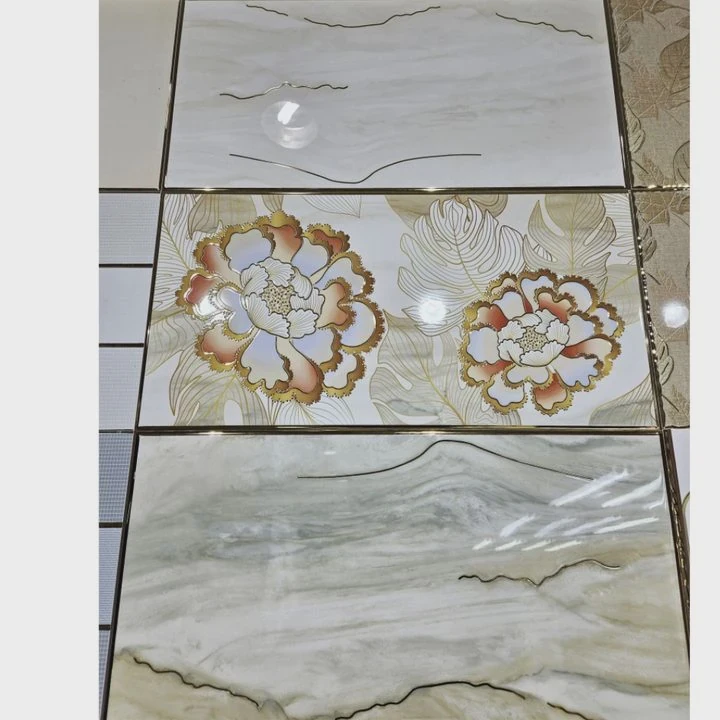
Many reglazing failures happen because the surface was not prepared correctly. The coating may look smooth at first but begin peeling after regular use.
Surface preparation directly affects adhesion, durability, and finish quality. Clean, sanded, and properly repaired surfaces allow coatings to bond strongly and last longer.
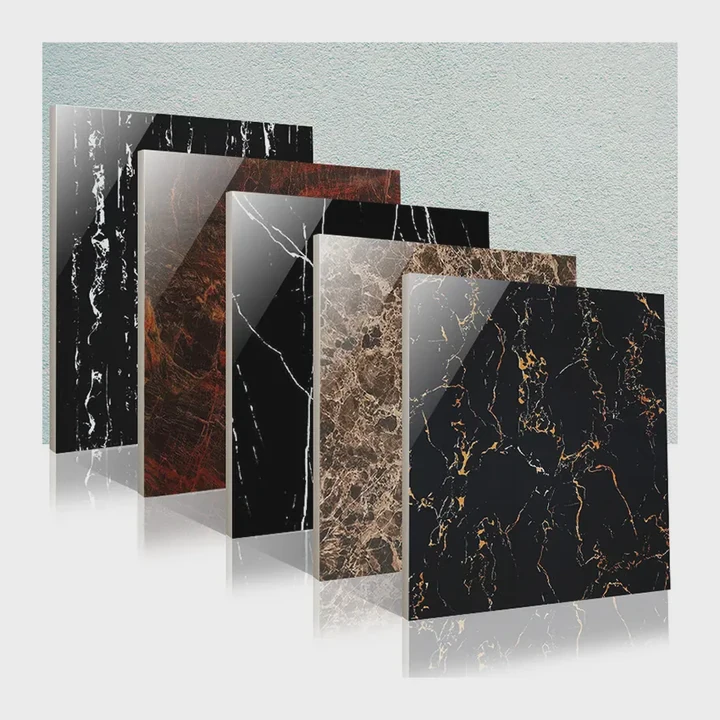
Preparation often determines whether a reglazing project lasts one year or many years. In large renovation projects, experienced contractors know preparation takes the most time. The coating itself is only one part of the process.
Why Cleaning Matters
Bathrooms and kitchens collect oils, soap film, wax, and moisture over time. Even invisible residue weakens adhesion.
A surface may feel smooth to the touch but still contain contaminants. Professional installers often clean tiles multiple times before sanding begins.
Why Sanding Improves Adhesion
Ceramic and porcelain tiles have glossy finishes that resist moisture. That same protection also prevents coatings from sticking.
Sanding creates microscopic scratches that help primers grip the surface. Without sanding, coatings can separate from the tile quickly.
Moisture Problems
Moisture trapped behind tiles can damage reglazing results. Bathrooms with poor ventilation often develop hidden humidity problems.
Before coating begins, the surface must be completely dry.
Grout Line Preparation
Grout absorbs moisture differently than tile surfaces. Loose or damaged grout should be repaired before reglazing.
Uneven grout lines become highly visible after coating.
Surface Defects Become More Visible
Reglazing coatings reflect light differently than old tile surfaces. Small imperfections may stand out more after refinishing.
That is why preparation includes careful inspection under strong lighting.
Common Surface Preparation Problems
| Problem | Result After Reglazing |
|---|---|
| Grease residue | Peeling coating |
| Poor sanding | Weak adhesion |
| Dust left behind | Rough texture |
| Wet surfaces | Bubbling |
| Unrepaired chips | Visible defects |
| Loose grout | Cracking finish |
Long-Term Impact of Preparation
Surface preparation affects maintenance as well. A properly bonded finish resists water, stains, and cleaning chemicals better.
Some DIY users focus mainly on color changes. Yet commercial buyers often care more about durability because repairs interrupt business operations.
In hospitality projects like hotels and apartments, poor preparation can create major maintenance costs. Recoating occupied spaces is inconvenient and expensive. That is why experienced installers spend extra time checking every surface before coating begins.
Preparation also affects appearance consistency. Uneven sanding or missed repairs may create patchy reflections under bathroom lighting. Small flaws become more noticeable on glossy finishes.
Good preparation does not guarantee perfection, but poor preparation almost always guarantees problems.
Why Use Proper Coatings for Tile Refinishing?
Some DIY users try to save money by using ordinary paint instead of reglazing coatings. The surface may look acceptable at first but fail quickly under moisture and cleaning.
Proper tile refinishing coatings are designed for adhesion, water resistance, durability, and chemical exposure. Standard wall paints cannot handle the demands of tile surfaces.
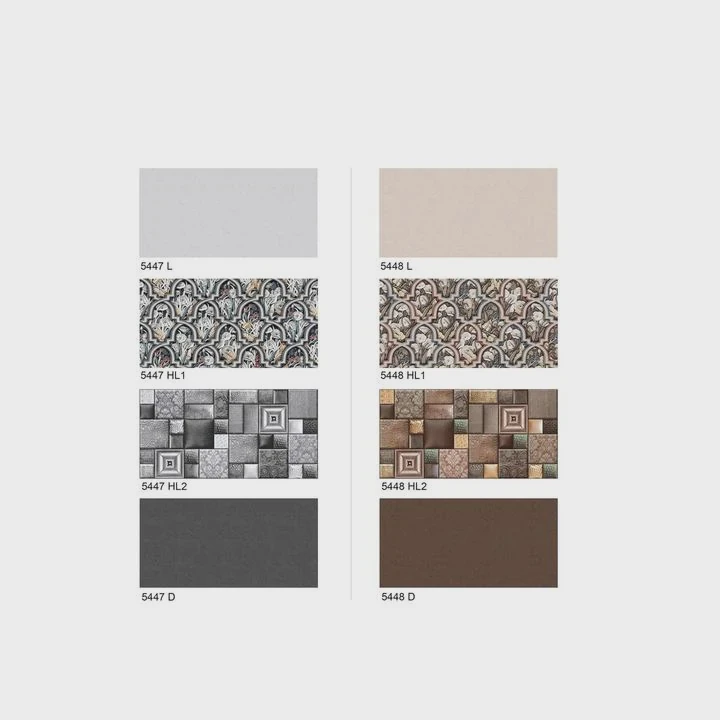
Tiles experience heavy wear every day. Bathrooms face constant humidity. Kitchen backsplashes collect grease and heat. Floors deal with foot traffic and cleaning chemicals.
Because of these conditions, tile coatings require stronger performance than normal decorative paints.
Difference Between Paint and Reglazing Coatings
Standard paint mainly focuses on appearance. Tile refinishing coatings focus on both appearance and surface protection.
Epoxy, urethane, and acrylic systems are common in reglazing products because they resist water and abrasion better.
Adhesion Performance
Tile surfaces are dense and non-porous. Coatings need chemical bonding strength to stay attached.
Low-quality coatings often chip around edges first because those areas experience more stress.
Resistance to Moisture
Bathrooms create constant exposure to steam and water. Proper coatings resist moisture penetration and reduce peeling risks.
Water-resistant coatings also help prevent mold growth around damaged surfaces.
Durability Against Cleaning Chemicals
Bathroom and kitchen cleaners contain chemicals that can damage weak coatings. Professional refinishing products resist household cleaning agents more effectively.
Appearance Quality
Proper coatings create smoother and more even finishes. Cheap paints may show roller marks, uneven gloss, or discoloration.
Spray-applied reglazing systems often achieve factory-like appearances.
Comparison of Common Coating Types
| Coating Type | Main Advantage | Common Use |
|---|---|---|
| Epoxy | Strong adhesion | Bathrooms |
| Acrylic urethane | Smooth finish | Kitchens |
| Polyurethane | High durability | Floors |
| Standard wall paint | Low cost only | Not recommended |
Why Material Quality Matters in Commercial Projects
Commercial buyers often calculate long-term maintenance costs instead of focusing only on initial price.
In hotels, apartments, and retail projects, peeling coatings damage customer impressions. Property managers usually prefer stronger coating systems because repeat repairs increase labor costs.
High-quality coatings also improve stain resistance. Light-colored tiles remain cleaner for longer periods when coated properly.
Another important factor is consistency. OEM and bulk buyers often need uniform color performance across large projects. Professional-grade coatings provide better control over gloss and shade matching.
Many overseas importers also ask suppliers about coating certifications, chemical resistance, and wear testing. These details become important for large-scale construction projects where durability standards matter.
Which Mistakes Should Be Avoided During Reglazing?
Many DIY reglazing projects fail because people rush the process. Small mistakes can reduce durability and create expensive repairs later.
Common reglazing mistakes include poor cleaning, skipping sanding, using incorrect coatings, applying thick layers, and ignoring curing time. Avoiding these problems improves both appearance and durability.
DIY videos often make reglazing look fast and simple. In reality, many problems appear weeks after the project is finished.
Understanding common mistakes helps avoid early coating failure.
Skipping Surface Cleaning
Even small amounts of grease or soap residue weaken adhesion. Some users clean only visible dirt and ignore invisible buildup.
That shortcut often leads to peeling around edges and corners.
Using the Wrong Products
Not all paints work for tiles. Regular wall paint usually lacks water resistance and bonding strength.
Using incompatible primers and topcoats may also cause cracking.
Applying Coatings Too Thick
Thick coatings dry unevenly. The surface may harden outside while remaining soft underneath.
This creates bubbling, wrinkling, and weak durability.
Ignoring Ventilation
Reglazing products often contain strong fumes. Poor ventilation creates safety risks and slows drying.
Fans and open windows improve airflow during application.
Rushing the Curing Process
Many people use the bathroom too soon after reglazing. Moisture exposure before full curing damages the finish quickly.
Manufacturers usually recommend waiting several days before heavy use.
Poor Tool Selection
Cheap rollers and brushes can leave fibers and streaks inside the finish.
Professional spray systems usually create smoother surfaces, especially for larger projects.
Most Common DIY Reglazing Mistakes
| Mistake | Possible Result |
|---|---|
| Skipping sanding | Peeling |
| Thick coating layers | Bubbling |
| Using wall paint | Early failure |
| Poor ventilation | Slow curing |
| Using surface too soon | Soft finish damage |
| Low-quality tools | Uneven texture |
Why Experience Still Matters
DIY reglazing can work well for smaller residential projects. Yet large commercial jobs often require experienced installers because consistency becomes more difficult across bigger surfaces.
In export markets, contractors usually prefer stable product systems with technical support. Problems on international projects can create expensive delays and warranty disputes.
Many first-time DIY users underestimate environmental conditions as well. Temperature and humidity strongly affect coating performance. A product that works well in dry climates may behave differently in humid regions.
Another common mistake involves unrealistic expectations. Reglazing improves appearance, but it does not fully replace damaged structural tile systems. Loose or water-damaged tiles often require replacement instead of refinishing.
Careful planning, proper products, and patience usually create better results than rushing to finish quickly.
Conclusion
DIY tile reglazing can refresh old surfaces at lower cost than replacement. Good preparation, proper coatings, and careful application make the biggest difference. Most long-lasting results come from patience, correct materials, and avoiding shortcuts during every stage of the process.