How Much Are Tile Floors?
- Sinotiles
- 2026-05-18
Tile flooring prices often confuse buyers. Many people only look at tile prices and forget labor, waste, transport, and installation details. This mistake can quickly push a project over budget.
Tile floor cost usually ranges from \(2 to \)15 per square foot for materials and \(4 to \)12 per square foot for installation. The final price depends on tile type, room size, labor difficulty, surface condition, and design requirements.
Many buyers first focus on appearance. Later, they realize the total project cost includes many hidden parts. A clear understanding of pricing helps avoid delays, unexpected spending, and poor supplier choices.
What Factors Affect Tile Flooring Cost Per Square Foot?
Many buyers compare tile prices online and assume the cheapest tile means the cheapest project. In reality, several hidden factors can change the final flooring cost very fast.
Tile flooring cost per square foot depends on tile size, material type, surface finish, installation area, subfloor condition, design complexity, and shipping cost. Each factor changes both material and labor expenses.
When discussing flooring projects with importers and contractors, one common issue appears again and again. Buyers often calculate only the tile price. They forget preparation work, waste rates, and installation difficulty. This creates budget pressure later.
Tile Size Changes Installation Cost
Large tiles usually create a modern and clean look. Many commercial projects now prefer sizes like 600×1200mm or 750×1500mm. Still, larger tiles need flatter subfloors and skilled workers.
Smaller tiles may look cheaper at first. Yet they often require more grout lines and longer installation time. Mosaic tiles are one clear example. The material itself may not be very expensive, but labor costs can become high.
Here is a simple comparison:
| Tile Size | Typical Use | Labor Difficulty | Waste Rate |
|---|---|---|---|
| 300×300mm | Bathrooms | Medium | Medium |
| 600×600mm | Residential Floors | Low | Low |
| 600×1200mm | Commercial Areas | High | Medium |
| Mosaic Tiles | Decorative Areas | Very High | High |
Surface Preparation Matters
Old floors create many hidden problems. Uneven concrete, cracks, moisture, or poor leveling increase installation cost.
Some contractors must first remove old flooring before laying new tiles. This step alone may add several dollars per square foot.
In one hotel project discussion, the buyer planned only for tile material and standard labor. Later, the contractor discovered serious floor leveling issues. The project cost increased by nearly 20%.
Design Complexity Raises Expenses
Straight tile layouts are faster and cheaper. Custom patterns need more cutting and more labor time.
Popular expensive layouts include:
- Herringbone patterns
- Diagonal layouts
- Waterjet designs
- Mixed-size patterns
- Decorative borders
Complex layouts also increase tile waste. More cuts mean more broken or unused pieces.
Location and Shipping Also Affect Pricing
Many buyers forget logistics. Freight costs can heavily impact imported tile projects.
For overseas buyers, total landing cost may include:
- Ocean freight
- Port charges
- Customs duties
- Inland trucking
- Pallet packaging
- Insurance
These costs become especially important for heavy products like porcelain tiles.
Quality Level Influences Long-Term Value
Cheap tiles sometimes create future replacement costs. Lower-quality products may have:
- Uneven sizing
- Weak glaze
- Poor stain resistance
- Color variation issues
Good-quality tiles reduce maintenance and replacement risks. This matters a lot for hotels, malls, and large residential projects.
How Does Material Choice Impact Total Installation Cost?
Many buyers focus only on tile appearance. Yet material selection affects not just product price, but also transport, cutting, maintenance, and labor requirements.
Porcelain, ceramic, marble, mosaic, and large slab tiles all have different installation needs. Material choice changes project cost through weight, durability, cutting difficulty, and installation complexity.
Material selection often decides whether a project stays profitable. Some buyers choose premium materials without understanding installation challenges. Others choose very cheap products and later face complaints from customers.
Ceramic Tiles Usually Offer Lower Total Cost
Ceramic tiles are common in residential projects because they balance price and performance.
They are:
- Lightweight
- Easy to cut
- Faster to install
- Affordable to transport
For budget-focused projects, ceramic tiles often provide good value.
Still, ceramic tiles may not suit heavy commercial traffic. High-impact areas may wear faster over time.
Porcelain Tiles Cost More but Last Longer
Porcelain tiles are denser and stronger. Many commercial buyers prefer them because of durability.
Common advantages include:
- Low water absorption
- Better wear resistance
- Stronger surface hardness
- Better stain resistance
Yet porcelain is harder to cut. Installers need stronger cutting tools and more time.
This directly affects labor pricing.
Natural Stone Increases Project Complexity
Marble and natural stone create luxury appeal. Hotels and premium villas often choose them for this reason.
Still, natural stone projects usually involve:
- Higher material costs
- More sealing requirements
- Careful color matching
- Extra polishing work
- Fragile transport conditions
Natural stone also creates more waste because veins and patterns must match visually.
Large Slab Tiles Need Professional Installation
Large-format porcelain slabs continue growing in popularity. Many modern projects use 900×1800mm or 1200×1200mm tiles.
These products create fewer grout lines and a clean visual effect. Yet installation becomes much harder.
Large slabs often require:
- Special lifting tools
- Multiple workers
- Stronger adhesive
- Precise leveling systems
One damaged slab can create expensive replacement costs.
Material Weight Affects Shipping Cost
Heavy materials increase freight charges quickly.
Here is a simple comparison:
| Material Type | Weight Level | Installation Difficulty | Maintenance Need |
|---|---|---|---|
| Ceramic Tile | Low | Low | Low |
| Porcelain Tile | Medium | Medium | Low |
| Marble Tile | High | High | High |
| Mosaic Tile | Medium | Very High | Medium |
| Large Slab Tile | Very High | Very High | Low |
Shipping becomes especially important for international importers. Heavy products reduce container loading efficiency and increase logistics expenses.
Maintenance Cost Should Not Be Ignored
Some cheap materials create high long-term maintenance costs.
For example:
- Glossy surfaces may scratch easier
- Natural stone may require sealing
- Cheap glaze may fade
- Low-density tiles may crack faster
Experienced buyers usually look at lifecycle value instead of only first purchase price.
Why Does Labor Cost Vary for Tile Floors?
Many customers feel surprised when two contractors give completely different installation quotes for the same tile project. Labor pricing depends on far more than simple square footage.
Tile labor cost changes based on tile size, room condition, installer experience, layout complexity, cutting requirements, and local wage levels. Difficult installations require more skill, time, and equipment.
Labor cost is often the biggest hidden part of a tile flooring project. In many countries, labor may equal or even exceed material cost.
Room Shape Changes Installation Time
Simple square rooms install faster. Irregular layouts slow down work.
Areas that increase labor time include:
- Stairs
- Columns
- Corners
- Curved walls
- Small bathrooms
- Kitchen islands
Every extra cut requires more time and more precision.
Large Tiles Require Skilled Installers
Many buyers assume large tiles reduce labor because fewer pieces are used. The reality is more complicated.
Large tiles require:
- Perfect leveling
- Better adhesive coverage
- Strong handling skills
- Precision alignment
Poor installation can create lippage problems. This means uneven tile edges, which customers quickly notice.
Waterproofing Adds Extra Labor
Bathrooms, kitchens, and outdoor spaces often need waterproof systems before tiling begins.
This process may include:
- Surface cleaning
- Crack repair
- Waterproof membrane coating
- Drying time
- Tile installation
Each step increases labor hours.
Removal of Old Flooring Raises Cost
Renovation projects usually cost more than new construction.
Old flooring removal may involve:
- Demolition work
- Dust control
- Waste disposal
- Surface grinding
- Crack repairs
This preparation work sometimes takes longer than the tile installation itself.
Regional Wage Levels Matter
Labor cost differs greatly by country and city.
For example:
- Major cities often have higher labor rates
- Skilled installers charge premium prices
- Commercial projects may require certified contractors
Cheap labor may save money at first. Yet poor workmanship often creates expensive repairs later.
Experienced Installers Reduce Risk
Professional installers usually work faster and make fewer mistakes.
This becomes critical for:
- Large commercial spaces
- Luxury villas
- Hotel projects
- Large slab installation
- Pattern layouts
In one commercial project discussion, a buyer chose the cheapest installer. Several months later, hollow tiles and uneven surfaces appeared. Repair costs became much higher than the original savings.
Adhesive and Grout Selection Also Affect Labor
Different materials require different installation systems.
For example:
- Large slabs may need high-bond adhesives
- Outdoor tiles may require flexible grout
- Wet areas may need epoxy grout
These systems increase both material and labor expenses.
Which Budgeting Tips Help Reduce Tile Flooring Expenses?
Many buyers believe lowering tile quality is the best way to save money. In reality, smart planning usually creates better savings without hurting project quality.
Buyers can reduce tile flooring expenses by choosing practical sizes, simplifying layouts, improving project planning, reducing waste, and selecting experienced suppliers with stable production and shipping support.
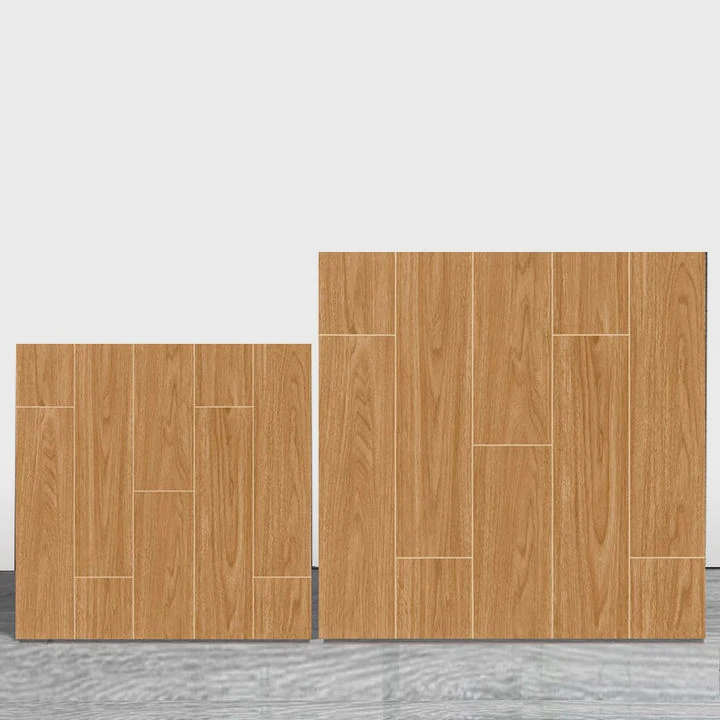
Over the years, many successful importers controlled project costs through planning instead of simply buying the cheapest products. Good decisions early in the process often save large amounts later.
Choose Standard Sizes
Standard tile sizes usually cost less because factories produce them in larger quantities.
Popular economical sizes include:
- 600×600mm
- 800×800mm
- 600×1200mm
Custom sizes may increase:
- Production cost
- Minimum order quantity
- Shipping complexity
- Breakage risk
Simplify Tile Layout Patterns
Straight installation patterns reduce both labor and waste.
Complex designs may look attractive, but they increase:
- Cutting time
- Tile waste
- Installation errors
- Labor hours
For large commercial projects, simple layouts often provide the best balance between appearance and budget.
Order Correct Quantities
Poor quantity planning creates unnecessary spending.
Buyers should normally include:
- 5% extra for simple layouts
- 10% extra for complex layouts
- Additional spare stock for future repairs
Too little stock creates color matching problems later if production batches change.
Compare Full Project Cost, Not Only Tile Price
Some suppliers offer low tile prices but weak packaging or unstable delivery schedules.
This may create:
- Broken tiles
- Delayed projects
- Emergency reorders
- Extra warehouse costs
Reliable suppliers often help reduce hidden risks.
Use Durable Products for Long-Term Savings
Low-quality tiles may seem attractive for short-term budgets. Yet replacement and maintenance costs can become much higher later.
Durable products help reduce:
- Crack replacement
- Surface wear
- Customer complaints
- Repair labor
This is especially important for hotels, malls, and commercial buildings with heavy traffic.
Plan Shipping Carefully
International buyers can reduce costs through better container planning.
Good loading plans help:
- Maximize container space
- Reduce freight cost per square meter
- Lower breakage rates
- Improve unloading efficiency
Experienced export suppliers often provide loading support and packaging advice.
Build Long-Term Supplier Relationships
Stable cooperation often creates better pricing and better service over time.
Long-term buyers may receive:
- Better payment terms
- Faster production schedules
- Priority stock allocation
- Custom packaging support
Many successful importers grow their business through stable supplier partnerships instead of changing suppliers every order.
Conclusion
Tile flooring cost depends on much more than tile price alone. Material choice, labor complexity, logistics, and project planning all shape the final budget. Buyers who understand these factors early usually achieve better quality, lower risk, and stronger long-term value.