does reglazing tile last?
- Sinotiles
- 2026-04-21
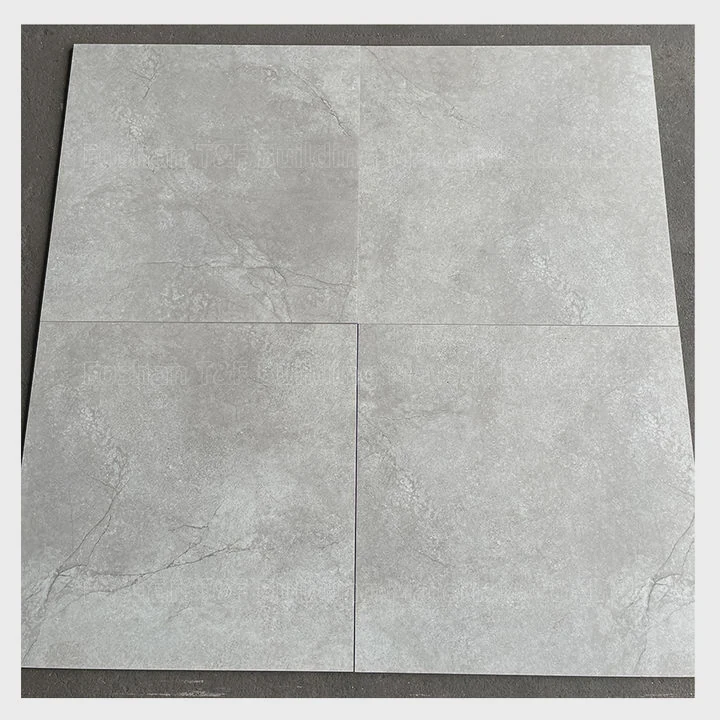
Old tiles look worn and dull. Replacing them costs time and money. Many people worry that reglazing may not last long enough to justify the effort.
Tile reglazing can last 10 to 15 years with proper care, making it a cost-effective way to restore surfaces without full replacement.
Many buyers and project managers ask this question before making a decision. The real answer depends on use, care, and product quality. Let’s break it down step by step.
How long does tile reglazing typically last?
Tiles lose shine over time. Scratches, stains, and dull surfaces create a worn look. Many people want a fast fix but worry about durability.
Tile reglazing usually lasts between 10 and 15 years when applied correctly and maintained well.
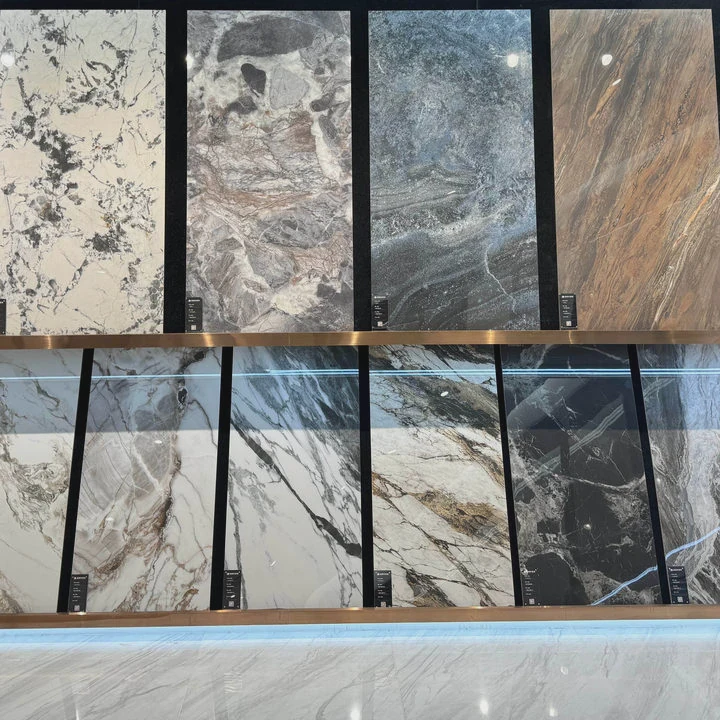
Tile reglazing is not just paint. It is a coating system that bonds to the tile surface. When done right, it creates a smooth and strong finish. The lifespan depends on how the surface is prepared and how the coating is applied.
What affects the typical lifespan?
Several key points determine how long the finish holds:
- Surface preparation quality
- Type of coating used
- Frequency of use
- Cleaning habits
Typical lifespan by application area
| Area Type | Expected Lifespan | Notes |
|---|---|---|
| Residential wall | 12–15 years | Low wear, easy maintenance |
| Bathroom floor | 8–12 years | Medium traffic, moisture |
| Commercial space | 5–10 years | High traffic, heavy use |
| Kitchen surfaces | 10–12 years | Exposure to grease and heat |
In real projects, bathroom walls last the longest. Floors wear faster because of foot traffic. Commercial spaces see faster wear due to heavy use.
Why reglazing still makes sense
Replacing tiles means demolition, labor, and downtime. Reglazing avoids all that. It gives a fresh look at a lower cost. For many buyers, especially those managing multiple properties, this balance is practical.
From experience in supply and renovation discussions, many clients choose reglazing as a mid-term solution. It bridges the gap between quick fixes and full renovation.
What factors affect reglazed tile durability?
Some reglazed tiles last years. Others fail early. The difference often comes down to a few critical factors.
Durability depends on preparation, coating quality, environment, and how the surface is used daily.
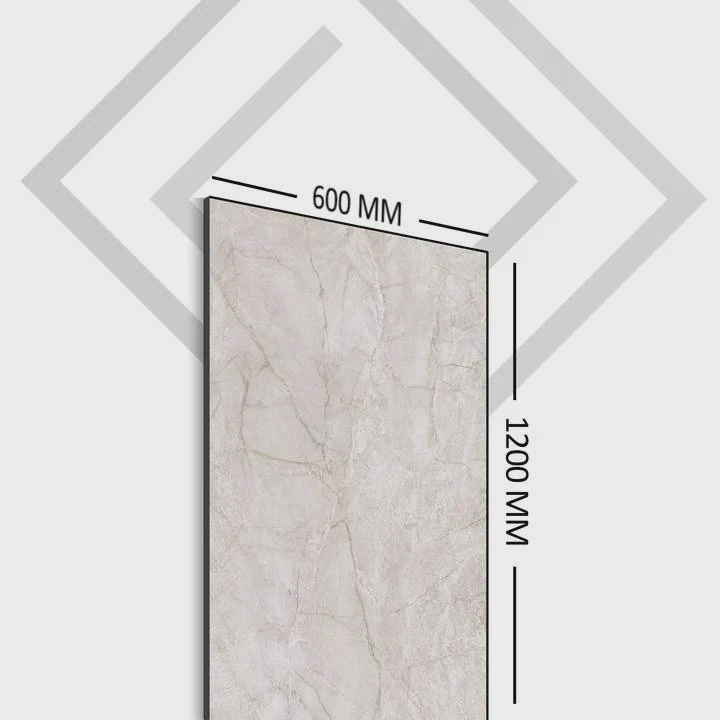
Understanding these factors helps avoid common mistakes and improves long-term results.
1. Surface preparation
Preparation is the most important step. The tile must be cleaned, degreased, and sometimes sanded or etched.
If this step is rushed:
- Coating may peel
- Bubbles can form
- Adhesion becomes weak
2. Coating material quality
Not all coatings are equal. High-quality coatings include:
- Epoxy-based systems
- Polyurethane coatings
- Hybrid industrial coatings
Low-cost materials may look good at first but fail quickly.
3. Application method
Professional spraying creates a smooth and even layer. DIY rolling often leads to uneven thickness.
Application issues include:
- Dust contamination
- Incorrect curing time
- Uneven coating layers
4. Environmental conditions
Humidity and temperature matter during curing.
| Condition Factor | Impact on Durability |
|---|---|
| High humidity | Slower curing |
| Low temperature | Weak bonding |
| Dust exposure | Surface defects |
| Poor ventilation | Trapped solvents |
5. Usage intensity
A hotel bathroom sees more wear than a private home. Heavy use shortens lifespan.
From working with global clients, project type always matters. Residential buyers expect longer life. Commercial buyers focus more on cost per year.
How do you maintain reglazed tile surfaces?
Even the best coating will fail without proper care. Maintenance is simple but must be consistent.
Gentle cleaning and avoiding harsh chemicals can extend reglazed tile life by several years.
Maintenance is often overlooked. Yet it plays a major role in durability.
Daily care tips
- Use mild, non-abrasive cleaners
- Clean with soft cloth or sponge
- Rinse surfaces after cleaning
What to avoid
- Steel wool or abrasive pads
- Acid-based cleaners
- Bleach-heavy products
- Dropping heavy objects
Weekly and monthly care
A simple routine works best:
| Frequency | Action |
|---|---|
| Daily | Light wipe after use |
| Weekly | Gentle cleaning solution |
| Monthly | Inspect for scratches |
Why maintenance matters
The reglazed layer is thinner than original tile glaze. It is strong but not indestructible.
Improper cleaning causes:
- Micro scratches
- Loss of shine
- Surface weakening
In long-term projects, clients who follow basic care rules often get several extra years of use.
Can reglazing be reapplied after wear?
Many people think reglazing is a one-time solution. That is not true.
Yes, tile reglazing can be reapplied after wear, as long as the underlying tile remains in good condition.
This is one of the biggest advantages of reglazing over replacement.
When should you reapply?
Signs that reapplication is needed:
- Surface becomes dull
- Small chips appear
- Coating starts to wear in high-use areas
Reapplication process
The process is similar to the first application:
- Clean and remove old coating
- Repair minor damage
- Reapply bonding agent
- Apply new coating layers
Cost vs replacement
| Option | Cost Level | Time Required | Disruption |
|---|---|---|---|
| Reglazing | Low | 1–2 days | Minimal |
| Replacement | High | عدة days | High |
Reapplying reglazing is much faster and cheaper than replacing tiles.
Long-term strategy
Many property owners use reglazing in cycles. Instead of replacing tiles every 20 years, they reglaze every 10–12 years.
This approach:
- Reduces renovation cost
- Keeps spaces visually fresh
- Minimizes downtime
From a supply side view, this also creates repeat demand. Buyers who understand lifecycle value often prefer this method.
Conclusion
Tile reglazing can last over a decade with proper care. Its lifespan depends on quality, usage, and maintenance. It offers a practical and cost-effective solution, especially when combined with periodic reapplication instead of full tile replacement.