How to Make Ceramic Tile Shine?
- Sinotiles
- 2026-04-21

Dull tiles make any space feel old and dirty. Many people clean often but still see no shine. This can feel frustrating and waste time.
Ceramic tiles shine again when the right cleaners, tools, and steps are used. Gentle cleaning, correct polishing, and proper sealing all work together to restore and keep a bright surface.
Most people think shine comes from strong chemicals. In reality, the method matters more than the product. Let’s break it down step by step.
What cleaners restore shine to ceramic tiles?
Dirty tiles lose shine fast. Soap film, dust, and hard water build up. This layer blocks light and makes tiles look flat.
Cleaners that restore shine are mild acidic or neutral solutions. Vinegar mix, pH-neutral tile cleaners, and baking soda paste remove residue without harming the surface.
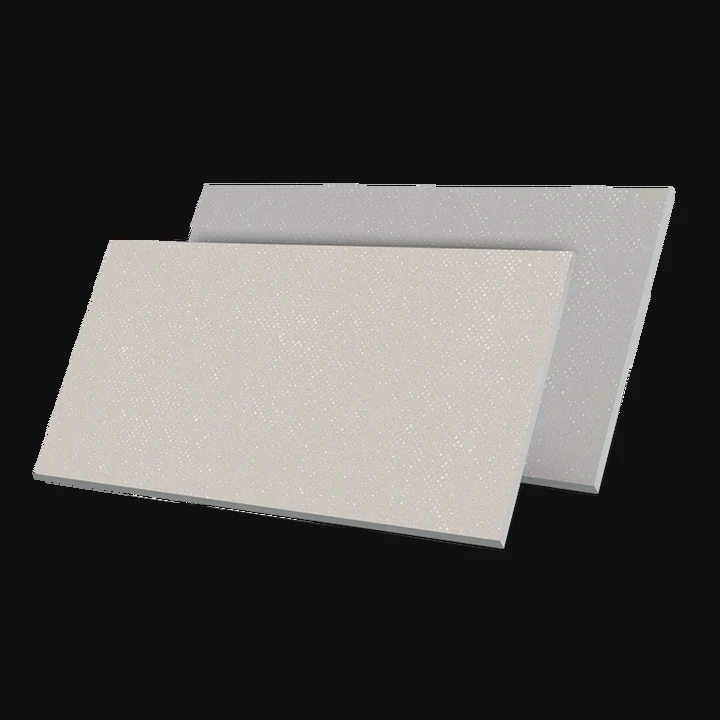
A good cleaning plan starts with understanding what causes dullness. Most floors do not lose shine because of damage. They lose shine because of buildup. This buildup comes from daily use.
Common causes of dull tiles
- Soap residue from cleaning products
- Hard water stains
- Dirt and dust
- Grease in kitchen areas
Effective cleaner options
| Cleaner Type | Best Use Area | Why It Works |
|---|---|---|
| Vinegar + water | Bathroom, kitchen | Breaks mineral deposits |
| Baking soda paste | Stubborn stains | Gentle scrubbing action |
| Neutral tile cleaner | Whole house | Safe for regular cleaning |
| Warm water + soap | Light dirt | Simple and effective |
How to clean step by step
First, sweep or vacuum the floor. Loose dirt can scratch tiles during cleaning. Then mix a mild cleaner. Apply it with a mop or cloth. Let it sit for a few minutes but do not let it dry. After that, rinse with clean water.
Rinsing is very important. Many people skip this step. Leftover cleaner creates a film. That film reduces shine over time.
A simple mistake to avoid
Strong chemicals may seem helpful. However, they can damage glaze over time. This makes tiles lose shine faster.
A real example
In one project, a client complained about dull tiles after only one year. The issue was not the tile quality. The issue was heavy soap use without rinsing. After switching to a neutral cleaner and proper rinsing, the shine came back in two weeks.
Consistency matters more than strength. A simple cleaner used correctly works better than a strong cleaner used wrong.
How do you polish tiles without damaging surfaces?
Tiles can lose shine even after cleaning. This happens when the surface becomes slightly rough or covered with fine scratches.
Polishing tiles safely means using soft tools, gentle compounds, and controlled motion. Avoid abrasive pads and heavy machines unless needed.
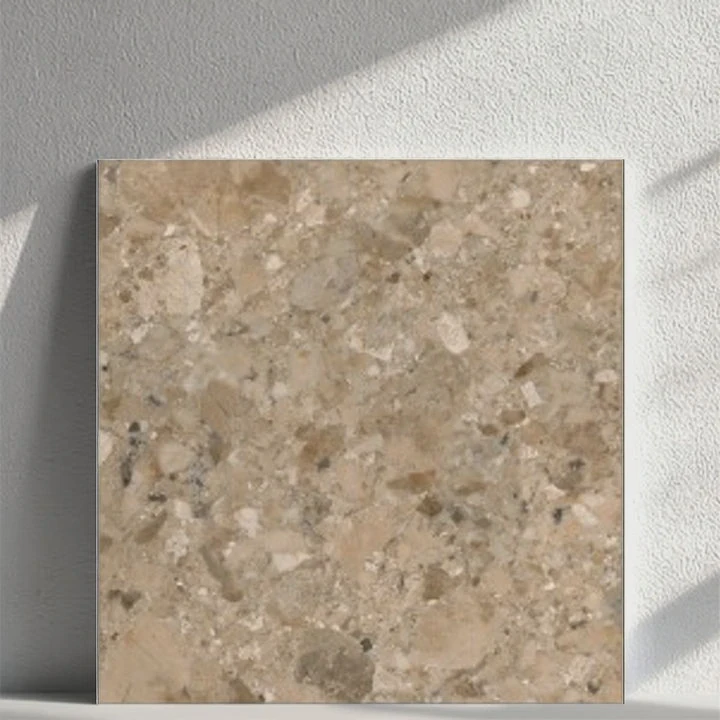
Polishing is not the same as cleaning. Cleaning removes dirt. Polishing improves how light reflects from the surface. This is what creates shine.
Basic polishing tools
- Soft microfiber cloth
- Non-abrasive sponge
- Low-speed buffer (optional)
Safe polishing methods
| Method | Tool Needed | Risk Level | Result Quality |
|---|---|---|---|
| Hand polishing | Cloth | Very low | Medium |
| Light buffing | Soft pad machine | Low | High |
| Abrasive polishing | Hard pad | High | Risky |
Step-by-step polishing process
Start with a clean surface. Any dirt left behind will scratch the tile during polishing. Then apply a small amount of polishing compound or mild solution.
Use circular motions. Keep pressure light and even. Do not press too hard. This is a common mistake.
After polishing, wipe the surface with a clean cloth. Then rinse lightly with water and dry it.
Why gentle polishing works better
Ceramic tiles have a glazed surface. This layer gives shine. If this layer gets damaged, the tile cannot shine again easily.
So, aggressive polishing does more harm than good.
When machines are useful
In large areas like malls or hotels, manual polishing takes too long. A low-speed machine with a soft pad can help. However, the speed must stay low to avoid heat and damage.
A practical insight
In many commercial projects, shine loss is uneven. High traffic areas look dull, while corners stay shiny. This shows that friction affects shine. Controlled polishing can restore balance across the floor.
Polishing is about control, not force. Slow and steady gives better results.
Which products enhance tile gloss effectively?
Many products promise instant shine. Some work well, while others only create a temporary effect.
Effective gloss products either clean deeply or add a protective layer that reflects light. Tile polish liquids, gloss enhancers, and wax-based solutions are common choices.
Choosing the right product depends on the tile type and usage area. Not all products suit every environment.
Types of gloss-enhancing products
| Product Type | Function | Best Use Case |
|---|---|---|
| Tile polish liquid | Adds reflective layer | Indoor floors |
| Wax coating | Temporary shine | Low traffic areas |
| Spray gloss | Quick shine boost | Small spaces |
| Seal + gloss combo | Protection + shine | Commercial projects |
How these products work
Some products fill tiny surface pores. This makes the surface smoother. A smoother surface reflects more light. This creates shine.
Other products add a thin coating. This layer sits on top of the tile. It reflects light directly.
Important considerations
Not all shine is equal. Some products create artificial shine. This may look good at first but fades quickly.
Also, too many layers can cause buildup. This leads to uneven shine and even peeling.
How to apply properly
Apply a thin layer only. Use a clean cloth or mop. Spread evenly. Let it dry fully before walking on it.
Never mix different products without testing. Some chemicals react and create haze.
A simple comparison
Natural shine comes from clean and smooth surfaces. Artificial shine comes from coatings. Both have value, but they serve different goals.
A real scenario
A retail store used wax weekly to keep shine. After a few months, the floor became sticky and dull. The solution was to strip old layers and switch to a polish system with less buildup.
The lesson is simple. More product does not mean more shine. The right product used correctly makes the difference.
Can sealing help maintain tile shine longer?
Even after cleaning and polishing, shine can fade over time. Daily use slowly wears down the surface.
Sealing helps protect tiles by creating a barrier. This barrier reduces dirt buildup, moisture damage, and wear, which helps maintain shine longer.
Sealing is often misunderstood. Some think it is only for stone tiles. In fact, it also helps ceramic tiles, especially in high-use areas.
What a sealer does
A sealer fills micro gaps on the surface. It prevents dirt and water from entering. This keeps the tile cleaner for longer.
Types of sealers
| Sealer Type | Finish Effect | Durability | Best Area |
|---|---|---|---|
| Penetrating sealer | Natural look | High | Bathrooms |
| Surface sealer | Glossy finish | Medium | Living spaces |
| Hybrid sealer | Balanced effect | High | Commercial areas |
How sealing supports shine
When dirt cannot stick easily, cleaning becomes easier. This reduces the need for strong cleaning. Less damage means longer-lasting shine.
Also, some sealers add a slight gloss. This improves appearance without heavy coating.
Application steps
First, clean the tiles well. Any dirt trapped under sealer will stay visible. Then apply sealer evenly using a cloth or applicator.
Let it absorb or dry based on product type. Some sealers need a second coat.
Maintenance after sealing
Sealed tiles still need cleaning. However, cleaning becomes faster and easier. Mild cleaners are enough.
A practical example
In a hotel lobby project, tiles were sealed after installation. After one year, the shine remained strong despite heavy foot traffic. In similar projects without sealing, dullness appeared within months.
A key point
Sealing is not a one-time solution. It needs renewal based on use. High traffic areas may need sealing every 6–12 months.
Sealing is like a shield. It protects the effort put into cleaning and polishing.
Conclusion
Clean correctly, polish gently, use the right products, and seal when needed. These steps work together to keep ceramic tiles bright, smooth, and long-lasting.