How can I make my tile floor shine?
- Sinotiles
- 2026-08-03
A dull tile floor can make an entire room look older and less attractive. Many homeowners clean their floors regularly but still cannot bring back the original shine.
A tile floor can become shiny again by using suitable cleaning products, improving the surface finish, avoiding damage, and following a consistent maintenance routine. The right care method depends on the tile type and surface condition.
In my experience working with ceramic tile customers, many people think shine only comes from strong cleaners. However, the surface quality, cleaning habits, and protection methods all affect the final appearance.
Modern ceramic and porcelain tiles are designed to maintain beauty for many years. With correct maintenance, tile floors can keep a clean and bright appearance without complicated treatment.
What products enhance tile floor shine effectively?
The right products can improve tile floor shine by removing dirt, reducing surface marks, and protecting the tile finish. However, the product must match the tile material because different surfaces need different care methods.
Many people choose random cleaning products because they want quick results. However, some products can leave residue or damage the surface over time. A suitable tile cleaner should clean effectively while maintaining the original finish.
Common products for improving tile shine
| Product type | Main function | Suitable tile type |
|---|---|---|
| pH-neutral tile cleaner | Removes daily dirt safely | Ceramic and porcelain tile |
| Tile polish | Improves surface brightness | Certain smooth tile surfaces |
| Protective sealer | Adds protection and reduces stains | Natural stone and some tiles |
| Microfiber cleaning tools | Removes dust without scratches | Most tile floors |
A pH-neutral cleaner is usually the safest choice for regular tile maintenance. It removes dirt without attacking the surface layer.
For glossy ceramic tiles, simple cleaning may already restore much of the shine. Dust, grease, and soap residue often make a surface look dull even when the tile itself is still in good condition.
Why product selection matters
Different tile surfaces have different characteristics.
| Tile type | Shine feature | Care requirement |
|---|---|---|
| Polished porcelain tile | High natural gloss | Needs gentle cleaning |
| Glazed ceramic tile | Smooth protective layer | Avoid harsh chemicals |
| Matte tile | Soft appearance | Focus on deep cleaning |
| Natural stone tile | Natural texture | Requires special products |
A polished porcelain tile usually does not need wax because the shine comes from the manufacturing process. Adding unnecessary products may create a cloudy layer.
For commercial projects, product choice becomes even more important. Hotels, shopping centers, and offices need cleaning solutions that protect large tile areas while reducing maintenance time.
When I communicate with international buyers, I often explain that tile quality and maintenance work together. A high-quality tile provides a strong foundation, but correct cleaning keeps the surface attractive.
Simple steps to improve tile brightness
A basic shine improvement process includes:
- Remove loose dust and dirt.
- Clean with a suitable tile cleaner.
- Remove all cleaner residue.
- Dry the surface completely.
- Check the result under natural light.
Many dull floors only need proper cleaning instead of aggressive treatment.
The goal is not only to create temporary shine. The goal is to protect the tile surface so it continues looking good for years.
How can polishing improve tile surface appearance?
Polishing can improve tile appearance by smoothing the surface, removing minor marks, and increasing light reflection. However, polishing works better on certain tile types and may not be suitable for every floor.
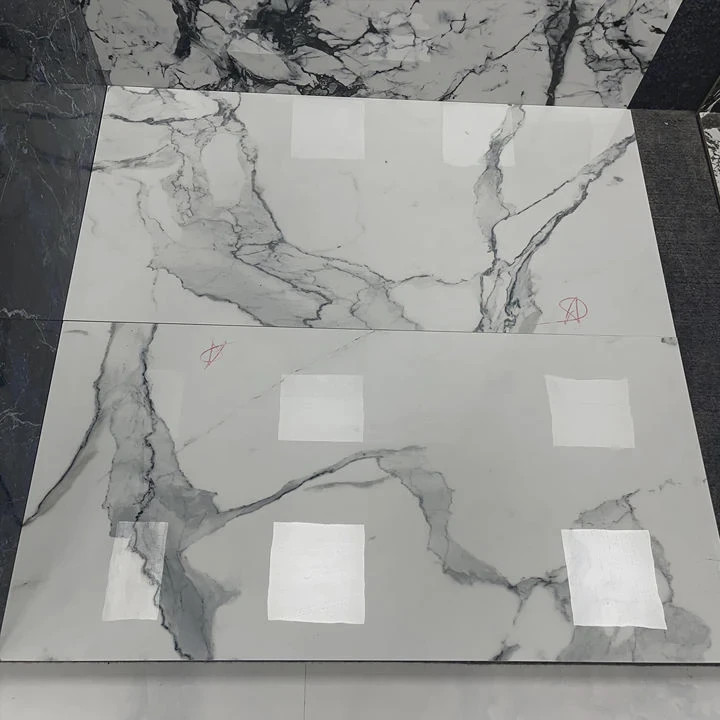
Polishing is different from normal cleaning. Cleaning removes unwanted materials from the surface, while polishing changes the surface appearance.
For some tiles, professional polishing can restore a brighter and smoother finish. For others, polishing may damage the original texture.
How polishing affects tile surfaces
| Polishing effect | Result |
|---|---|
| Removes minor surface marks | Cleaner appearance |
| Smooths small imperfections | Better light reflection |
| Improves surface brightness | More attractive finish |
| Restores worn areas | Extends visual life |
Polishing is often used for certain natural stones and some polished surfaces. Marble floors, for example, are commonly polished because the process matches the material structure.
Porcelain and ceramic tiles are different. Many polished tiles already receive their finish during factory production. Additional polishing may not create better results.
When polishing is useful
Polishing may help when:
- The surface has become cloudy
- Small scratches affect appearance
- The original finish has weakened
- Professional restoration is needed
However, polishing requires experience. Incorrect equipment or techniques can create uneven areas.
Factory finish versus later polishing
Modern tile factories use advanced technology to create surface finishes. During production, tiles receive controlled treatments that create consistent color, texture, and gloss.
This is one reason many customers choose new ceramic or porcelain tiles instead of restoring old surfaces. A factory-made finish provides stable quality.
In my work with tile products, I often see customers compare renovation costs with replacement costs. Sometimes professional polishing makes sense. Sometimes installing new tiles provides better long-term value.
For example, large format porcelain tiles can create a modern luxury appearance with excellent durability. They offer designs similar to marble, stone, or concrete while requiring less maintenance.
Polishing is a useful method, but it should be part of a complete floor care plan. The tile type, current condition, and expected result should guide the decision.
Why avoid abrasive cleaners on tile floors?
Abrasive cleaners should be avoided on many tile floors because they can create scratches, remove protective layers, and reduce surface shine over time.
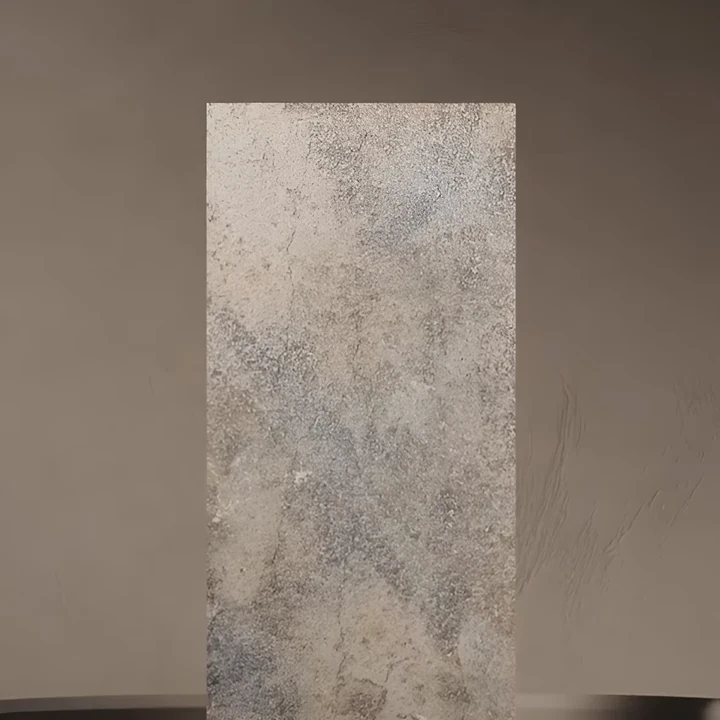
Many homeowners believe stronger cleaning means better results. However, harsh products can create the opposite effect. A floor may look clean after one use but slowly lose its original beauty.
Problems caused by abrasive cleaners
| Problem | Effect on tile |
|---|---|
| Small scratches | Reduces light reflection |
| Surface wear | Makes tiles look dull |
| Damaged glaze | Weakens protection |
| Residue buildup | Creates cloudy appearance |
Abrasive cleaners often contain rough particles that physically remove dirt. These particles can also affect the tile surface.
Glazed ceramic tiles have a protective layer that creates smoothness and shine. Damage to this layer may be difficult or impossible to repair.
Common products to avoid
Homeowners should be careful with:
- Strong powder cleaners
- Rough scrubbing pads
- Steel wool
- Acid-based cleaners
- Unverified chemical products
The safest approach is usually gentle and regular cleaning.
Why gentle care creates better results
Tile floors are designed for long-term use. They do not need aggressive treatment every day.
A better maintenance approach includes:
- Regular dust removal
- Suitable cleaners
- Soft cleaning tools
- Quick spill removal
This method protects the surface and keeps the original appearance.
From a supplier perspective, I believe education is part of product service. Customers should know how to protect their investment after purchasing tiles.
A beautiful tile floor is created by both good manufacturing and good maintenance. Even premium tiles can lose their appearance if they are treated incorrectly.
For export customers, especially those managing commercial buildings, maintenance knowledge can reduce replacement costs. Proper cleaning procedures help keep large tile installations attractive.
Which routines maintain long-lasting tile shine?
Long-lasting tile shine comes from consistent maintenance rather than occasional deep cleaning. A simple routine can prevent dirt buildup and protect the surface finish.
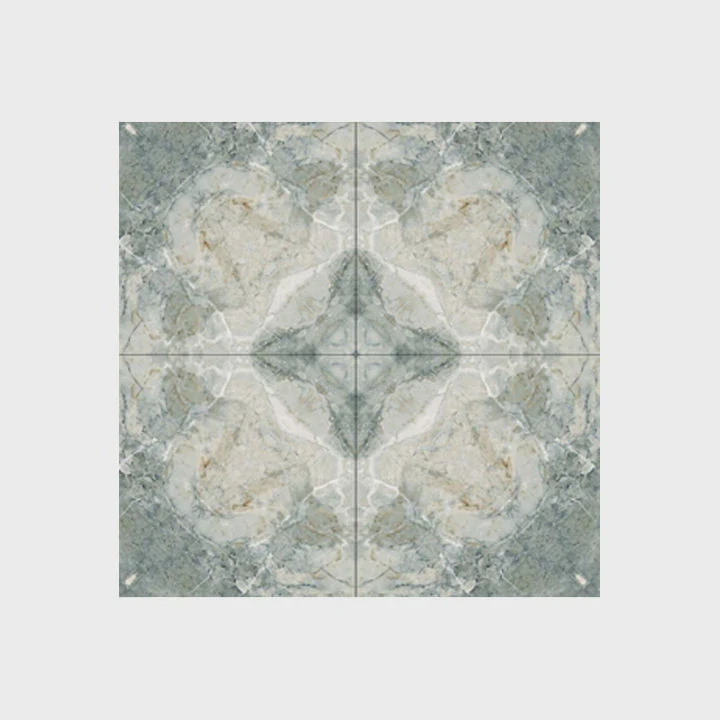
Many tile floors become dull because small problems are ignored for a long time. Dust, sand, grease, and moisture slowly affect the appearance.
A regular care plan helps prevent these issues before they become serious.
Recommended tile shine maintenance routine
| Frequency | Maintenance task |
|---|---|
| Daily | Remove dust and loose dirt |
| Weekly | Clean with suitable tile cleaner |
| Monthly | Check grout and surface condition |
| Yearly | Review protection and deep cleaning needs |
Daily cleaning does not need to be complicated. Removing small particles is important because sand and dirt can create tiny scratches when people walk on the floor.
Simple habits for better shine
Good habits include:
- Use entrance mats
- Clean spills quickly
- Avoid dirty water during mopping
- Use soft cleaning tools
- Follow tile care instructions
Dirty mop water is a common reason floors look cloudy. The dirt removed from one area can spread to another area if the cleaning water is not changed.
Long-term protection strategies
For large residential or commercial spaces, a maintenance schedule is useful.
A good plan includes:
- Regular inspection
- Correct cleaning products
- Professional service when needed
- Repair of damaged areas
In my experience, customers who maintain tiles properly enjoy better value from their investment. Tile is a durable building material, but durability depends on correct care.
Modern ceramic and porcelain tiles provide many benefits, including stain resistance, easy cleaning, and strong performance. With the right routine, these advantages can continue for many years.
The best way to keep tile floors shiny is not using stronger chemicals. It is using the right methods consistently.
Conclusion
A shiny tile floor requires suitable products, careful cleaning, proper polishing when needed, and regular maintenance. Gentle care helps protect the tile surface and keeps its beauty for many years.
- Pre: How to Get Permanent Marker Off Tile?
- Next: Sorry!