How long before grouting tile?
- Sinotiles
- 2026-08-22
Many tile projects fail because grout is applied too early. Freshly installed tiles may look stable, but the adhesive underneath may still need time to cure and hold the tiles firmly.
The waiting time before grouting tile usually depends on the adhesive type, tile size, surface condition, temperature, and moisture level. In many cases, installers wait at least 24 hours before applying grout.
Grouting is not only about filling the spaces between tiles. It is the final step that protects the tile installation and improves the overall appearance. Waiting for the correct time helps create a stronger and longer-lasting result.
What factors affect waiting time before grouting?
The waiting time before grouting depends on several conditions, including adhesive type, tile material, room environment, and installation method. Each factor can change how quickly the tile installation becomes stable.
When I look at tile installation projects, I always consider the condition below the tile before thinking about grout. The adhesive needs enough time to dry and create a strong bond. If grout is added too soon, the tile may move or the adhesive may not reach full strength.
The first factor is the type of adhesive used. Different adhesives have different curing speeds. Some fast-setting products allow grouting within a few hours, while traditional products may require a full day or longer.
The second factor is tile size. Large format tiles often need more attention because they cover a larger surface area. Air movement under large tiles can be limited, which may slow drying.
Main factors that influence grouting time
| Factor | How it affects waiting time |
|---|---|
| Adhesive type | Different products have different curing speeds |
| Tile size | Larger tiles may need more drying time |
| Surface material | Some surfaces absorb moisture differently |
| Temperature | Warm conditions usually support faster curing |
| Humidity | High moisture can slow drying |
The surface underneath the tile also matters. A concrete floor, plywood base, or existing tile surface can affect how moisture moves through the installation. A surface that holds moisture may require additional waiting time.
Room conditions are another important factor. Temperature and humidity directly influence adhesive curing. A warm and dry room usually allows faster curing, while a cold or humid room can slow the process.
Ventilation also plays a role. Good airflow helps moisture leave the adhesive layer. However, strong air movement that creates uneven drying may not always be helpful.
Common waiting time examples
| Installation situation | Typical waiting period |
|---|---|
| Standard tile adhesive | About 24 hours |
| Fast-setting adhesive | Several hours to 24 hours |
| Large format tile installation | 24 to 72 hours |
| High humidity environment | Longer than normal |
I also consider the weight and location of the tile. Floor tiles receive pressure from walking, so they usually need more confidence before grouting. Wall tiles may sometimes be ready sooner because they experience less direct pressure.
The safest approach is checking the adhesive manufacturer’s instructions. Product recommendations are based on specific formulas and testing. General timing is useful, but the actual product information provides the most accurate guidance.
Waiting longer rarely creates problems, but grouting too early can create expensive repairs. Taking extra time before grouting helps protect the entire tile installation.
How does adhesive type influence curing time?
Adhesive type has a major influence on curing time because different materials dry and bond in different ways. The correct waiting period depends on the chemical structure and design of the adhesive.
Tile adhesive is the foundation of the installation. It connects the tile with the surface underneath. If the adhesive is not ready, the grout cannot provide a stable final finish.
Traditional thin-set mortar is one of the most common choices for tile installation. It usually needs around 24 hours before grouting. However, temperature, humidity, and tile size can change this timing.
Rapid-setting adhesives are designed for faster projects. They use special formulas that allow installers to continue work sooner. These products can reduce waiting time, but they still require proper curing.
Different adhesive types and curing time
| Adhesive type | General curing speed | Common application |
|---|---|---|
| Standard thin-set | Medium | Residential tile projects |
| Rapid-setting adhesive | Fast | Quick renovation projects |
| Premixed adhesive | Slower in some conditions | Small indoor projects |
| Epoxy adhesive | Different curing process | Special applications |
Premixed adhesives are convenient because they are ready to use. However, they may require more time to dry because moisture needs to escape from the adhesive layer.
Epoxy adhesives work differently from cement-based products. They create a strong chemical bond and are often used in areas that need high resistance. Their curing time depends on the specific product system.
Why adhesive thickness matters
The amount of adhesive under the tile also affects drying time. A thicker adhesive layer contains more moisture and may need longer to cure.
A common mistake is applying too much adhesive because installers want stronger bonding. However, extra thickness does not always improve performance. Proper application creates a better balance between strength and curing speed.
I also pay attention to tile absorption. Some tiles absorb less moisture than others. Porcelain tiles, for example, have very low absorption, which can affect how the adhesive dries.
The installation environment works together with adhesive type. A fast-setting adhesive in a cold and humid room may still require more time than expected.
Choosing the correct adhesive is not only about strength. It is also about matching the product with the tile type, installation area, and project schedule. A suitable adhesive creates a stable base for successful grouting.
Why is proper drying essential before grouting?
Proper drying before grouting is essential because it allows the adhesive to achieve enough strength and prevents movement, cracks, and long-term tile problems.
Grout creates the finished appearance between tiles, but it does not replace the function of adhesive. The adhesive must already hold the tiles securely before grout is added.
When grout is applied too early, several problems can happen. The tile may shift slightly, which can create uneven grout lines. Small movements may also weaken the bond between the tile and the surface.
Problems caused by early grouting
Tile movement
Fresh adhesive may still be soft. Walking on the surface or applying grout pressure can move the tiles before the bond becomes strong.
Cracked grout lines
If tiles move after grouting, the grout may develop cracks. These cracks can allow water to enter and create more damage.
Poor final appearance
Early grouting may create uneven spacing and inconsistent lines. The final result may look less professional.
Benefits of waiting for proper drying
| Benefit | Result |
|---|---|
| Stronger adhesive bond | More stable tile installation |
| Better grout performance | Reduced cracking risk |
| Cleaner appearance | More even grout lines |
| Longer service life | Fewer repair problems |
Drying time is especially important in wet areas such as bathrooms, kitchens, and outdoor spaces. Water exposure can create additional stress on an installation that has not fully cured.
I believe patience during tile installation creates better value. Many people want to finish projects quickly, but rushing the drying stage can create problems that require removing grout or even replacing tiles.
The drying process also helps reveal possible issues. If a tile becomes loose during curing, it can be fixed before grouting. After grout is applied, repairs become more difficult.
A successful tile project requires several steps working together. Adhesive selection, proper application, drying time, and grouting all affect the final quality.
Waiting before grouting may seem like extra time, but it protects the entire installation. A strong foundation helps the tile surface remain beautiful and functional for many years.
Which signs show tiles are ready for grout?
Tiles are ready for grout when they are firmly attached, the adhesive has cured, and the surface shows no movement or moisture problems. Physical checks can help confirm readiness.
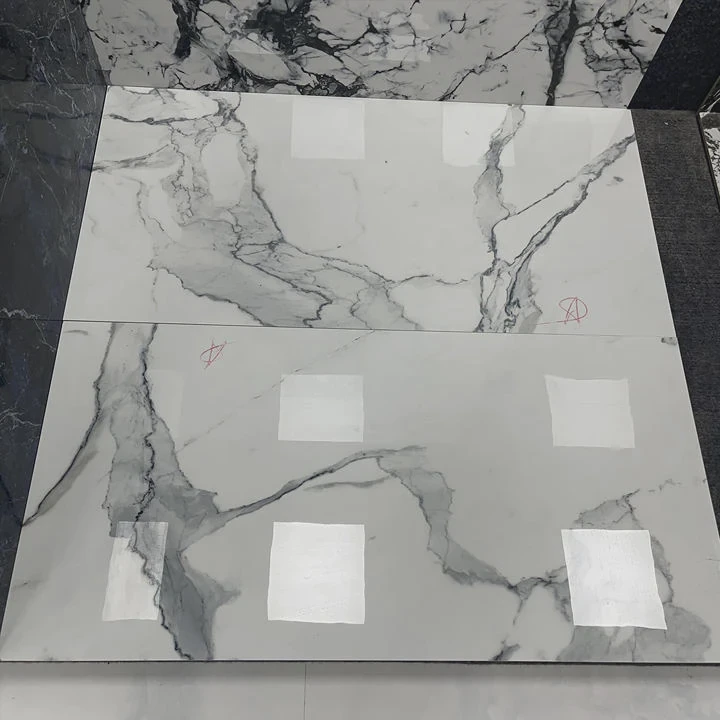
Before grouting, I check several signs instead of only following a fixed time schedule. Time recommendations are useful, but the actual condition of the installation provides better information.
The first sign is tile stability. When gently pressed, the tiles should not move or feel loose. Any movement means the adhesive may need more time.
The second sign is that the adhesive has dried properly. Visible moisture, soft adhesive, or unusual smells may indicate that curing is incomplete.
Signs that tiles are ready
| Check | Ready condition |
|---|---|
| Tile movement | No movement when lightly pressed |
| Adhesive condition | Fully dry and firm |
| Surface moisture | No visible moisture |
| Tile alignment | Tiles remain even and stable |
The grout spaces should also be clean. Excess adhesive between tiles can prevent grout from filling the joints correctly. Removing leftover adhesive creates better grout performance.
The room condition should also be suitable. If the area is extremely humid or cold, waiting longer can improve the final result.
I also recommend checking the manufacturer instructions for both adhesive and grout products. Different systems may have different requirements.
Grouting is the final stage that connects the visual appearance of the tile surface. Taking time to confirm readiness helps create clean lines, stronger protection, and better durability.
A good tile installation is not only about placing tiles correctly. Every stage matters. Waiting for the right moment before grouting helps protect the quality of the entire project.
Conclusion
The correct waiting time before grouting tile depends on adhesive type, tile size, and environmental conditions. Proper drying creates a stronger installation and helps grout perform better.