What Does Honed Tile Mean?
- Sinotiles
- 2026-08-22
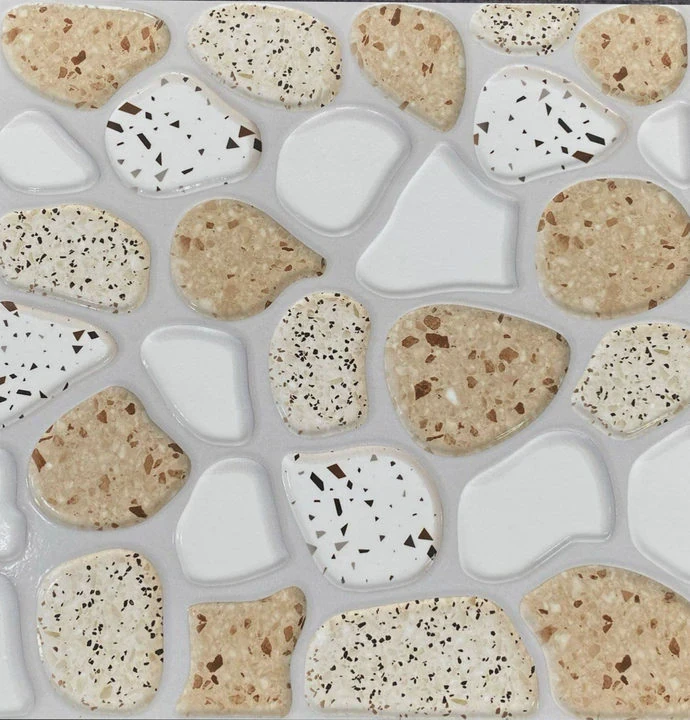
Many people choose tile based on color and pattern, but the surface finish also changes the look and performance. A wrong finish can create cleaning problems or reduce the beauty of a space.
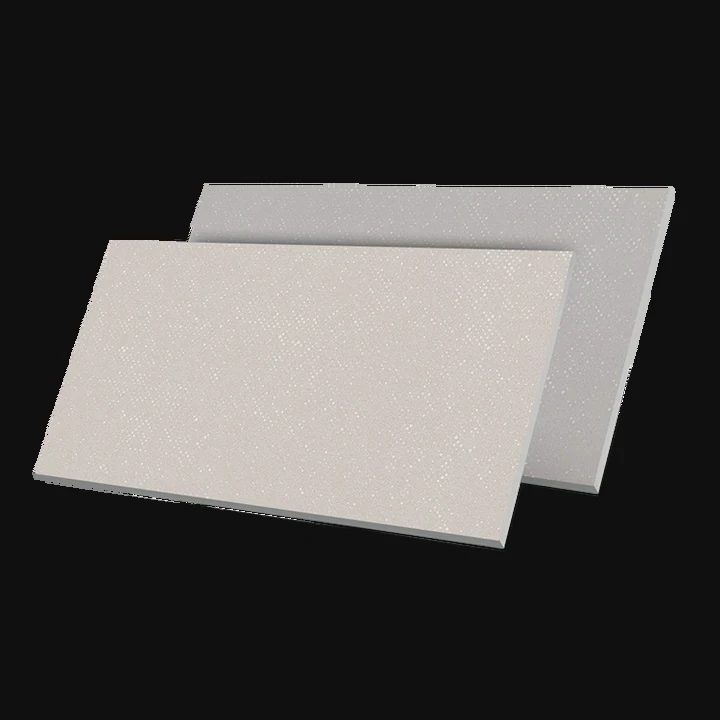
Honed tile means tile with a smooth but matte surface created by grinding and removing the polished layer. It has a flat appearance, less shine, and a natural feel compared with polished tile.
When I talk with customers about tile selection, I often find that many buyers know polished and glossy tiles but do not fully understand honed finishes. Honed tile has become popular because it provides a balanced option between rough natural surfaces and highly reflective polished surfaces. It gives spaces a modern and comfortable appearance while offering practical benefits for many applications.
The honed finish is widely used for porcelain, marble, limestone, and other stone-look tiles. It works well in residential spaces, hotels, offices, and commercial projects. However, understanding how it is made, where it works best, and how to maintain it helps buyers choose the right product.
What Process Creates a Honed Tile Finish?
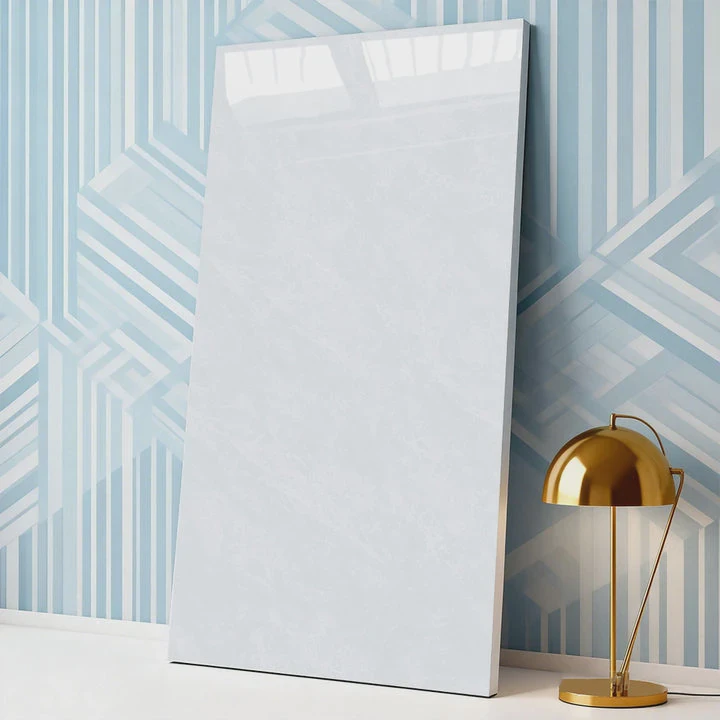
A honed tile finish is created by grinding the tile surface with abrasive materials until the surface becomes smooth and flat without creating a strong shine.
The production process changes the way light interacts with the tile surface. Unlike polished tiles, honed tiles do not receive the final polishing stage that creates a mirror-like reflection.
Grinding Creates the Matte Surface
During production, the tile surface goes through mechanical grinding. Manufacturers use abrasive tools to remove small surface imperfections and create an even texture.
The goal is not to create a rough surface. Instead, the process creates a smooth finish with a soft appearance.
Honed tiles usually have:
- A flat and smooth surface
- Low light reflection
- Natural stone appearance
- Comfortable visual texture
Honed Finish Compared With Natural and Polished Finishes
Tile finishes are created through different surface treatments. Each finish changes the appearance and performance.
| Finish Type | Surface Appearance | Common Features |
|---|---|---|
| Polished | High shine and strong reflection | Luxury look, smooth surface |
| Honed | Soft matte appearance | Natural look, less glare |
| Natural | Original stone texture | More texture and variation |
| Textured | Rougher surface | Better grip in some areas |
The honed process is especially popular for people who want a premium appearance without a strong glossy effect.
Manufacturing Control Affects Final Quality
The quality of a honed tile depends on production control. A reliable manufacturer needs to control grinding pressure, surface treatment, and final inspection.
Poor production can create uneven surfaces, inconsistent colors, or unwanted marks. Good production creates stable texture and appearance across many pieces.
For large projects, consistency is very important. Hotels, shopping centers, and residential developments usually require hundreds or thousands of square meters of tile. A stable honed finish helps maintain a uniform design.
The manufacturing process creates the foundation of the tile performance. However, the final result also depends on installation and maintenance.
How Does Honed Differ From Polished Surfaces?
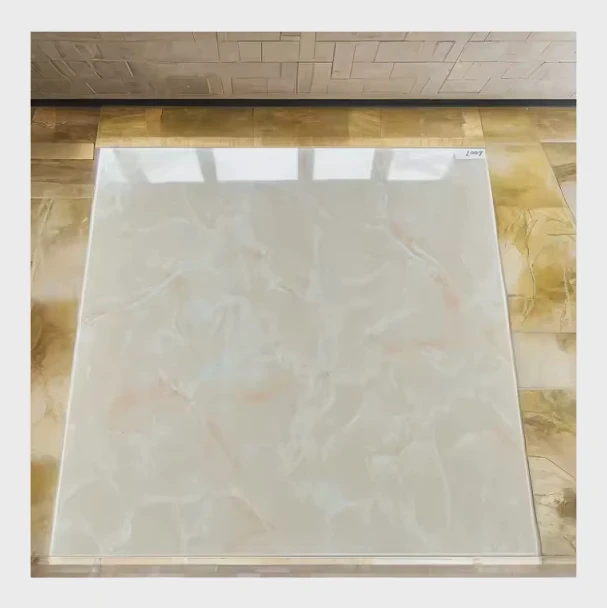
Honed tile has a matte surface with low reflection, while polished tile has a shiny surface created through additional polishing. The two finishes create different visual effects and practical benefits.
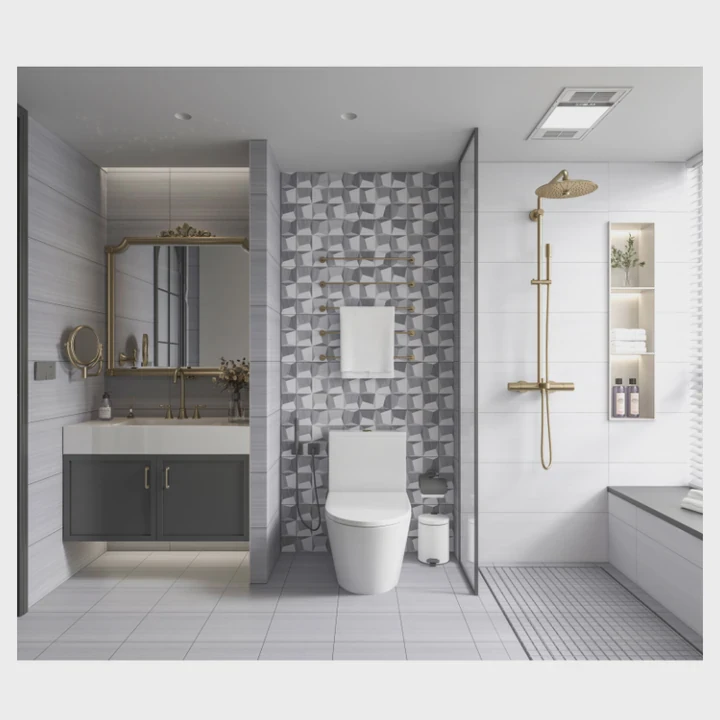
Many buyers compare honed and polished tiles because both can create elegant interiors. However, they are designed for different needs.
Appearance Creates the First Difference
The biggest difference is the amount of light reflection.
Polished tiles reflect more light and create a bright, luxurious feeling. They can make rooms appear larger and more open.
Honed tiles create a softer atmosphere. They provide a natural and calm appearance because the surface does not produce strong reflections.
Practical Performance Is Also Different
Polished surfaces can show fingerprints, water marks, and scratches more easily because light reflects directly from the surface.
Honed surfaces often hide small marks better because the matte texture reduces visual contrast.
| Feature | Honed Tile | Polished Tile |
|---|---|---|
| Surface shine | Low | High |
| Appearance | Natural and soft | Bright and luxurious |
| Reflection | Minimal | Strong |
| Shows marks | Less visible | More visible |
| Style | Modern, simple, natural | Elegant, premium |
Slip Resistance Can Change by Application
In some situations, honed tiles can provide better grip compared with highly polished surfaces. However, slip resistance depends on the exact product, coating, and environment.
For wet areas, buyers should always check technical information before choosing a tile.
A honed finish may work well for bathrooms, kitchens, and commercial areas when the product is designed for those conditions.
Design Choice Depends on Project Goals
Polished tiles often attract customers who want a luxury appearance. They are common in living rooms, hotel lobbies, and high-end interiors.
Honed tiles attract customers who prefer natural beauty and comfortable design. They fit well with modern, minimalist, and warm interior styles.
Neither finish is always better. The right choice depends on the space, expected use, and design goals.
Why Choose Honed Tiles for Certain Spaces?
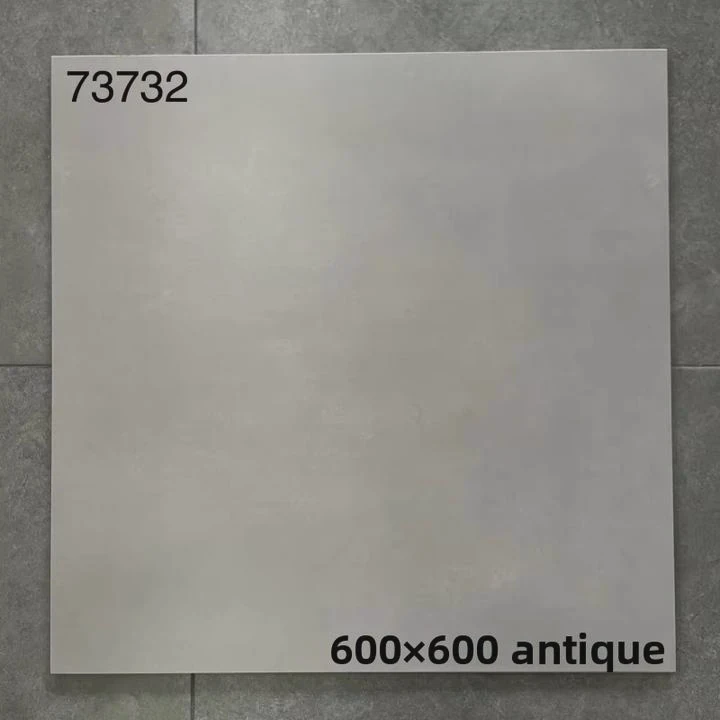
Honed tiles are chosen for spaces that need a natural appearance, reduced glare, and practical daily performance. They provide a balanced option for both residential and commercial environments.
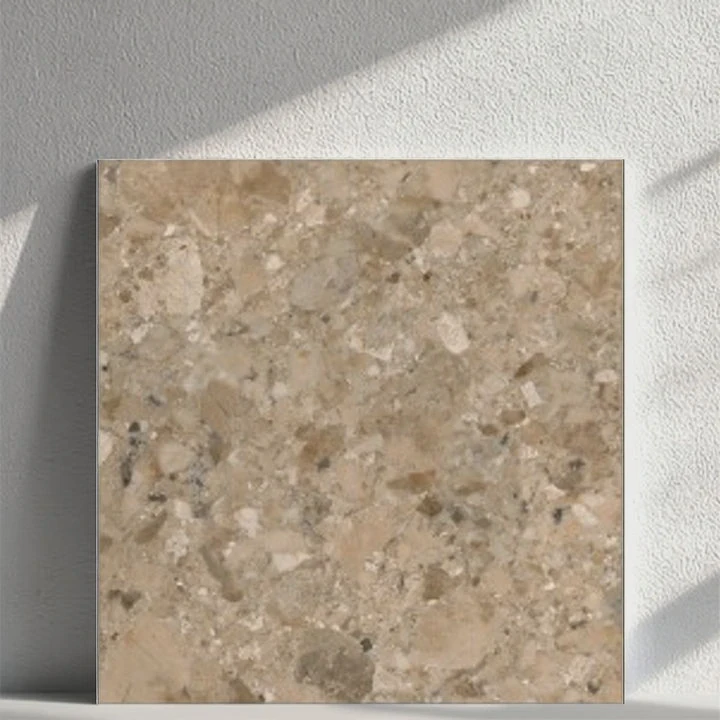
Many designers choose honed tiles because they create a comfortable visual experience. The surface feels more natural and does not create strong reflections under bright lighting.
Suitable for Modern Interior Design
Modern spaces often focus on simple lines and natural materials. Honed tiles support this style because they create a clean and balanced look.
They work well with:
- Minimalist homes
- Modern offices
- Boutique hotels
- Luxury apartments
- Commercial spaces
The soft surface allows furniture, lighting, and decoration to become the main focus.
Better Visual Comfort
Strong reflections from polished surfaces may feel uncomfortable under certain lighting conditions. Honed tiles reduce glare and create a more relaxed environment.
This advantage is useful in spaces with large windows or strong artificial lighting.
Works Well for Large Areas
Large tile formats are becoming more popular in modern architecture. Honed finishes are often used with large porcelain slabs because the matte surface creates a continuous and natural appearance.
Large spaces can feel more comfortable when the floor does not have excessive shine.
Suitable Spaces for Honed Tiles
| Space | Why Honed Tile Works Well |
|---|---|
| Living rooms | Creates a calm and elegant atmosphere |
| Hotels | Provides modern design with comfort |
| Offices | Reduces visual distraction |
| Kitchens | Offers a practical matte appearance |
| Bathrooms | Can provide better grip than glossy surfaces |
Honed tiles are not only about appearance. They also provide practical advantages for daily life.
However, choosing the correct product remains important. Different areas have different requirements. A bathroom floor may need different performance compared with a decorative wall application.
A good tile choice considers both design and function.
Which Maintenance Needs Do Honed Tiles Have?
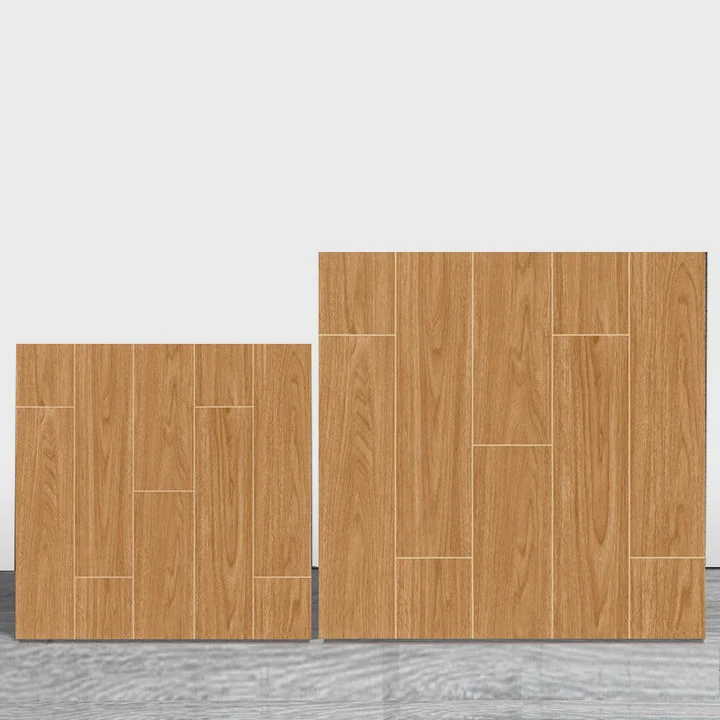
Honed tiles need regular cleaning and proper protection to maintain their appearance. The maintenance method depends on the tile material and surface treatment.
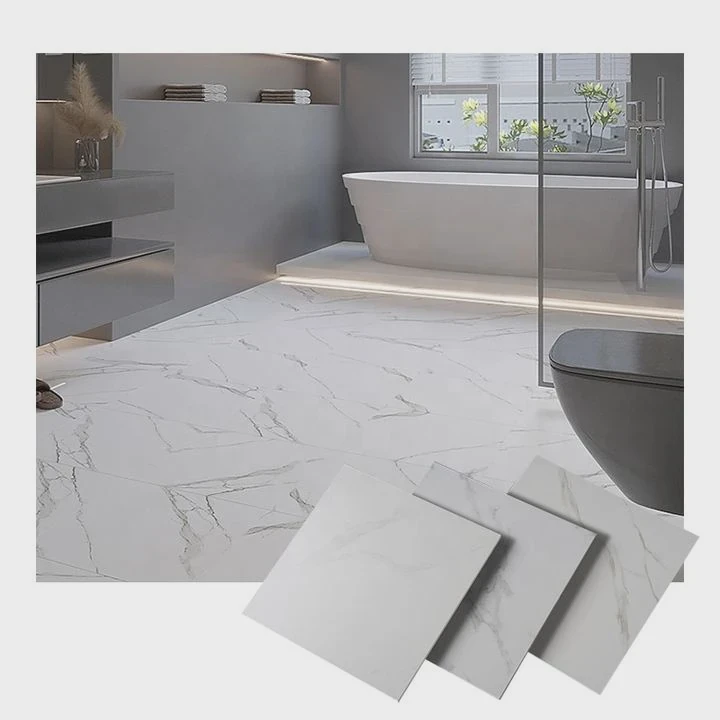
Many people believe matte tiles require no maintenance, but this is not completely true. Honed tiles are easier to maintain in some ways, but they still need proper care.
Regular Cleaning Keeps the Surface Fresh
Daily dust and dirt should be removed regularly. Simple cleaning helps prevent particles from building up on the surface.
For most honed tiles, a soft mop and mild cleaner are enough. Strong chemicals should be avoided because they may damage the surface.
Sealing May Be Needed for Some Materials
Some natural stone honed tiles, such as marble or limestone, may require sealing. The sealant helps reduce water absorption and protects against stains.
Porcelain honed tiles usually have lower absorption and may require less protection.
Avoid Harsh Cleaning Methods
Strong acids, rough brushes, and abrasive cleaners can damage the surface.
Recommended maintenance includes:
- Use gentle cleaning products
- Remove spills quickly
- Avoid abrasive tools
- Follow manufacturer instructions
- Check sealing requirements
Long-Term Care Improves Value
Good maintenance helps honed tiles keep their original appearance for many years. This is especially important for commercial projects where appearance affects customer experience.
A well-maintained honed tile floor can continue looking attractive long after installation.
The key is choosing the right cleaning method from the beginning. Proper care protects the investment and helps the tile perform better.
Conclusion
Honed tile means a smooth matte tile finish created by grinding away the polished layer. It offers a natural look, low reflection, and practical performance. With proper selection and maintenance, honed tiles can create beautiful and durable spaces.