How Long Does Peel and Stick Tile Last?
- Sinotiles
- 2026-08-18
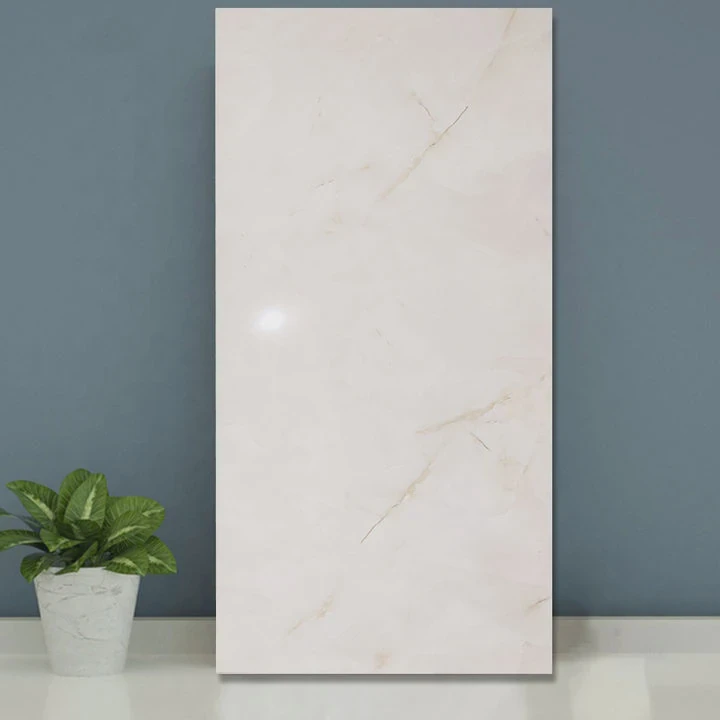
Peel and stick tile looks simple and affordable, but many buyers worry about one thing: will it stay beautiful after years of use? A short lifespan can create extra costs and repair work.
Peel and stick tile usually lasts 5 to 10 years when homeowners choose good-quality products and install them correctly. Some premium adhesive tiles can last even longer in the right conditions.
Many people choose peel and stick tiles because they are easy to install and can quickly change the look of a room. However, the real lifespan depends on several important details. The material quality, room condition, surface preparation, and daily use all affect how long the tile can perform. Understanding these factors helps buyers make better decisions before choosing adhesive tiles for kitchens, bathrooms, offices, or commercial spaces.
What Factors Affect Peel and Stick Tile Lifespan?
The lifespan of peel and stick tile depends on product quality, environment, installation method, and maintenance. High-quality adhesive tiles installed in suitable areas can provide many years of reliable performance.
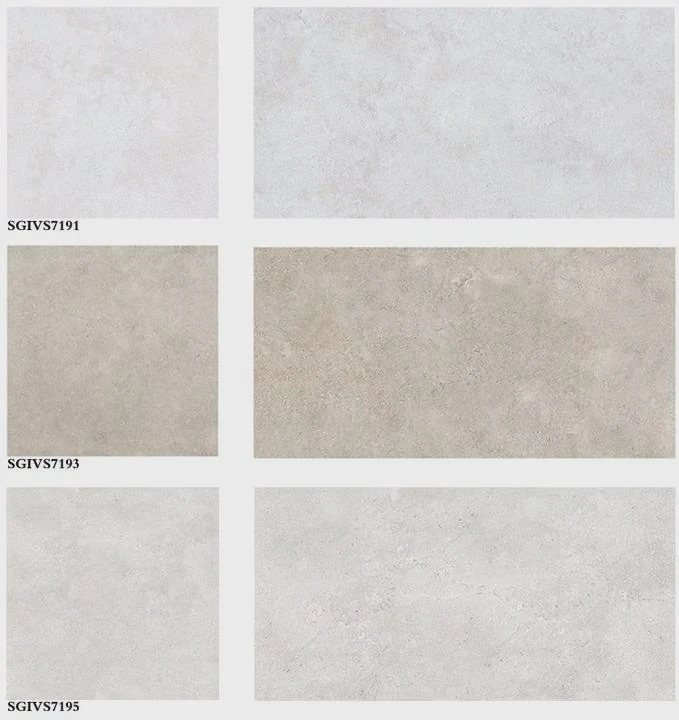
Peel and stick tile does not have one fixed lifespan because every project has different conditions. Some tiles remain strong for more than ten years, while others start peeling after only a few months. The difference often comes from several small details that many buyers ignore.
Material Quality Makes a Big Difference
The first factor is the quality of the tile itself. Low-cost adhesive tiles often use weaker backing materials and lower-quality glue. These products may look attractive at first, but they may lose adhesion quickly when exposed to heat, moisture, or heavy traffic.
High-quality peel and stick tiles usually have stronger adhesive layers, better surface protection, and more stable materials. They can handle daily pressure better and maintain their appearance for a longer time.
| Factor | Effect on Lifespan |
|---|---|
| Strong adhesive layer | Helps tiles stay attached longer |
| Thick surface coating | Protects against scratches and stains |
| High-quality vinyl or composite material | Improves durability |
| Cheap backing material | Increases risk of early failure |
Room Conditions Change Performance
The location where the tile is installed also affects durability. A bedroom wall and a busy kitchen floor have very different requirements.
Humidity is one of the biggest challenges. Bathrooms, laundry rooms, and kitchens often have steam and water exposure. If moisture reaches the adhesive layer, the glue may become weak and the tile may start lifting from the surface.
Temperature changes also matter. Areas near windows, ovens, or heating systems may experience expansion and contraction. Over time, repeated temperature changes can reduce adhesive strength.
Daily Use Influences Wear
The amount of traffic also affects lifespan. Floor tiles in busy areas receive more pressure than wall tiles. Heavy furniture, pets, and frequent cleaning can reduce the useful life of adhesive tiles.
For example, a peel and stick tile backsplash behind a kitchen counter may last longer than a floor installation because it faces less physical stress.
The best way to improve lifespan is to match the product with the correct application. Buyers should consider where the tile will be installed before making a purchase.
How Does Installation Quality Impact Durability?
Good installation can greatly increase peel and stick tile lifespan. A clean surface, correct alignment, and strong pressure during installation help the adhesive create a stable bond.
Many people think peel and stick tiles are easy because they only need to remove the backing and attach the tile. While the process is simple, professional results still require careful preparation.
Surface Preparation Is the First Step
The surface condition directly affects how well the adhesive works. Dust, oil, moisture, and uneven areas can prevent the glue from creating a strong connection.
Before installation, the surface should be clean, dry, smooth, and stable. A dirty wall or floor can create weak points behind the tile. These weak points may cause bubbles, gaps, or peeling edges.
Correct Installation Steps Improve Results
A careful installation process can extend tile lifespan.
| Installation Step | Why It Matters |
|---|---|
| Cleaning the surface | Removes dirt and oil that weaken adhesion |
| Drying completely | Prevents moisture problems |
| Measuring carefully | Avoids pressure and alignment issues |
| Applying firm pressure | Helps the adhesive bond properly |
| Waiting before heavy use | Allows the adhesive to become stronger |
The installer should also avoid rushing. Pressing each tile firmly helps remove air pockets and improves contact between the adhesive and the surface.
Professional Skills Can Prevent Future Problems
Even though peel and stick tiles are designed for DIY projects, experience still matters. A person who understands surfaces, patterns, and tile placement can avoid common mistakes.
In my experience with building materials, small installation mistakes often create bigger problems later. A few minutes spent preparing the surface can prevent years of frustration.
Installation quality does not change the basic material, but it changes how the material performs. A good product with poor installation may fail quickly. A good product with careful installation can reach its expected lifespan.
Why Do Some Adhesive Tiles Fail Early?
Some adhesive tiles fail early because of poor materials, incorrect installation, moisture exposure, or unsuitable locations. Early failure usually comes from problems that happen before or during installation.
Many homeowners feel disappointed when peel and stick tiles begin peeling after a short time. However, early failure usually has clear reasons. Understanding these reasons helps buyers avoid the same problems.
Weak Adhesive Creates Fast Problems
The adhesive layer is the most important part of peel and stick tile. When manufacturers reduce adhesive quality to lower costs, the product may not hold well.
Cheap tiles may work in a temporary project, but they often struggle in areas with moisture, heat, or heavy use.
Moisture Can Damage the Bond
Water is one of the biggest enemies of adhesive tiles. When moisture enters behind the tile, it can weaken the glue and create separation.
This problem is common in bathrooms and kitchens where water exposure is frequent. Proper sealing and choosing suitable products can reduce the risk.
Wrong Surface Selection Causes Failure
Not every surface is suitable for peel and stick tiles. Rough walls, damaged floors, dusty concrete, or surfaces with old grease can create poor adhesion.
Before installation, buyers should check the condition of the surface.
Common causes of early failure include:
- Installing on wet surfaces
- Applying tiles over dust or grease
- Using indoor tiles in outdoor areas
- Choosing low-quality products
- Exposing tiles to extreme heat
- Cleaning with harsh chemicals
A smart buyer should not only focus on price. A cheaper tile that fails quickly may cost more because it requires replacement, labor, and extra time.
Can Peel and Stick Tiles Last Over Ten Years?
Peel and stick tiles can last over ten years when high-quality materials are used in the right environment and installed with proper preparation. However, long-term performance requires careful product selection and maintenance.
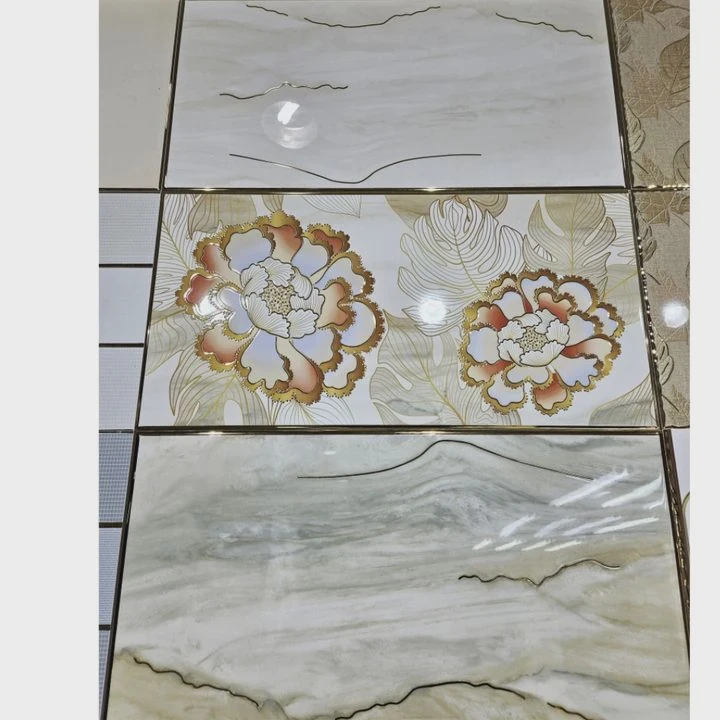
Many people believe adhesive tiles are only temporary solutions, but this idea is not always correct. Modern peel and stick tiles have improved significantly. Better materials and stronger adhesives allow some products to provide long-term performance.
Conditions Needed for Ten-Year Performance
A ten-year lifespan usually requires several conditions working together.
First, the tile quality must be reliable. Premium products use stronger adhesive systems and more durable surface layers.
Second, the installation must be completed correctly. A strong bond from the beginning helps prevent future movement.
Third, the location must match the product design. A low-moisture area with normal traffic creates better conditions than a wet or high-stress environment.
| Situation | Expected Lifespan |
|---|---|
| High-quality tile on a clean wall | 10+ years possible |
| Medium-quality tile in normal indoor areas | Around 5-10 years |
| Cheap tile in humid areas | Less than 5 years possible |
| Poor installation anywhere | Short lifespan likely |
Maintenance Helps Extend Tile Life
Regular care also affects durability. Gentle cleaning methods help protect the surface and adhesive layer.
Harsh cleaners, excessive water, and strong chemicals can slowly damage the tile. Simple maintenance habits can keep the tile looking better for a longer period.
For commercial projects, buyers should consider more than appearance. They should evaluate replacement costs, customer expectations, and long-term maintenance needs.
Peel and stick tiles are not the right choice for every project. Heavy industrial spaces or areas with extreme moisture may require traditional ceramic tiles or other stronger solutions. However, for many homes, offices, and decorative applications, quality adhesive tiles can provide excellent value.
The key point is that lifespan depends on decisions made before installation. Choosing the right product, preparing the surface, and using the tile in the correct location create the foundation for long-term performance.
Conclusion
Peel and stick tile can last 5 to 10 years or more when buyers choose quality products and install them correctly. Material quality, environment, and maintenance all decide how long the tile performs. Good preparation creates better results.