How to paint tile bathroom floor?
- Sinotiles
- 2026-08-18
Many bathroom floors look old because of faded colors, stains, or outdated tile designs. A full replacement can cost a lot, and many homeowners want a faster way to refresh the space.
Painting bathroom tile floors can create a new look without removing the existing tiles. The right preparation, paint, and protection steps can help create a clean and durable surface.
A painted tile floor is not only about changing color. It is about improving the bathroom appearance while saving time and money. However, success depends on choosing the right method and materials.
What preparation is needed before painting tiles?
Preparation decides whether a painted bathroom tile floor will look professional or fail quickly. Cleaning, repairing, sanding, and priming the surface help paint bond better and stay longer.
Before painting bathroom tiles, I focus on creating a clean, dry, and stable surface. Paint cannot stick well to dirt, soap residue, moisture, or damaged tiles. The preparation stage creates the foundation for the whole project.
The first step is deep cleaning. Bathroom floors often collect body oils, cleaning product residue, and mineral deposits. These materials can block paint from attaching to the tile surface. A strong bathroom cleaner can remove most surface problems, but stubborn stains may need extra attention.
The next step is checking the condition of the tiles. Cracked tiles, loose grout, and damaged areas should be repaired before painting. Paint can improve the appearance, but it cannot fix structural problems. A weak tile surface will continue to create problems under a new coating.
Key preparation steps before painting tile floors
| Preparation step | Why it matters |
|---|---|
| Deep cleaning | Removes dirt, grease, and residue that prevent paint adhesion |
| Tile repair | Creates a stable surface and prevents future cracks |
| Light sanding | Makes the glossy tile surface easier for primer to grip |
| Primer application | Improves bonding between tile and paint |
| Drying time | Prevents moisture problems during painting |
Sanding is another important step. Most bathroom tiles have a smooth and glossy finish. This surface looks attractive, but it can make paint adhesion difficult. Light sanding creates a slightly rough texture, which gives primer and paint more space to attach.
After sanding, removing all dust is necessary. Small particles can create bumps and weak areas under the paint layer. A clean microfiber cloth or vacuum can help prepare the floor before applying primer.
Primer selection also affects the final result. A bonding primer designed for difficult surfaces usually works better than a normal wall primer. Bathroom tiles need a product that can handle moisture and regular use.
I also pay attention to moisture control before painting. Bathrooms naturally have humidity, and trapped moisture can cause peeling. The floor should be completely dry before any coating is applied.
A simple preparation mistake can reduce the lifespan of the painted floor. Many failed tile painting projects are not caused by bad paint. They happen because the surface was not prepared correctly. Taking extra time at this stage usually creates a better result.
Which paints adhere best to bathroom tile floors?
The best paint for bathroom tile floors is a product designed for strong adhesion, moisture resistance, and heavy foot traffic. Epoxy paint, urethane-based paint, and tile-specific coatings usually perform better than standard wall paint.
Bathroom floors experience water exposure, cleaning chemicals, and daily movement. Because of this, I avoid using normal interior wall paint for tile floors. Floor surfaces need stronger coatings that can handle pressure and moisture.
Epoxy paint is one of the most popular choices because it creates a hard and durable surface. It bonds strongly with properly prepared tile and can resist water better than many traditional paints. Epoxy coatings are often used in areas that need extra strength.
Urethane-based coatings are another good option. They provide flexibility and protection against scratches. They can also create a smoother finish that works well for modern bathroom designs.
Tile-specific paints are also available. These products are made for ceramic and porcelain surfaces. They often include stronger bonding technology compared with general-purpose paints.
Comparison of common bathroom tile floor paints
| Paint type | Main advantage | Best use |
|---|---|---|
| Epoxy paint | Strong durability and moisture resistance | High-use bathrooms |
| Urethane coating | Good protection and smooth finish | Modern bathroom upgrades |
| Tile paint | Easier application and good adhesion | Small renovation projects |
| Acrylic floor paint | Lower cost and simple use | Areas with lighter traffic |
Color choice also matters. Light colors can make a small bathroom feel larger, while darker colors can create a luxury feeling. However, very light floors may show dirt more easily, and very dark floors may show water marks.
I also consider the finish type. A matte finish can create a natural appearance, but it may require more cleaning. A satin or semi-gloss finish often works better in bathrooms because it is easier to wipe and maintain.
Another important point is slip resistance. Bathrooms are wet areas, so a very smooth painted surface may become unsafe. Some floor coatings include additives that improve grip. This feature is especially useful for family bathrooms and commercial spaces.
The application method affects the final quality too. A roller can create an even surface, while a brush helps with corners and edges. Applying several thin coats usually creates better results than applying one thick coat.
Paint quality alone does not guarantee success. The complete system matters. Good preparation, suitable primer, correct paint, and proper drying time work together. When these steps are followed, painted tile floors can become an effective renovation solution.
How long does painted tile last in bathrooms?
Painted bathroom tile floors usually last between three and five years, but the lifespan depends on paint quality, preparation, traffic level, and maintenance habits.
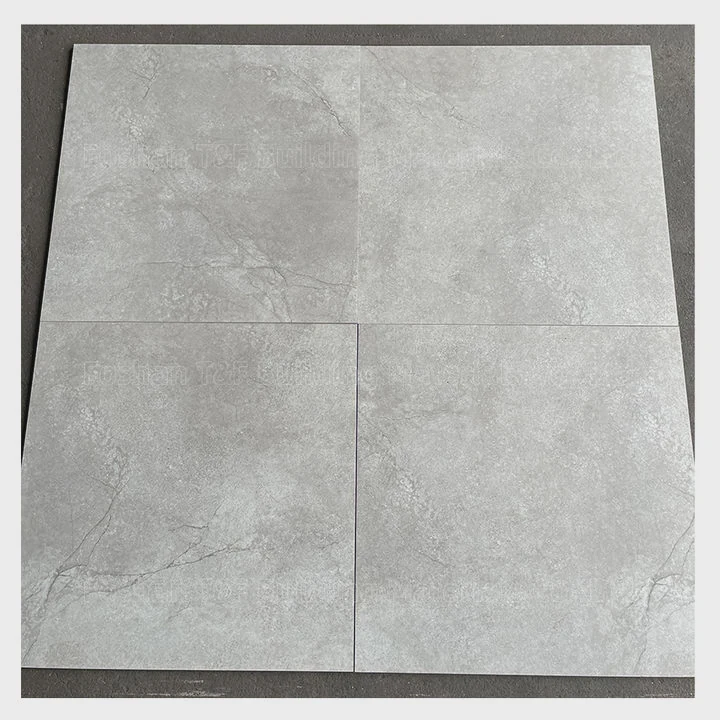
The durability of a painted tile floor depends on many factors. A bathroom used by one person may keep its finish longer than a busy family bathroom. The same paint can perform differently in different environments.
The first factor is surface preparation. A well-prepared tile floor gives paint a stronger connection. Without proper cleaning, sanding, and priming, peeling may appear within months.
The second factor is paint quality. Cheap coatings may look good at first, but they often cannot handle repeated water exposure and daily walking. Higher-quality floor coatings usually provide better long-term performance.
Factors that influence painted tile lifespan
| Factor | Effect on durability |
|---|---|
| Surface preparation | Strong preparation creates better paint bonding |
| Paint quality | Better coatings resist damage longer |
| Bathroom traffic | More walking creates faster wear |
| Cleaning method | Gentle cleaning protects the finish |
| Moisture level | Excess water can weaken coatings |
Bathroom location also changes the expected lifespan. A guest bathroom with limited use may keep a painted floor looking good for many years. A main bathroom with daily showers, children, and heavy cleaning may need touch-ups sooner.
Maintenance habits are equally important. Strong chemical cleaners can damage some painted surfaces. Mild cleaners and soft tools usually help protect the coating. Scrubbing with rough materials may create scratches that allow moisture to enter.
I also recommend placing protective mats in areas with frequent water exposure. Near the shower entrance, water drops and repeated movement can create more stress on the painted surface. A simple mat can reduce daily wear.
Small repairs can also extend the useful life of the floor. If a small chip appears, fixing it early can prevent water from reaching the lower paint layers. Ignoring small damage can lead to larger peeling problems.
Painted tile floors should also be viewed as a renovation option, not always a permanent replacement for new tiles. For homeowners who want a fast design update, painting provides strong value. For areas with extreme use, new tile installation may still provide longer performance.
I find that painted tile floors work best when expectations match the situation. They can refresh an old bathroom, improve appearance, and reduce renovation costs. They need care, but they can provide a practical solution for many spaces.
Can sealing extend painted tile durability?
Sealing can extend the durability of painted bathroom tile floors by adding an extra protective layer against moisture, scratches, and daily wear. A suitable sealer can help protect the painted surface.
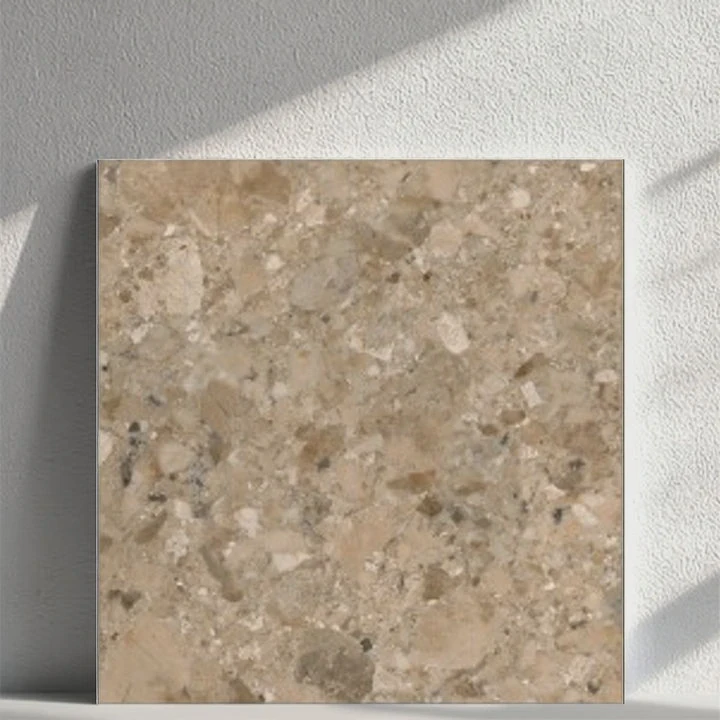
A painted tile floor often needs extra protection because the paint layer receives direct contact with water, shoes, and cleaning products. A quality sealer can create a barrier that helps reduce damage.
The main purpose of sealing is protection. The sealer does not replace good paint or preparation, but it supports the entire system. A weak paint layer will still fail even with a strong sealer.
Benefits of sealing painted bathroom tiles
A proper sealer can provide several advantages:
Better moisture protection
Bathrooms contain constant moisture. Water can enter small cracks or weak areas in the coating. A sealer reduces the chance of water reaching the paint layer.
Improved scratch resistance
Daily activities can create small scratches on painted floors. A protective sealer helps reduce surface damage caused by movement and cleaning.
Easier maintenance
Sealed floors are often easier to clean. The protective layer can prevent dirt from becoming deeply attached to the surface.
The type of sealer matters. A clear polyurethane sealer is commonly used because it creates a strong protective finish. Some projects may use epoxy-based clear coatings for even stronger protection.
I always check whether the sealer is compatible with the paint system. Different products may react badly when combined. Using a complete system from the same manufacturer can reduce compatibility problems.
The sealing process also requires patience. The painted floor needs enough drying time before applying the protective layer. Applying sealer too early can trap moisture and weaken the final result.
| Sealer type | Protection level | Suitable application |
|---|---|---|
| Polyurethane sealer | High | Residential bathroom floors |
| Clear epoxy coating | Very high | Heavy-use spaces |
| Acrylic sealer | Medium | Decorative low-traffic areas |
A sealed painted floor still needs proper care. Regular cleaning with gentle products helps maintain the finish. Avoiding harsh chemicals and sharp objects can keep the surface attractive for a longer period.
For many bathroom renovation projects, sealing is a smart final step. It improves protection and helps the painted surface handle daily challenges. When combined with good preparation and suitable paint, sealing can significantly improve overall durability.
Conclusion
Painting a bathroom tile floor can create a fresh look without a full renovation. Good preparation, suitable paint, and protective sealing help create a durable and attractive surface.