How Long Does Tile Flooring Last?
- Sinotiles
- 2026-07-21
Many people expect tile flooring to last forever. Yet some floors stay beautiful for decades while others show cracks, stains, or loose tiles much sooner than expected.
Tile flooring can last anywhere from 20 years to over 100 years, depending on the tile material, installation quality, daily traffic, and maintenance. High-quality porcelain and natural stone tiles installed correctly often last several generations.
A long-lasting tile floor is never the result of one factor alone. The tile itself matters, but so do the adhesive, subfloor, installation method, and daily care. This guide explains what really determines tile flooring lifespan and how simple decisions today can help a floor remain attractive for many decades.
What Factors Affect Tile Flooring Lifespan?
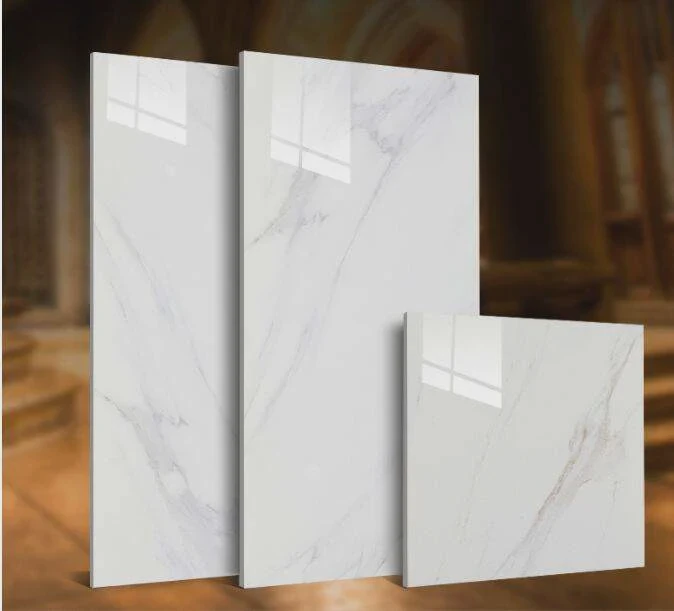
Many homeowners focus only on the tile they choose. From my experience working with tile products, the material is only one part of the story. The environment, installation process, and everyday use all work together to determine how long the floor will last.
Tile flooring lasts longer when high-quality materials are installed on a stable subfloor, exposed to normal indoor conditions, and protected through proper care. Weak installation or poor environmental conditions can shorten its lifespan significantly.
When customers ask how long tile flooring will last, the answer always depends on several connected factors instead of one simple number.
Tile Material Makes the Biggest Difference
Not every tile offers the same durability.
Porcelain tile is fired at very high temperatures. It has a dense body with low water absorption, making it one of the strongest flooring options available.
Ceramic tile also performs well in most residential settings. However, it generally has a higher water absorption rate and slightly lower density than porcelain.
Natural stone varies widely. Granite is extremely durable, while softer stones require more attention and regular sealing.
The manufacturing process also affects long-term performance. Better production control creates tiles with more consistent dimensions, stronger bodies, and improved surface quality.
Daily Traffic Changes Wear Patterns
The amount of foot traffic greatly affects tile longevity.
Residential bedrooms usually experience light use. Their tile floors may look nearly new after many years.
Commercial entrances, shopping centers, hotels, and airports experience constant traffic every day. Even durable porcelain tiles will show more wear under these demanding conditions.
Consider these common environments:
| Location | Expected Wear Level | Recommended Tile Type |
|---|---|---|
| Bedroom | Low | Ceramic or Porcelain |
| Living Room | Medium | Porcelain |
| Kitchen | Medium to High | Porcelain |
| Retail Store | High | Commercial Porcelain |
| Hotel Lobby | Very High | Heavy-Duty Porcelain |
Choosing a tile that matches the expected traffic level helps prevent premature wear.
Environmental Conditions Matter
Moisture, temperature changes, and structural movement all influence the floor’s lifespan.
For example, freeze-thaw cycles outdoors place stress on many tile materials.
Indoor bathrooms remain humid for long periods, making proper waterproofing essential.
Poor moisture control beneath the floor may weaken adhesives or damage the substrate over time.
The Subfloor Supports Everything
A beautiful tile cannot compensate for a weak foundation.
The subfloor should be:
- Clean
- Dry
- Flat
- Stable
- Structurally sound
If the subfloor flexes under load, grout may crack and tiles may loosen, even when the tile itself remains perfectly intact.
Product Quality Also Plays a Role
Two tiles may look almost identical in a showroom.
However, differences in raw materials, firing temperatures, glazing technology, and quality inspection can produce very different long-term performance.
Choosing products from experienced manufacturers often provides greater consistency and reliability over many years.
In the end, tile lifespan depends on how well all these factors work together rather than on any single feature.
Can Proper Maintenance Extend Tile Durability?
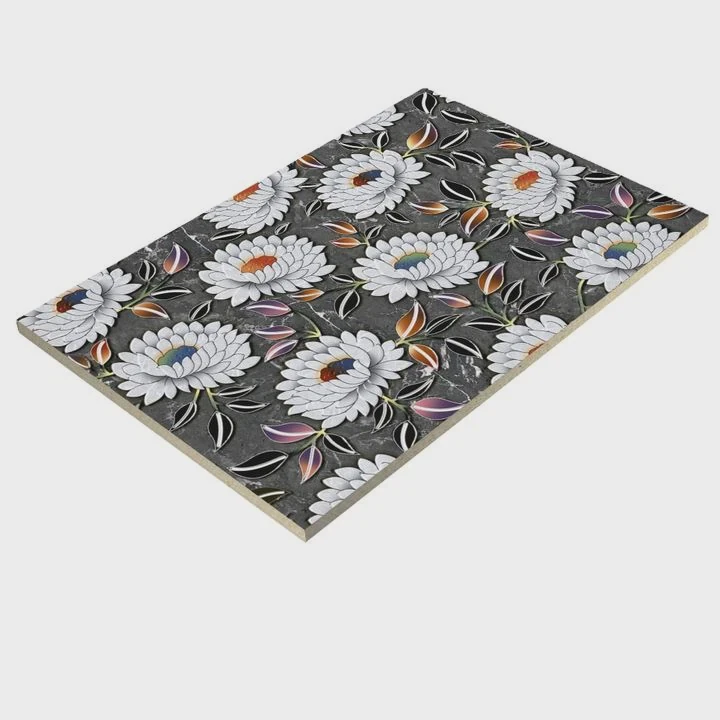
Many people believe tile floors require no maintenance. While tile is easier to care for than many flooring materials, regular maintenance still plays an important role in preserving its appearance and performance.
Simple cleaning, prompt repair of small problems, proper grout care, and protecting the floor from heavy impacts can significantly extend the service life of tile flooring.
One lesson I have learned is that most damaged floors do not fail overnight. Small problems often develop slowly before becoming expensive repairs.
Regular Cleaning Prevents Long-Term Damage
Dust and sand may seem harmless.
However, these small particles work like fine sandpaper under shoes.
Over many years they can gradually wear glazed surfaces and dull the finish.
Simple cleaning routines include:
- Vacuum loose dirt
- Sweep frequently
- Mop with a pH-neutral cleaner
- Wipe spills quickly
Avoid harsh chemicals unless recommended by the tile manufacturer.
Grout Deserves Equal Attention
Grout often ages faster than the tile itself.
Dirty or damaged grout can make an otherwise beautiful floor appear old.
Regular grout inspection helps identify:
- Small cracks
- Missing sections
- Mold growth
- Stains
Repairing minor grout damage early prevents moisture from reaching the substrate.
Protect High-Traffic Areas
Some sections of every floor receive more use than others.
Examples include:
- Entry doors
- Kitchen work areas
- Hallways
- Dining spaces
Area rugs or entrance mats reduce the amount of abrasive dirt entering the home.
Furniture pads also prevent scratches caused by moving chairs or tables.
Avoid Heavy Impacts
Tile handles compression extremely well.
Sharp impacts are a different matter.
Dropping heavy cookware or construction tools may chip even strong porcelain tiles.
Simple precautions reduce this risk considerably.
Address Small Problems Quickly
Loose tiles, cracked grout, or water leaks should never be ignored.
Minor repairs are usually simple.
Waiting several months may allow moisture to spread beneath the flooring and create much larger repair costs.
A Simple Maintenance Schedule
| Maintenance Task | Suggested Frequency |
|---|---|
| Sweep or Vacuum | Weekly |
| Damp Mop | Weekly or As Needed |
| Inspect Grout | Every 6 Months |
| Replace Damaged Grout | When Needed |
| Reseal Natural Stone | According to Product Instructions |
Routine maintenance requires very little effort, yet it protects the investment made in the flooring and helps preserve its appearance for many years.
Which Tile Types Last the Longest?
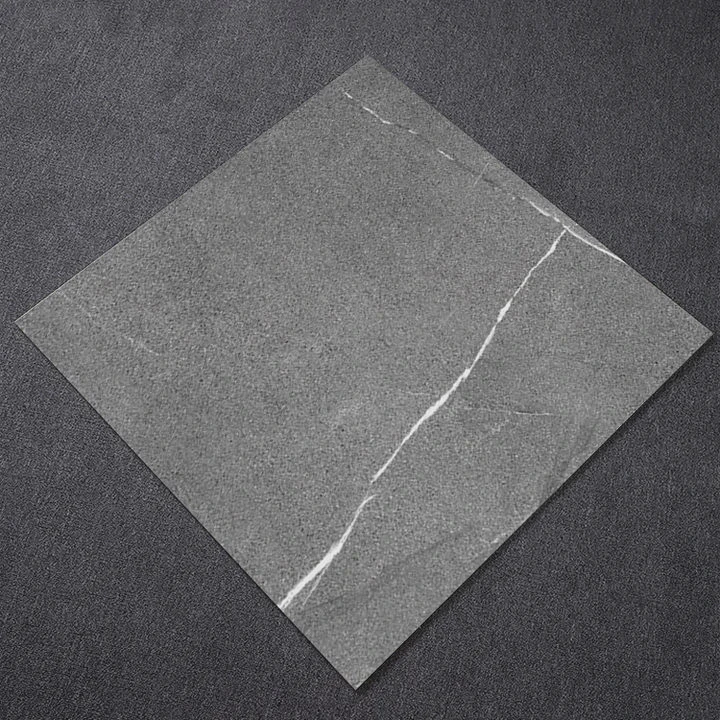
Not every tile is built for the same purpose. Some are designed mainly for decorative walls, while others are manufactured specifically to withstand decades of heavy foot traffic.
Porcelain tile generally offers the longest lifespan among common flooring materials, followed by high-quality natural stone and durable ceramic tile. The best choice depends on the installation environment and expected use.
Understanding the strengths of each tile type makes selecting the right product much easier.
Porcelain Tile
Porcelain remains the benchmark for durability.
Its dense structure provides:
- Excellent wear resistance
- Low water absorption
- High strength
- Strong stain resistance
- Excellent frost resistance
These qualities make porcelain suitable for homes, commercial buildings, and outdoor applications.
Many porcelain floors remain in service for 50 years or much longer.
Ceramic Tile
Ceramic tile has been used for centuries.
Modern ceramic flooring provides:
- Good durability
- Wide design selection
- Affordable pricing
- Easy maintenance
For normal residential use, ceramic flooring often lasts several decades when properly installed.
Natural Stone
Natural stone offers unmatched character.
Popular options include:
- Granite
- Marble
- Slate
- Travertine
- Limestone
Granite ranks among the longest-lasting materials due to its hardness.
Marble delivers timeless elegance but requires more maintenance because it scratches and etches more easily.
Glass Tile
Glass tile is primarily used for decorative walls rather than flooring.
Its smooth surface and lower impact resistance make it less suitable for heavy pedestrian traffic.
Cement Tile
Cement tiles develop a unique appearance over time.
They require periodic sealing but can remain beautiful for many decades with proper care.
Comparing Common Tile Types
| Tile Type | Typical Lifespan | Maintenance Level |
|---|---|---|
| Porcelain | 50-100+ Years | Low |
| Ceramic | 30-75 Years | Low |
| Granite | 75-100+ Years | Moderate |
| Marble | 40-100 Years | Higher |
| Cement Tile | 40-80 Years | Moderate |
Choosing the right material should always consider the intended application rather than appearance alone. A durable tile placed in the right environment often becomes a once-in-a-lifetime flooring investment.
Does Installation Quality Impact Longevity?
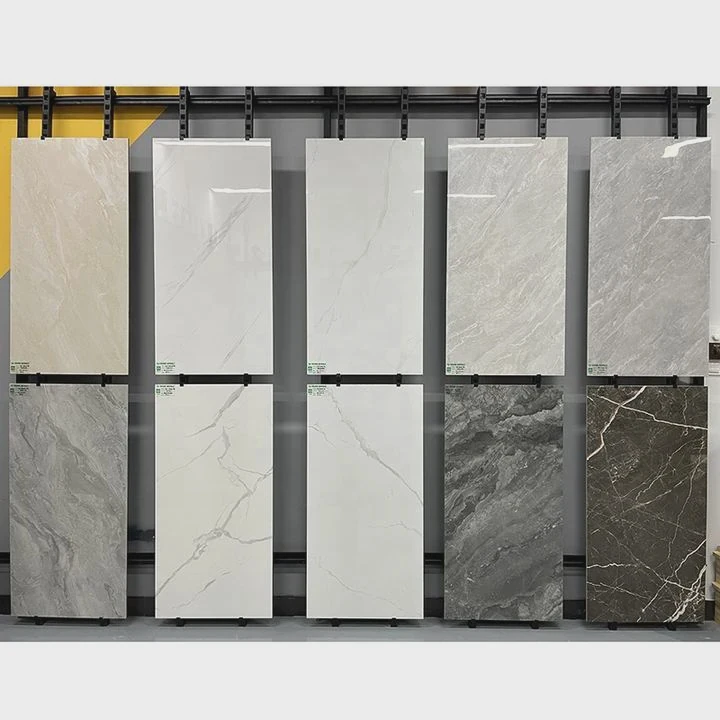
Even the highest-quality tile cannot compensate for poor workmanship. Installation quality often determines whether a floor lasts for decades or begins developing problems within just a few years.
Professional installation creates a stable foundation that supports the tile throughout its life. Proper subfloor preparation, adhesive selection, layout, grout application, and movement joints all contribute directly to long-term durability.
In many flooring projects, installation quality is the difference between success and failure.
Proper Surface Preparation Comes First
The installer should verify that the subfloor is:
- Flat
- Dry
- Structurally stable
- Free of contaminants
Ignoring these basic requirements often leads to loose tiles and cracked grout later.
Correct Adhesive Selection
Different environments require different adhesives.
Large-format porcelain, outdoor installations, and wet areas may each require specific bonding materials.
Using the wrong adhesive increases the risk of bond failure.
Full Adhesive Coverage Matters
Insufficient mortar coverage creates hollow areas beneath the tile.
These unsupported spaces increase the chance of cracking under heavy loads.
Professional installers follow recommended coverage requirements to ensure adequate support.
Expansion Joints Prevent Stress
Buildings naturally expand and contract.
Without movement joints, pressure builds inside the tiled surface.
Eventually this stress may cause:
- Cracked grout
- Loose tiles
- Tenting
- Surface fractures
Movement joints help absorb these forces safely.
Skilled Layout Improves Performance
Accurate layout is about more than appearance.
Proper planning helps distribute loads evenly, reduces unnecessary cutting, and creates stronger finished installations.
Final Inspection Completes the Job
A careful installer checks:
- Tile alignment
- Lippage
- Grout consistency
- Hollow sounds
- Surface cleanliness
These final inspections help identify small issues before the project is completed.
Over the years, I have seen beautiful tile products perform poorly because of rushed installation. I have also seen ordinary-looking tiles remain in excellent condition for decades because every installation step was completed carefully. Investing in skilled workmanship often provides greater long-term value than choosing a more expensive tile without proper installation.
Conclusion
Tile flooring can last from several decades to well over a century when the right materials, proper installation, and consistent maintenance come together. Choosing quality tile, preparing a stable foundation, and caring for the floor regularly will help protect both its beauty and its performance for many years.