How Many 12x24 Tiles Per 100 Sq Ft?
- Sinotiles
- 2026-06-09
Many buyers estimate tile quantities too quickly and end up short during installation. That creates delays, extra shipping costs, and unnecessary stress.
For a 100-square-foot area, you typically need about 50 pieces of 12x24-inch tiles because each tile covers approximately 2 square feet. Most projects also require extra tiles for waste, cuts, and future repairs.
The basic calculation looks simple, but several details can change the final quantity. Tile size, grout joints, layout patterns, cutting loss, and room shape all play a role. Understanding these factors helps avoid costly mistakes and keeps a project moving smoothly.
What Formula Calculates Tile Quantity Needed?
Many people assume tile calculations are difficult. In reality, the process is straightforward when the correct formula is used.
The standard formula is to divide the total floor area by the coverage area of one tile. For 12x24-inch tiles, each tile covers about 2 square feet, so 100 square feet requires roughly 50 tiles before adding waste.
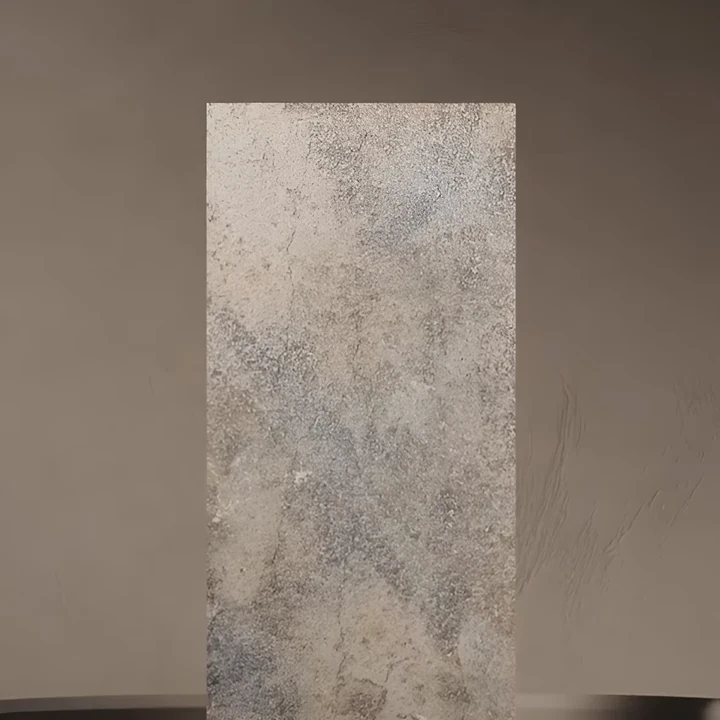
When calculating tile quantity, the first step is finding the area of a single tile.
Calculate the Tile Area
A 12x24-inch tile measures:
- 12 inches = 1 foot
- 24 inches = 2 feet
The tile coverage becomes:
| Tile Size | Coverage Per Tile |
|---|---|
| 12x24 inches | 2 sq ft |
The formula is:
Tile Area = Length x Width
So:
1 ft x 2 ft = 2 sq ft
Calculate Room Area
The next step is measuring the installation space.
For example:
- Room Length = 10 ft
- Room Width = 10 ft
Room area:
10 x 10 = 100 sq ft
Calculate Required Tiles
Now divide room area by tile area.
| Room Area | Tile Coverage | Tiles Needed |
|---|---|---|
| 100 sq ft | 2 sq ft | 50 tiles |
The equation becomes:
50 = 100 ÷ 2
This gives the minimum tile count.
Why the Formula Matters
Over the years, I have noticed that many buyers estimate tile quantities by visual judgment instead of measurement. That often causes shortages near the end of installation.
The formula creates a reliable starting point because it is based on actual dimensions rather than assumptions.
Common Mistakes
Several errors appear frequently:
- Mixing inches and feet
- Ignoring obstacles
- Forgetting waste allowance
- Using nominal tile size instead of actual size
Some manufacturers list nominal dimensions while actual dimensions can vary slightly. A professional installer always verifies the actual tile specification before calculating quantities.
Accurate calculations help control project budgets and prevent installation interruptions. Even a simple room benefits from proper measurement before placing an order.
How Does Grout Spacing Affect Tile Count?
Many installers focus only on tile dimensions and overlook grout joints. Small spacing differences may seem unimportant, but they can affect overall tile quantities.
Grout spacing slightly changes the total number of tiles needed because the joints occupy space between tiles. Wider grout lines generally reduce the number of tiles required across a given area, while narrow joints may require slightly more tiles.

Grout joints are the gaps left between neighboring tiles.
Understanding Grout Width
Common grout joint sizes include:
- 1⁄16 inch
- 1⁄8 inch
- 3⁄16 inch
- 1⁄4 inch
Each joint adds a small amount of coverage beyond the tile itself.
Example Comparison
Imagine a large floor installation using 12x24 tiles.
With very narrow grout lines, the tile layout occupies slightly less overall space per piece.
With wider grout lines, each tile plus joint covers slightly more area.
The difference may not be dramatic in a 100-square-foot room, but it becomes noticeable in large commercial projects.
Why the Impact Is Usually Small
For a typical 100-square-foot room, grout spacing rarely changes the quantity by many tiles.
For example:
- Narrow grout line may require around 50 tiles.
- Wider grout line may still require around 49-50 tiles.
The reason is simple. The grout joint is tiny compared to the tile size.
Layout Patterns Matter More
In many cases, tile patterns create a larger impact than grout spacing.
Examples include:
- Straight lay
- Brick pattern
- Herringbone
- Chevron
- Diagonal layout
Some patterns generate more cuts and increase waste.
Installer Considerations
When I review tile planning methods, I find that professional installers often calculate the layout before finalizing quantities. They do not simply divide square footage by tile coverage.
They examine:
- Starting points
- Wall alignment
- Center lines
- Border cuts
- Transition areas
This process reveals how grout joints interact with the room dimensions.
Practical Recommendation
For most residential projects, grout spacing should not dramatically change purchasing quantities. Still, it should be included in the planning stage because accurate layouts improve appearance and reduce installation issues.
A well-planned grout joint can make a room look balanced and professional. Ignoring spacing can lead to uneven cuts near walls and wasted material.
Why Include Extra Tiles For Waste?
Many projects fail because buyers order the exact calculated quantity. Unfortunately, installation conditions are rarely perfect.
Extra tiles are necessary because some pieces must be cut, some may break during installation, and additional tiles may be needed for future repairs. Most professionals recommend ordering 5% to 15% more than the calculated requirement.

Waste is a normal part of tile installation.
Sources of Tile Waste
Several situations create unavoidable losses.
Cutting Around Obstacles
Rooms often contain:
- Doorways
- Corners
- Columns
- Cabinets
- Plumbing fixtures
Tiles near these areas require trimming.
A tile cut from one section may not fit elsewhere.
Breakage During Handling
Even high-quality tiles can crack.
Common causes include:
- Transportation damage
- Accidental drops
- Installation mistakes
A small number of damaged pieces is normal on most projects.
Pattern Alignment
Decorative layouts often increase waste.
Examples include:
- Diagonal installation
- Herringbone pattern
- Chevron design
Complex patterns create more offcuts.
Recommended Waste Percentages
| Installation Type | Recommended Extra |
|---|---|
| Straight lay | 5%-10% |
| Diagonal layout | 10%-15% |
| Complex patterns | 15% or more |
Example for 100 Sq Ft
Basic requirement:
- 50 tiles
Add 10% waste:
- 50 x 10% = 5 tiles
Total order:
- 55 tiles
Add 15% waste:
- 50 x 15% = 7.5 tiles
Rounded quantity:
- 58 tiles
Future Maintenance Benefits
One reason I always recommend keeping spare tiles is future repair work.
Years after installation, replacement tiles may become unavailable.
Manufacturers sometimes:
- Discontinue colors
- Change surface finishes
- Update production batches
Matching an older tile can become difficult.
Keeping a small reserve provides insurance against future damage.
Cost Versus Risk
Some buyers hesitate to purchase extra material because they want to reduce costs.
However, the financial risk of a shortage is often much higher.
A shortage can lead to:
- Installation delays
- Additional shipping charges
- Different dye lots
- Project interruptions
A few extra tiles usually cost far less than resolving those issues.
Waste allowance should not be viewed as unnecessary spending. It is a practical safeguard that protects the project from common installation challenges.
Which Factors Influence Total Tile Requirements?
Many people believe tile quantity depends only on room size. In practice, several variables affect the final order quantity.
Total tile requirements are influenced by room dimensions, tile size, layout pattern, grout spacing, waste allowance, obstacles, and installer experience. Considering all these factors produces a more accurate estimate.
Tile estimation becomes more accurate when every project condition is considered.
Room Shape
A square room is usually the easiest scenario.
Irregular spaces create additional cuts.
Examples include:
- L-shaped rooms
- Curved walls
- Angled corners
- Open-plan areas
These features increase waste and complexity.
Tile Size
Larger tiles cover more area per piece.
For example:
- A 12x24 tile covers about 2 sq ft.
- A smaller tile covers less area.
Large-format tiles often reduce grout lines but may require special handling.
Installation Pattern
Pattern selection directly affects tile usage.
Straight Pattern
This layout generally produces the least waste.
Diagonal Pattern
Diagonal installations create more edge cuts.
Waste percentages often increase.
Decorative Patterns
Patterns such as herringbone can generate significant offcuts.
Additional material is usually required.
Surface Obstacles
Rooms rarely consist of an empty rectangle.
Installers must work around:
- Kitchen islands
- Bathroom fixtures
- Stairs
- Built-in furniture
- Structural columns
Each obstacle affects cutting requirements.
Tile Calibration
Not all tiles are manufactured identically.
Some products have:
- Rectified edges
- Pressed edges
- Slight dimensional variations
These characteristics influence grout joint planning and layout precision.
Installer Skill Level
An experienced installer often produces less waste.
Skill affects:
- Cutting accuracy
- Layout planning
- Material handling
- Breakage rates
Inexperienced crews may require higher waste allowances.
Project Type
Commercial projects and residential projects often have different requirements.
Commercial spaces may involve:
- Large open areas
- Strict specifications
- Detailed layout drawings
Residential projects may contain more corners and obstacles.
Environmental Conditions
Storage and handling conditions also matter.
Tiles can become damaged through:
- Improper stacking
- Rough transportation
- Moisture exposure
- Construction-site traffic
Good planning reduces these risks.
Putting Everything Together
For a simple 100-square-foot room using 12x24 tiles, the starting calculation remains:
- 100 sq ft ÷ 2 sq ft per tile
- = 50 tiles
Then adjustments are added for:
- Waste
- Layout pattern
- Room shape
- Installer needs
A realistic final order often falls between 55 and 58 tiles for many residential applications.
The exact quantity depends on project conditions, but understanding these variables makes estimation much more reliable and helps prevent costly shortages during installation.
Conclusion
A 100-square-foot area typically requires about 50 pieces of 12x24-inch tiles before waste is added. Most projects should include an extra 5% to 15% for cuts, breakage, and future repairs. Accurate planning ensures smoother installation, better budgeting, and fewer material shortages.