Where to Buy Porcelanosa Tile?
- Sinotiles
- 2026-06-09

Finding genuine Porcelanosa tiles can feel difficult. Many buyers see different prices, different sellers, and unclear product information.
Porcelanosa tiles can be purchased through authorized dealers, official showrooms, building material retailers, design centers, and verified online suppliers. The safest option is to work with authorized distributors that provide authentic products, warranty support, and reliable delivery services.
Many buyers focus only on price. Yet product authenticity, stock availability, shipping costs, and after-sales service can have an even bigger impact on the final purchase experience. Understanding where to buy and how to verify suppliers helps avoid costly mistakes.
What Stores Offer Porcelanosa Tiles Globally?
Many buyers start with a simple question: where can genuine Porcelanosa tiles actually be found? The answer is not always obvious because distribution networks vary by country.
Porcelanosa tiles are commonly sold through official showrooms, authorized distributors, premium tile retailers, design centers, and selected construction material suppliers across North America, Europe, the Middle East, Asia, and other regions.
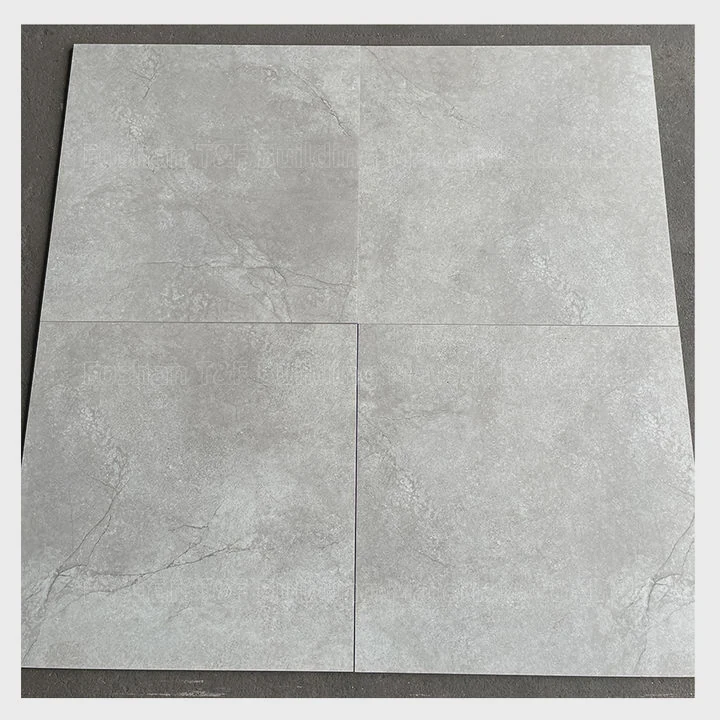
The global tile market has become highly connected. A buyer in one country can often access products from manufacturers located thousands of miles away. Still, local distribution channels remain important.
Common Places to Buy Porcelanosa Tiles
The most common purchasing channels include:
| Store Type | Main Advantage | Typical Buyer |
|---|---|---|
| Official Showrooms | Full product range | Homeowners, designers |
| Authorized Dealers | Authentic products | Contractors, retailers |
| Tile Retail Stores | Convenient local access | Residential buyers |
| Design Centers | Professional consultation | Architects |
| Online Suppliers | Wide product selection | International buyers |
Official showrooms usually provide the best product display experience. Buyers can inspect colors, textures, finishes, and tile sizes in person. This reduces the risk of ordering products that look different from online photos.
Authorized dealers also play a major role. These businesses receive products directly through approved distribution channels. They often maintain local inventory and provide technical guidance for installation.
Regional Availability Differences
Product availability often depends on local demand.
In North America, premium porcelain products are frequently stocked by specialized tile distributors. Large cities tend to have better product availability because of stronger demand from architects and designers.
In Europe, buyers may find broader collections due to the region’s long history with ceramic and porcelain products. Transportation costs can also be lower because distribution networks are well established.
In the Middle East, luxury residential and commercial projects have increased demand for premium tile brands. Many authorized distributors focus heavily on large-scale developments.
In Asia, product selection may vary significantly by market. Major metropolitan areas generally offer better access than smaller cities.
What Buyers Should Ask Before Visiting a Store
Before making a trip, I usually recommend confirming several points:
- Product availability
- Current inventory levels
- Lead times
- Minimum order requirements
- Sample availability
- Shipping options
Many buyers assume a displayed product is immediately available. In reality, some collections may require special ordering.
A simple phone call or email can save considerable time and prevent project delays.
Why Local Support Matters
Tile purchases involve more than selecting a design.
Questions often arise regarding:
- Installation methods
- Grout selection
- Tile thickness
- Slip resistance
- Maintenance requirements
Stores with knowledgeable staff can provide guidance that helps avoid expensive installation problems later.
This becomes especially important for commercial projects where performance requirements may be strict.
How Can Online Suppliers Be Verified Safely?
Buying tiles online offers convenience, but it also introduces risk. Not every supplier advertising premium tiles is equally trustworthy.
Online tile suppliers can be verified safely by checking business credentials, customer reviews, physical addresses, product documentation, payment security, and evidence of authorized distribution relationships.
The growth of e-commerce has created many opportunities for buyers. It has also increased the number of unreliable sellers.
Verifying suppliers carefully can prevent financial loss and project delays.
Key Verification Checklist
Before placing an order, I typically review several factors.
| Verification Item | Why It Matters |
|---|---|
| Business Registration | Confirms legal operation |
| Physical Address | Indicates real presence |
| Customer Reviews | Shows buyer experience |
| Product Photos | Demonstrates inventory |
| Secure Payment Methods | Reduces transaction risk |
| Contact Information | Supports communication |
| Return Policy | Protects the buyer |
A legitimate supplier should provide clear business information. Hidden ownership details often create unnecessary risk.
Review the Company’s Online Presence
A supplier’s website can reveal useful information.
Look for:
- Detailed product descriptions
- Installation guides
- Technical specifications
- Professional images
- Clear policies
A well-maintained website does not guarantee reliability, but it often reflects business professionalism.
Social media profiles can also help verify activity. Regular updates, customer interactions, and project showcases may indicate an established business.
Request Supporting Documents
Professional suppliers should be able to provide documentation.
Examples include:
- Product specifications
- Quality certificates
- Test reports
- Shipping information
- Product catalogs
These documents demonstrate familiarity with the products being sold.
When a supplier struggles to provide basic technical information, it may signal limited product knowledge or questionable sourcing.
Evaluate Communication Quality
Communication often reveals a great deal.
Reliable suppliers generally respond with:
- Clear answers
- Detailed quotations
- Accurate lead times
- Transparent pricing
Poor communication creates uncertainty.
When answers change frequently or important information remains vague, caution is appropriate.
Verify Payment Security
Payment methods matter.
Professional suppliers typically offer recognized payment options that include buyer protections.
Avoid situations where:
- Only unusual payment methods are accepted
- Payment must be sent to personal accounts
- Documentation is unavailable
Transparent invoicing practices reduce purchasing risk.
Order Samples First
One of the safest approaches is ordering samples.
A sample allows buyers to evaluate:
- Surface texture
- Color consistency
- Finish quality
- Packaging standards
This small investment often prevents larger mistakes.
For large commercial projects, sample approval is almost always worthwhile.
Why Choose Authorized Dealers for Purchase?
Many buyers compare authorized dealers with independent resellers. The lowest price can look attractive, but purchase decisions involve more than cost alone.
Authorized dealers provide authentic products, manufacturer-backed support, reliable supply chains, accurate technical information, and stronger protection against counterfeit or misrepresented materials.
In the tile industry, authenticity matters. A project may involve thousands of square feet of material. Any quality issue can create significant replacement costs.
Product Authenticity
One major advantage of authorized dealers is confidence.
Authorized dealers typically receive products through approved distribution channels. This reduces the risk of:
- Counterfeit products
- Mixed inventory
- Incorrect specifications
- Damaged goods
For premium tile purchases, authenticity is often worth paying for.
Better Technical Support
Tile selection involves many technical considerations.
Examples include:
| Technical Area | Why It Is Important |
|---|---|
| Slip Resistance | Safety compliance |
| Water Absorption | Moisture performance |
| Tile Thickness | Structural suitability |
| Surface Finish | Design requirements |
| Installation Method | Long-term durability |
Authorized dealers usually receive training and product updates.
This allows them to provide more accurate recommendations.
Consistent Supply Chains
Project delays often occur because materials arrive late.
Authorized distribution networks typically offer:
- Better inventory visibility
- Predictable lead times
- Coordinated logistics
- Product traceability
For large commercial projects, supply consistency can be as important as product quality.
Warranty and Claims Support
Problems occasionally occur even with premium products.
Examples may include:
- Shipping damage
- Manufacturing defects
- Incorrect deliveries
Authorized dealers generally provide clearer procedures for resolving these issues.
A strong support structure reduces uncertainty when problems arise.
Long-Term Business Relationships
Many contractors, architects, and developers prefer working with established dealers.
The reasons are practical:
- Faster quotations
- Repeat-order efficiency
- Product familiarity
- Better communication
Long-term relationships often create smoother purchasing experiences.
Cost Versus Value
Some buyers focus only on the lowest initial price.
However, a lower purchase price may not represent the lowest overall project cost.
A slightly higher-priced authorized supplier may help avoid:
- Installation issues
- Product replacements
- Delivery delays
- Specification errors
These factors can save far more money than the original price difference.
Which Factors Affect Tile Pricing and Availability?
Buyers often notice significant price differences between suppliers and regions. Understanding these variables helps create realistic budgets and purchasing plans.
Tile pricing and availability are influenced by product design, manufacturing costs, raw materials, transportation, inventory levels, regional demand, currency fluctuations, and project volume.
Many people assume that tile pricing depends only on size. In reality, numerous factors contribute to the final cost.
Product Specifications
Certain product characteristics directly influence pricing.
These include:
- Tile size
- Surface finish
- Design complexity
- Production technology
- Thickness
Large-format tiles often require specialized manufacturing processes. This can increase production costs.
Premium finishes may also involve additional processing steps.
Manufacturing and Raw Materials
Raw material prices fluctuate over time.
Key inputs include:
- Clay
- Minerals
- Glazes
- Energy
Energy costs can have a major impact because tile production requires high-temperature kilns.
When energy prices rise, manufacturing expenses often increase as well.
Transportation Costs
Shipping plays an important role.
Tiles are heavy products. Transportation expenses can become significant, especially for international shipments.
Factors affecting logistics costs include:
| Cost Driver | Impact on Pricing |
|---|---|
| Fuel Prices | Higher freight costs |
| Shipping Distance | Increased transport expense |
| Container Availability | Changes freight rates |
| Port Congestion | Causes delays |
| Local Delivery | Adds final distribution cost |
A buyer located near a distribution center may receive lower pricing than someone in a remote area.
Inventory Levels and Demand
Supply and demand affect pricing in every industry.
Popular collections may experience:
- Limited stock
- Longer lead times
- Higher demand
When inventory becomes scarce, pricing pressure often increases.
On the other hand, suppliers sometimes offer promotions on products with excess inventory.
Currency Exchange Rates
International purchases are influenced by currency movements.
A change in exchange rates can affect:
- Import costs
- Distributor margins
- Retail pricing
This is especially important for buyers importing products across borders.
Project Volume
Order size often affects pricing.
Large projects may qualify for:
- Volume discounts
- Special pricing agreements
- Direct container shipments
Smaller orders may carry higher per-unit costs because transportation and handling expenses are spread across fewer products.
Seasonal Factors
Construction activity changes throughout the year.
In some regions, demand rises during peak building seasons.
Higher demand can influence:
- Inventory availability
- Lead times
- Shipping schedules
Planning purchases early often provides more flexibility.
Market Competition
Local competition also shapes pricing.
Areas with many distributors frequently offer:
- More product choices
- Better service options
- Competitive pricing
Markets with fewer suppliers may provide less pricing flexibility.
Understanding local market conditions helps buyers make better purchasing decisions and avoid unnecessary surprises during project planning.
Conclusion
Buying Porcelanosa tiles successfully involves more than finding a seller. The best results come from choosing trusted suppliers, verifying online sources carefully, working with authorized dealers, and understanding the factors that influence pricing, availability, and delivery timelines.
- Pre: How Many 12x24 Tiles Per 100 Sq Ft?
- Next: Sorry!