How Much Does 17 Boxes of 12x12 Tile Weigh?
- Sinotiles
- 2026-03-12
Heavy tile boxes surprise many buyers. One box seems manageable. But when a project requires many boxes, the weight adds up quickly and affects transport, storage, and labor.
Seventeen boxes of 12×12 tile usually weigh between 680 and 850 pounds (308–385 kg), depending on tile type, thickness, and material. Ceramic tiles are lighter, while porcelain tiles are denser and heavier.
Understanding tile weight helps avoid shipping mistakes, loading problems, and damaged pallets. Many buyers only realize the impact when the container is already being loaded.
What Factors Affect Tile Box Weight?
A pallet of tile can look simple from the outside. Yet the weight inside each box can vary a lot depending on several product details.
Tile box weight mainly depends on tile material, thickness, size per box, and packaging. These factors determine how many pieces fit in a box and how heavy each tile is.
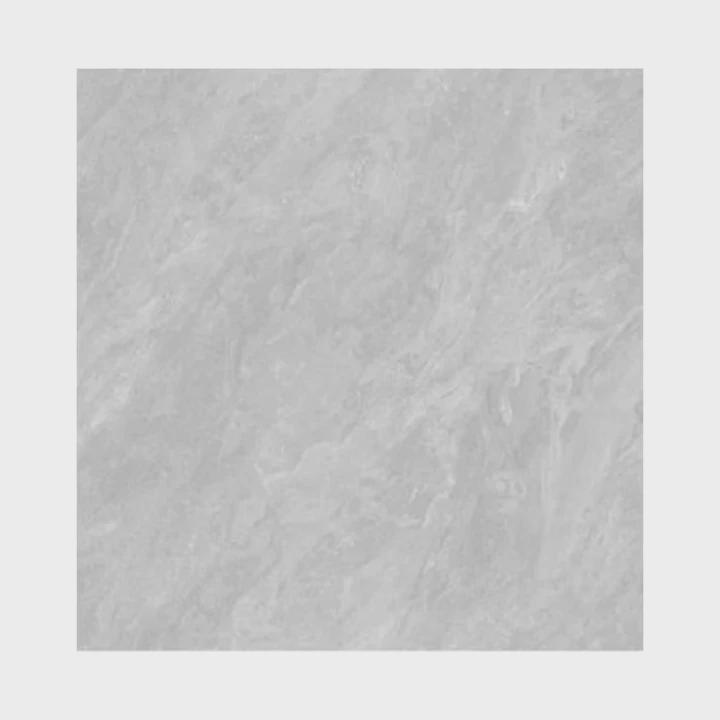
Tile weight is not random. It follows clear physical rules. Once buyers understand these rules, they can estimate shipping weight much more easily.
Material Density
The first factor is the density of the material. Some tiles are made from dense clay and fired at high temperature. Others use lighter ceramic bodies.
Porcelain tiles are usually denser than ceramic tiles. They contain refined clay and are fired at higher temperatures. This process removes more moisture and compresses the material. As a result, porcelain becomes heavier per square meter.
Ceramic tiles contain more air pockets inside the body. Because of this structure, they weigh less even when the size is the same.
Tile Thickness
Thickness has a direct effect on weight. A thicker tile contains more material.
Common 12×12 tile thickness ranges between 7 mm and 10 mm. Even a small difference can change the weight of each box.
For example:
| Tile Thickness | Weight per m² | Approx. Box Weight |
|---|---|---|
| 7 mm | 14–16 kg | 35–38 lbs |
| 8.5 mm | 17–19 kg | 40–45 lbs |
| 10 mm | 20–22 kg | 48–52 lbs |
Many project buyers choose thicker tiles because they feel stronger. But thicker tiles increase shipping cost.
Pieces Per Box
Most 12×12 tiles are packed in 10 to 12 pieces per box. The exact quantity depends on packaging design.
Some factories pack tiles by square meters instead of piece count. A common configuration is 1.44 m² per box.
More pieces inside the box means higher weight.
Packaging Materials
Packaging also adds weight. Boxes include:
- cardboard cartons
- plastic wrapping
- protective paper layers
These materials seem light. But across many boxes, the total becomes noticeable.
Moisture and Storage Conditions
Tiles can absorb small amounts of moisture during storage. Humid warehouse environments can slightly increase weight.
This difference is small. But when shipping thousands of boxes, even small changes can affect container totals.
Why Do Ceramic and Porcelain Tiles Weigh Differently?
Many buyers think ceramic and porcelain tiles are almost the same. In reality, they behave very differently in terms of weight and density.
Porcelain tiles weigh more than ceramic tiles because their clay body is denser and fired at higher temperatures, which reduces air pockets and increases material density.
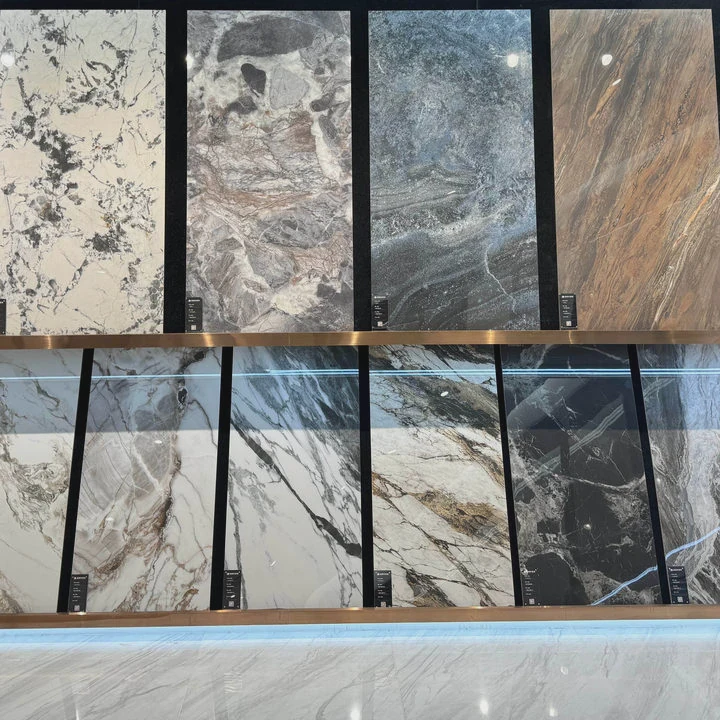
Understanding this difference helps buyers choose the right product for projects and transportation planning.
Raw Material Differences
The clay mixture used in porcelain tiles contains very fine particles. Manufacturers press the mixture with high pressure before firing.
During firing, the material becomes extremely compact.
Ceramic tiles use a slightly different mixture. The clay particles are not as fine, and the firing temperature is lower.
Because of this, ceramic tiles contain more micro air pockets.
Water Absorption
One of the biggest technical differences between the two tile types is water absorption.
Porcelain tiles have less than 0.5% water absorption. Ceramic tiles often have 3–10% absorption.
Lower absorption means the body is more compact and dense.
Dense structure equals heavier tiles.
Structural Strength
The dense structure of porcelain tiles gives them higher strength. Many commercial buildings use porcelain tiles because they resist wear and heavy traffic.
Ceramic tiles are often used for walls or light residential floors.
This difference also explains why porcelain tiles are often thicker.
Typical Weight Comparison
The table below shows a common comparison for 12×12 tiles.
| Tile Type | Average Weight per Box | Density Level | Typical Use |
|---|---|---|---|
| Ceramic Tile | 35–40 lbs | Medium | Walls, light floors |
| Porcelain Tile | 45–55 lbs | High | Floors, commercial areas |
If a box weighs about 40 lbs, then 17 boxes weigh around 680 lbs.
If a box weighs 50 lbs, then 17 boxes weigh around 850 lbs.
This explains why project estimates can vary widely.
Impact on Installation
Heavier tiles require stronger adhesive and proper floor preparation.
Installers must also carry the boxes safely. Heavy porcelain boxes often require two workers for large projects.
For shipping and warehouse handling, the difference between ceramic and porcelain becomes very important.
When Should Shipping Weight Be Calculated for Tile Orders?
Many importers calculate tile weight too late. They check the weight only after confirming the order. At that point, changes are already difficult.
Shipping weight should be calculated during the quotation and order planning stage to ensure accurate container loading, freight cost estimation, and safe pallet distribution.
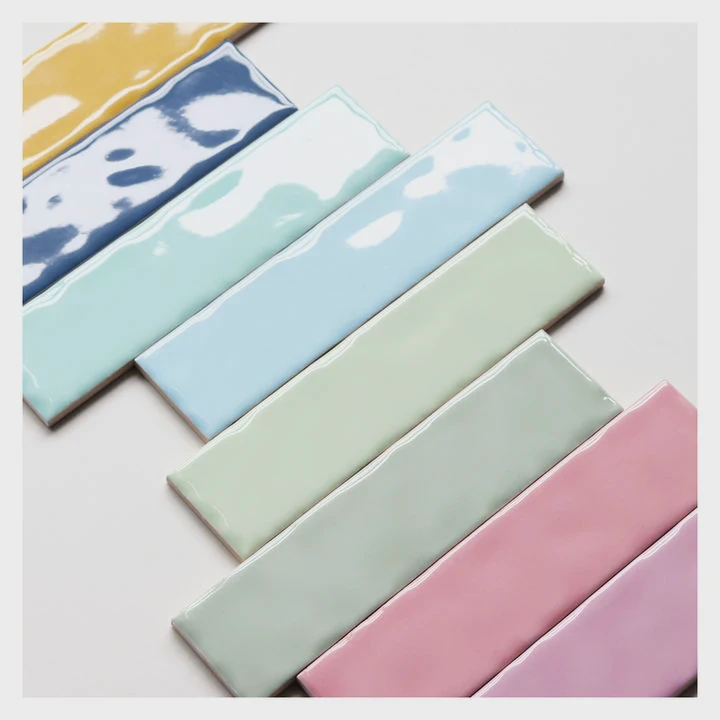
Accurate weight planning prevents common logistics problems in international tile trade.
Freight Cost Estimation
Shipping cost depends heavily on total cargo weight.
Sea freight containers have weight limits. A 20-foot container normally allows around 27 tons of cargo.
Tile products are dense. This means containers often reach the weight limit before the space is full.
If weight estimates are wrong, buyers may face unexpected freight charges.
Container Loading Planning
Loading tiles requires careful pallet distribution.
Heavy pallets placed incorrectly can cause container imbalance. This increases the risk of damage during transport.
When buyers know the box weight early, they can plan pallet arrangement more safely.
Customs Documentation
Shipping documents must show accurate cargo weight.
Incorrect weight data may cause delays during customs clearance.
Some ports perform weight verification. If the real weight is very different from the declared weight, the shipment may be held for inspection.
Warehouse Handling
Warehouses also need weight information before delivery.
Forklifts, pallet racks, and storage areas all have weight limits.
If the warehouse team knows that 17 boxes weigh about 700–850 lbs, they can plan storage space and equipment correctly.
Example Project Calculation
For a small renovation project:
- 17 boxes
- 12×12 porcelain tile
- 50 lbs per box
Total weight:
17 × 50 = 850 lbs
This equals about 385 kg.
This number may look small for shipping. But large construction projects can require hundreds of boxes, which quickly become several tons.
Early calculation prevents surprises.
Which Tile Types Are Heavier per Box?
Different tile categories vary widely in weight. Buyers often assume that size determines weight. In fact, material and thickness matter more than tile size alone.
Porcelain floor tiles and large format tiles are usually the heaviest per box, while ceramic wall tiles and mosaics are lighter.
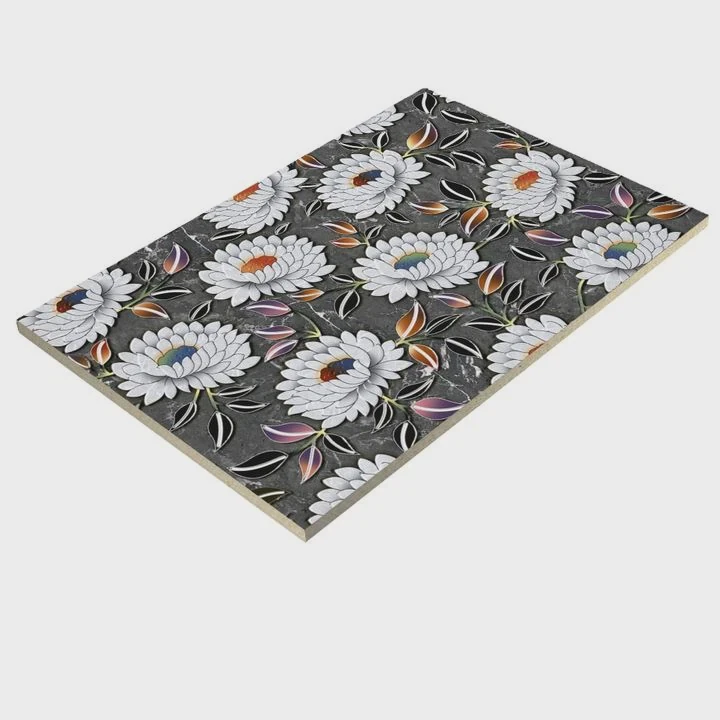
Understanding weight differences between tile categories helps buyers choose the right product for logistics and installation.
Porcelain Floor Tiles
Porcelain floor tiles are among the heaviest products in the tile market.
These tiles use dense materials and thicker bodies. Manufacturers design them to handle high traffic.
For 12×12 porcelain floor tiles, a box may weigh 45–55 lbs.
Large orders quickly become very heavy shipments.
Polished Porcelain Tiles
Polished tiles undergo extra surface grinding and polishing. This process often requires thicker tile bodies.
Because of this, polished tiles can weigh slightly more than standard porcelain tiles.
They are common in commercial spaces, hotels, and shopping malls.
Rustic or Antique Tiles
Rustic tiles sometimes include textured surfaces and thicker designs.
These decorative features add small amounts of material.
The weight increase is not extreme, but it still matters in bulk orders.
Ceramic Wall Tiles
Ceramic wall tiles are lighter. They are thinner because they do not carry heavy loads.
Many wall tiles are 6–8 mm thick.
This reduces both tile weight and box weight.
Mosaic Tiles
Mosaic tiles are usually mounted on mesh sheets. The pieces themselves are small.
Even when packed in boxes, mosaics often weigh less than large porcelain tiles.
However, glass mosaics can become heavier because glass density is high.
Typical Weight Comparison by Tile Type
| Tile Category | Thickness Range | Approx Box Weight |
|---|---|---|
| Ceramic Wall Tile | 6–8 mm | 30–38 lbs |
| Ceramic Floor Tile | 8–9 mm | 35–42 lbs |
| Porcelain Floor Tile | 9–10 mm | 45–55 lbs |
| Large Format Porcelain | 10–12 mm | 60–80 lbs |
Impact on International Trade
Heavy tiles influence several business decisions:
- container loading limits
- inland trucking costs
- labor handling during installation
Importers who understand tile weight can plan better pricing strategies.
For example, choosing slightly thinner porcelain tiles can reduce freight cost without sacrificing durability.
For many distributors and project buyers, this small adjustment improves profit margins.
Conclusion
Seventeen boxes of 12×12 tile usually weigh 680–850 pounds, depending on material and thickness. Ceramic tiles are lighter, while porcelain tiles are heavier. Knowing these differences helps buyers estimate shipping weight, control freight cost, and plan tile projects more efficiently.