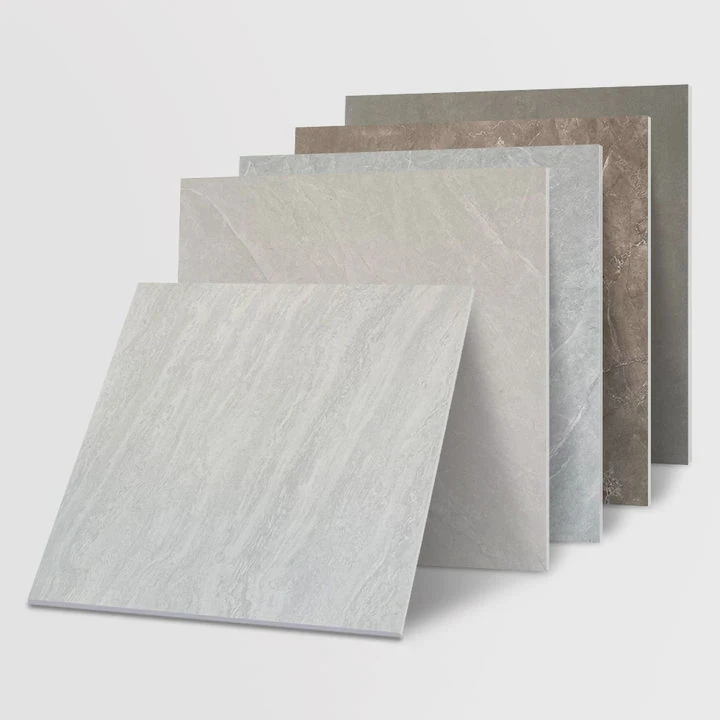
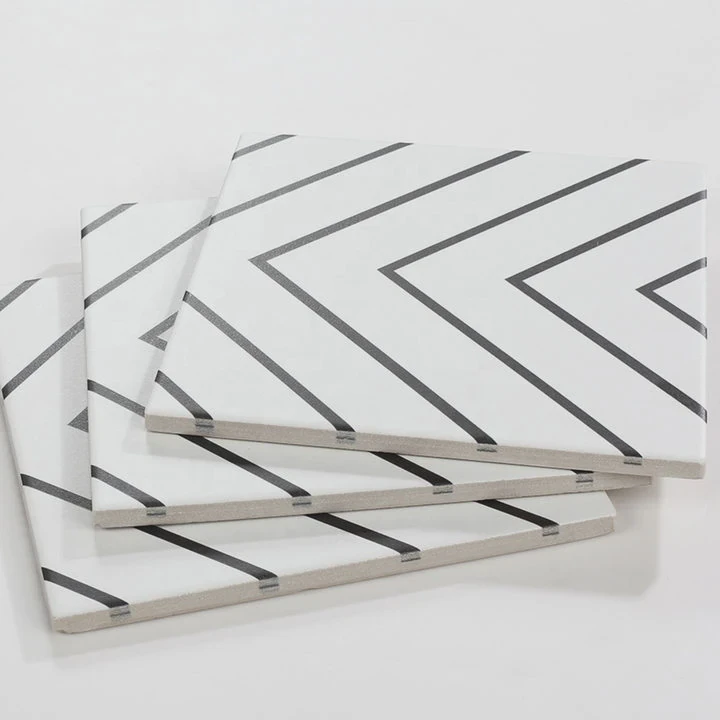
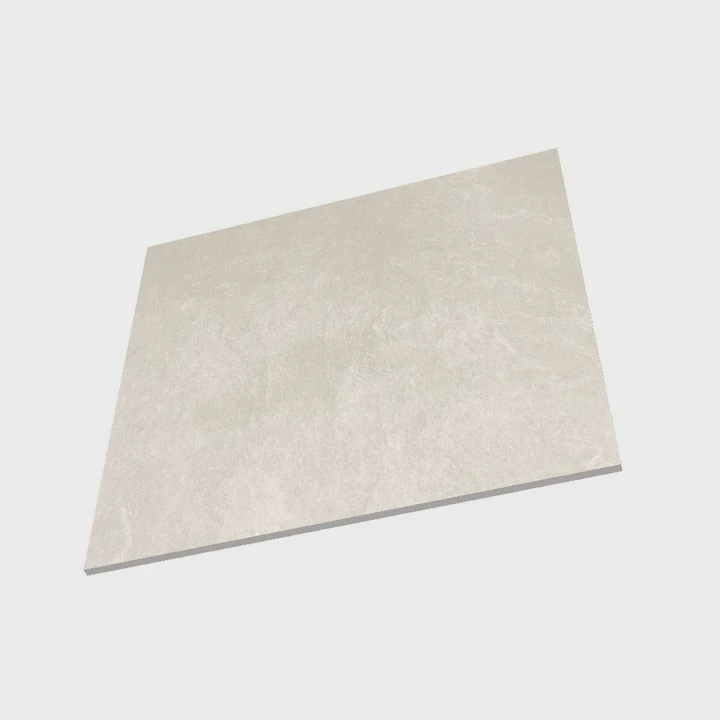
How Does Tile Work?
- Sinotiles
- 2026-03-12
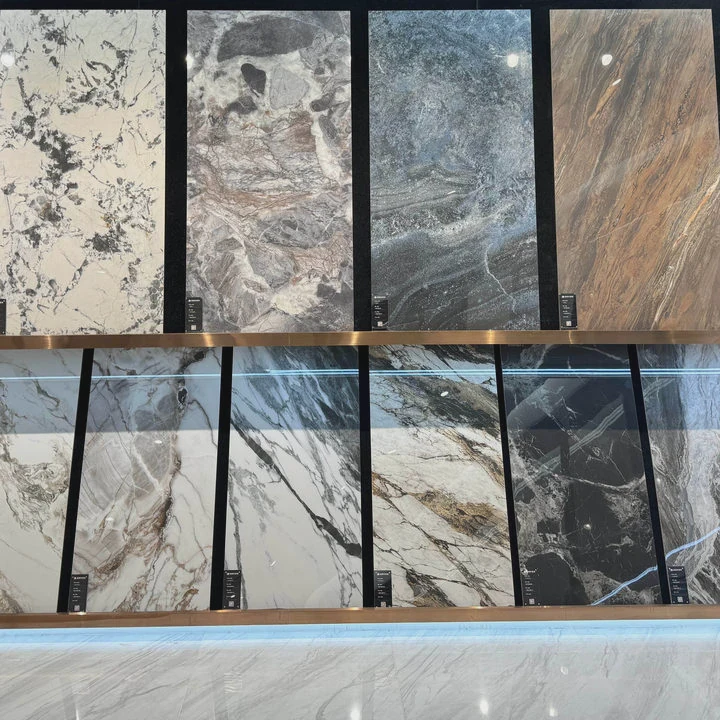
Water damage, stains, and wear can quickly destroy many surfaces. Many homeowners and builders struggle to find materials that stay strong and clean for years.
Tiles work by forming a hard, protective surface made from fired minerals or similar materials. This surface resists water, scratches, and heat, which makes tile a reliable choice for floors and walls in both homes and commercial spaces.
Many buildings around the world use tile for kitchens, bathrooms, hotels, malls, and outdoor areas. To understand why tile performs so well, it helps to explore the materials, benefits, use cases, and special properties that make tile a practical building material.
What Materials Are Commonly Used to Make Tiles?
Tiles may look simple on the surface, but the materials behind them are carefully selected. Many people assume all tiles are the same, yet the composition often determines strength, durability, and appearance.
Most tiles are made from natural materials such as clay, feldspar, silica sand, and minerals that are pressed and fired at high temperatures. These materials form dense ceramic bodies that create strong and durable tiles.
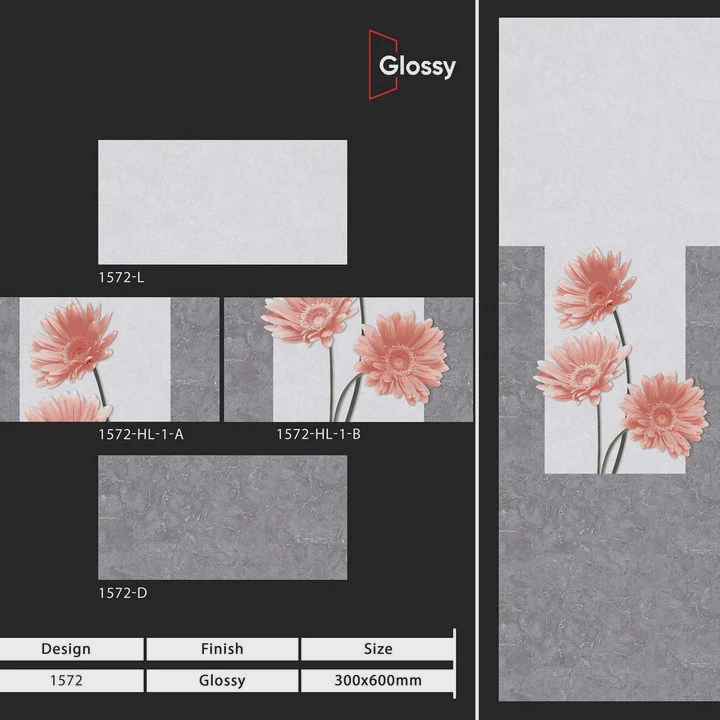
The tile manufacturing process begins with raw minerals from the earth. Clay forms the main base. Silica improves hardness. Feldspar helps materials melt and bond during firing. When these materials mix and heat at high temperatures, they create a dense ceramic body.
Common Raw Materials Used in Tile Production
| Material | Role in Tile Production | Key Benefit |
|---|---|---|
| Clay | Main body material | Provides shape and structure |
| Silica (sand) | Hardness component | Improves strength and wear resistance |
| Feldspar | Flux material | Helps materials melt and bond |
| Kaolin | Refined clay | Improves whiteness and purity |
These materials go through several processing steps before they become tiles. First, factories grind the raw materials into fine powder. Next, machines mix the powder with water to create a uniform mixture. After that, large presses shape the mixture into tile forms.
High Temperature Firing
Tiles gain their strength during the kiln firing stage. Temperatures often reach 1000°C to 1250°C depending on the tile type.
At this stage:
- The minerals melt and fuse together
- The tile body becomes dense
- Water absorption drops
- The surface becomes strong and stable
This process explains why ceramic and porcelain tiles can last for decades without losing their shape.
Different Types of Tiles
Different tile types use similar base materials but vary in composition and firing methods.
| Tile Type | Material Characteristics | Typical Applications |
|---|---|---|
| Ceramic Tile | Clay-based, moderate density | Residential floors and walls |
| Porcelain Tile | Refined clay, high density | High traffic areas |
| Polished Tile | Dense ceramic with polished surface | Living rooms and commercial areas |
| Glazed Tile | Surface glaze layer | Kitchens and bathrooms |
Porcelain tiles often contain finer materials and undergo higher firing temperatures. This makes them less porous and stronger than standard ceramic tiles.
Surface Glazing and Design
Many tiles receive a glaze layer before firing. This glaze adds color, texture, and protection.
Glazing can create:
- Marble patterns
- Wood-look surfaces
- Stone textures
- Matte or glossy finishes
Because printing technology has improved, tiles today can mimic natural stone or wood very realistically.
This combination of natural materials, high temperature processing, and surface technology allows tiles to perform as both a structural material and a decorative finish in modern buildings.
Why Are Tiles Popular for Flooring and Walls?
Many building materials look good at first, but some fail after years of use. Floors scratch. Walls stain. Moisture damages surfaces. Tile remains popular because it solves many of these problems at once.
Tiles are popular for floors and walls because they are durable, water-resistant, easy to clean, and available in many designs. These advantages make tile suitable for homes, commercial buildings, and public spaces.
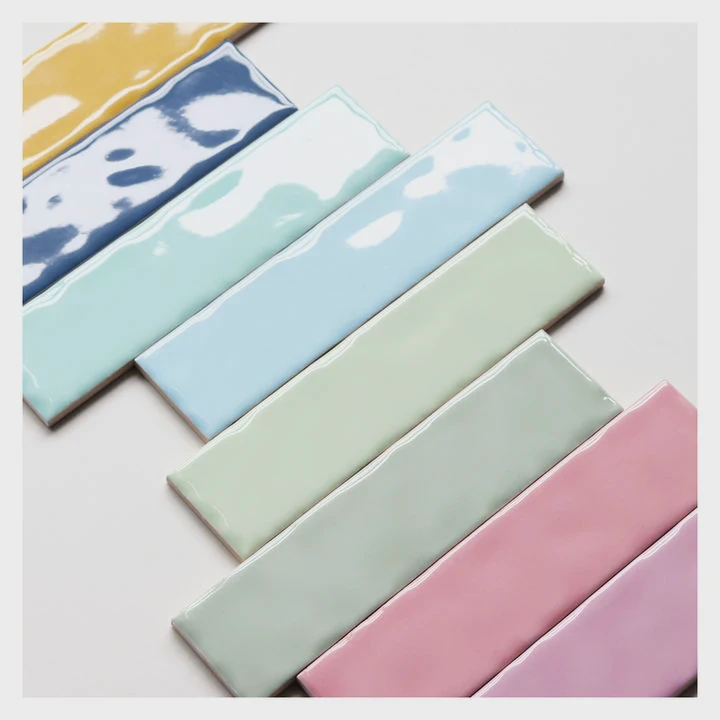
In many construction projects, designers need materials that balance beauty and durability. Tile often becomes the preferred solution.
Long-Term Durability
Tile surfaces can handle heavy foot traffic. This makes them common in:
- Shopping malls
- Hotels
- Airports
- Restaurants
- Residential homes
Unlike soft flooring materials, ceramic surfaces do not easily scratch or wear down.
Many tile floors installed decades ago still remain in good condition today. The hard fired body gives tile strong resistance against daily use.
Easy Cleaning and Maintenance
Cleaning is another reason many builders choose tile.
Tile surfaces resist stains because they are non-porous or low-porosity. Dirt stays on the surface rather than absorbing into the material.
This makes cleaning simple:
- Water and mild detergent are usually enough
- No special treatments are required
- Surfaces maintain their appearance longer
This feature is especially useful in kitchens and bathrooms where spills happen often.
Design Flexibility
Modern tile technology allows thousands of visual styles. Designers can choose patterns that imitate other natural materials.
Common tile design styles include:
- Marble effect
- Wood grain
- Concrete look
- Stone textures
This flexibility allows architects and interior designers to match different interior themes.
Variety of Sizes and Formats
Tile sizes also influence popularity. Large format tiles can create modern and seamless interiors. Smaller tiles can create decorative patterns or mosaics.
Typical tile sizes used in buildings include:
| Tile Size | Common Use |
|---|---|
| 300×600 mm | Bathroom walls |
| 600×600 mm | Residential floors |
| 800×800 mm | Living rooms |
| 600×1200 mm | Commercial interiors |
| 750×1500 mm | Large luxury spaces |
| 900×1800 mm | Feature walls and hotels |
Larger tiles reduce grout lines, which helps rooms look bigger and cleaner.
Cost Efficiency Over Time
Tile installation can cost more at the beginning compared with some flooring materials. However, the long life cycle often makes it more economical.
Tiles can last 20–50 years with minimal maintenance.
Many materials such as wood flooring or vinyl require replacement much sooner.
Because of this long lifespan, tile remains a practical solution for both residential and commercial projects.
When Should Tile Be Chosen Over Other Materials?
Choosing the right building material can be difficult. Many options exist, such as wood, laminate, vinyl, stone, or concrete. Each material has its strengths and weaknesses.
Tile should be chosen when durability, water resistance, and long-term stability are important. It is especially suitable for high traffic areas, wet environments, and spaces that require easy maintenance.
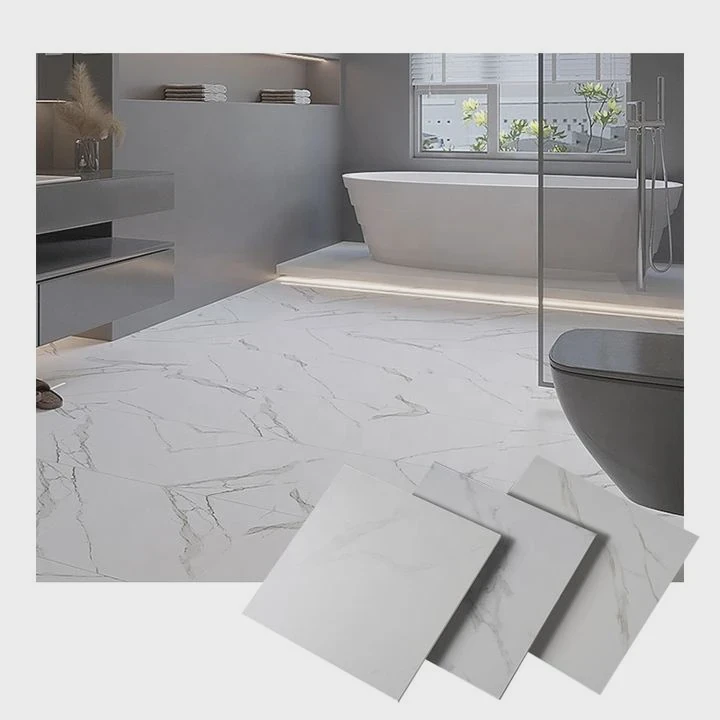
The decision often depends on the environment and how people use the space.
High Traffic Areas
Areas with heavy daily use need materials that can resist wear.
Examples include:
- Commercial buildings
- Hotel lobbies
- Shopping centers
- Hallways
- Living rooms
Tiles maintain their appearance even after years of walking traffic.
Moisture-Prone Spaces
Many materials absorb water and expand over time. This causes swelling, warping, or mold.
Tile works better in spaces such as:
- Bathrooms
- Kitchens
- Laundry rooms
- Outdoor terraces
Because ceramic materials absorb very little water, they remain stable even when humidity changes.
Heat Resistance
Tiles also resist heat better than many materials. This makes them suitable for:
- Kitchens
- Fireplace areas
- Outdoor patios
Wood or laminate flooring may warp or discolor under heat exposure. Ceramic tiles remain stable.
Comparing Tile with Other Flooring Materials
| Material | Strength | Weakness |
|---|---|---|
| Tile | Water resistant, durable | Hard surface |
| Wood | Warm appearance | Sensitive to moisture |
| Vinyl | Soft underfoot | Lower durability |
| Laminate | Affordable | Can swell with water |
| Natural Stone | Premium look | Higher cost and maintenance |
Each material fits different needs. Tile becomes the better option when long-term durability and moisture resistance are top priorities.
Large Construction Projects
Large commercial projects often choose tile because it offers consistent supply and uniform quality.
In big developments like hotels or apartment buildings, builders need materials that are:
- Easy to maintain
- Durable for many users
- Available in large quantities
Tiles provide these advantages.
Outdoor Applications
Tiles designed for exterior use can resist temperature changes and weather exposure.
Common outdoor tile uses include:
- Garden pathways
- Pool decks
- Building facades
- Terraces
Special anti-slip surfaces help prevent accidents in wet outdoor environments.
In many modern buildings, tile is no longer limited to floors and walls. Designers now use tile for furniture surfaces, decorative panels, and even large architectural facades.
Which Properties Make Tiles Durable in Wet Areas?
Water exposure is one of the biggest challenges in building materials. Moisture can weaken surfaces, cause mold growth, and damage structures over time.
Tiles remain durable in wet areas because they have low water absorption, dense ceramic bodies, protective glaze layers, and strong resistance to stains and chemicals.
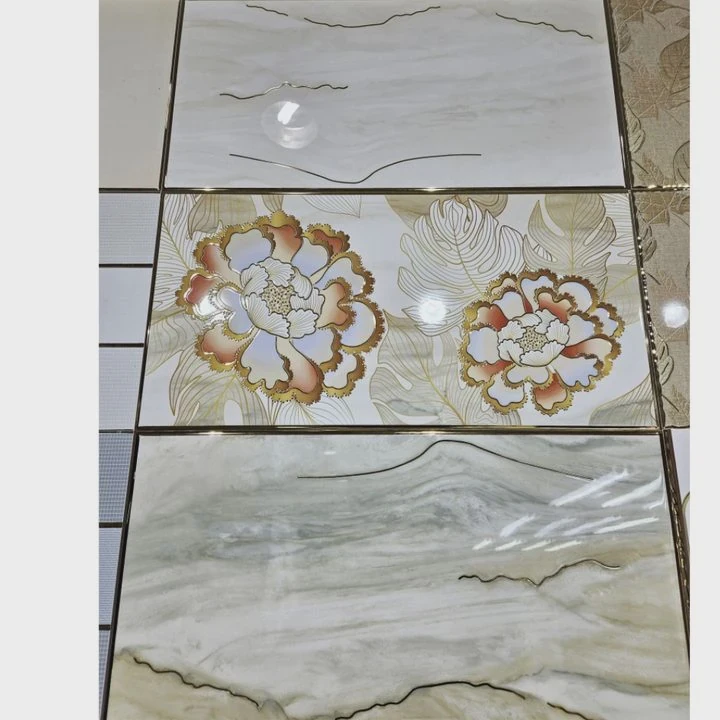
Bathrooms, kitchens, and swimming pools require materials that can handle constant moisture. Tile performs well in these conditions due to its physical structure.
Low Water Absorption
One key property of tile is low porosity.
Porcelain tiles usually have water absorption rates below 0.5%. This means very little moisture enters the tile body.
Because of this property:
- Tiles do not swell
- Surfaces remain stable
- Mold growth reduces
Low absorption also improves frost resistance for outdoor tiles.
Dense Ceramic Body
During kiln firing, minerals melt and bond tightly. This creates a dense internal structure.
The dense body gives tiles several advantages:
- High compressive strength
- Strong impact resistance
- Stable shape over time
This density prevents water from penetrating deep into the material.
Protective Glaze Layer
Many tiles include a glaze coating on the surface.
The glaze acts as a protective barrier.
Benefits of glazed surfaces include:
- Stain resistance
- Chemical resistance
- Easy cleaning
- Decorative color and patterns
The glaze also helps tiles resist household chemicals such as cleaning products.
Slip Resistance
Wet surfaces can become slippery. Many tile manufacturers design textures that improve grip.
Slip-resistant tiles often include:
- Matte surfaces
- Micro-textures
- Structured finishes
These textures increase friction and improve safety in bathrooms or pool areas.
Resistance to Mold and Bacteria
Because tiles absorb little water and remain easy to clean, they provide a hygienic surface.
This makes them common in places that require high hygiene standards:
- Hospitals
- Commercial kitchens
- Public bathrooms
Grout lines may still require sealing or cleaning, but the tile itself does not support mold growth easily.
Thermal Stability
Tiles can handle temperature changes without significant expansion or contraction.
This makes them suitable for areas with:
- Hot water exposure
- Steam environments
- Outdoor weather changes
Many other materials struggle in these conditions.
All these properties combine to make tile one of the most reliable materials for wet environments.
Conclusion
Tiles work because natural minerals form a dense, durable surface after high temperature firing. Their strength, low water absorption, easy maintenance, and wide design range make tiles a dependable choice for floors and walls in many types of buildings.