How Much Does It Cost to Install Tile?
- Sinotiles
- 2026-04-30
Installing tile can feel confusing and expensive, especially if you are unsure about costs. Many homeowners worry about hidden charges and mistakes.
Tile installation cost depends on tile type, labor, surface preparation, and materials. On average, homeowners spend \(5 to \)20 per square foot, including materials and labor.
Knowing what drives cost helps plan a budget and avoid surprises. Let’s explore all key factors and understand how they affect the total price.
What Factors Affect Tile Installation Cost?
Several elements influence the cost of tile installation beyond just the tile itself.
The main factors include tile type, floor condition, layout complexity, and additional materials such as grout, adhesives, or underlayment.
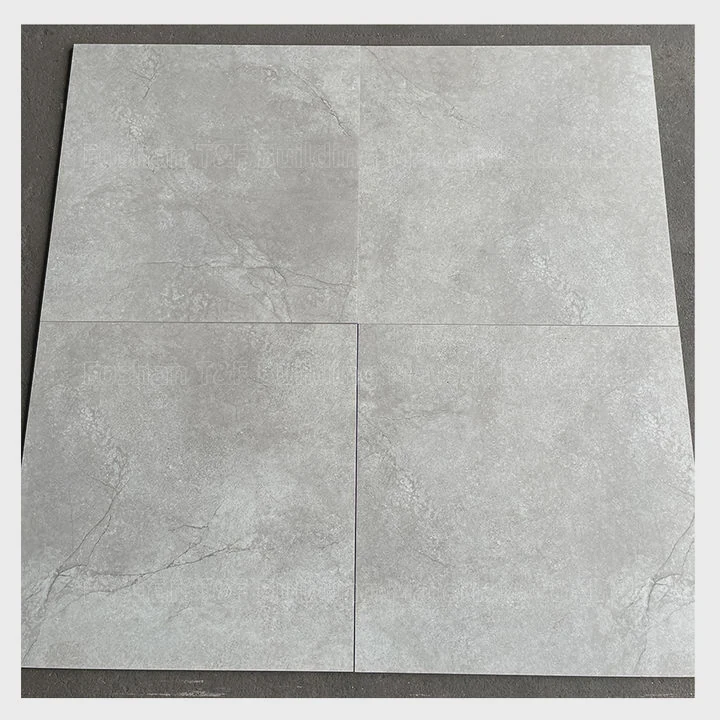
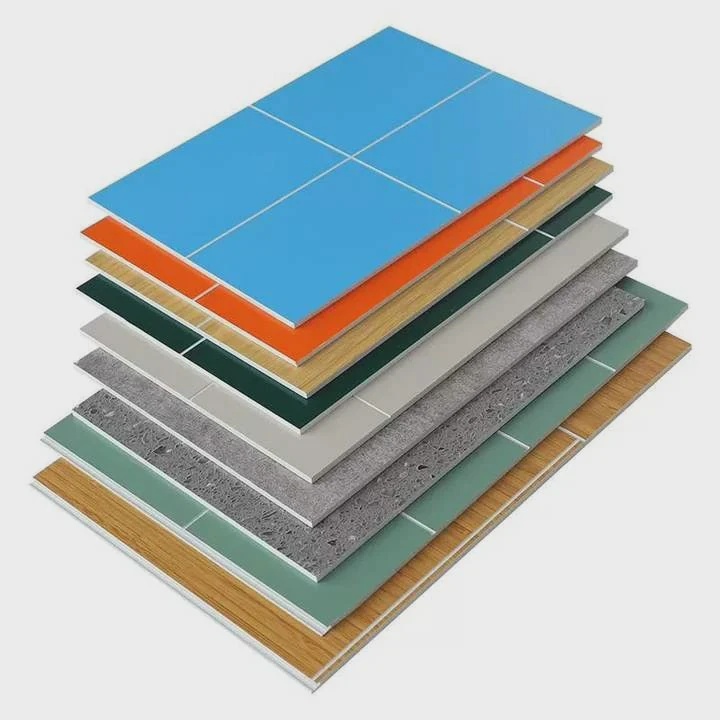
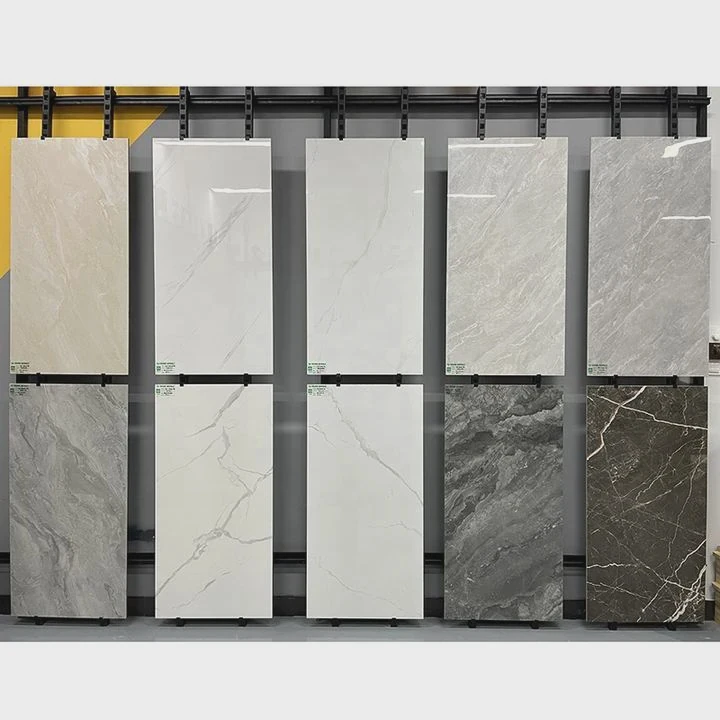
Tile type is the first major factor. Porcelain tiles are more expensive but durable and water-resistant. Ceramic tiles are cheaper but less durable. Natural stone tiles, such as marble and travertine, cost the most and often require professional installation. Glass tiles provide a modern look but need careful cutting and extra labor.
Floor preparation also affects cost. Uneven or damaged floors need leveling or repair. Removing old tiles or installing underlayment can add significant cost. Complex patterns, like diagonal layouts or mosaics, take more time and increase labor charges.
Additional materials add to expenses. Quality grout, adhesives, sealants, and waterproofing membranes are needed for durability, especially in wet areas. Even decorative borders or accent tiles can increase the overall price, particularly in large spaces.
Table: Key Factors and Cost Impact
| Factor | Cost Impact | Notes |
|---|---|---|
| Tile type | Low to High | Porcelain > Ceramic > Stone > Glass |
| Floor preparation | Moderate to High | Removal, leveling, underlayment |
| Layout complexity | Moderate | Diagonal, herringbone, mosaic patterns |
| Additional materials | Low to Moderate | Grout, adhesive, sealants |
Understanding these factors helps homeowners plan a realistic budget and avoid unexpected costs.
How Does Labor Influence Total Project Pricing?
Labor is often the largest portion of tile installation costs. Hiring cheap labor can cause mistakes that cost more to fix.
Professional tile installers charge per square foot or per hour, typically \(3 to \)10 per square foot depending on location and experience.
Labor costs are affected by skill and experience. Experienced installers work faster and produce higher-quality results. Cutting tiles around corners, cabinets, or plumbing takes skill. Mistakes can lead to broken tiles or uneven floors, increasing total expenses.
Regional differences matter. Urban areas generally have higher rates. Licensed professionals ensure proper installation and warranty coverage. Even if DIY saves labor, complex layouts benefit from professional help.
Subfloor condition impacts labor cost too. Uneven or damaged floors require additional time to repair. Tile size matters as well. Large-format or heavy stone tiles are harder to handle and may require multiple people.
Table: Labor Influence on Tile Installation
| Labor Factor | Cost Effect | Recommendation |
|---|---|---|
| Installer experience | High | Hire experienced professionals |
| Project complexity | Moderate | Patterns, corners, large tiles |
| Subfloor preparation | Moderate to High | Repair and leveling required |
| Regional rates | Moderate | Urban areas tend to be higher |
Proper labor reduces mistakes and ensures long-lasting results. Higher upfront costs often save money in the long run.
Which Materials Increase Overall Installation Expenses?
Materials include more than just tiles. Adhesives, grout, underlayment, and decorative features all contribute to cost.
Luxury tiles, special adhesives, waterproofing membranes, and decorative trims increase installation expenses.
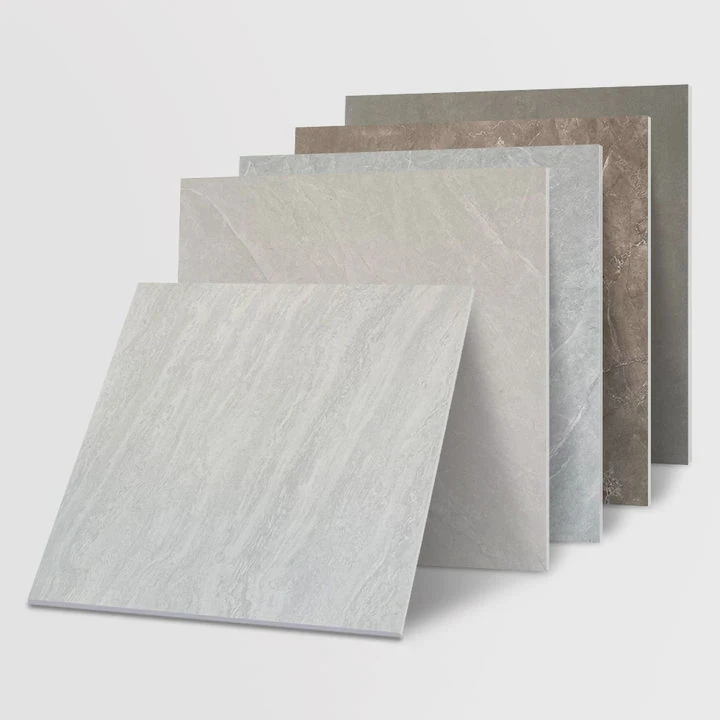
Tile type is the primary material cost. Natural stones like marble, travertine, and slate are expensive and require careful handling. Porcelain tiles cost more than ceramic but are durable and water-resistant. Glass tiles are decorative but labor-intensive.
High-quality adhesives, grout, and sealants are needed for durability. Waterproofing is crucial in kitchens, bathrooms, or wet areas. Even small design features, like accent tiles or borders, increase material costs.
Material quality also affects labor costs. Fragile or heavy tiles require careful handling and more installation time. Mistakes are costly, as replacing luxury tiles adds significant expense. Buying materials in bulk reduces cost per unit but increases upfront spending.
Table: Material Cost Comparison
| Material Type | Cost per sq. ft | Notes |
|---|---|---|
| Ceramic Tile | \(1 – \)5 | Budget-friendly, moderate durability |
| Porcelain Tile | \(3 – \)12 | Durable, water-resistant |
| Natural Stone Tile | \(5 – \)20+ | Luxury, needs careful handling |
| Glass Tile | \(7 – \)30 | Decorative, labor-intensive |
| Adhesives & Grouts | \(1 – \)3 | Quality products increase durability |
Choosing the right materials balances aesthetics, durability, and cost. Spending more on quality materials can reduce long-term repairs.
Can DIY Reduce Tile Installation Costs?
DIY installation can save money on labor but is not always cheaper overall. Mistakes may cost more than hiring professionals.
DIY tile installation is possible for small projects with simple layouts, but requires time, skill, and proper tools. Errors can be expensive to fix.
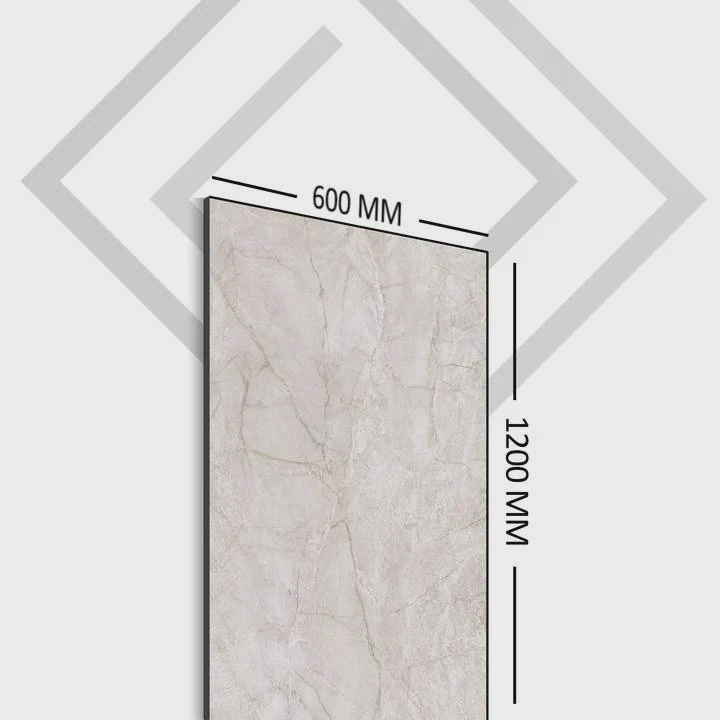
DIY works best for simple ceramic tile projects in kitchens or bathrooms. Large-format tiles, natural stone, or complex patterns are difficult for most DIYers. Cutting tiles, leveling, and applying grout evenly requires skill.
Mistakes are common. Broken tiles, uneven floors, and grout failure may require redoing the work, offsetting savings. Specialized tools like wet saws, tile cutters, and leveling systems add costs.
Time is another factor. DIY installations take longer, sometimes weeks, while professionals finish faster. Homeowners should consider whether saving labor costs is worth extra time and potential errors.
Tips for Cost-Effective DIY Tile Installation
- Choose budget-friendly ceramic tiles for small projects.
- Rent tools instead of buying them.
- Measure carefully to avoid mistakes.
- Prepare the subfloor thoroughly to prevent future repairs.
- Start with small projects before tackling large areas.
DIY can work if you are patient, willing to learn, and accept some trial and error. For large or high-end projects, professional installation is usually safer and more cost-effective.
Conclusion
Tile installation cost depends on tile type, labor, materials, and project complexity. Planning carefully, choosing the right materials, and considering DIY versus professional work ensures the best results and keeps the budget on track.