How to Clean White Grout and Tile?
- Sinotiles
- 2026-04-30
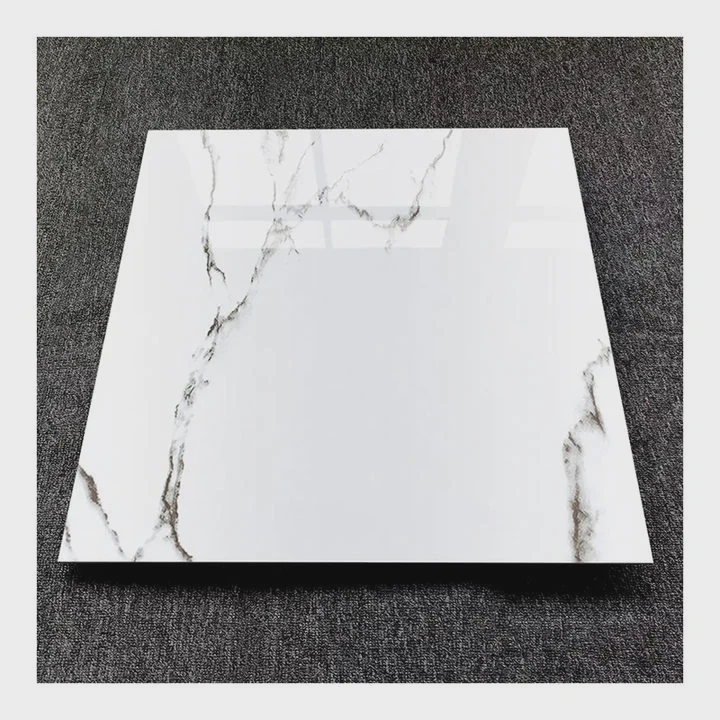
Keeping white grout and tiles sparkling can feel impossible when dirt and stains keep coming back. The problem grows if you ignore regular maintenance.
White grout can be cleaned and restored to its original brightness using a combination of proper cleaning agents, scrubbing techniques, and preventive care. Consistency is key to maintaining a clean appearance.
Regular cleaning is essential. Without it, grime accumulates, making grout harder to clean. This guide explores cleaners, tools, and sealing methods to help keep white grout looking fresh.
What cleaners brighten white grout effectively?
Finding the right cleaner is tricky. Some products promise results but leave residue. Others are harsh and damage tiles.
Effective grout brightening cleaners include baking soda mixtures, oxygen-based bleach, and mild commercial grout cleaners. These can remove surface dirt without damaging tile surfaces.
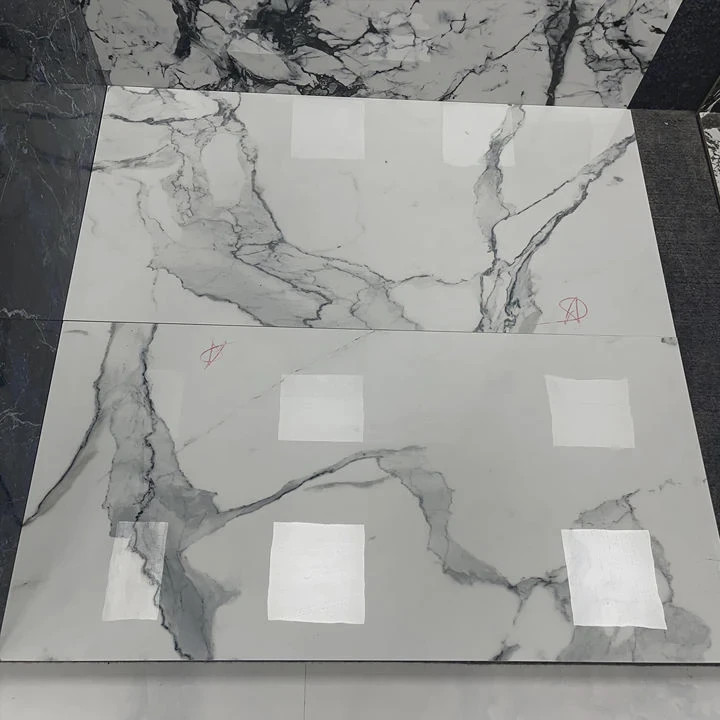
White grout is porous, which means it absorbs dirt and stains easily. Using harsh acids may discolor grout, especially in older tiles. Simple and safe cleaners work best for long-term results.
Popular Grout Cleaners
| Cleaner Type | How It Works | Safety Notes |
|---|---|---|
| Baking Soda Paste | Mild abrasive, lifts dirt | Safe for most tiles |
| Oxygen-Based Bleach | Releases oxygen bubbles to break stains | Non-chlorine, safe for colored tiles |
| Commercial Grout Cleaner | Formulated for tough stains | Follow label instructions |
Baking soda mixed with water creates a paste that you can apply directly to grout lines. Let it sit for 10–15 minutes. Oxygen-based bleach powders or liquids can be applied similarly. They release tiny oxygen bubbles that penetrate the grout and lift stains. Commercial cleaners are convenient, but they must be tested on a small area first.
Consistency is crucial. Even effective cleaners need regular application. For instance, weekly light cleaning prevents heavy build-up. Stubborn stains may need repeated treatment. Avoid using bleach too often, as it can make grout brittle over time.
How do you remove stains from grout lines?
Stains are often a mix of dirt, mold, and spills. Removing them requires the right method, not just stronger chemicals.
Grout stains can be removed by scrubbing with a baking soda and vinegar paste, applying hydrogen peroxide, or using specialized stain removers. Patience and correct technique yield best results.
Many assume that stains disappear instantly with one application. In reality, grout needs repeated treatment for deep stains. Knowing the type of stain helps select the right cleaner.
Step-by-Step Stain Removal
- Identify the stain type: dirt, mold, or mildew.
- Apply a baking soda paste on the grout line.
- Spray with vinegar or hydrogen peroxide. The fizzing action loosens grime.
- Let sit for 5–10 minutes.
- Scrub gently with a brush.
- Rinse thoroughly with warm water.
Tips for Persistent Stains
- Use a soft brush to avoid scratching tiles.
- For mold, mix one part bleach to four parts water. Apply briefly, then rinse well.
- Repeat treatment on deeply embedded stains.
- Avoid acidic cleaners on marble or natural stone tiles.
Stain Prevention Table
| Stain Type | Recommended Cleaner | Notes |
|---|---|---|
| Dirt/Grime | Baking soda paste | Safe and gentle |
| Mold/Mildew | Hydrogen peroxide | Avoid bleach on colored grout |
| Oil/Grease | Dish soap + warm water | Rinse thoroughly |
Removing stains is more about technique than brute force. Light scrubbing combined with proper cleaners is more effective than harsh chemicals. Patience pays off, especially for older grout lines.
Which tools improve cleaning efficiency?
Cleaning tools can make the difference between a quick job and a frustrating effort. Choosing the right tools matters as much as cleaners.
Effective tools include stiff nylon brushes, electric scrubbers, steam cleaners, and microfiber cloths. The right tool reduces effort and ensures deeper cleaning.
Simple household items like toothbrushes can work for small areas, but large tiles or long grout lines benefit from more specialized tools. The tool choice often depends on how much physical effort one wants to exert.
Recommended Cleaning Tools
| Tool | Purpose | Advantage |
|---|---|---|
| Stiff Nylon Brush | Manual scrubbing | Reaches grout pores |
| Electric Scrubber | High-speed scrubbing | Reduces manual effort |
| Steam Cleaner | Sanitizes without chemicals | Safe for most tiles |
| Microfiber Cloth | Wipe and polish | Picks up loose dirt |
Stiff nylon brushes are inexpensive and effective for targeted areas. Electric scrubbers save time and effort, especially on large floor areas. Steam cleaners not only clean but also kill bacteria, making them excellent for kitchens and bathrooms. Microfiber cloths are ideal for final wipe-downs and to prevent streaking.
Practical Tips
- Match brush stiffness to grout hardness. Too stiff may damage soft grout.
- For corners, small brushes reach better than large ones.
- Use gloves to protect skin from chemicals.
- Combine tools with appropriate cleaners for best results.
Having the right tool ensures cleaner grout faster and helps maintain the white appearance longer. Inconsistent or improper tools lead to frustration and uneven cleaning results.
Can sealing grout maintain white appearance?
Even after cleaning, grout can discolor over time. Sealing provides a protective layer that slows dirt absorption.
Sealing grout lines after cleaning prevents stains from penetrating and maintains the bright white look for months. Reapplication may be needed every 1–2 years.

Sealers work by filling grout pores and forming a barrier. Not all sealers are equal; some are water-based, others are solvent-based. Water-based sealers are safer for indoor use. Solvent-based sealers penetrate deeper but require ventilation.
Sealing Process
- Clean grout thoroughly before sealing.
- Apply a thin layer of sealer using a brush or applicator.
- Let it sit for recommended time (usually 10–15 minutes).
- Wipe excess sealer from tiles.
- Allow grout to cure for 24–48 hours.
Sealant Comparison Table
| Sealer Type | Penetration | Longevity | Notes |
|---|---|---|---|
| Water-Based | Medium | 1–2 years | Safe for indoor use |
| Solvent-Based | Deep | 2–3 years | Requires ventilation |
| Polyurethane | Surface layer | 1 year | Adds shine, extra protection |
Sealing is preventative. It reduces the need for harsh cleaning and keeps grout looking white longer. Even with sealing, regular light cleaning is essential to avoid surface dirt accumulation.
Tips for Maintaining Sealed Grout
- Wipe spills immediately to avoid staining.
- Use mild cleaners to avoid breaking down the sealer.
- Reapply sealer annually or when water no longer beads on grout.
Sealing works best after the grout is completely clean and dry. Ignoring these steps may trap dirt under the sealer, which defeats its purpose.
Conclusion
Keeping white grout and tiles bright requires proper cleaners, effective tools, and preventive sealing. Regular maintenance combined with the right techniques makes the task manageable and keeps spaces looking fresh and clean.