How Much Tile Cost Per Square Foot?
- Sinotiles
- 2026-06-22
Many buyers struggle to estimate tile costs. Prices vary widely by material, size, quality, and supplier, which can make budgeting difficult.
Tile costs usually range from \(1 to \)15 per square foot for the material alone. Standard ceramic tiles often cost \(1–\)5 per square foot, while premium porcelain, large-format, or specialty tiles can cost \(6–\)15 or more per square foot. Installation and shipping can further increase the total project cost.
Understanding the factors behind tile pricing helps buyers make better decisions. Material quality, design, order volume, and installation costs all play important roles. Knowing these details can help avoid unexpected expenses and improve project planning.
What Is Average Tile Price Per Square Foot?
Many buyers see a wide range of tile prices and wonder what a realistic budget should be. Without understanding market averages, it is easy to overspend or choose products that do not fit project requirements.
The average tile price per square foot ranges from \(1 to \)15. Ceramic tiles usually fall between \(1 and \)5, porcelain tiles range from \(3 to \)10, and premium products can exceed $15 per square foot depending on design and specifications.
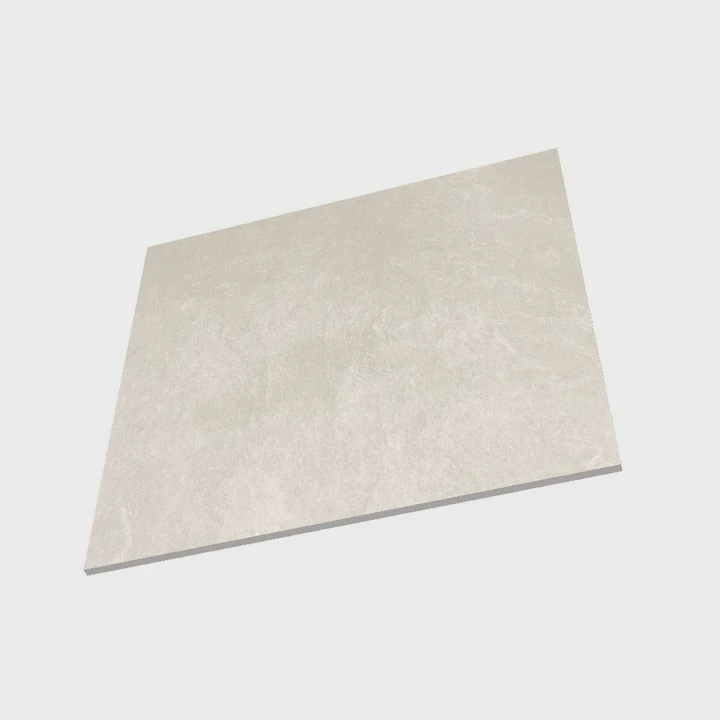
The average tile cost depends mainly on the tile category. Different materials require different manufacturing processes, which directly affect production costs.
Average Price by Tile Type
| Tile Type | Average Price Per Sq Ft |
|---|---|
| Ceramic Tile | \(1 - \)5 |
| Porcelain Tile | \(3 - \)10 |
| Polished Tile | \(3 - \)8 |
| Rustic Tile | \(4 - \)12 |
| Mosaic Tile | \(5 - \)20 |
| Large Format Tile | \(6 - \)15+ |
Ceramic tiles are often the most affordable choice. Many residential projects use ceramic tiles because they provide a good balance between cost and appearance.
Porcelain tiles generally cost more. The manufacturing process uses higher temperatures and denser materials. These features improve durability, water resistance, and wear performance.
Large-format tiles have become increasingly popular in both residential and commercial projects. The larger size creates a modern look with fewer grout lines. However, production and transportation costs are higher, which increases the final selling price.
Factors That Influence Average Pricing
Several factors affect tile prices:
Material Quality
Higher-quality raw materials usually produce stronger and more consistent tiles. These tiles often have tighter dimensional tolerances and better surface finishes.
Surface Design
Digital printing technology allows manufacturers to create realistic stone, marble, and wood effects. More advanced designs often increase production costs.
Tile Size
Larger tiles require specialized production equipment and stricter quality control. As tile size increases, costs often rise as well.
Market Position
Some suppliers focus on budget products, while others target premium architectural projects. Brand positioning can significantly influence pricing.
From years of working with international buyers, one pattern appears consistently. Contractors purchasing for large projects often prioritize stability and long-term supply rather than simply selecting the lowest price. A slightly higher-priced tile with reliable quality can reduce installation problems and future replacement costs.
How Do Premium Tiles Affect Cost?
Many buyers wonder whether premium tiles justify their higher prices. Premium products often cost significantly more than standard options, which raises questions about value and return on investment.
Premium tiles increase costs because they use better materials, advanced manufacturing technology, superior designs, and stricter quality standards. Prices often range from \(8 to \)30 or more per square foot depending on the product category.
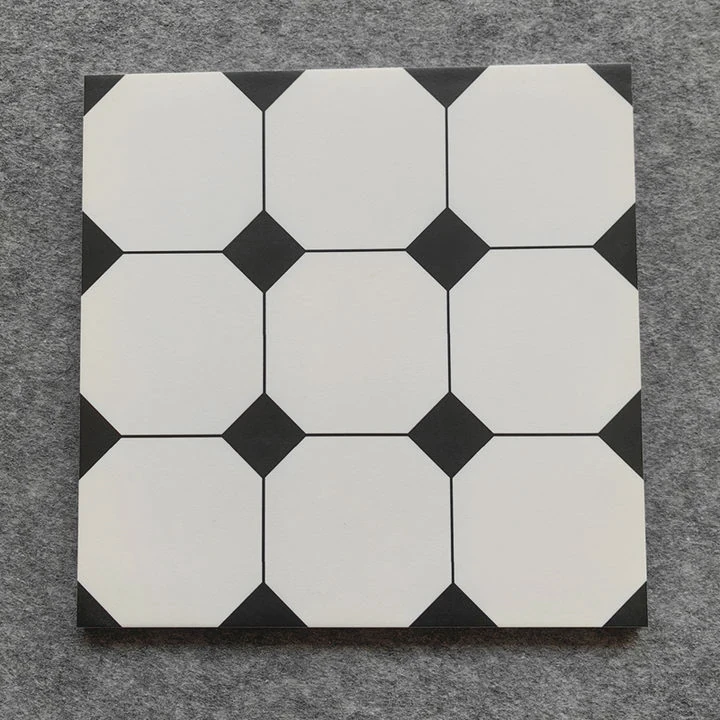
Premium tiles represent more than just appearance. They often offer better technical performance and longer service life.
What Makes a Tile Premium?
Several characteristics separate premium tiles from standard products.
High-End Raw Materials
Premium manufacturers carefully select raw materials to improve density, strength, and consistency.
Advanced Production Technology
Modern production lines use sophisticated equipment for pressing, glazing, firing, and polishing. These technologies improve quality and appearance.
Large Format Designs
Premium collections often include sizes such as:
- 750×1500mm
- 900×1800mm
- 1200×1200mm
- 1200×2400mm
Larger sizes create luxury aesthetics but require more advanced manufacturing and handling.
Cost Comparison
| Product Category | Typical Price Per Sq Ft |
|---|---|
| Basic Ceramic | \(1 - \)5 |
| Standard Porcelain | \(3 - \)10 |
| Premium Porcelain | \(8 - \)20 |
| Large Slab Tiles | \(12 - \)30+ |
| Specialty Mosaic | \(15 - \)40+ |
Benefits Beyond Appearance
Premium tiles often provide measurable performance advantages.
Better Durability
Higher-density porcelain can withstand heavy traffic in commercial environments.
Lower Water Absorption
Premium porcelain products usually absorb very little moisture. This feature makes them suitable for bathrooms, kitchens, and outdoor applications.
Improved Consistency
Premium manufacturing processes help maintain:
- Uniform dimensions
- Consistent color tones
- Flat surfaces
- Better edge quality
These characteristics simplify installation and improve final project appearance.
Long-Term Cost Considerations
Some buyers focus only on initial purchase price. However, project economics often extend beyond material costs.
A less expensive tile may require replacement sooner or create installation challenges. Premium products may reduce maintenance and replacement expenses over time.
Commercial developers frequently evaluate lifecycle costs rather than simply comparing purchase prices. Hotels, shopping centers, and office buildings often choose premium tiles because appearance and durability directly affect long-term property value.
The decision ultimately depends on project goals, target market, and expected usage conditions.
Does Installation Increase Total Price Significantly?
Many first-time buyers underestimate installation expenses. In some projects, installation costs equal or even exceed the cost of the tile itself.
Yes, installation can significantly increase total project costs. Labor, adhesives, grout, surface preparation, cutting, and waste management often add \(5 to \)20 or more per square foot beyond the tile price.
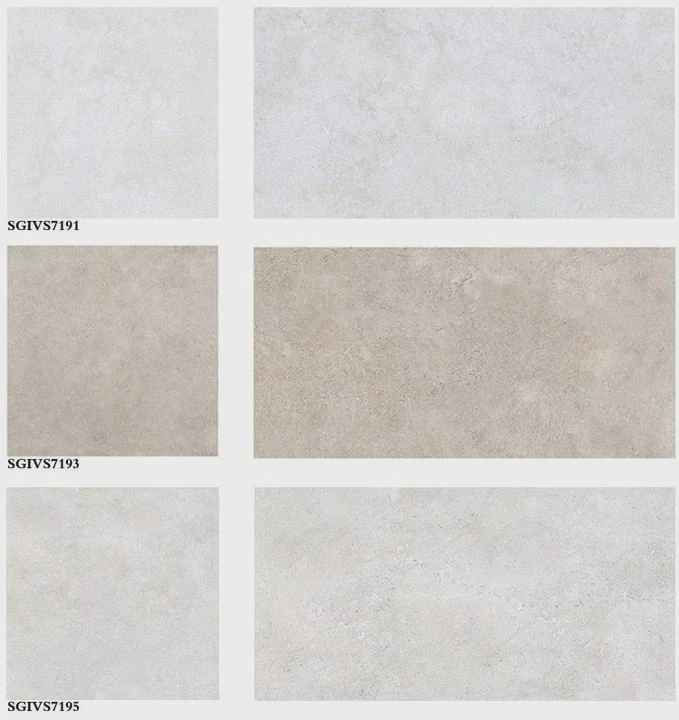
Installation represents one of the largest hidden expenses in tile projects.
Typical Cost Breakdown
A tile project usually includes several separate expenses.
| Cost Component | Typical Cost Per Sq Ft |
|---|---|
| Tile Material | \(1 - \)15+ |
| Adhesive & Grout | \(1 - \)3 |
| Surface Preparation | \(1 - \)5 |
| Labor Installation | \(4 - \)15 |
| Specialized Cutting | \(1 - \)5 |
| Total Installed Cost | \(7 - \)40+ |
The final installed cost can be much higher than the tile price alone.
Why Installation Costs Vary
Tile Size
Large-format tiles require skilled installers. Proper leveling becomes more difficult as tile size increases.
Pattern Complexity
Simple straight layouts cost less than intricate patterns such as:
- Herringbone
- Chevron
- Basket weave
- Custom mosaics
Complex designs require more labor and create more waste.
Surface Conditions
Uneven floors or damaged walls require preparation before installation begins.
Common preparation work includes:
- Floor leveling
- Crack repair
- Waterproofing
- Surface cleaning
These tasks increase labor and material expenses.
Commercial vs Residential Projects
Commercial projects often involve larger areas, which may reduce labor costs per square foot.
However, commercial specifications can also increase costs due to:
- Tight tolerances
- Faster schedules
- Specialized materials
- Additional quality inspections
Hidden Installation Expenses
Several costs are frequently overlooked during budgeting.
Material Waste
Most projects require extra material for:
- Cutting
- Breakage
- Future repairs
A waste allowance of 5% to 15% is common.
Transportation
Heavy tile shipments increase freight costs.
Equipment
Large-format installations may require:
- Specialized cutters
- Suction lifting tools
- Leveling systems
Real Project Economics
A common mistake is comparing tile prices without considering installation requirements.
For example, a \(3 tile that is difficult to install may result in a higher total project cost than a \)6 tile that installs quickly and consistently.
Many experienced contractors evaluate total installed cost rather than material cost alone. This approach provides a more accurate understanding of project economics and helps avoid budget surprises.
Are Bulk Purchases Cheaper for Tiles?
Many importers, distributors, and contractors purchase large quantities of tiles. Bulk buying is often promoted as a way to reduce costs, but buyers frequently ask how much savings are actually possible.
Yes, bulk purchases are usually cheaper. Larger orders often qualify for lower unit prices, better shipping efficiency, reduced packaging costs, and stronger negotiation opportunities with manufacturers and suppliers.
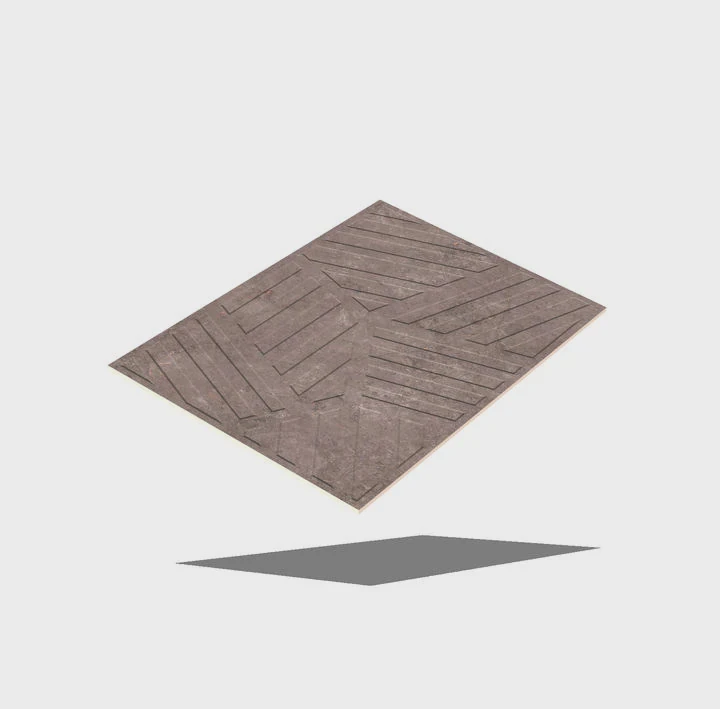
Bulk purchasing remains one of the most effective ways to reduce tile costs.
Why Manufacturers Offer Bulk Discounts
Manufacturing efficiency improves when production runs become larger.
A factory can operate more efficiently because:
- Setup costs are spread across more units
- Production interruptions decrease
- Inventory management becomes easier
- Packaging processes become more efficient
These savings often allow suppliers to offer lower prices.
Typical Bulk Purchase Benefits
Lower Unit Price
Large orders usually receive better pricing than small orders.
Better Shipping Efficiency
Container utilization significantly affects transportation costs.
For example:
- Partial container shipments have higher freight costs per square foot.
- Full container loads distribute shipping expenses across more products.
Consistent Product Supply
Bulk purchasing helps maintain color and size consistency throughout a project.
This benefit is particularly important for:
- Hotels
- Residential developments
- Shopping centers
- Office complexes
Example of Bulk Savings
| Order Quantity | Estimated Price Reduction |
|---|---|
| Small Trial Order | Base Price |
| Half Container | 3% - 8% Savings |
| Full Container | 5% - 15% Savings |
| Multiple Containers | 10% - 25% Savings |
Actual discounts vary depending on product type, market conditions, and supplier policies.
Additional Advantages
Better Negotiation Position
Larger buyers often gain access to:
- Customized packaging
- OEM branding
- Priority production scheduling
- Flexible payment terms
Reduced Inventory Risk
A reliable long-term supplier relationship can improve inventory planning and reduce stock shortages.
Important Considerations
Bulk purchasing is not always the best choice.
Buyers should evaluate:
Storage Capacity
Large quantities require proper warehouse space.
Cash Flow
Bigger orders increase upfront investment.
Market Demand
Inventory should match realistic sales expectations.
Balancing Cost and Risk
Successful importers usually focus on balancing volume discounts with inventory management.
Many experienced distributors start with a trial order to verify quality and market acceptance. Once performance is confirmed, they gradually increase order volumes to capture greater pricing advantages.
This strategy often reduces risk while still delivering meaningful cost savings over time.
Conclusion
Tile prices typically range from \(1 to \)15 or more per square foot, depending on material, quality, and design. Premium products, installation expenses, and shipping can significantly increase total project costs, while bulk purchasing often provides meaningful savings and better long-term value for importers, distributors, and project buyers.