How Do I Make My Tile Floor Shine?
- Sinotiles
- 2026-06-22
A tile floor can lose its shine over time. Dirt, wrong cleaners, and daily wear often leave the surface looking dull and tired.
The best way to make a tile floor shine is to clean it with the right products, remove residue buildup, repair surface damage when needed, and use polishing or sealing methods that match the tile type.
Many people think replacing tiles is the only answer when floors look old. In many cases, the shine can come back with proper cleaning, polishing, and maintenance. The key is understanding what causes dullness and choosing the right solution for the specific tile surface.
Which Cleaners Restore Tile Shine Effectively?
A dull tile floor often starts with a cleaning problem. Many homeowners clean their floors regularly, yet the tiles still look cloudy. In most cases, the issue comes from product buildup rather than dirt itself.
Cleaners that restore tile shine effectively are pH-neutral tile cleaners, mild detergent solutions, and residue-removing products designed for ceramic or porcelain surfaces. The right cleaner removes buildup without damaging the tile finish.
When customers ask why their floors no longer shine, the first thing I look at is the cleaning routine. Many people use strong soaps, wax products, or general household cleaners. These products can leave a thin film on the surface. Over time, that film attracts dirt and reduces reflection.
Common Causes of Dull Tiles
Several factors can make tiles lose their shine:
| Cause | Effect on Tile Surface |
|---|---|
| Soap residue | Creates a cloudy appearance |
| Hard water deposits | Leaves mineral stains |
| Grease buildup | Reduces light reflection |
| Improper cleaners | Damages surface finish |
| Dirt accumulation | Makes tiles appear older |
A pH-neutral cleaner is often the safest choice. It removes dirt while protecting the original finish. Ceramic and porcelain tiles usually respond very well to this type of cleaner.
Cleaning Methods That Work
The cleaning process matters as much as the cleaner itself.
A simple approach includes:
- Sweep or vacuum loose dirt.
- Mop with a pH-neutral cleaner.
- Rinse with clean water.
- Dry the floor completely.
Many people skip the rinsing step. That mistake allows cleaning residue to remain on the tile surface. The floor may look clean at first, but the shine gradually fades.
Avoid These Cleaning Mistakes
Some cleaning habits create long-term problems.
- Using bleach every week
- Applying too much detergent
- Leaving standing water on grout
- Mixing multiple cleaning products
- Using abrasive scrubbing pads
A customer once showed me a porcelain floor that appeared permanently dull. After inspection, the problem was not the tile itself. Years of soap residue had created a haze. A proper deep cleaning restored much of the original shine without replacing a single tile.
Cleaners can only restore shine if they remove the material hiding the surface. Once the buildup disappears, the tile’s natural appearance often returns.
Can Polishing Improve Dull Tiles?
Many tile owners wonder whether polishing is worth the effort. The answer depends on the tile material and the reason the floor looks dull.
Polishing can improve dull tiles when the surface has minor wear, light scratches, or residue-related haze. However, polishing works differently on ceramic, porcelain, natural stone, and glazed surfaces.
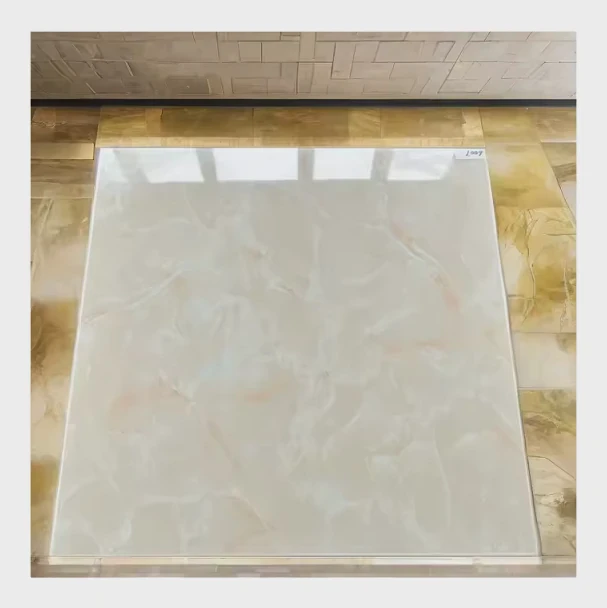
Before polishing any floor, I always identify the tile type. Different materials react differently to polishing compounds and equipment.
When Polishing Helps
Polishing can improve:
- Light surface scratches
- Minor wear patterns
- Traffic lane dullness
- Surface haze
- Reduced gloss from age
If the tile itself is still structurally sound, polishing may restore much of its visual appeal.
When Polishing Will Not Help
Polishing has limitations.
It may not solve:
- Deep cracks
- Chipped edges
- Severe surface damage
- Permanent chemical etching
- Poor-quality installation issues
In these situations, repairs may be necessary before any polishing process begins.
Comparing Tile Types
| Tile Type | Can Be Polished? | Expected Result |
|---|---|---|
| Porcelain | Limited polishing | Moderate gloss improvement |
| Glazed ceramic | Usually not mechanically polished | Cleaner appearance |
| Polished porcelain | Yes | Good restoration |
| Marble | Yes | Significant shine increase |
| Granite | Yes | Strong gloss restoration |
Understanding Mechanical Polishing
Professional polishing often uses machines equipped with polishing pads. These pads gradually refine the surface.
The process usually follows several stages:
Surface Preparation
The floor must be completely clean. Any dirt left behind can create scratches during polishing.
Polishing Stage
Special pads or compounds are applied. The machine works across the surface evenly.
Final Buffing
Buffing helps maximize reflection and smoothness.
A project I remember involved a commercial lobby with polished porcelain tiles. The owner believed replacement was necessary because the floor looked worn. After professional polishing and cleaning, the floor regained much of its original appearance. The improvement surprised everyone involved.
DIY vs Professional Polishing
DIY polishing can work for light maintenance. Professional polishing is usually better for larger areas or heavily worn floors.
Professional equipment offers:
- Better consistency
- Faster results
- Lower risk of damage
- Higher gloss levels
Polishing is not a magic solution, but it can dramatically improve many tile floors when used correctly. The key is matching the method to the tile material and condition.
How Often Should Floors Be Polished?
Many people either polish too often or not enough. Both approaches can create problems. A proper schedule keeps the floor attractive while protecting the tile surface.
Most tile floors only need polishing every six months to two years, depending on traffic levels, tile type, maintenance practices, and desired appearance.
One of the most common misconceptions is that frequent polishing automatically creates a better-looking floor. In reality, unnecessary polishing may increase maintenance costs without delivering meaningful benefits.
Factors That Affect Polishing Frequency
Several variables determine how often a floor should be polished.
Foot Traffic
High-traffic areas lose shine faster.
Examples include:
- Shopping centers
- Hotel lobbies
- Restaurants
- Office entrances
Residential bedrooms usually require much less attention.
Tile Material
Natural stone often benefits from periodic polishing. Standard glazed ceramic tiles generally rely more on cleaning than polishing.
Cleaning Routine
A well-maintained floor keeps its shine longer.
Regular sweeping prevents abrasive particles from scratching the surface. Proper mopping removes contaminants before they accumulate.
Recommended Schedule
The following guidelines work for many environments:
| Location | Suggested Polishing Frequency |
|---|---|
| Residential living room | Every 12-24 months |
| Residential kitchen | Every 6-12 months |
| Commercial office | Every 6-12 months |
| Hotel lobby | Every 3-6 months |
| Retail store | Every 3-6 months |
Signs a Floor Needs Polishing
Many property owners focus on time rather than appearance. Visual inspection often provides better guidance.
Look for:
- Reduced reflection
- Visible traffic paths
- Surface haze
- Minor scratches
- Uneven gloss levels
Building a Maintenance Plan
I often recommend dividing maintenance into simple stages:
Daily Care
Remove dirt and dust.
Weekly Care
Use an appropriate tile cleaner.
Monthly Inspection
Check for buildup and wear.
Periodic Polishing
Restore gloss when needed.
This approach prevents major deterioration.
A floor that receives consistent maintenance may hold its appearance for years without aggressive restoration work. In contrast, a neglected floor often requires extensive polishing or deep cleaning to recover its shine.
The goal is not polishing as often as possible. The goal is preserving the original finish through balanced maintenance.
Do Sealers Enhance Tile Gloss?
Many people hear about sealers and assume every tile floor should receive one. The truth is more complicated because different tile materials respond differently to sealing products.
Sealers can enhance tile gloss on certain surfaces by creating a protective layer that improves light reflection, but not all tiles require sealing or benefit from glossy sealers.
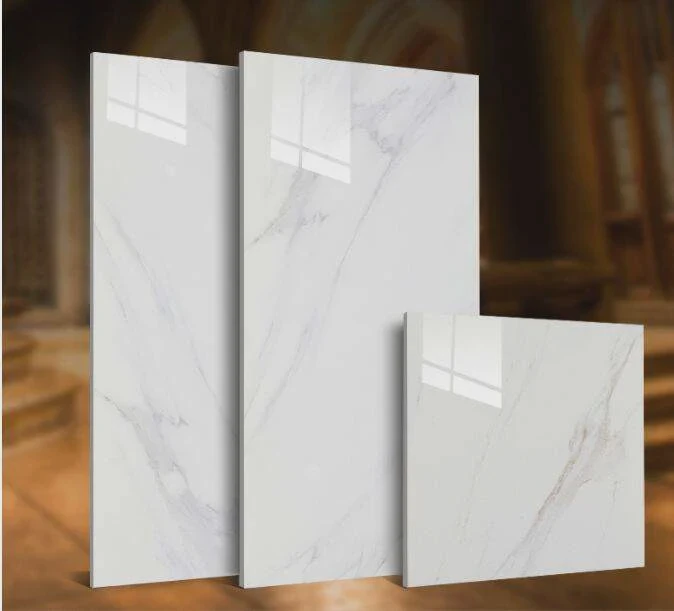
Understanding the purpose of a sealer helps avoid costly mistakes.
What a Sealer Actually Does
A sealer primarily provides protection.
It can:
- Reduce staining
- Limit moisture penetration
- Protect grout
- Improve cleaning efficiency
- Enhance appearance
Some sealers are designed specifically to create a glossy finish. Others are nearly invisible and focus only on protection.
Tile Types That Commonly Use Sealers
Natural stone products often benefit from sealing.
Examples include:
- Marble
- Travertine
- Limestone
- Slate
Many porcelain tiles are already highly dense and may not need sealing.
Grout Sealing Matters Too
People often focus only on the tile surface.
However, grout lines can affect the overall appearance of the floor.
When grout absorbs dirt and moisture, the floor may look older and less vibrant. Proper grout sealing helps maintain a cleaner and brighter appearance.
Types of Sealers
Penetrating Sealers
These products move into the material and provide protection from within.
Advantages include:
- Natural appearance
- Long-lasting protection
- Minimal surface buildup
Topical Sealers
These products form a protective layer on the surface.
Advantages include:
- Increased gloss
- Enhanced color depth
- Additional surface protection
Potential disadvantages include:
- Periodic reapplication
- Surface wear over time
- Possible peeling if applied incorrectly
Choosing the Right Sealer
The decision depends on several factors:
| Consideration | Recommended Approach |
|---|---|
| Porcelain tile | Usually no sealer needed |
| Natural stone | Penetrating sealer often recommended |
| Decorative finish | Gloss-enhancing topical sealer |
| High-moisture area | Water-resistant sealer |
| Heavy traffic | Durable commercial-grade sealer |
Common Sealing Mistakes
Several mistakes can reduce results:
- Applying sealer to dirty tiles
- Using the wrong product type
- Applying excessive layers
- Ignoring manufacturer instructions
- Sealing surfaces that do not require it
I have seen floors become less attractive because the wrong glossy coating was applied. Dirt became trapped within the coating, creating an uneven appearance. Proper product selection is just as important as proper application.
Combining Cleaning, Polishing, and Sealing
The best results usually come from combining all three strategies.
First, the floor is cleaned thoroughly.
Next, polishing restores surface appearance when appropriate.
Finally, sealing protects the restored finish.
This sequence creates both immediate visual improvement and long-term protection.
A quality sealer does not replace cleaning or polishing. Instead, it supports them by helping the floor stay attractive for a longer period.
Conclusion
A shiny tile floor starts with proper cleaning, not expensive replacement. The right cleaner removes buildup, polishing restores lost gloss, regular maintenance prevents dullness, and suitable sealers provide lasting protection. When these steps work together, most tile floors can maintain a clean and attractive shine for many years.