How to Apply Wall Tile?
- Sinotiles
- 2026-06-15
Wall tile installation can look simple from a distance. Many projects fail because of poor preparation, incorrect adhesive selection, or uneven tile alignment.
To apply wall tile correctly, prepare a clean and stable surface, choose the right adhesive, use layout guidelines to maintain alignment, and install spacers to achieve consistent grout joints and a professional finish.
Many contractors and homeowners focus on the tile itself while overlooking the installation process. In reality, even premium tiles can produce poor results when installed incorrectly. A successful wall tiling project depends on careful planning, proper materials, and attention to detail at every stage. The following guide explains the key steps that help create durable and attractive tiled walls.
What Preparation Is Needed for Wall Tiling?
Many wall tile problems begin long before the first tile is installed. Loose surfaces, dust, moisture, and uneven walls can all affect the final result.
Proper wall tiling preparation includes cleaning the surface, repairing defects, checking wall flatness, ensuring structural stability, and applying primer when necessary to create a suitable bonding surface.
Preparation often determines whether a tile installation lasts for years or develops problems within months.
Why Surface Preparation Matters
Tile adhesive depends on direct contact with a solid surface. If dirt, paint flakes, grease, or moisture are present, the bond strength may decrease significantly.
Many installation failures that appear to be adhesive issues are actually preparation problems.
Inspecting the Wall
Before starting any tile installation, the wall should be carefully evaluated.
Key items to check include:
- Surface cleanliness
- Structural stability
- Flatness
- Moisture conditions
- Existing coatings
- Cracks and damage
A thorough inspection helps identify potential problems before installation begins.
Common Wall Types for Tiling
| Wall Type | Suitability for Tiling | Preparation Required |
|---|---|---|
| Cement render | Excellent | Clean and prime if needed |
| Concrete wall | Excellent | Repair defects and clean |
| Tile backer board | Excellent | Ensure secure fastening |
| Drywall (dry areas) | Good | Prime and verify stability |
| Painted wall | Moderate | Sand and remove loose paint |
| Damaged plaster | Poor | Repair before tiling |
Different wall materials require different preparation methods. Understanding the substrate helps determine the best installation approach.
Cleaning the Surface
Dust and debris may appear harmless, but they often reduce adhesive performance.
The wall should be free from:
- Dust
- Oil
- Grease
- Loose paint
- Mold
- Construction residue
A clean surface allows better adhesive contact and stronger bonding.
Checking Wall Flatness
A common mistake is assuming the wall is perfectly flat.
In many projects, walls contain slight dips, bumps, or irregularities that become obvious once tiles are installed.
Using a Straightedge
A long straightedge helps identify uneven areas.
If the wall contains significant variations, leveling compounds or repairs may be required before tiling begins.
Moisture Assessment
Moisture can weaken adhesive performance and create long-term issues.
Bathrooms, kitchens, laundry rooms, and exterior walls often require additional waterproofing measures.
Typical Preparation Workflow
| Step | Purpose |
|---|---|
| Inspect wall | Identify defects |
| Repair cracks | Improve stability |
| Remove contaminants | Improve adhesion |
| Check flatness | Ensure alignment |
| Prime surface | Enhance bonding |
| Mark layout lines | Prepare installation |
One project that stands out involved a feature wall where expensive tiles were installed directly over dusty plaster. Within a short period, several tiles detached. The issue was not tile quality or adhesive quality. The problem was insufficient surface preparation.
Proper preparation takes time, but it creates the foundation for a successful installation. Skipping this stage often leads to repairs that cost much more than the original preparation work.
Which Adhesive Suits Vertical Tile Application?
Selecting the correct adhesive is one of the most important decisions during wall tile installation. Not all adhesives perform equally on vertical surfaces.
The best adhesive for wall tile application is a high-quality tile adhesive specifically designed for vertical installations, offering strong initial grab, excellent bonding strength, and resistance to tile slippage.
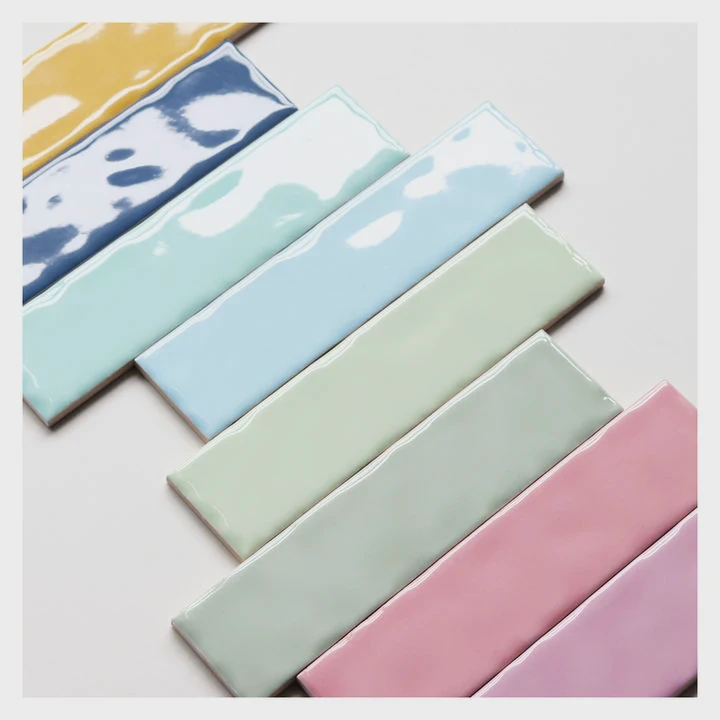
Wall tiles face different challenges than floor tiles. Gravity constantly pulls downward on every installed tile.
Why Adhesive Choice Matters
A suitable adhesive must perform several functions:
- Hold tiles in position
- Support tile weight
- Resist moisture
- Accommodate minor movement
- Maintain long-term durability
Poor adhesive selection can lead to slipping tiles, uneven layouts, or complete bond failure.
Common Adhesive Types
Cement-Based Adhesives
These are among the most widely used tile adhesives.
Advantages include:
- Strong bonding
- Suitable for many tile types
- Cost-effective
- Good durability
Polymer-Modified Adhesives
These adhesives contain additives that improve flexibility and adhesion.
They are often recommended for:
- Large-format tiles
- Porcelain tiles
- Areas with slight movement
- High-performance installations
Ready-Mixed Adhesives
These products are convenient and easy to use.
They are commonly selected for:
- Small wall tiles
- Light-duty projects
- Interior dry areas
Adhesive Comparison
| Adhesive Type | Best Use | Advantages |
|---|---|---|
| Cement-based | General wall tiling | Reliable and economical |
| Polymer-modified | Porcelain and large tiles | High performance |
| Ready-mixed | Small indoor projects | Easy application |
| Flexible adhesive | Movement-prone areas | Better crack resistance |
Large Tile Considerations
Modern wall designs increasingly use large-format tiles.
Large tiles require:
- Higher bond strength
- Proper adhesive coverage
- Improved slip resistance
The larger the tile, the more important adhesive performance becomes.
Environmental Conditions
Installation location also affects adhesive selection.
Wet Areas
Bathrooms and shower walls typically require water-resistant systems.
Dry Areas
Living rooms and decorative walls may allow greater flexibility in adhesive selection.
Exterior Applications
Outdoor walls require adhesives designed for temperature changes and weather exposure.
Proper Adhesive Application
Even the best adhesive cannot compensate for poor installation technique.
Key practices include:
- Mixing according to instructions
- Using the correct trowel size
- Maintaining consistent coverage
- Avoiding skinning over
- Pressing tiles firmly into place
A project involving large porcelain wall tiles demonstrated how important adhesive selection can be. The installer initially chose a standard adhesive intended for smaller tiles. Several tiles began slipping during installation. After switching to a high-performance polymer-modified adhesive, the installation proceeded smoothly.
The right adhesive helps ensure that wall tiles remain secure, aligned, and durable throughout their service life.
How to Ensure Tiles Stay Aligned on Walls?
Even high-quality tiles can look unprofessional if alignment is inconsistent. Small positioning errors often become more noticeable as installation progresses.
To keep wall tiles aligned, installers should establish reference lines, begin with a carefully planned layout, use leveling tools throughout the installation, and regularly check both horizontal and vertical positioning.
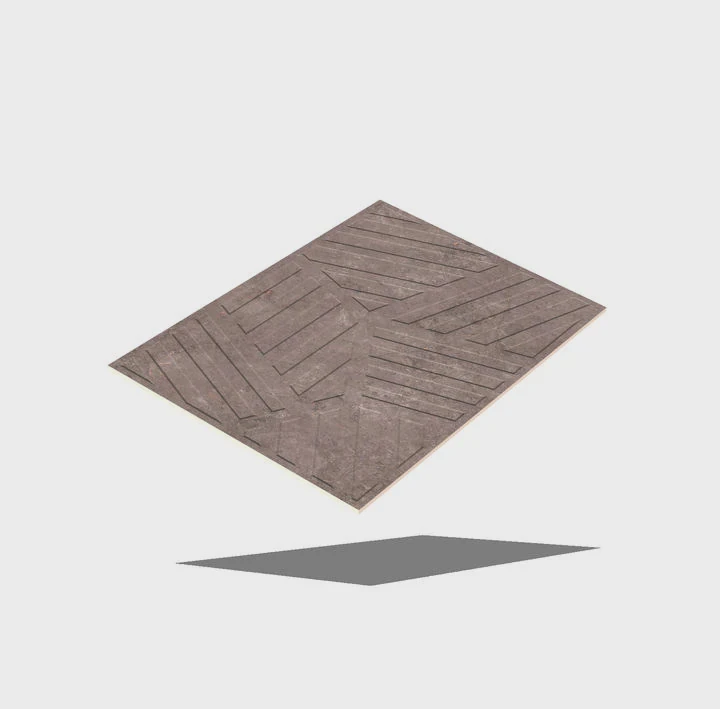
Alignment is one of the most visible indicators of installation quality.
Why Alignment Matters
Poor alignment can create several issues:
- Uneven grout joints
- Crooked visual appearance
- Difficult edge finishing
- Increased installation corrections
Good alignment improves both aesthetics and perceived workmanship.
Planning the Layout
The installation process should begin with a detailed layout plan.
Before placing the first tile, determine:
- Wall centerline
- Tile pattern
- Edge cuts
- Focal points
- Feature areas
A planned layout reduces surprises later in the project.
Establishing Reference Lines
Horizontal Guidelines
A level horizontal line helps maintain straight tile rows.
Many installers use a temporary support batten to establish the starting course.
Vertical Guidelines
Vertical reference lines help control side-to-side alignment.
These lines serve as visual checkpoints during installation.
Essential Alignment Tools
| Tool | Purpose |
|---|---|
| Spirit level | Check level rows |
| Laser level | Create reference lines |
| Straightedge | Verify flatness |
| Measuring tape | Maintain spacing |
| Tile leveling system | Reduce lippage |
These tools help identify problems before they become visible across the entire wall.
Working in Small Sections
Installing too many tiles at once can increase alignment errors.
Many professionals work in manageable sections and verify positioning frequently.
Checking Every Row
After each row:
- Confirm level alignment
- Check grout consistency
- Verify tile position
- Inspect visual appearance
Small corrections are easier than major adjustments later.
Managing Large-Format Tiles
Large tiles require additional attention because slight variations become more noticeable.
Tile Leveling Systems
Modern leveling systems help:
- Maintain consistent surface height
- Reduce lippage
- Improve finished appearance
These systems are especially useful for large-format wall tiles.
Avoiding Common Alignment Mistakes
Several errors occur frequently:
- Starting from an uneven floor
- Ignoring wall irregularities
- Skipping layout planning
- Failing to check level frequently
- Rushing installation
One installation involved a decorative feature wall using large marble-look porcelain tiles. The initial rows appeared straight, but small alignment errors accumulated across the wall. By the final rows, grout joints looked noticeably uneven. Correcting the issue required removing several installed tiles.
This experience reinforced an important lesson. Alignment should be checked continuously, not only at the beginning of the project.
Consistent monitoring produces cleaner lines, better symmetry, and a more professional result.
Are Spacers Required for Wall Tile Installation?
Some installers view spacers as optional. Others consider them essential. In most wall tiling projects, spacers play a critical role in achieving a consistent appearance.
Yes, spacers are highly recommended for wall tile installation because they help maintain uniform grout joints, improve alignment accuracy, and create a cleaner finished appearance.
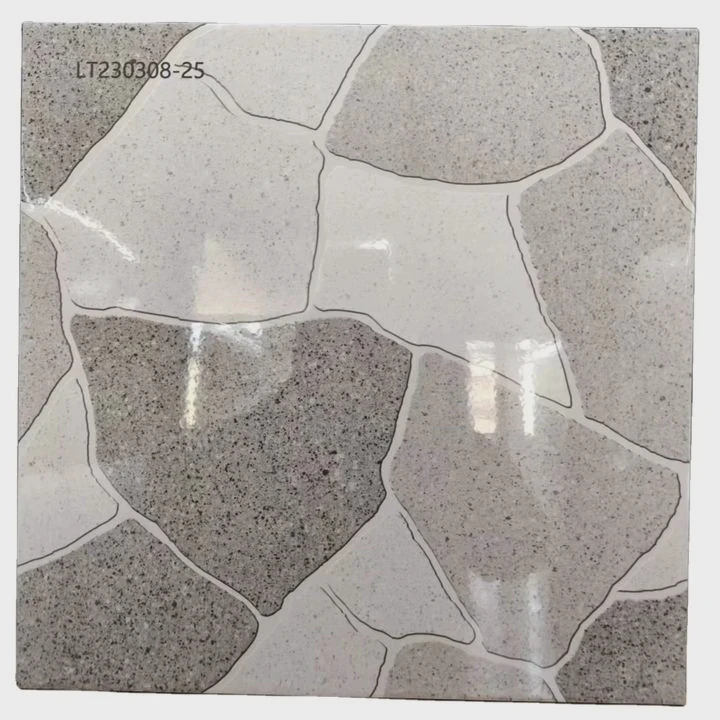
Although experienced installers may occasionally work without spacers, most professional projects benefit from their use.
Purpose of Tile Spacers
Tile spacers create consistent gaps between adjacent tiles.
These gaps serve several functions:
- Improve appearance
- Allow grout installation
- Accommodate minor movement
- Maintain layout consistency
Without spacers, grout joint sizes can vary noticeably across the wall.
Benefits of Consistent Grout Lines
Uniform grout joints contribute to:
- Better visual balance
- Improved craftsmanship appearance
- Easier maintenance
- More predictable installation results
Many clients notice grout consistency immediately, even if they cannot explain why a wall looks professional.
Common Spacer Sizes
| Spacer Size | Typical Application |
|---|---|
| 1 mm | Minimalist designs |
| 2 mm | Modern wall tiles |
| 3 mm | Standard wall installations |
| 5 mm | Rustic or decorative styles |
The ideal spacer size depends on tile dimensions, design goals, and manufacturer recommendations.
When Spacers Become More Important
Spacers are especially valuable for:
- Large walls
- Large-format tiles
- Decorative patterns
- Feature walls
- Commercial installations
As installation size increases, consistency becomes more difficult without spacers.
Tile Variations
Even high-quality tiles may contain slight manufacturing tolerances.
Spacers help compensate for these small variations and maintain a consistent overall appearance.
Combining Spacers and Leveling Systems
Many modern installations use both products together.
Spacer Function
Controls grout joint width.
Leveling System Function
Controls tile surface height.
Together, they help create a cleaner finish.
Installation Best Practices
When using spacers:
- Place spacers consistently.
- Check alignment regularly.
- Remove spacers when recommended.
- Clean joints before grouting.
- Inspect spacing throughout installation.
Are There Situations Without Spacers?
Some handmade or rustic tile designs intentionally use irregular joint widths.
Even in these situations, many installers still use spacers as reference points to maintain overall control.
During one residential bathroom project, a homeowner requested very narrow grout joints. The installer considered skipping spacers to save time. After a short test area, slight spacing variations became visible. Spacers were added, and the finished wall achieved a much cleaner and more professional appearance.
For most wall tile applications, spacers are a simple tool that delivers significant benefits with very little added cost or effort.
Conclusion
Successful wall tile installation starts with careful preparation, proper adhesive selection, accurate alignment techniques, and consistent use of spacers. When these fundamentals are followed, wall tiles can deliver long-lasting durability, professional appearance, and reliable performance in both residential and commercial spaces.