How to Seal Grout and Tile?
- Sinotiles
- 2026-06-15
Many tile installations look great at first, but grout stains, moisture damage, and discoloration can quickly reduce their appearance if proper protection is not applied.
To seal grout and tile effectively, clean the surface thoroughly, choose the right sealer, apply it evenly, allow proper curing time, and maintain a regular resealing schedule. Sealing helps protect grout from moisture, stains, and everyday wear.
Many homeowners, contractors, and tile distributors focus on selecting the right tile but often overlook grout protection. In reality, grout is usually the most vulnerable part of a tiled surface. A proper sealing process helps preserve appearance, improve durability, and reduce maintenance over time.
Why Is Sealing Grout Important?
Grout may look solid after installation, but it remains a porous material. Without protection, water, dirt, and stains can penetrate the surface and cause long-term damage.
Sealing grout is important because it reduces moisture absorption, prevents staining, improves durability, and helps maintain the appearance of tiled surfaces for a longer period.
Many people assume that tile itself provides complete protection. In most installations, however, grout lines are the weakest point. Water often enters through grout rather than through the tile surface.
Understanding Grout Porosity
Most cement-based grout contains tiny pores that absorb liquids and contaminants.
These pores can absorb:
- Water
- Cooking oils
- Soap residue
- Dirt
- Food stains
- Cleaning chemicals
Once contaminants enter the grout, cleaning becomes much more difficult.
How Moisture Affects Grout
Moisture penetration creates several problems over time.
Surface Discoloration
Water can carry dirt and minerals into the grout. This often causes uneven color and staining.
Structural Damage
Repeated moisture exposure may weaken grout and contribute to cracking.
Odor Development
Damp grout can trap organic matter and create unpleasant smells.
Benefits of Proper Sealing
A quality sealer creates a protective barrier that reduces absorption.
Key benefits include:
| Benefit | Result |
|---|---|
| Reduced water absorption | Better moisture protection |
| Improved stain resistance | Easier cleaning |
| Longer grout life | Lower maintenance costs |
| Better appearance retention | Cleaner-looking surfaces |
High-Risk Areas Need Extra Protection
Some areas face more moisture exposure than others.
Examples include:
- Bathrooms
- Shower walls
- Shower floors
- Kitchen backsplashes
- Laundry rooms
- Commercial washrooms
In these environments, sealing becomes especially important.
New Grout vs Old Grout
Both new and existing grout benefit from sealing.
New Installations
Fresh grout should be allowed to cure fully before applying sealer.
Existing Installations
Older grout often requires deep cleaning before resealing.
Common Misunderstandings
Many property owners believe sealing makes grout waterproof. In reality, most sealers make grout water-resistant rather than completely waterproof.
The goal is to slow moisture penetration and improve stain resistance.
Long-Term Value
Over the years, I have seen many installations where quality tile remained in excellent condition while unsealed grout became stained and damaged. In many cases, replacing grout costs far more than applying a sealer during installation.
For this reason, sealing should be viewed as a preventive maintenance step rather than an optional upgrade.
Which Sealers Work Best for Tiles?
Not every tile installation requires the same type of sealer. The best choice depends on the tile material, grout type, and installation environment.
Penetrating sealers are generally the best choice for grout protection, while natural stone tiles may require specialized sealers designed for both surface and internal protection.
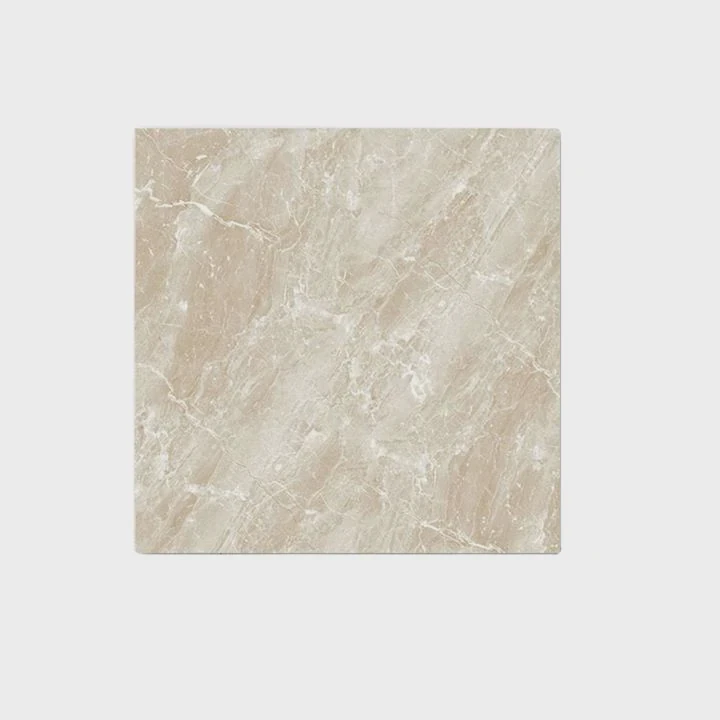
The market offers many different products, but most tile sealers fall into a few main categories.
Types of Tile and Grout Sealers
Understanding the differences helps prevent costly mistakes.
| Sealer Type | Best Application | Protection Level |
|---|---|---|
| Penetrating sealer | Grout and porous tile | High |
| Impregnating sealer | Natural stone | Very High |
| Surface sealer | Decorative finishes | Medium |
| Enhancing sealer | Stone with color enhancement | High |
Penetrating Sealers
Penetrating sealers are among the most popular choices.
They work by entering grout pores and creating protection below the surface.
Advantages include:
- Natural appearance
- Strong stain resistance
- Good moisture protection
- Minimal surface buildup
This option works well for many residential and commercial projects.
Impregnating Sealers
Impregnating sealers offer deeper protection.
They are commonly used on:
- Marble
- Travertine
- Limestone
- Slate
These materials often require more advanced protection because of their higher porosity.
Surface Sealers
Surface sealers create a visible coating on top of the material.
Benefits include:
- Enhanced appearance
- Added surface protection
Potential drawbacks include:
- Peeling over time
- Visible wear patterns
- More maintenance
Do Porcelain Tiles Need Sealing?
Many porcelain tiles have very low water absorption rates.
In most cases:
- The tile itself does not require sealing.
- The grout still requires protection.
This distinction is important because many people focus on the tile and forget the grout lines.
Do Ceramic Tiles Need Sealing?
Glazed ceramic tiles generally do not require sealing.
The glazed layer already provides protection.
Again, grout remains the primary concern.
Natural Stone Requires Special Attention
Natural stone behaves differently from manufactured ceramic products.
Materials such as:
- Marble
- Granite
- Slate
- Travertine
often benefit from dedicated sealing systems.
Without protection, these surfaces can absorb liquids and develop permanent stains.
Choosing the Right Product
Before selecting a sealer, I evaluate several factors:
Location
Indoor and outdoor areas face different conditions.
Moisture Exposure
Showers require more protection than living room floors.
Tile Material
Different materials absorb liquids differently.
Maintenance Expectations
Some sealers last longer but cost more initially.
A suitable sealer should match the specific installation rather than follow a one-size-fits-all approach.
How Often Should Grout Be Resealed?
Many people apply grout sealer once and assume the job is finished forever. In reality, sealers gradually wear down and lose effectiveness over time.
Most grout should be resealed every one to three years, depending on the sealer type, traffic level, cleaning practices, and moisture exposure.
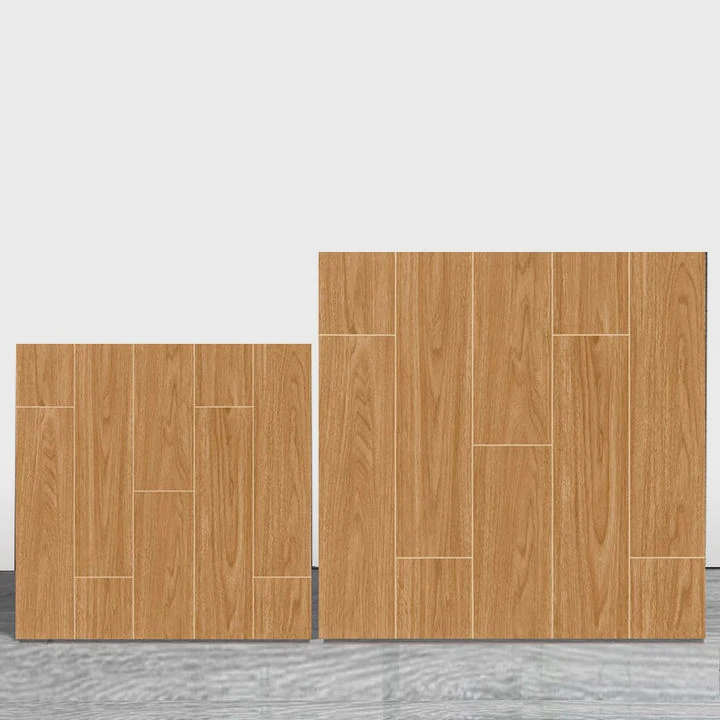
The exact resealing schedule varies significantly between installations.
Factors That Affect Resealing Frequency
Several conditions influence how long a sealer remains effective.
Moisture Exposure
Areas with frequent water contact usually require more frequent resealing.
Examples include:
- Showers
- Steam rooms
- Pool areas
These environments place constant stress on the protective barrier.
Foot Traffic
Heavy traffic accelerates wear.
Commercial environments often experience:
- More abrasion
- More cleaning
- Faster sealer deterioration
Cleaning Methods
Harsh cleaners can reduce sealer performance.
Products containing strong chemicals may gradually remove protection.
Typical Resealing Guidelines
General recommendations often follow this schedule:
| Area Type | Typical Resealing Interval |
|---|---|
| Residential shower | 1–2 years |
| Kitchen backsplash | 2–3 years |
| Residential floor | 2–3 years |
| Commercial floor | 1–2 years |
| Natural stone installation | 1–3 years |
These intervals should be treated as estimates rather than strict rules.
How to Test Existing Sealer Performance
A simple water test often provides useful information.
Step 1
Place a few drops of water on the grout.
Step 2
Wait several minutes.
Step 3
Observe the result.
If water beads on the surface, protection is likely still working.
If water quickly darkens the grout, resealing may be necessary.
Signs That Resealing Is Needed
Common indicators include:
- Darkening grout
- Persistent stains
- Increased water absorption
- Difficult cleaning
- Uneven appearance
These symptoms often suggest that the protective barrier has weakened.
Preventive Maintenance Saves Money
Many facility managers wait until staining becomes severe before taking action.
This approach often leads to:
- Expensive restoration
- Intensive cleaning
- Potential grout replacement
A regular resealing schedule usually costs much less.
Record Keeping Helps
For larger commercial projects, I often recommend maintaining a maintenance log.
The record may include:
- Installation date
- Sealer type
- Application date
- Inspection schedule
This simple practice helps ensure long-term performance.
Different Sealers Have Different Lifespans
Premium sealers often provide longer protection than entry-level products.
Although high-performance sealers cost more initially, they may reduce labor and maintenance costs over time.
The best resealing schedule balances performance, budget, and environmental conditions.
Can Sealing Prevent Mold Growth Effectively?
Mold is one of the most common concerns in bathrooms, kitchens, and other damp environments. Many people hope that sealing alone will completely eliminate mold problems.
Sealing helps reduce mold risk by limiting moisture penetration, but it cannot completely prevent mold growth without proper cleaning, ventilation, and moisture control.
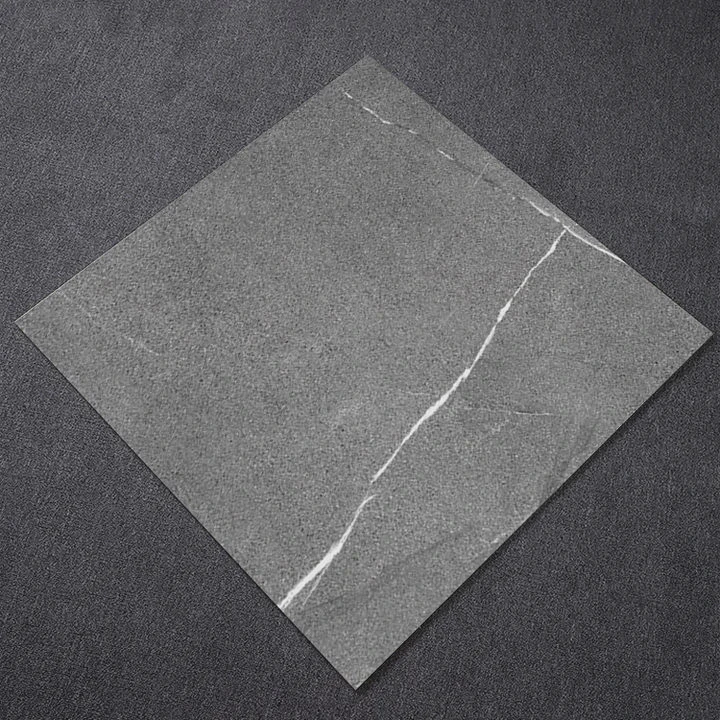
This is an area where expectations should remain realistic.
Why Mold Develops
Mold requires several conditions to grow.
These include:
- Moisture
- Organic material
- Limited airflow
- Suitable temperatures
Bathrooms often provide all four conditions.
How Sealing Helps
A sealer reduces one important factor: moisture absorption.
Benefits include:
- Less water retention
- Faster drying
- Reduced staining
- Lower risk of microbial growth
This creates a less favorable environment for mold.
Sealing Is Not a Complete Solution
Even sealed grout can develop mold if moisture remains on the surface for extended periods.
Common causes include:
- Poor ventilation
- Standing water
- Leaking plumbing
- Inadequate cleaning
A sealer cannot solve these problems by itself.
Ventilation Plays a Major Role
Proper airflow is often as important as sealing.
Good ventilation helps:
- Remove humidity
- Accelerate drying
- Reduce condensation
Bathroom exhaust fans can significantly improve conditions.
Cleaning Remains Essential
Soap residue and dirt provide food sources for mold.
Regular cleaning removes these materials before mold becomes established.
Helpful practices include:
Wiping Down Shower Walls
Removing excess moisture after use helps reduce mold risk.
Cleaning Grout Lines
Routine maintenance prevents buildup.
Addressing Leaks Quickly
Small leaks can create hidden moisture problems behind walls and floors.
Mold-Resistant Products
Some modern grout products include antimicrobial technology.
These products may provide additional protection when combined with sealing.
However, no product completely eliminates the need for maintenance.
A Practical Mold Prevention Strategy
The most effective approach combines several methods:
- Quality grout installation
- Proper curing
- Correct sealer application
- Adequate ventilation
- Regular cleaning
- Prompt leak repair
Each step contributes to long-term performance.
Realistic Expectations
Over many years in the tile industry, one pattern remains consistent. Properly sealed grout usually stays cleaner and resists moisture better than unsealed grout. However, areas with constant humidity still require maintenance and good airflow.
Sealing should be viewed as one important layer of protection within a larger moisture-management strategy.
Conclusion
Sealing grout and tile helps protect surfaces from moisture, stains, and everyday wear. By selecting the right sealer, maintaining a regular resealing schedule, and combining sealing with proper cleaning and ventilation, tiled installations can remain attractive, durable, and easier to maintain for many years.
- Pre: How to Shine Tile Floors?
- Next: What Is Tile Detergent?