How to Clean Tile After Grouting?
- Sinotiles
- 2026-06-15
Fresh grout can quickly turn a beautiful tile installation into a messy surface. Many people worry about haze, stains, and residue that seem impossible to remove after grouting.
The best way to clean tile after grouting is to wait for the proper curing time, remove fresh residue with water and a sponge, and then eliminate any remaining grout haze using suitable cleaning methods and polishing tools.
Cleaning tiles after grouting is just as important as the grouting process itself. Proper timing and the right techniques help keep tiles looking clean, shiny, and professional without damaging the grout joints.
When Can Tiles Be Cleaned After Grouting?
Many tile installation problems happen because cleaning begins too early or too late. Timing directly affects the appearance of both the grout and the tile surface.
Tiles can usually receive their first cleaning 15 to 30 minutes after grout application, while deeper cleaning and haze removal are often performed after the grout has partially cured according to the manufacturer’s instructions.
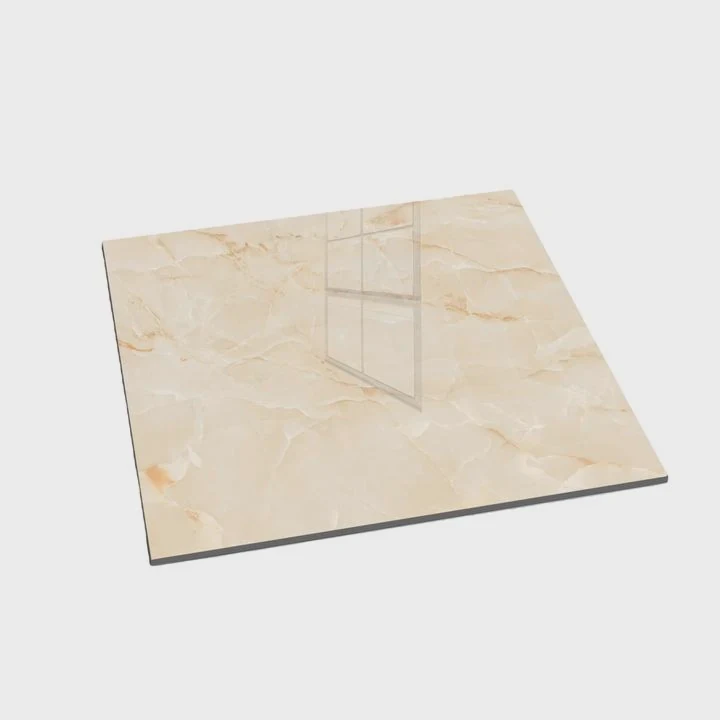
The exact cleaning schedule depends on several factors. Different grout types cure at different speeds. Temperature, humidity, and tile material also influence the process.
Understanding the Grouting Timeline
After grout is spread across the tile surface, it begins to harden immediately. The goal is to remove excess grout before it becomes difficult to clean while avoiding disturbance to the grout joints.
Typical Cleaning Schedule
| Time After Grouting | Recommended Action |
|---|---|
| 10-15 Minutes | Monitor grout setup |
| 15-30 Minutes | Initial sponge cleaning |
| 2-4 Hours | Light inspection |
| 24 Hours | Haze removal if needed |
| 48-72 Hours | Final cleaning and polishing |
The first wipe is often the most important stage. A damp sponge removes excess grout from the tile face while shaping the grout joints.
Why Early Cleaning Can Be Harmful
Many beginners become nervous when they see grout on the tile surface. They immediately start scrubbing.
This can create several problems:
- Weak grout joints
- Uneven grout lines
- Washed-out grout color
- Surface scratches
Fresh grout needs time to firm up before cleaning begins.
Why Waiting Too Long Causes Problems
The opposite mistake is waiting too long.
When excess grout fully hardens on tile surfaces, removal becomes much harder. In severe cases, aggressive cleaning methods may become necessary.
These methods increase the risk of:
- Tile scratches
- Damaged grout joints
- Additional labor costs
Following Product Instructions
Modern grout products vary significantly.
Some examples include:
- Cement-based grout
- Polymer-modified grout
- Epoxy grout
- Rapid-setting grout
Each product may recommend a different cleaning schedule.
Environmental Factors Matter
Warm environments accelerate curing. Cooler conditions slow it down.
A room with strong airflow may dry grout faster than expected. Bathrooms and other humid spaces may extend curing times.
Careful observation is often more useful than relying solely on the clock. When grout begins to firm up while remaining workable, the first cleaning can begin. Proper timing creates cleaner grout lines, less haze, and a more attractive finished installation.
What Removes Grout Haze Effectively?
Grout haze is one of the most common complaints after tile installation. Even when excess grout is removed, a thin cloudy film often remains on the tile surface.
Grout haze can be removed effectively using microfiber cloths, haze removers, diluted vinegar for suitable tiles, and specialized tile-cleaning products designed for post-grouting cleanup.
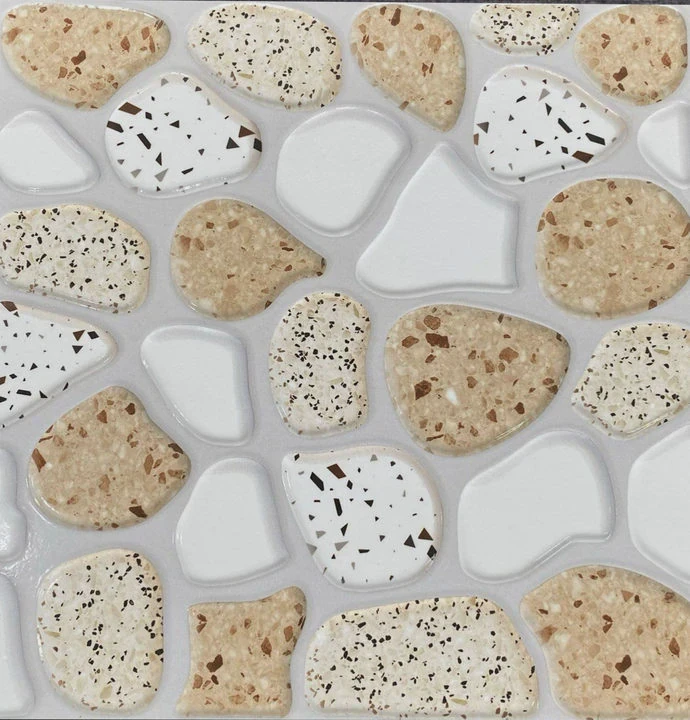
Grout haze forms when fine grout particles dry on the tile face. The residue may not appear immediately. In many cases, it becomes visible after the surface fully dries.
Identifying Grout Haze
Grout haze often appears as:
- Cloudy film
- Dull tile finish
- White residue
- Uneven shine
Many people mistake haze for dirt. Standard cleaning sometimes fails because the residue is actually cement particles bonded to the tile surface.
Common Grout Haze Removal Methods
| Method | Best Use |
|---|---|
| Dry Microfiber Cloth | Light haze |
| Damp Sponge | Fresh haze |
| Commercial Haze Remover | Moderate haze |
| Vinegar Solution* | Cement grout haze |
| Buffing Pad | Final polishing |
*Not suitable for natural stone or acid-sensitive surfaces.
Starting With the Mildest Method
I usually begin with a dry microfiber cloth. Light haze often buffs away without chemicals.
This simple step prevents unnecessary exposure to stronger cleaning products.
Using Vinegar Carefully
Diluted white vinegar can dissolve cement-based haze on many ceramic and porcelain tiles.
However, vinegar should never be used on:
- Marble
- Limestone
- Travertine
- Other acid-sensitive stone
Acid can permanently damage these surfaces.
Commercial Haze Removers
For stubborn haze, commercial products often provide the best results.
These products are formulated to:
- Break down cement residue
- Protect tile surfaces
- Reduce labor time
Following manufacturer instructions is essential.
Preventing Future Haze Problems
The easiest haze removal strategy is prevention.
During installation:
- Use clean water frequently
- Change rinse water often
- Remove excess grout promptly
- Avoid spreading grout too widely
Final Buffing
After haze removal, polishing with a clean microfiber towel restores shine.
Many tile surfaces look significantly better after this final step.
A successful haze removal process combines patience and gentle methods. Starting with simple techniques and progressing only when necessary helps preserve both the tile surface and the grout joints while achieving a clean professional finish.
Can Water Alone Clean Fresh Grout Residue?
Water is one of the most important tools during tile installation. Many people wonder whether water alone is enough to remove grout residue.
Yes, water can clean most fresh grout residue during the initial cleanup stage, but it may not fully remove dried grout haze or hardened grout deposits.
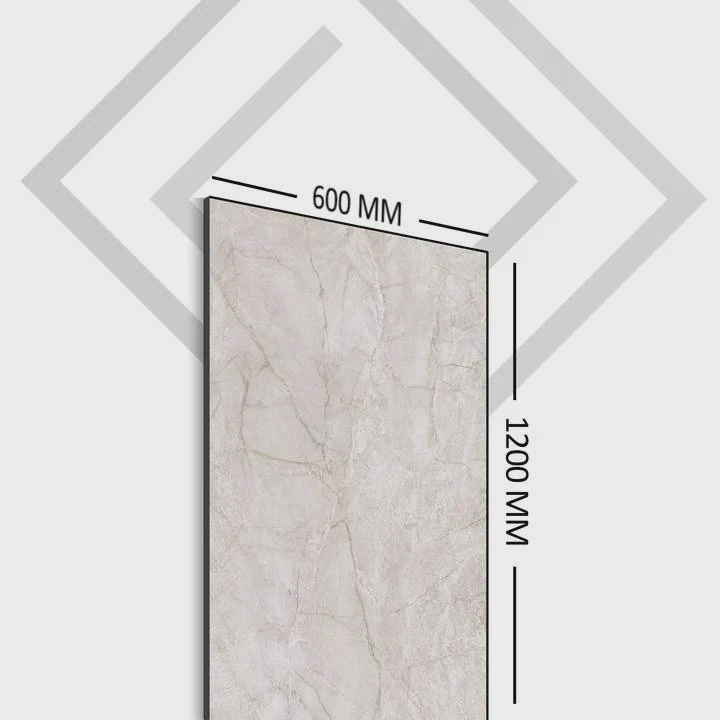
Fresh grout remains workable for a limited period. During this window, clean water is usually the safest and most effective cleaning solution.
Why Water Works Well
Most cement-based grouts can be cleaned effectively while still fresh because the material has not fully cured.
A damp sponge can:
- Lift excess grout
- Shape grout joints
- Reduce surface residue
- Protect tile finishes
Water is also inexpensive and readily available.
Proper Sponge Technique
Many cleaning problems occur because the sponge contains too much water.
Recommended Cleaning Process
| Step | Action |
|---|---|
| 1 | Dip sponge in clean water |
| 2 | Wring thoroughly |
| 3 | Wipe diagonally across tiles |
| 4 | Rinse sponge |
| 5 | Repeat with fresh water |
The sponge should be damp rather than soaked.
Excess water may weaken grout joints and cause inconsistent coloring.
Importance of Clean Water
Dirty rinse water spreads grout particles across the tile surface.
As cleanup continues, water should be replaced regularly.
One bucket often becomes cloudy very quickly. Fresh water significantly improves results.
Limitations of Water
Water works best during the early stages of cleaning.
Its effectiveness decreases when:
- Grout begins curing
- Haze develops
- Residue hardens
- Epoxy grout is used
At that point, specialized cleaning methods may become necessary.
Different Grout Types
Not all grouts respond the same way.
| Grout Type | Water Effectiveness |
|---|---|
| Cement Grout | Excellent |
| Sanded Grout | Excellent |
| Unsanded Grout | Excellent |
| Epoxy Grout | Limited |
| Rapid-Set Grout | Moderate |
Epoxy grout often requires dedicated cleaning products because it hardens differently than cement-based materials.
Water as the First Line of Defense
The best results often come from early cleaning with water before residue has time to cure.
A well-executed initial wash reduces:
- Grout haze
- Chemical usage
- Cleaning time
- Surface damage risks
Water remains one of the safest and most effective cleaning tools available. While it cannot solve every grout cleanup challenge, it handles the majority of fresh residue when used correctly and at the right time.
Which Tools Help Polish Tiles After Grouting?
After grout cleanup is complete, polishing helps reveal the true beauty of the tile installation. Even high-quality tiles can appear dull if the final polishing stage is skipped.
Microfiber cloths, buffing pads, polishing towels, sponge applicators, and low-speed polishing machines are among the most effective tools for polishing tiles after grouting.
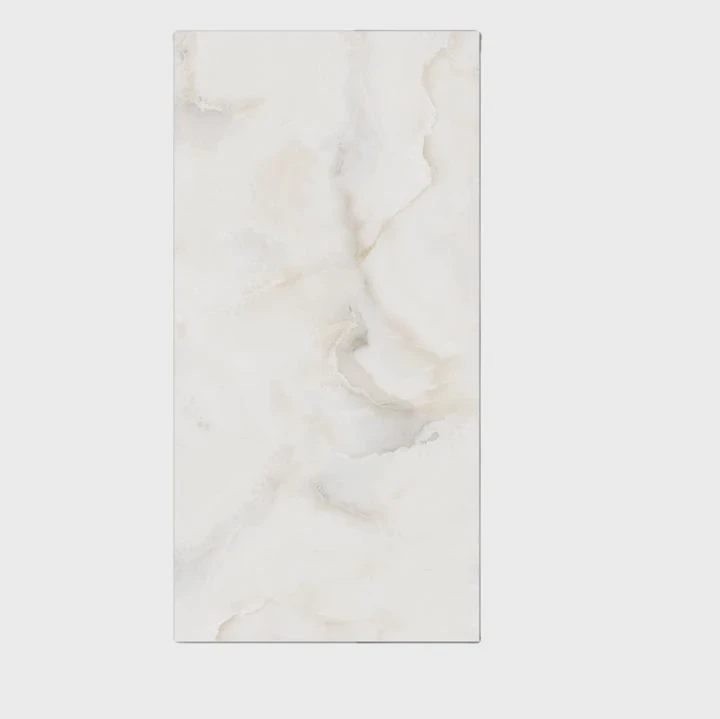
Polishing serves several purposes. It removes remaining dust, eliminates light haze, and restores the tile’s natural shine.
Essential Tile Polishing Tools
The right tools make a noticeable difference.
Common Polishing Equipment
| Tool | Main Purpose |
|---|---|
| Microfiber Cloth | Daily polishing |
| Soft Buffing Pad | Haze removal |
| Terry Cloth Towel | Final shine |
| Sponge Applicator | Cleaner application |
| Low-Speed Polisher | Large-area polishing |
Microfiber cloths are often the most valuable tool because they capture fine particles without scratching the surface.
Why Microfiber Works So Well
Microfiber fibers attract dust and residue through static action.
Benefits include:
- Streak-free finish
- Minimal scratching risk
- Excellent absorption
- Easy handling
For many porcelain and ceramic tiles, microfiber alone provides excellent results.
Hand Polishing vs Machine Polishing
Hand polishing works well for:
- Bathrooms
- Kitchens
- Small projects
- Decorative walls
Machine polishing becomes more practical for:
- Commercial spaces
- Large floors
- Hotel projects
- Shopping centers
A low-speed machine provides consistent results while reducing labor.
Avoiding Scratches
One common mistake is using abrasive pads that are too aggressive.
Avoid:
- Steel wool
- Wire brushes
- Coarse abrasive pads
- Metal scrapers during polishing
These tools can permanently damage tile surfaces.
Using Polishing Compounds
Some polished porcelain and specialty tiles benefit from polishing products designed for ceramic surfaces.
Before applying any product, testing a small area is important.
Final Inspection Process
I always perform a final inspection after polishing.
The inspection focuses on:
- Remaining haze
- Uneven shine
- Grout smears
- Surface scratches
Natural light often reveals issues that indoor lighting hides.
Creating a Professional Finish
Professional-looking tile installations often depend more on cleanup than installation itself.
A proper polishing process:
- Enhances color
- Improves reflection
- Highlights tile patterns
- Creates a cleaner appearance
The final polish is the stage where the project truly comes together. Clean microfiber cloths, gentle buffing tools, and careful inspection help transform a newly grouted tile surface into a finished installation that looks bright, clean, and ready for years of use.
Conclusion
Cleaning tile after grouting requires proper timing, careful use of water, effective grout haze removal, and final polishing with the right tools. When each step is performed correctly, the tile surface stays clean, the grout remains strong, and the finished installation achieves a professional appearance.