How to change backsplash without removing tile?
- Sinotiles
- 2026-07-24
Old backsplash tiles can make a kitchen look outdated. Many homeowners worry that changing them means creating dust, noise, and expensive repairs.
You can change a backsplash without removing tile by covering the existing surface with panels, applying new materials, or painting the tile with proper preparation. These methods can create a fresh look with less work.
I often see that many renovation projects fail because people remove materials too quickly. Existing tiles can still provide a strong base if the surface is prepared correctly. A smart update can save time, reduce waste, and create a modern kitchen style.
Can you cover backsplash with panels?
Changing a backsplash does not always require demolition. Many homeowners choose covering solutions because they want a faster and cleaner renovation process.
You can cover an existing backsplash with panels such as peel-and-stick tiles, PVC panels, metal sheets, or decorative boards. These materials can create a new surface while keeping the original tile underneath.
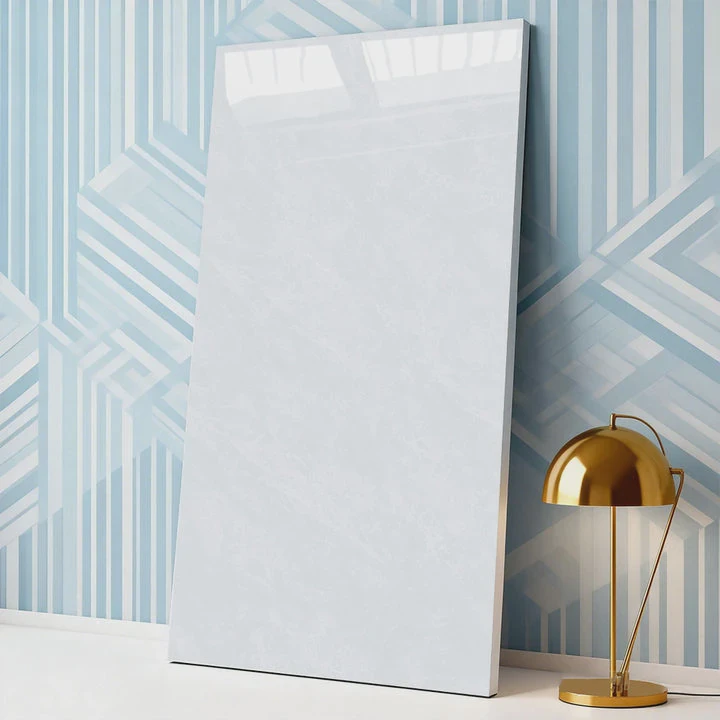
When I consider backsplash updates, I first check the condition of the current tile. A stable tile surface can support new materials, but loose or damaged tiles need attention before covering.
Why backsplash panels are becoming popular
Many people choose panels because they reduce construction work. Traditional tile removal requires tools, labor, and surface repairs. Covering methods can avoid many of these steps.
Panels also give homeowners more design choices. Modern products can imitate stone, wood, marble, or ceramic tile patterns. This option allows a kitchen update without a complete rebuild.
Common backsplash covering options
Different panels work for different needs. Some materials focus on appearance, while others focus on durability.
| Panel type | Main advantage | Suitable area |
|---|---|---|
| PVC panels | Water resistant and easy to install | Kitchen walls and utility areas |
| Metal sheets | Modern appearance and heat resistance | Areas near cooking zones |
| Peel-and-stick tiles | Low cost and simple installation | Small backsplash updates |
| Acrylic panels | Smooth surface and easy cleaning | Contemporary kitchens |
Important points before installing panels
The existing tile must be clean and stable. Panels cannot hide every problem. Cracked tiles, loose grout, or uneven surfaces may affect the final result.
I recommend checking the wall from different angles. A backsplash may look fine from the front but still have small problems around corners and edges.
The installation method also matters. Some panels use adhesive backing, while others require construction glue. The correct adhesive creates better strength and prevents future movement.
When covering tile is a better choice
Covering works well when the existing backsplash has a solid structure but an outdated design. Many older kitchens have good quality tile that only needs a visual update.
This method also works well for temporary improvements. People who rent homes or plan future renovations may prefer reversible solutions.
However, covering is not always the best answer. A damaged backsplash, moisture problem, or weak wall surface may need deeper repair first.
What materials adhere over existing tile?
The success of a backsplash update depends on choosing materials that can bond with the existing tile surface. Not every material works well over smooth ceramic or porcelain.
Materials that can adhere over existing tile include peel-and-stick tiles, glass sheets, metal panels, PVC boards, and some engineered stone products when the tile surface is properly prepared.
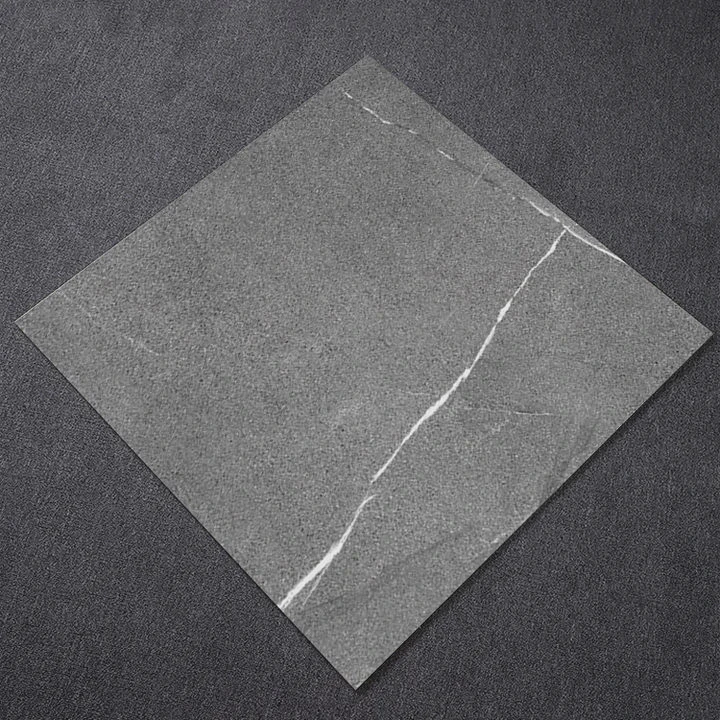
I have learned that material selection is one of the most important steps in backsplash renovation. A beautiful material can fail if the adhesive cannot create a strong connection.
Understanding tile surface challenges
Most backsplash tiles have a smooth finish. This surface looks attractive, but it can make adhesion difficult. Many adhesives need a slightly prepared surface to create a strong bond.
Glossy tiles especially require more attention. The smooth coating can prevent glue from gripping properly.
Materials and installation considerations
| Material | Adhesion method | Key preparation need |
|---|---|---|
| Peel-and-stick tile | Self-adhesive backing | Clean and dry surface |
| PVC panel | Construction adhesive | Remove grease and dust |
| Metal backsplash sheet | Strong adhesive | Create better contact surface |
| Glass panel | Specialized adhesive | Accurate measurements |
Peel-and-stick backsplash tiles
Peel-and-stick products are popular because they are simple. These tiles usually have an adhesive layer that attaches directly to the wall.
They work best on flat surfaces. Uneven grout lines can create gaps behind the material. Some installers use a smoothing layer first to create a more even base.
PVC and acrylic panels
PVC and acrylic panels provide a large surface with fewer seams. They can create a clean modern appearance.
These materials are useful for homeowners who want easy maintenance. Their smooth surface makes cleaning simple, especially in cooking areas.
Metal backsplash options
Metal sheets can create an industrial or modern kitchen style. Stainless steel is especially common because it handles heat and moisture well.
The installer must measure carefully because metal panels usually show mistakes more clearly than textured materials.
Choosing the right material
I usually compare materials based on several factors:
- Kitchen usage level
- Heat exposure
- Cleaning habits
- Budget
- Desired design style
A material that works in a decorative area may not work behind a busy cooking space. The backsplash location should guide the final decision.
How to prep tile before covering it?
Preparation decides whether a backsplash cover will last. Many installation problems happen because people focus on the new material and ignore the old tile surface.
To prepare tile before covering it, you should clean grease, repair damage, remove loose grout, create better adhesion, and make sure the surface is completely dry.
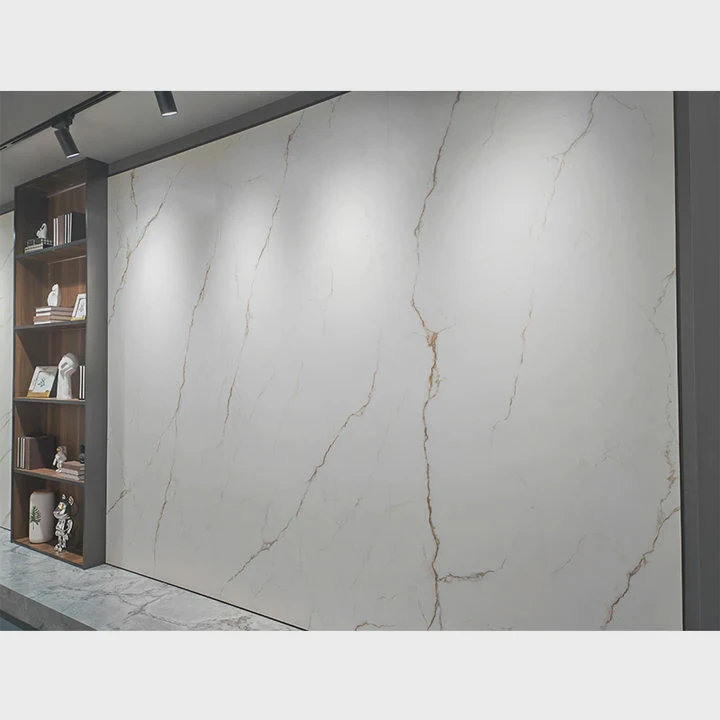
I always treat surface preparation as the foundation of the project. The new backsplash material depends on the old tile for support, so the original surface must be ready.
Step 1: Clean the existing tile
Kitchen backsplash areas collect grease, oil, and food particles. These materials create a barrier between the tile and adhesive.
A strong cleaning routine removes these contaminants. A degreasing cleaner can help remove kitchen buildup. After cleaning, the surface needs enough time to dry.
Step 2: Repair damaged areas
Cracked tiles and weak grout can create problems later. New materials may follow the uneven shape and create an unstable finish.
Small cracks can often be repaired before installation. Loose tiles should not be covered because they can move under the new layer.
Step 3: Improve adhesion
Smooth tile surfaces may need light preparation. Some projects require sanding or using a bonding primer.
The goal is not to damage the tile. The goal is to create a surface where adhesive can work better.
Step 4: Check measurements
A backsplash project requires accurate measurements. Walls are not always perfectly straight. Corners, outlets, and cabinets can affect installation.
| Preparation step | Purpose | Result |
|---|---|---|
| Deep cleaning | Removes grease and dirt | Better adhesion |
| Surface repair | Fixes weak areas | Stronger base |
| Light sanding or primer | Improves bonding | Longer lasting cover |
| Measuring carefully | Prevents cutting mistakes | Cleaner finish |
Common preparation mistakes
One common mistake is installing new materials over dirty tiles. The adhesive may attach to the grease instead of the tile.
Another mistake is rushing the drying process. Moisture behind panels can create problems later.
A third mistake is ignoring grout lines. Deep grout lines can create an uneven surface. Some materials need a smoother base for better results.
Why preparation saves money
Proper preparation may take extra time, but it reduces future repairs. A failed backsplash cover can cost more because materials may need replacement.
A careful process creates better value. The new surface looks better and stays in place longer.
Is painting easier than covering backsplash?
Painting is another way to update old backsplash tile. It can create a new color and style without adding another layer.
Painting backsplash tile is often easier and cheaper than covering it, but it requires careful preparation and may not provide the same durability as a new backsplash cover.
When homeowners want a quick design change, painting can be attractive. It changes the appearance without adding thickness to the wall.
However, painting and covering have different strengths. The better option depends on the kitchen environment and the expected lifespan.
Benefits of painting backsplash tile
Painting requires fewer materials. A homeowner can change the color with primer and tile paint.
This method also keeps the original tile shape visible. People who like a painted pattern or simple color update may prefer this approach.
Limitations of painted backsplash
Painted surfaces can face challenges in areas with high heat, water, and cleaning activity. The wrong paint can peel or lose quality over time.
A backsplash behind a sink or stove usually receives more stress. These areas need stronger protection.
Painting versus covering comparison
| Feature | Painting tile | Covering tile |
|---|---|---|
| Cost | Usually lower | Depends on material |
| Installation speed | Faster | Medium |
| Design options | Limited by paint | Many styles available |
| Durability | Depends on paint quality | Often stronger |
| Surface thickness | No added thickness | Adds new layer |
When I would choose painting
Painting works well for homeowners who want a simple refresh. It is useful when the existing tile is in good condition but the color feels outdated.
I would choose painting for low-stress areas. Decorative walls or lightly used backsplashes can benefit from this method.
When covering is a better choice
Covering is better when the goal is a major visual transformation. New panels can create a completely different style.
Covering also helps hide old patterns and colors. A new surface can make the kitchen feel like a larger renovation project.
Final decision factors
The choice between painting and covering depends on:
- Current tile condition
- Kitchen usage
- Budget
- Desired appearance
- Expected project lifespan
A small update may only need paint. A long-term renovation may need stronger covering materials.
Conclusion
You can change a backsplash without removing tile by using panels, suitable materials, or paint. Proper preparation creates better results and helps the new surface stay beautiful longer.
- Pre: How Thick Is Thinset Under Tile?
- Next: Sorry!