How to Clean Tile Backsplash?
- Sinotiles
- 2026-07-25

A dirty tile backsplash can make a clean kitchen look old and uncomfortable. Grease, food marks, and stains can slowly build up if the surface is ignored.
Cleaning a tile backsplash is simple when I use the right cleaner, remove stains carefully, and create a regular cleaning habit. A proper method keeps tiles bright and grout lines healthy.
A kitchen backsplash protects the wall behind sinks, stoves, and preparation areas. However, it also collects oil, water marks, dust, and food particles every day. Different tile materials need different cleaning methods, so I always check the tile type before choosing a solution.
Which cleaners are safe for kitchen tiles?
Many people use strong cleaners because they want quick results. However, harsh chemicals can damage tile surfaces, change the color of grout, or remove protective finishes.
Safe cleaners for kitchen tiles include mild dish soap, warm water, baking soda solutions, and tile cleaners made for the specific tile material. These options remove dirt without causing unnecessary damage.
Before cleaning, I always check if the backsplash uses ceramic tiles, porcelain tiles, natural stone tiles, or glass tiles. Each surface has different needs.
Ceramic and porcelain tiles are usually easy to maintain. They can handle many common household cleaners. Natural stone tiles, such as marble or limestone, need more attention because acidic products may damage the surface.
Common backsplash cleaning options
| Cleaner | Suitable Tiles | Benefits |
|---|---|---|
| Warm water and dish soap | Most ceramic and porcelain tiles | Simple and safe daily cleaning |
| Baking soda paste | Many tile surfaces | Helps remove stubborn marks |
| Commercial tile cleaner | Depends on product label | Designed for tile maintenance |
| Vinegar solution | Some ceramic tiles | Removes light mineral deposits |
I prefer starting with the mildest cleaner first. Strong products are not always better. A gentle solution with correct cleaning steps often gives better long-term results.
Why cleaner choice matters
The backsplash is close to food preparation areas. A cleaner should remove dirt while keeping the kitchen environment safe. Products with very strong chemicals may leave odors or require extra rinsing.
I also avoid using rough cleaning tools on polished tiles. Steel wool and hard brushes can create small scratches. These scratches may collect more dirt in the future.
For regular cleaning, a soft microfiber cloth or sponge usually works well. These tools remove surface dirt without damaging the tile finish.
Cleaning methods for different tile types
| Tile Material | Recommended Cleaning Method | Avoid |
|---|---|---|
| Ceramic tile | Mild soap and warm water | Very rough scrubbers |
| Porcelain tile | Neutral tile cleaner | Strong acids |
| Glass tile | Glass-safe cleaner or mild soap | Abrasive powder |
| Natural stone tile | Stone cleaner with neutral pH | Vinegar and acidic cleaners |
The safest approach is simple. I choose a cleaner based on the tile material, test it on a small area, and then clean the entire backsplash.
A good cleaning routine protects the appearance of tiles and reduces the need for expensive repairs later.
How to remove grease from backsplash tiles?
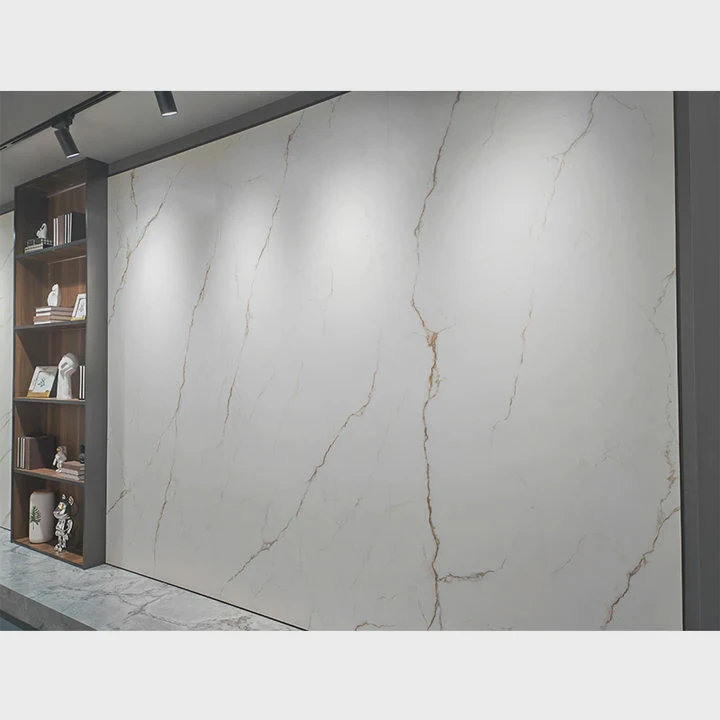
Grease is one of the most common problems in kitchen areas. Cooking oil can create a sticky layer that attracts dust and makes tiles look dull.
I remove grease from backsplash tiles by using warm water, a degreasing cleaner, and gentle scrubbing methods that break down oil without harming the tile surface.
Grease becomes harder to remove when it stays on the backsplash for a long time. Fresh oil marks are usually easy to clean, but old grease may need more effort.

Steps to remove kitchen grease
- Mix warm water with mild dish soap.
- Apply the solution to the greasy area.
- Wait several minutes to loosen the oil.
- Wipe with a soft sponge.
- Rinse with clean water.
- Dry the surface with a cloth.
Why warm water helps
Warm water helps soften grease and makes it easier to remove. It does not replace a cleaner, but it improves the cleaning process.
I avoid immediately using strong chemicals because they may create unnecessary problems. Many grease stains can be removed with simple methods if I give the cleaner enough time to work.
Common grease areas
| Area | Common Problem | Cleaning Frequency |
|---|---|---|
| Behind stove | Cooking oil and food splashes | Daily or weekly |
| Near sink | Water marks and soap residue | Weekly |
| Counter area | Food stains | After cooking |
The area behind the stove usually needs the most attention. Heat can make grease stick more strongly to the tile surface.
For difficult grease, I sometimes use a baking soda paste. Baking soda provides mild cleaning power and helps lift stains. However, I still avoid aggressive scrubbing because it can affect grout and tile finishes.
How to prevent grease buildup
Prevention is easier than deep cleaning. I wipe the backsplash after cooking when possible. A quick cleaning takes less time than removing months of grease.
I also keep a small cleaning cloth near the kitchen area. This makes it easier to handle fresh stains before they become difficult.
Another useful habit is cleaning cooking areas regularly instead of waiting until the backsplash looks dirty. Small actions create better results over time.
A clean backsplash does not require complicated products. It requires consistent care and the right cleaning method.
Can vinegar damage grout lines?

Vinegar is a popular natural cleaner because it is affordable and easy to find. However, it is not suitable for every backsplash surface.
Vinegar can damage grout lines because its acidity may weaken grout over time, especially when used frequently or on unsealed grout.
Many homeowners use vinegar for cleaning because it removes mineral deposits and water marks. However, grout is different from tile. It is more porous and can react differently.
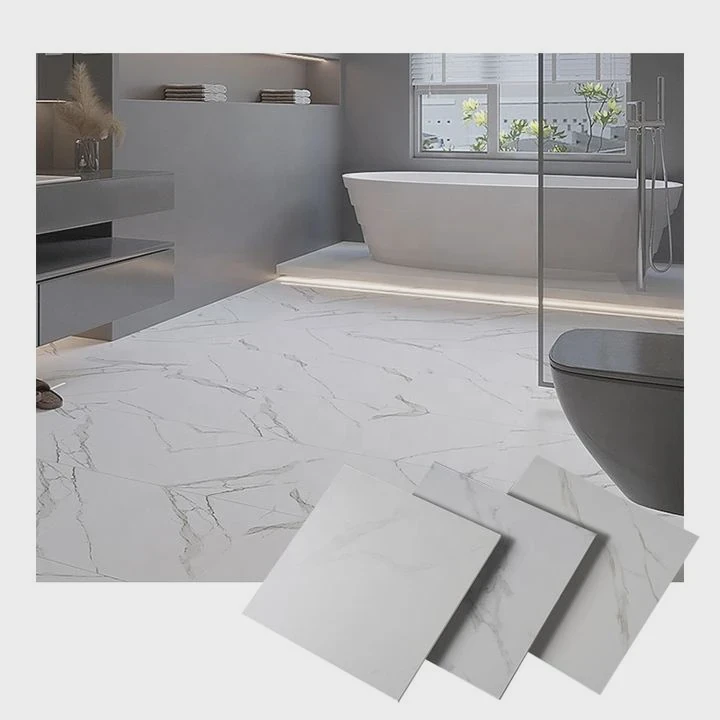
How vinegar affects grout
Grout fills the spaces between tiles. It helps keep tiles stable and creates a finished appearance. When grout is exposed to acidic cleaners repeatedly, the surface may become weaker.
Grout cleaning guide
| Grout Condition | Recommended Method | Vinegar Use |
|---|---|---|
| Sealed grout | Mild cleaner | Limited use |
| Unsealed grout | Neutral cleaner | Avoid regular vinegar use |
| Old damaged grout | Professional repair products | Avoid acids |
I am careful with vinegar, especially on natural stone backsplashes. Materials like marble and limestone can react badly with acidic cleaners.
Better options for grout cleaning
A baking soda and water paste is often a safer option for grout. It provides gentle cleaning without strong acidity.
I also use a soft brush for grout lines. A small brush can reach narrow spaces, but it should not be too hard.
The key point is balance. Natural cleaners are not always harmless. A product can be natural and still affect certain materials.
Before using vinegar, I check the grout condition and tile type. A small test area can prevent larger problems.
Protecting grout is important because damaged grout can collect dirt, moisture, and stains more easily. Good maintenance keeps the backsplash looking clean for a longer time.
How often should backsplash be cleaned?
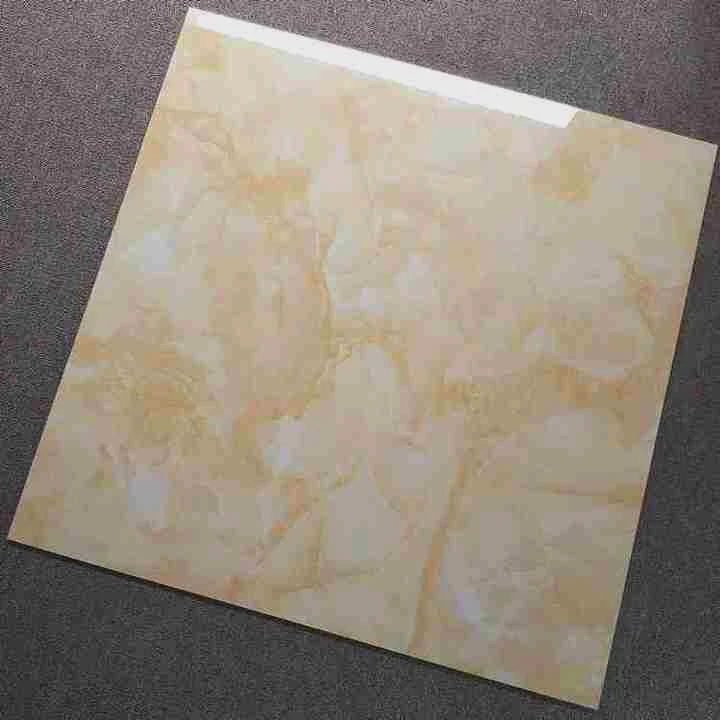
Many people clean their backsplash only when they notice visible stains. However, waiting too long can make dirt harder to remove.
A kitchen backsplash should receive light cleaning after cooking and deeper cleaning every few weeks, depending on cooking habits and kitchen use.
The cleaning schedule depends on the environment. A family kitchen with daily cooking needs more frequent care than a kitchen that is rarely used.
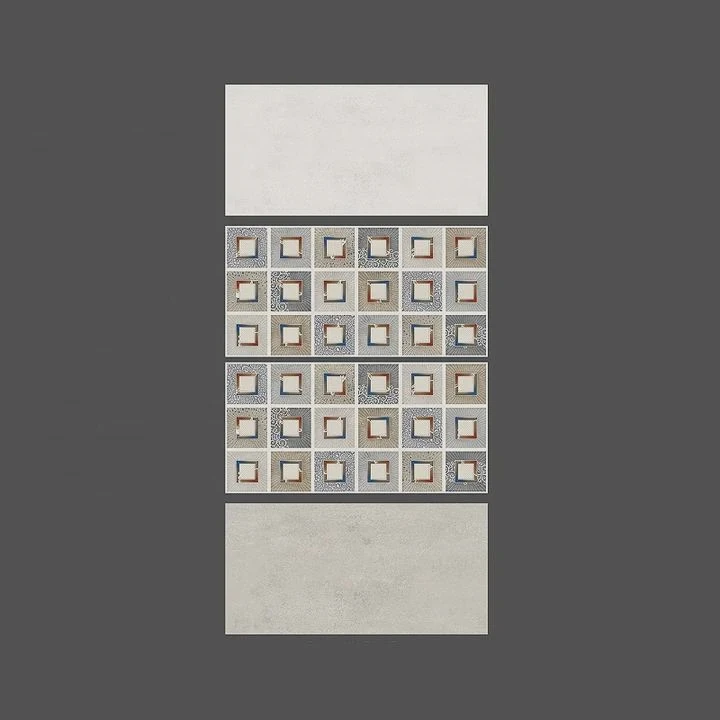
Suggested cleaning schedule
| Cleaning Type | Recommended Timing | Purpose |
|---|---|---|
| Quick wipe | After cooking | Remove fresh grease and food marks |
| Basic cleaning | Weekly | Remove surface dirt |
| Deep cleaning | Monthly | Remove buildup and stains |
Regular cleaning prevents small problems from becoming difficult repairs.
Factors that change cleaning frequency
Cooking style
People who cook with oil, frying, or strong spices may need more frequent cleaning. These activities create more grease and stains.
Tile location
A backsplash behind the stove usually needs more care than decorative areas because it receives more heat and splashes.
Tile material
Some materials show dirt more easily. Light-colored grout may require more attention than dark grout.
I believe maintenance is easier when cleaning becomes part of the normal kitchen routine. A few minutes after cooking can protect the backsplash for years.
I also check grout lines during cleaning. If grout starts becoming darker or shows cracks, it may need extra care.
A backsplash is both a functional and decorative part of the kitchen. Keeping it clean improves the overall appearance of the space and helps protect the tile system.
Conclusion
Cleaning tile backsplash is easy with the right products and habits. Mild cleaners, careful grease removal, and regular maintenance help keep tiles and grout clean, strong, and beautiful.