How to Change Tile Color Without Replacing?
- Sinotiles
- 2026-05-23
Old tile colors can make kitchens, bathrooms, and commercial spaces look outdated. Many property owners want a fresh appearance but worry about the high cost and disruption of full tile replacement.
Tile color can be changed without replacement by using tile paint, refinishing coatings, epoxy systems, and surface preparation methods that improve adhesion and long-term durability.
Replacing tiles often requires demolition, dust control, plumbing adjustments, and high labor costs. Because of this, many homeowners, contractors, and commercial property managers now look for faster renovation methods. Modern coating systems can refresh tile surfaces while reducing renovation time and project expenses. This guide explains the most common methods used to change tile color successfully without removing the original tiles.
What Methods Can Alter Tile Color Effectively?
Many people think tile color cannot be changed once the tiles are installed. In reality, several refinishing methods can improve appearance without full replacement.
Tile color can be altered effectively through tile painting, epoxy coatings, tile refinishing kits, reglazing systems, and surface staining methods depending on the tile type and project conditions.
Different methods work better for different tile materials and installation areas. The best solution depends on budget, moisture exposure, traffic level, and expected durability.
Why Many People Choose Tile Refinishing
Tile replacement often involves:
- Demolition work
- High labor costs
- Long renovation time
- Plumbing adjustments
- Dust and noise
Refinishing avoids many of these problems while still improving appearance.
Common Tile Color Change Methods
| Method | Best Use | Main Benefit |
|---|---|---|
| Tile painting | Walls and backsplashes | Low cost |
| Epoxy coating | Floors and wet areas | Strong durability |
| Reglazing | Bathrooms and tubs | Smooth finish |
| Tile refinishing kits | DIY projects | Simple application |
| Tile staining | Natural stone surfaces | Color enhancement |
Tile Painting as a Popular Option
Tile painting remains one of the most affordable methods for changing tile appearance.
It works best on:
- Bathroom walls
- Kitchen backsplashes
- Decorative tile surfaces
Floor applications usually require stronger coatings because of heavy wear.
Reglazing for Smooth Surface Renewal
How Reglazing Works
A new surface coating is sprayed over existing tiles.
Main Advantages
This creates a glossy and refreshed appearance without removing the original tile.
Many hotels and apartment renovations use reglazing because it saves time during large refurbishment projects.
Epoxy Coatings for High Durability
Epoxy systems create thicker protective layers than standard paint.
These coatings offer:
- Better water resistance
- Stronger scratch resistance
- Improved chemical resistance
Commercial kitchens and wet areas often use epoxy because of its durability.
Why Surface Condition Matters
Damaged tiles may still show defects after recoloring.
Before refinishing, installers should inspect:
- Cracks
- Loose tiles
- Water damage
- Surface contamination
Severe structural problems usually require replacement instead of recoloring.
Matching Methods to Different Tile Types
Ceramic Tile
Usually responds well to painting and reglazing.
Porcelain Tile
Requires stronger preparation because of low porosity.
Natural Stone
Often works better with staining instead of paint.
Long-Term Appearance Considerations
Refinished tiles may not perform exactly like factory-produced tile finishes. High-traffic floors especially experience more wear over time.
Still, good preparation and proper coating selection can greatly improve durability and visual quality.
How Can Tile Painting Provide a New Look?
Old tile colors often make interiors feel dark, outdated, or mismatched with modern design trends. Tile painting offers a faster and more affordable way to refresh the space.
Tile painting provides a new look by covering outdated colors, updating design styles, improving brightness, and creating a cleaner modern appearance without removing existing tiles.
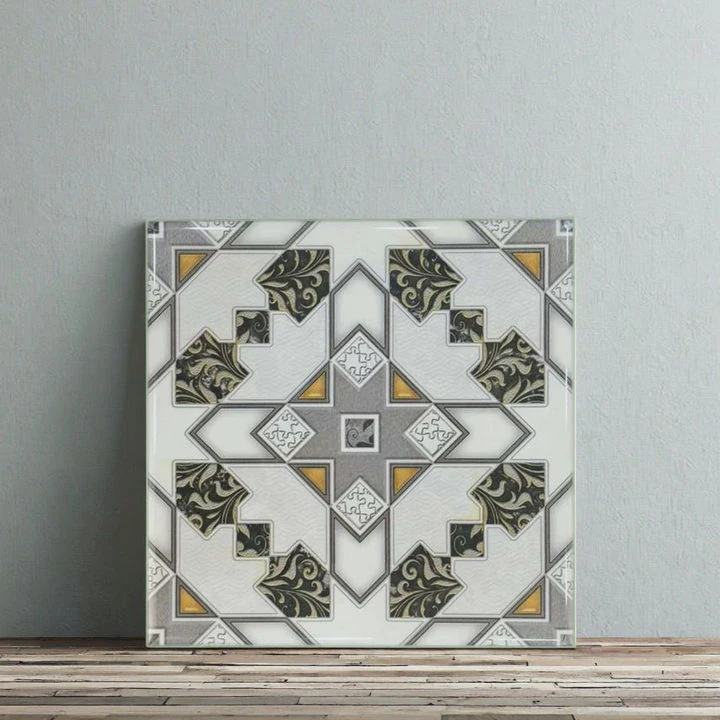
Tile painting has become increasingly popular in renovation projects because it reduces cost and installation time compared to full replacement.
Why Homeowners Choose Tile Painting
Many renovation budgets focus on controlling labor and demolition expenses.
Painting tiles helps avoid:
- Tile removal costs
- Waste disposal
- Plumbing disturbance
- Long renovation schedules
Design Changes Possible With Tile Painting
| Original Tile Style | Updated Painted Style | Visual Effect |
|---|---|---|
| Dark brown tile | Soft white finish | Brighter room |
| Beige outdated tile | Modern gray tone | Contemporary style |
| Colorful old patterns | Neutral matte finish | Cleaner appearance |
| Glossy old tile | Satin modern finish | Softer visual effect |
Popular Tile Paint Colors
Modern renovation projects often choose:
- White
- Light gray
- Warm beige
- Matte black
- Soft greige
Neutral tones help spaces feel larger and cleaner.
Why Surface Finish Changes Matter
Glossy Finishes
Reflect more light and create a polished appearance.
Matte Finishes
Provide a softer and more modern style.
Satin Finishes
Balance shine and practicality.
Areas Where Tile Painting Works Best
Tile painting performs well in:
- Bathroom walls
- Kitchen backsplashes
- Decorative accent walls
- Low-traffic surfaces
Heavy commercial floors may require stronger coating systems.
Importance of Proper Cleaning Before Painting
Grease, soap residue, and dirt reduce paint adhesion.
Professional preparation often includes:
- Degreasing cleaners
- Sanding
- Surface etching
- Dust removal
Why Multiple Thin Coats Work Better
Thick paint layers may peel or cure unevenly.
Thin coats help:
- Improve bonding
- Create smoother finishes
- Reduce bubbling
- Improve durability
How Tile Painting Supports Fast Renovation
Many commercial property owners choose tile painting because spaces can often reopen much faster compared to full tile replacement projects.
Hotels, rental apartments, and retail stores often prioritize quick renovation schedules to reduce business interruption.
Realistic Expectations for Painted Tile
Painted tile surfaces may eventually show wear in high-use areas. Proper maintenance and careful product selection help extend lifespan significantly.
For many renovation projects, tile painting offers a practical balance between cost, appearance improvement, and installation speed.
Why Use Primers Before Repainting Tiles?
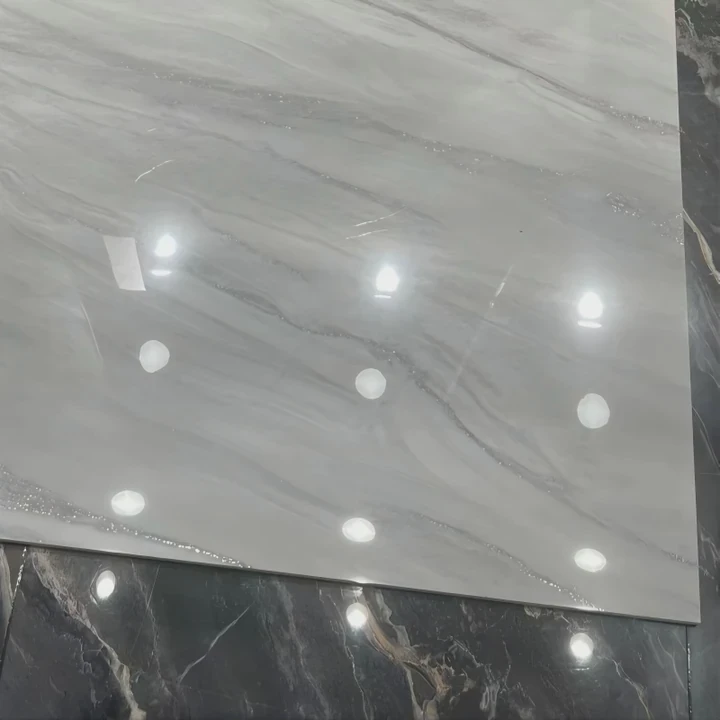
Many tile painting failures happen because primer was skipped. Without proper bonding layers, paint may peel, bubble, or wear away quickly.
Primers are used before repainting tiles because they improve paint adhesion, reduce peeling risk, increase durability, and help coatings bond properly to smooth tile surfaces.
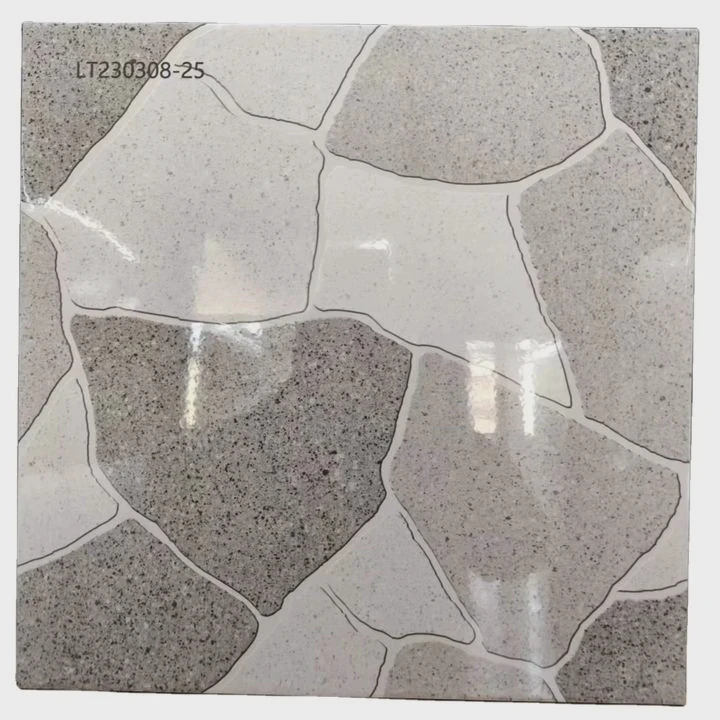
Tiles are naturally smooth and non-porous. Paint alone often struggles to attach securely without proper surface preparation and priming.
Why Tile Surfaces Need Primers
Most ceramic and porcelain tiles resist absorption. This property helps tiles resist stains but also makes direct painting more difficult.
Without primer:
- Paint may peel
- Coatings may chip
- Moisture resistance may weaken
- Surface durability may decrease
Main Benefits of Tile Primers
| Primer Benefit | Why It Matters |
|---|---|
| Improved adhesion | Helps paint bond securely |
| Surface sealing | Creates consistent coverage |
| Moisture resistance | Protects against humidity |
| Better durability | Reduces future peeling |
Types of Primers Used for Tile
Bonding Primers
Designed specifically for glossy and smooth surfaces.
Epoxy Primers
Offer stronger durability for wet areas and floors.
Stain-Blocking Primers
Help prevent old discoloration from showing through.
Surface Preparation Before Priming
Primer performs best when surfaces are properly cleaned and roughened slightly.
Professional installers often:
- Sand glossy surfaces lightly
- Remove grease and soap residue
- Repair cracks
- Vacuum dust completely
Why Sanding Helps Primer Bonding
Light sanding creates microscopic texture on smooth tile surfaces.
This improves:
- Primer grip
- Paint adhesion
- Overall coating durability
Common Problems Caused by Skipping Primer
Peeling Paint
The most common failure in DIY tile painting projects.
Uneven Color
Unprimed surfaces may absorb coatings inconsistently.
Reduced Moisture Resistance
Bathrooms and kitchens face constant humidity exposure.
Why Wet Areas Need Better Primers
Bathrooms, showers, and kitchen backsplashes experience:
- Steam
- Water splashes
- Cleaning chemicals
- Temperature changes
Strong primers help coatings survive these harsh conditions.
Importance of Drying Time
Primer should fully cure before painting begins.
Rushing this step may lead to:
- Weak bonding
- Bubbling
- Soft coating surfaces
Why Professionals Spend More Time on Preparation
Experienced refinishing contractors often say preparation determines most of the final result quality.
Good priming helps painted tile surfaces remain stable and visually attractive for much longer periods.
Which Coatings Ensure Long-Lasting Color Changes?
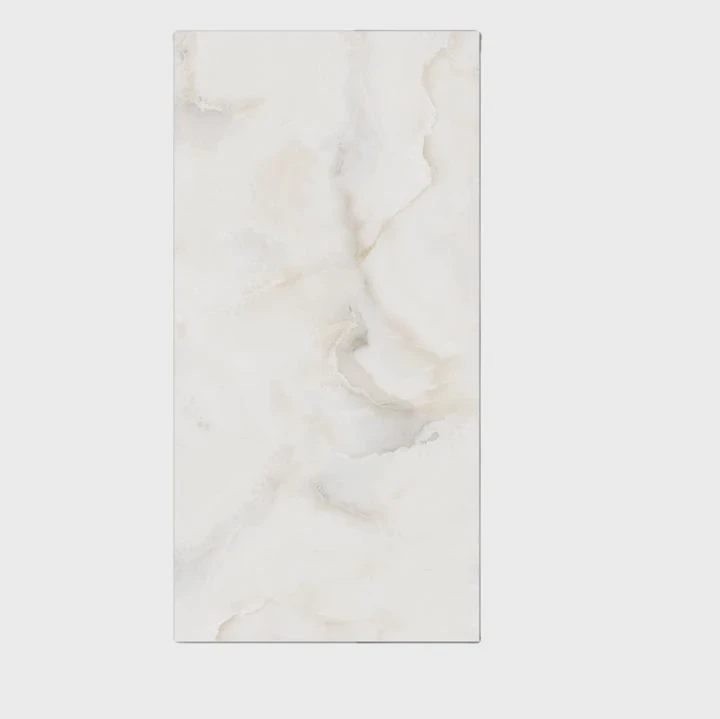
Some tile coatings look good immediately after application but wear down quickly under moisture, cleaning, and foot traffic. Durability depends heavily on coating quality.
Long-lasting tile color changes usually require epoxy coatings, polyurethane sealers, professional tile refinishing systems, and moisture-resistant topcoats designed for high durability.
Not all coatings perform equally. Some products work well for decorative walls, while others are designed for demanding commercial floors and wet environments.
Why Coating Selection Matters
Tiles experience constant exposure to:
- Foot traffic
- Water
- Cleaning products
- Abrasion
- Temperature changes
Weak coatings fail quickly under these conditions.
Common Durable Tile Coating Systems
| Coating Type | Best Use | Durability Level |
|---|---|---|
| Epoxy coating | Floors and wet zones | Very high |
| Polyurethane topcoat | Protective sealing | High |
| Acrylic tile paint | Decorative walls | Medium |
| Professional reglazing system | Bathrooms | High |
| Industrial urethane coating | Commercial projects | Very high |
Why Epoxy Coatings Are Popular
Epoxy creates a thick, hard protective layer over the tile surface.
Main advantages include:
- Strong adhesion
- Water resistance
- Chemical resistance
- Better scratch protection
This makes epoxy useful for bathrooms, laundry rooms, and commercial floors.
Polyurethane Protective Topcoats
Why Topcoats Help
Topcoats protect painted surfaces from wear and moisture.
Additional Benefits
They also improve:
- Stain resistance
- Cleaning performance
- Surface lifespan
Professional Refinishing Systems
Many commercial refinishing companies use multi-layer systems that combine:
- Surface etching
- Bonding primer
- Color coating
- Protective clear coat
These systems usually provide better durability than simple DIY paint kits.
Moisture Resistance and Longevity
Bathrooms and kitchens place much higher stress on coatings because of humidity and water exposure.
Good coatings should resist:
- Steam
- Standing water
- Cleaning chemicals
- Mold growth
Why Thin Coatings Fail Faster
Very thin paint layers wear down more quickly under repeated cleaning and abrasion.
Professional systems often build multiple protective layers to improve long-term performance.
Maintenance After Recoating
Even durable coatings require proper care.
Recommended maintenance includes:
- Avoiding abrasive cleaners
- Using soft cleaning cloths
- Repairing chips quickly
- Reducing standing water
Realistic Lifespan Expectations
Coating lifespan depends on:
- Surface preparation quality
- Product quality
- Installation skill
- Usage level
Well-applied professional coatings may last many years under normal residential use.
Why Professional Application Often Performs Better
Experienced refinishing teams understand:
- Surface chemistry
- Moisture control
- Proper curing conditions
- Layer thickness management
This expertise greatly improves coating durability and final appearance quality.
Conclusion
Changing tile color without replacement is possible through painting, epoxy coatings, reglazing, and professional refinishing systems. Proper preparation, strong primers, and durable protective coatings all play important roles in achieving long-lasting results. With careful product selection and installation, old tiles can gain a fresh modern appearance without expensive demolition work.