How To Repair Cracked Floor Tile Without Replacing?
- Sinotiles
- 2026-05-23
Cracked floor tiles can make an entire room look damaged. Many homeowners worry that replacing tiles will cost too much or require major renovation work.
Small tile cracks can often be repaired without replacement by using fillers, epoxy products, color-matching compounds, and surface refinishing techniques that restore both strength and appearance.
Many cracked tiles do not require full replacement immediately. In residential and commercial projects, repair methods often save time, reduce labor costs, and avoid damaging nearby flooring. The best repair option depends on the crack size, tile condition, and floor movement underneath. Understanding proper repair techniques helps extend floor life and improve appearance without major reconstruction.
What Products Can Fill Cracks in Floor Tiles?
Many people try to hide tile cracks with ordinary caulk or paint. These quick fixes usually fail because floor tiles experience pressure, moisture, and daily wear.
Tile crack repair products include epoxy fillers, ceramic repair compounds, acrylic fillers, color-matching sealants, and touch-up glazes designed to restore strength and appearance.
Choosing the correct repair product matters because different cracks behave differently. Hairline cracks need flexible and fine fillers, while deeper cracks require stronger structural repair compounds.
Commercial flooring projects often use professional-grade repair systems because appearance consistency and durability are important.
Epoxy Fillers
Epoxy fillers are one of the most common tile repair products.
They bond strongly to ceramic and porcelain surfaces and resist moisture well. Many epoxy products also allow sanding and polishing after curing.
Epoxy works especially well for deeper cracks and chipped tile corners.
Acrylic Repair Compounds
Acrylic fillers are easier to apply and clean. They are commonly used for smaller cosmetic cracks.
These products usually dry faster than epoxy but may provide lower long-term durability under heavy foot traffic.
Color-Matching Sealants
Color-matching products help hide visible repair lines.
Some repair kits include pigments that allow better blending with existing tile colors and patterns.
Ceramic Touch-Up Glaze
Glaze coatings restore surface shine after filling repairs.
Without glazing, repaired areas may look dull compared to surrounding tiles.
Flexible Crack Fillers
Some cracks result from slight floor movement. Flexible fillers reduce the risk of future splitting in these situations.
Rigid fillers may crack again if the subfloor continues shifting.
Common Tile Crack Repair Products
| Product Type | Best Use | Main Advantage |
|---|---|---|
| Epoxy filler | Deep cracks | Strong bonding |
| Acrylic filler | Hairline cracks | Easy application |
| Flexible sealant | Moving surfaces | Better flexibility |
| Touch-up glaze | Surface finish | Restore shine |
| Color pigment kits | Appearance blending | Better color match |
Why Product Selection Matters
Different flooring environments create different repair needs.
Bathrooms and kitchens require moisture-resistant products because water exposure can weaken poor-quality repairs.
Commercial buildings often prioritize durability because heavy foot traffic increases stress on repaired areas.
Another important factor involves appearance matching. Gloss level, color tone, and tile texture all affect how visible the repair becomes after completion.
Some imported tiles also use unique surface patterns that make exact color matching difficult. In those cases, experienced installers may combine several repair materials to improve blending.
Choosing the wrong filler may create repairs that fail quickly or remain visually obvious even after completion.
How Can Minor Cracks Be Repaired Effectively?
Small cracks often spread over time if they are ignored. Simple repairs done early can prevent larger and more expensive flooring problems later.
Minor tile cracks can be repaired effectively by cleaning the crack, applying the correct filler, smoothing the surface, matching the color, and sealing the repair properly.
Many minor cracks are cosmetic rather than structural. This means the tile remains stable even though the surface shows visible damage.
Proper repair methods focus on both appearance and durability.
Step 1: Clean the Crack Thoroughly
Dust, grease, and loose particles must be removed before filling begins.
A small brush, vacuum, or compressed air helps clear debris from narrow cracks.
Good adhesion starts with a clean surface.
Step 2: Dry the Area Completely
Moisture trapped inside the crack may weaken bonding materials.
Bathrooms and kitchens often require additional drying time before repair work starts.
Step 3: Apply the Filler Carefully
The filler should enter the crack fully without leaving air pockets.
Plastic applicators or small putty knives help push material deep into the damaged area.
Step 4: Remove Excess Material
Excess filler left on the tile surface may harden unevenly and become highly visible later.
Wiping carefully before curing helps improve the final appearance.
Step 5: Sand and Polish if Needed
Some epoxy repairs require light sanding after curing.
Polishing can help restore smoothness and blend repaired sections with surrounding tiles.
Step 6: Apply Protective Sealers
Sealants improve stain resistance and reduce moisture penetration.
This step becomes especially important in wet environments.
Basic Minor Crack Repair Process
| Repair Step | Main Goal |
|---|---|
| Cleaning | Improve adhesion |
| Drying | Prevent weak bonding |
| Filling | Restore structure |
| Smoothing | Improve appearance |
| Sanding | Blend repair surface |
| Sealing | Protect repair |
Why Early Repair Improves Results
Small cracks are easier to repair because the surrounding tile remains stable.
Once cracks widen, dirt and moisture may enter beneath the tile. This can weaken adhesive layers and increase the chance of larger flooring failure.
In commercial spaces, early repairs also help maintain property appearance. Customers and tenants often notice damaged flooring quickly.
Another important issue involves safety. Cracked tile edges may become sharp or uneven, increasing trip risks in busy areas.
Experienced maintenance teams usually repair minor tile damage quickly because early action reduces future replacement costs.
Many successful repairs depend more on careful preparation and patience than on expensive repair products alone.
Why Avoid Delaying Tile Crack Repairs?
Many property owners ignore small tile cracks because the damage appears minor at first. Yet small cracks often grow into larger structural problems over time.
Delaying tile crack repairs can allow moisture intrusion, adhesive failure, spreading cracks, loose tiles, and higher long-term repair costs.
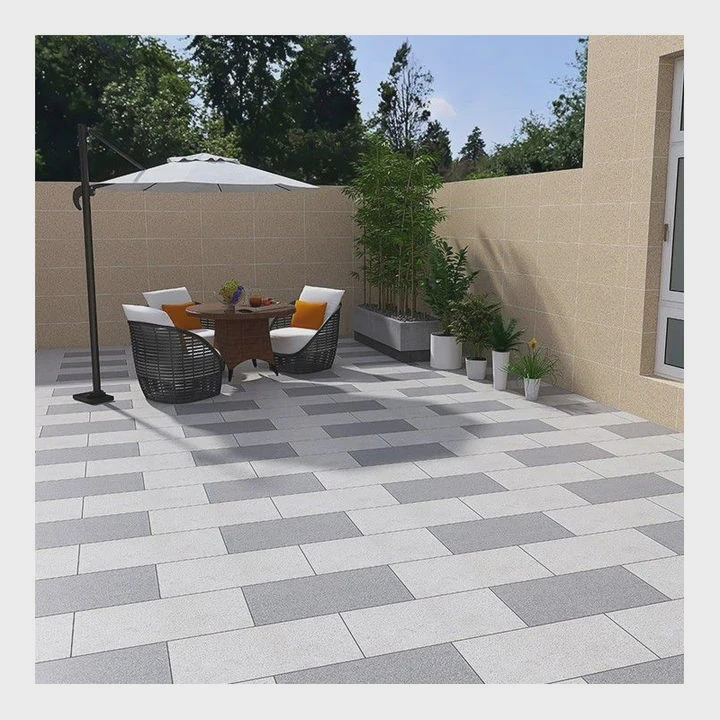
Tile cracks rarely improve on their own. Most flooring damage gradually worsens because of pressure, movement, and moisture exposure.
Quick repairs often prevent more expensive restoration work later.
Moisture Penetration Risks
Cracks allow water to enter beneath the tile surface.
Bathrooms, kitchens, and commercial entrances face especially high moisture exposure.
Over time, trapped moisture may weaken adhesive layers and damage subfloors.
Crack Expansion
Foot traffic places repeated pressure on cracked tiles.
Even hairline cracks may slowly spread across the tile surface under daily use.
Loose Tile Problems
Once adhesive weakens beneath the tile, movement increases.
Loose tiles may eventually crack further or separate from the floor completely.
Appearance Damage
Cracks collect dirt and stains easily.
Darkened crack lines often become more visible over time, especially on light-colored flooring.
Increased Repair Costs
Minor repairs are usually simpler and less expensive than full tile replacement.
Delaying repairs may increase labor costs if surrounding tiles become damaged as well.
Common Problems Caused by Delayed Repairs
| Delayed Issue | Possible Result |
|---|---|
| Moisture entry | Adhesive damage |
| Crack spreading | Larger repairs |
| Loose tiles | Safety risks |
| Dirt buildup | Visible stains |
| Subfloor damage | Structural repairs |
Why Fast Repairs Matter in Commercial Buildings
Commercial flooring systems experience constant traffic from customers, carts, and cleaning equipment.
Small tile damage can spread quickly in busy environments.
Hotels, shopping centers, restaurants, and office buildings often repair cracked flooring immediately to maintain appearance standards.
Another important factor involves liability. Uneven or broken tiles may increase slip and trip hazards in public areas.
Property managers also understand that visible flooring damage affects customer impressions. Worn or damaged floors may make entire spaces appear poorly maintained.
In large commercial projects, preventative maintenance often costs far less than emergency flooring replacement later.
Repair timing strongly affects long-term flooring performance.
Which Techniques Restore Tile Appearance Without Replacement?
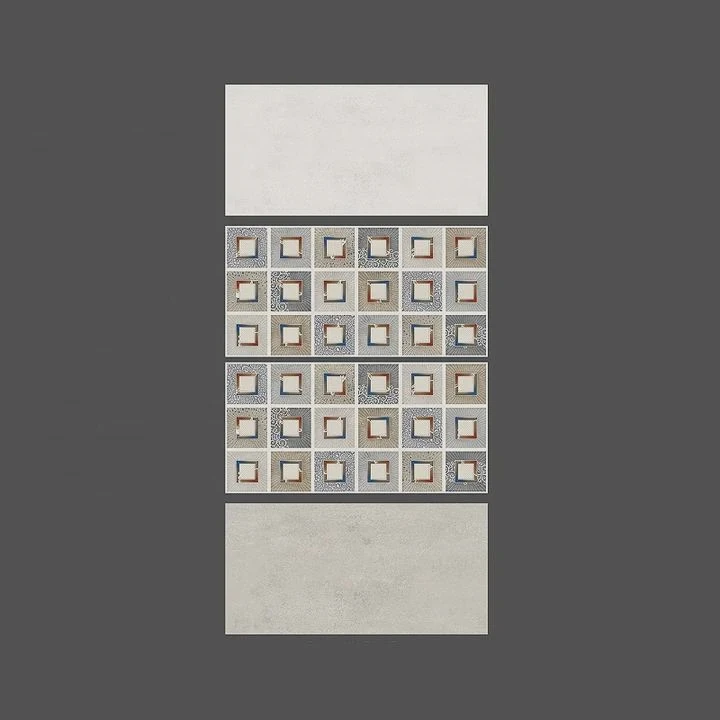
Many cracked tiles remain structurally usable but look unattractive. Proper restoration techniques can improve appearance without removing the tile completely.
Tile appearance can often be restored using color matching, polishing, glazing, refinishing compounds, crack blending methods, and surface touch-up techniques.
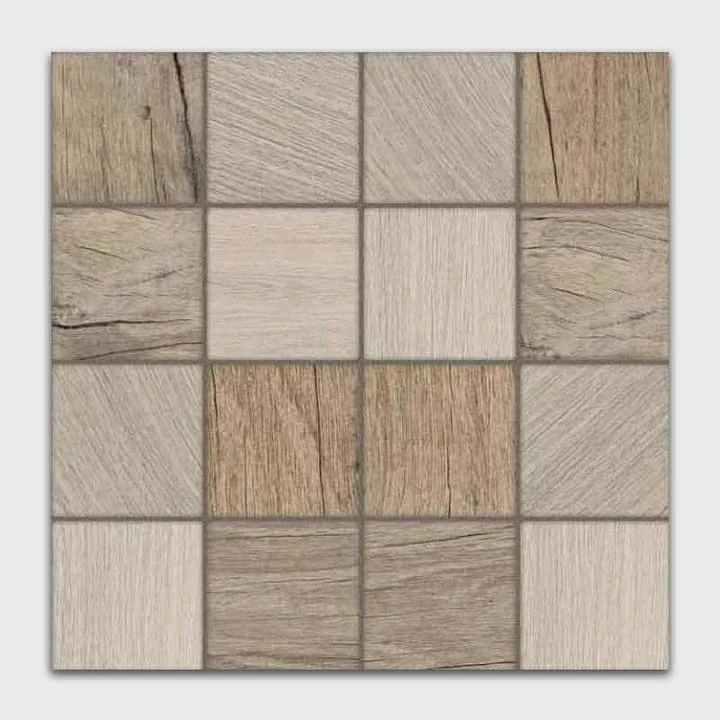
Appearance restoration focuses on making repairs less noticeable while preserving the original flooring system.
Professional repair specialists often combine several methods for better visual blending.
Color Matching Techniques
Matching tile color is one of the most difficult parts of repair work.
Many repair kits include pigments that allow custom color adjustment.
Natural stone-look tiles and patterned porcelain may require layered color blending for realistic results.
Surface Polishing
After fillers cure, polishing smooths rough repair areas.
Polished repairs reflect light more evenly and reduce visible texture differences.
Glaze Restoration
Tiles with glossy finishes may require reglazing after repairs.
Glaze coatings help repaired sections match surrounding shine levels.
Fine Brush Detailing
Small artistic touch-ups can recreate stone veins, speckled patterns, or texture details.
Experienced repair technicians often use very fine brushes for pattern restoration.
Protective Topcoats
Clear sealers help unify surface appearance while protecting repairs from stains and moisture.
Some topcoats also improve scratch resistance.
Common Appearance Restoration Techniques
| Technique | Main Benefit |
|---|---|
| Color blending | Better visual match |
| Polishing | Smooth finish |
| Reglazing | Restore shine |
| Brush detailing | Recreate patterns |
| Protective coating | Improve durability |
Why Appearance Restoration Is Popular
Full tile replacement may create several challenges.
Older tiles are often discontinued, making exact matching difficult. Removing one tile may also damage surrounding flooring during demolition.
Because of this, repair and restoration methods have become more common in residential and commercial projects.
Hotels and luxury apartments especially prefer appearance restoration because it reduces downtime and minimizes disruption for occupants.
Another important advantage involves cost control. Small repairs usually require fewer materials and less labor than complete floor replacement.
Some property owners also prefer restoration because it preserves the original design consistency across large spaces.
Successful restoration depends on patience, careful color work, and attention to surface details. Small adjustments often make the biggest visual difference.
Conclusion
Cracked floor tiles can often be repaired successfully without full replacement. Early repairs, proper fillers, careful surface preparation, and appearance restoration techniques help extend floor life while reducing costs. In many cases, small repairs completed correctly provide durable and visually clean results for both residential and commercial flooring.