How to Choose Bathroom Tile?
- Sinotiles
- 2026-05-25
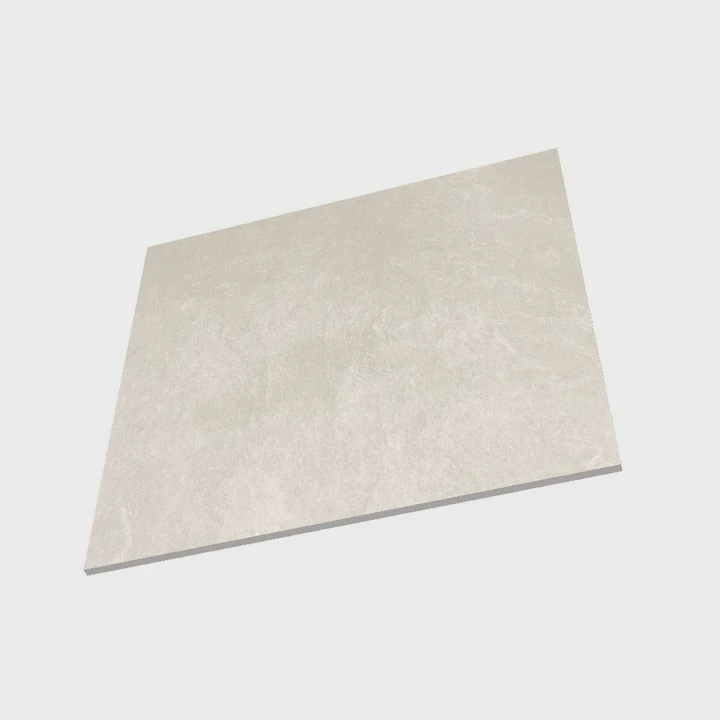
Choosing bathroom tiles can feel confusing. Too many colors, sizes, and materials often lead to costly mistakes and poor results.
The best bathroom tile balances style, durability, water resistance, slip resistance, and easy maintenance. Good tile choices improve safety, comfort, and the long-term value of a bathroom.
Many buyers focus only on appearance at first. Later, they discover problems like slippery floors, difficult cleaning, or tiles that crack too easily. A bathroom works in a wet and humid environment every day. Because of this, tile selection needs more than visual appeal. Size, texture, finish, and material all matter. A smart choice creates a bathroom that looks clean, feels safe, and lasts for many years.
What Factors Should Be Considered When Selecting Tiles?
Choosing the wrong tile can increase maintenance costs and reduce bathroom durability. Many people regret selecting tiles based only on price or color.
Important factors include water resistance, durability, slip resistance, tile size, maintenance needs, style compatibility, and budget. These points help create a bathroom that is practical and visually balanced.
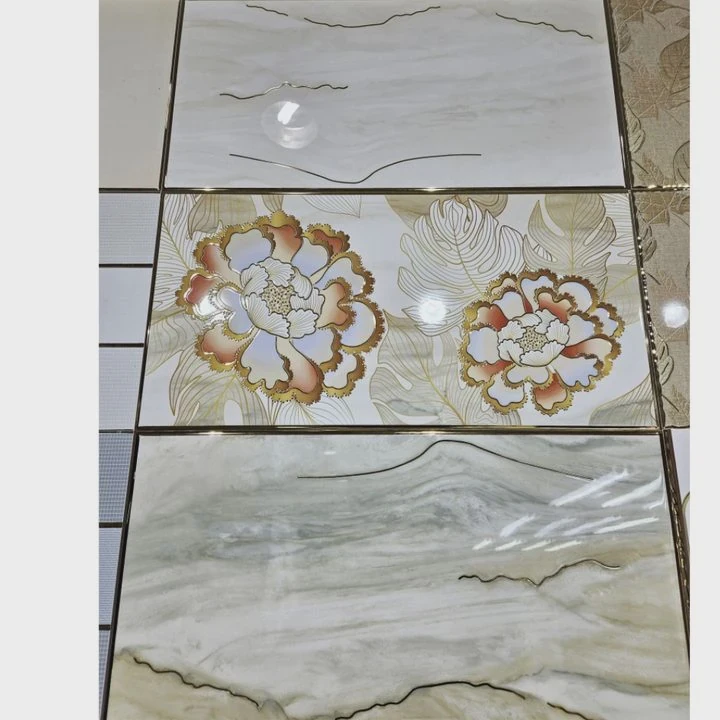
Bathroom tile selection starts with understanding how the space will be used. A family bathroom usually needs stronger and safer flooring than a guest bathroom. Commercial bathrooms also require higher durability because of heavy daily traffic.
Water Resistance Matters
Bathrooms face constant moisture. Water exposure can damage low-quality materials over time. Porous tiles absorb water and may develop stains, mold, or cracks.
Porcelain tiles often perform better because they absorb very little water. Ceramic tiles are also common, but some lower-grade ceramic products absorb more moisture. Natural stone can look beautiful, yet it often needs sealing and more maintenance.
Tile Size Changes the Look
Large-format tiles have become very popular in modern bathrooms. They create fewer grout lines and make small spaces appear larger. Smaller tiles, however, can provide better grip because they create more grout joints.
Here is a simple comparison:
| Tile Size | Main Advantage | Common Use |
|---|---|---|
| Small tiles | Better slip resistance | Shower floors |
| Medium tiles | Balanced appearance | Standard bathrooms |
| Large tiles | Modern clean look | Walls and open floors |
Maintenance Should Not Be Ignored
Some tiles are easy to clean. Others require regular sealing or special care. Glossy finishes may show water spots more clearly. Textured surfaces may trap dirt if the texture is too deep.
Many buyers later realize that low-maintenance tiles save both time and money. For busy households or hotel projects, this becomes very important.
Budget vs Long-Term Value
Cheap tiles may reduce costs at first. Still, poor-quality tiles can chip, fade, or crack after several years. Replacement costs can become much higher than the original savings.
A balanced choice usually works best. Reliable tile suppliers focus on stable quality, accurate sizing, and consistent production. This is especially important for large construction projects where color consistency matters across multiple shipments.
Matching the Bathroom Style
Tiles should also match the overall design theme. A luxury hotel bathroom may use large marble-look porcelain slabs. A family home may prefer warm matte finishes that feel comfortable and safe.
The right balance between function and design creates a bathroom that remains attractive for years instead of following short-term trends only.
How Does Tile Material Affect Bathroom Performance?
Many bathroom problems start with the wrong tile material. Some materials absorb water too easily, while others become difficult to maintain over time.
Tile material directly affects durability, moisture resistance, maintenance, comfort, and overall bathroom lifespan. Porcelain, ceramic, natural stone, and mosaic tiles all perform differently in wet environments.
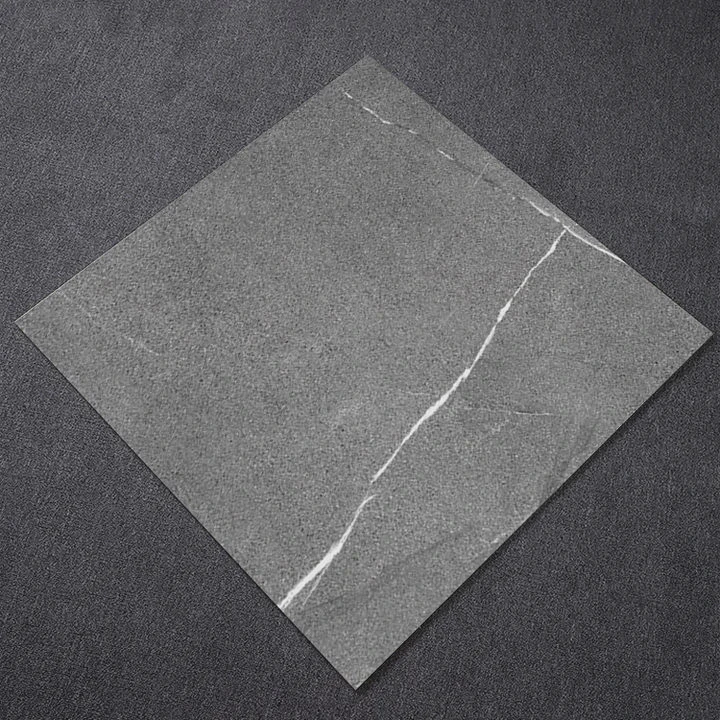
Tile material is one of the most important decisions in bathroom design. Every material has strengths and weaknesses. Understanding these differences helps avoid expensive mistakes later.
Porcelain Tiles
Porcelain tiles are widely used in modern bathrooms because they are dense and highly water resistant. They are made under high pressure and high temperature, which creates a strong surface.
Many builders and contractors choose porcelain for both residential and commercial bathrooms because of its reliability.
Main Benefits of Porcelain
- Low water absorption
- High durability
- Scratch resistance
- Wide design options
- Easy maintenance
Porcelain can also imitate marble, wood, concrete, or natural stone. This gives designers more flexibility while keeping maintenance simple.
Ceramic Tiles
Ceramic tiles are usually more affordable than porcelain. They work well for bathroom walls and light-use floors.
Still, ceramic is generally less dense than porcelain. Some ceramic tiles may chip more easily under heavy impact.
Natural Stone Tiles
Natural stone creates a luxury appearance that many designers love. Marble, travertine, and slate are common choices.
However, stone needs more care.
Common Challenges with Natural Stone
| Material | Advantage | Challenge |
|---|---|---|
| Marble | Elegant appearance | Requires sealing |
| Travertine | Natural texture | Higher water absorption |
| Slate | Good slip resistance | Color variation |
Natural stone often requires sealing to protect against moisture and stains. Without proper care, the surface may lose its appearance over time.
Mosaic Tiles
Mosaic tiles are popular in shower floors and feature walls. Their smaller size creates more grout lines, which improves grip in wet areas.
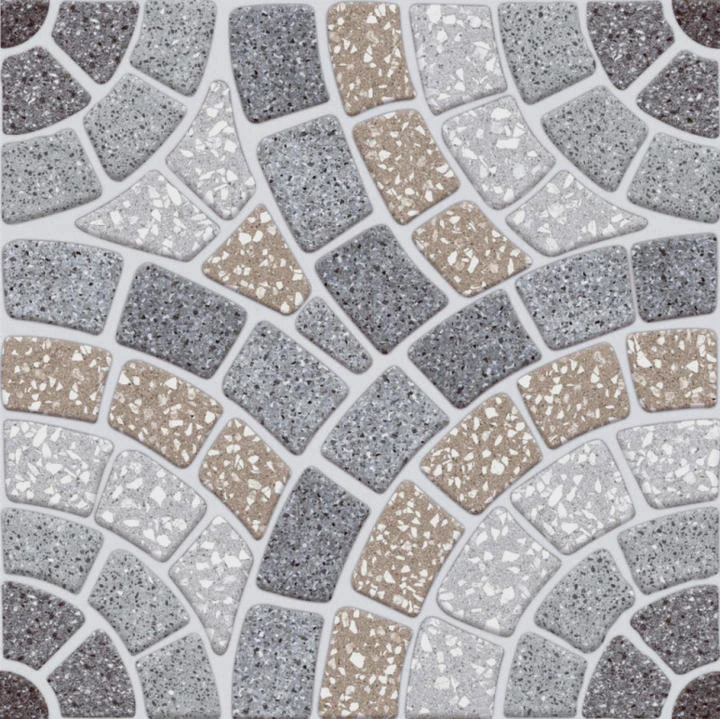
Designers often use mosaics to add visual detail. Glass mosaics can create a bright and modern feeling. Stone mosaics offer a more natural look.
Material and Climate Conditions
Bathroom conditions differ between regions. Humid climates place more stress on tile materials. In some export markets, buyers prefer fully vitrified porcelain because of its long-term durability and stable performance.
Large projects such as hotels, apartments, and shopping centers usually prioritize consistency and low maintenance. Because of this, porcelain remains one of the most requested materials in international markets.
The material decision should always balance appearance, budget, performance, and maintenance expectations.
Why Consider Slip Resistance for Bathroom Tiles?
A beautiful bathroom floor can become dangerous if it gets too slippery. Many accidents happen because buyers ignore tile surface safety.
Slip resistance helps reduce the risk of falls in wet bathroom areas. Matte finishes, textured surfaces, and mosaic layouts usually provide better grip than polished surfaces.
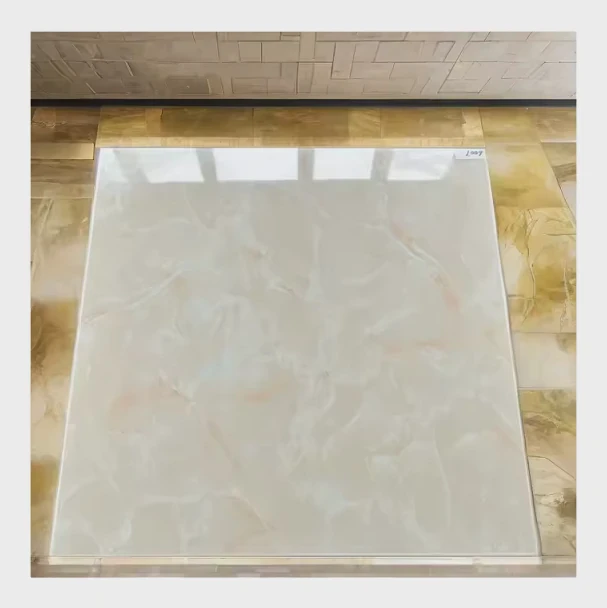
Slip resistance is often overlooked during bathroom design. Many people focus heavily on color and style but forget that bathrooms are constantly exposed to water, soap, and humidity.
This becomes even more important in homes with children, elderly family members, or hotel guests.
Understanding Tile Surface Finishes
Different tile finishes provide different levels of traction.
Polished Tiles
Polished surfaces reflect light beautifully and create a luxury appearance. Still, they can become slippery when wet.
Many designers avoid polished tiles on shower floors for this reason.
Matte Tiles
Matte finishes provide better grip because the surface creates more friction. They are also easier to maintain because water spots and fingerprints appear less visible.
Textured Tiles
Textured tiles improve safety further. Their uneven surface increases traction in wet conditions.
However, extremely rough textures may trap dirt and become harder to clean. Balance is important.
Slip Resistance Ratings
Many professional buyers check slip resistance ratings before placing large orders. Different countries use different testing standards.
Here is a simplified guide:
| Surface Type | Slip Resistance Level | Common Bathroom Use |
|---|---|---|
| Polished | Low | Decorative walls |
| Matte | Medium | Bathroom floors |
| Textured | High | Shower areas |
Why Mosaic Tiles Improve Safety
Mosaic tiles are common in shower floors because their many grout joints increase grip. Even smooth mosaic surfaces often perform better than large polished tiles.
This is one reason many hotels and spas use mosaics in wet zones.
Safety and Long-Term Comfort
Slip resistance is not only about accident prevention. It also affects daily comfort. People naturally feel more secure walking on stable surfaces.
In commercial projects, poor flooring choices may also create legal risks or maintenance complaints.
Balancing Safety and Design
Some buyers worry that safer tiles may not look modern. Today, many manufacturers produce stylish matte and textured porcelain designs that combine beauty with safety.
Wood-look porcelain, stone-look finishes, and soft concrete textures have become popular because they provide both visual appeal and practical performance.
Good bathroom design should never force people to choose between appearance and safety. Both should work together.
Which Styles Suit Modern Bathroom Designs?
Many bathrooms look outdated quickly because they follow short-term trends without considering timeless design elements.
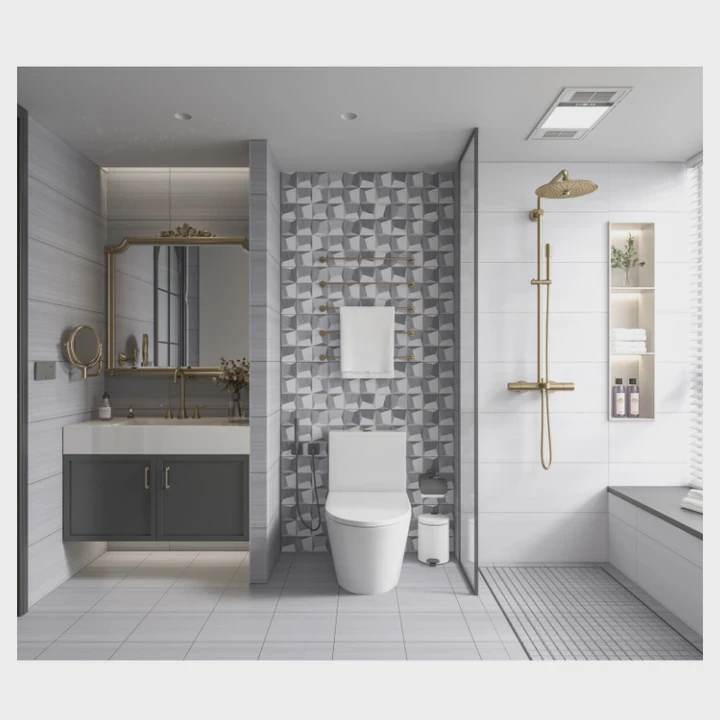
Modern bathroom tile styles often include large-format tiles, neutral colors, stone-look surfaces, matte finishes, and minimalist layouts that create a clean and spacious feeling.
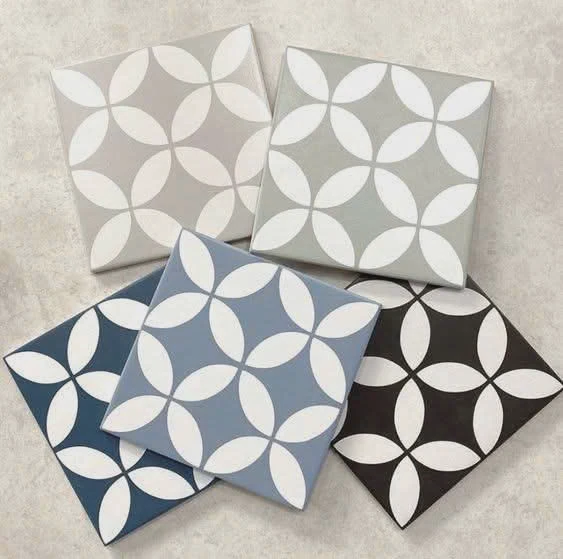
Modern bathroom design has changed a lot during the past decade. People now prefer cleaner spaces with fewer visual distractions. Simplicity has become more important than excessive decoration.
Large-Format Tiles Create Space
Large tiles are one of the biggest trends in modern bathrooms. They reduce grout lines and create a seamless appearance.
This style works especially well in small bathrooms because continuous surfaces make the room feel larger.
Common modern sizes include:
- 600x1200mm
- 750x1500mm
- 900x1800mm
- Large porcelain slabs
These sizes are widely used in luxury homes, hotels, and commercial projects.
Neutral Colors Stay Popular
Modern bathrooms usually use calm and natural colors.
Popular choices include:
- White
- Light grey
- Beige
- Sand tones
- Soft concrete shades
Neutral colors create a relaxing atmosphere and match many interior styles.
Marble-Look Porcelain
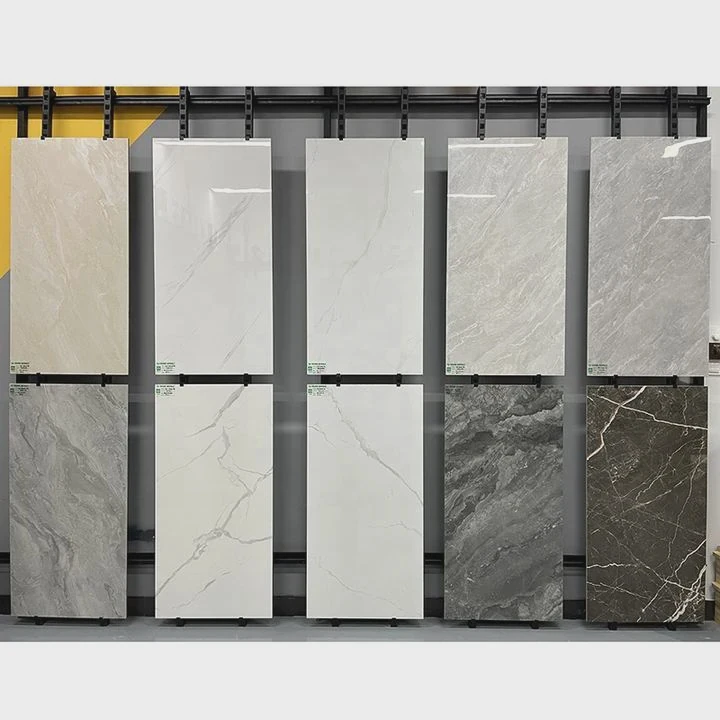
Natural marble remains beautiful, but many buyers now choose marble-look porcelain instead.
Why Marble-Look Porcelain Is Popular
- Lower maintenance
- Better stain resistance
- More affordable
- Consistent patterns
- Easier installation
Advanced digital printing technology now allows porcelain tiles to imitate real marble very closely.
Wood-Look Bathroom Tiles
Wood-look porcelain tiles have also become very popular. They bring warmth into modern bathrooms while keeping the water resistance of porcelain.
Unlike real wood, porcelain does not easily warp in humid conditions.
Minimalist Design Philosophy
Modern bathroom design often follows minimalist principles.
Common Modern Design Features
| Design Element | Effect |
|---|---|
| Fewer grout lines | Cleaner appearance |
| Matte surfaces | Softer visual effect |
| Neutral colors | Calm atmosphere |
| Large slabs | Luxury feeling |
This approach creates bathrooms that feel organized and timeless.
Mixing Textures
Many designers now combine different textures instead of using one tile everywhere.
For example:
- Matte floor tiles
- Stone-look shower walls
- Mosaic accent strips
- Concrete-look vanity walls
This creates visual depth without making the space feel crowded.
Commercial and Global Trends
International buyers often look for designs that work across multiple markets. Neutral and natural styles usually perform best because they appeal to a wider audience.
Hotels, apartment developers, and retailers often prefer collections that combine modern appearance with stable long-term demand.
Very bold colors or unusual patterns may become outdated quickly. Because of this, many large projects focus on timeless finishes that remain attractive for many years.
Conclusion
Choosing bathroom tiles requires more than selecting attractive colors. Material, slip resistance, durability, maintenance, and style all influence long-term performance. A smart tile choice creates a bathroom that feels safe, modern, easy to maintain, and visually appealing for many years.