How to Make a Mosaic Tile?
- Sinotiles
- 2026-05-25
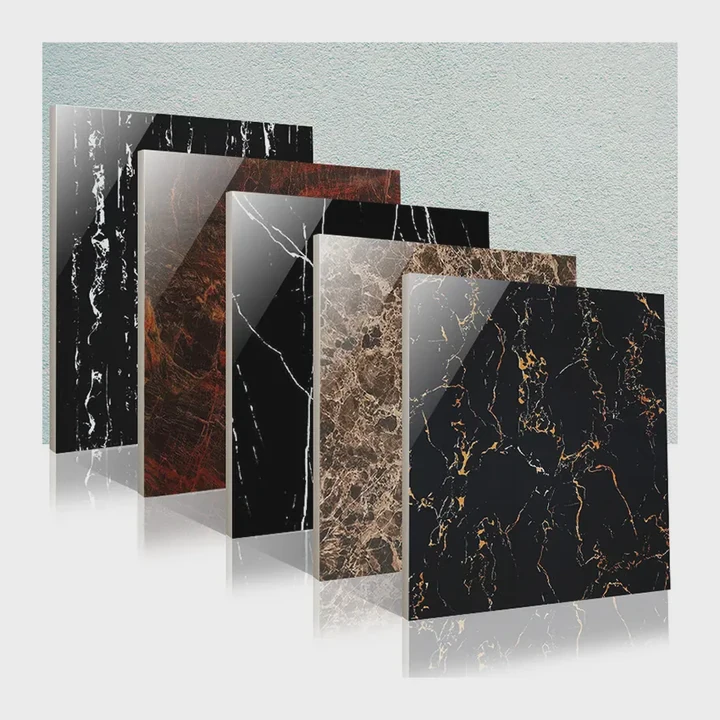
Creating mosaic tiles may look hard at first. Many beginners worry about broken pieces, bad layouts, and weak bonding that falls apart later.
Mosaic tile making becomes simple when the right materials, design plan, mesh backing, and installation steps are used together. A clear process helps create durable and attractive mosaic tiles for walls, floors, kitchens, bathrooms, and decorative projects.
Many buyers and project owners ask about mosaic production because they want better quality control and more custom design options. In large building projects, mosaic tiles are not only decorative. They also affect durability, maintenance cost, and long-term appearance. That is why understanding the full process matters before production starts.
What Materials Are Needed for Mosaic Tile Creation?
Making mosaic tiles without proper materials often leads to uneven surfaces, weak bonding, and color mismatch. These small mistakes can ruin the final look and reduce product life.
Mosaic tile creation needs base tiles, tile cutters, adhesive, grout, mesh backing, spacers, safety tools, and a solid surface. Material quality directly affects the appearance, strength, and installation performance of mosaic tiles.
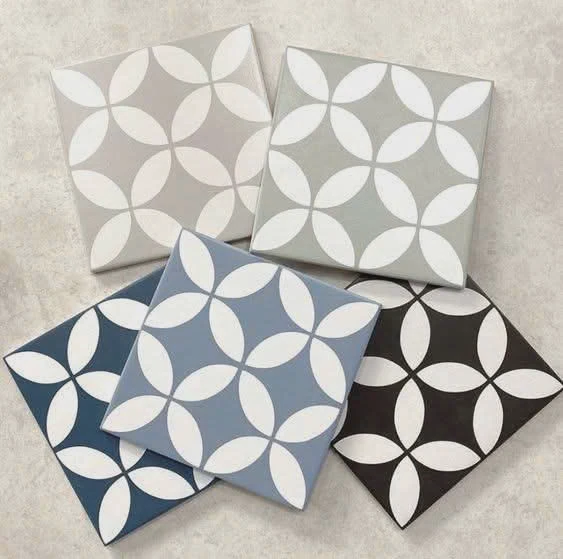
Mosaic production starts with selecting the correct raw materials. Different projects require different tile types. Residential kitchens often use glossy glass mosaics. Commercial projects may prefer porcelain mosaics because they resist wear and moisture better.
Common Materials Used in Mosaic Tile Production
| Material | Purpose | Common Choice |
|---|---|---|
| Porcelain tile pieces | Main decorative surface | Durable and water resistant |
| Glass pieces | Decorative effects | Reflective finish |
| Mesh backing | Holds tiles together | Flexible fiberglass mesh |
| Tile adhesive | Bonding material | Cement-based adhesive |
| Grout | Filling gaps | Sanded or unsanded grout |
| Tile cutter | Shape adjustment | Hand cutter or wet saw |
| Protective gloves | Safety | Cut-resistant gloves |
The base tile material matters a lot. Porcelain mosaics are popular in export markets because they absorb less water and perform well in humid areas. Glass mosaics are beautiful, but they need careful handling during cutting and transportation.
Choosing the Right Tile Size
Smaller pieces create more detailed patterns. Larger pieces reduce labor cost. Many commercial buyers select sizes based on installation speed and project budget.
Here are common mosaic sizes:
| Mosaic Size | Common Application |
|---|---|
| 15x15mm | Artistic wall decoration |
| 23x23mm | Bathroom walls |
| 48x48mm | Swimming pools |
| 100x100mm | Feature walls |
In many factory projects, mesh-mounted sheets improve loading efficiency and reduce installation time. This becomes very important for large hotel projects or apartment construction.
Surface Selection Matters
Some surfaces need anti-slip performance. Others focus more on decoration. Matte mosaics often work better for wet floors. Glossy mosaics fit kitchen backsplashes and indoor walls.
A few years ago, one overseas buyer requested polished mosaics for a pool floor project. The design looked beautiful in photos. Still, after testing, the surface became too slippery when wet. The final order changed to matte porcelain mosaics with anti-slip texture. That adjustment avoided future safety complaints.
Tools Also Affect Quality
Cheap cutting tools create rough edges. Poor adhesives may crack after temperature changes. Strong production control is important during every step.
Professional factories usually test:
- Water absorption
- Surface hardness
- Color consistency
- Mesh bonding strength
- Chemical resistance
These tests help ensure stable quality for long-term projects.
How Can Patterns Be Designed for Mosaics?
Many mosaic projects fail because the pattern looks confusing or unbalanced. A bad design can waste material and increase production cost.
Good mosaic patterns combine color balance, tile size planning, spacing control, and installation practicality. Clear design layouts help improve production efficiency and final visual impact.
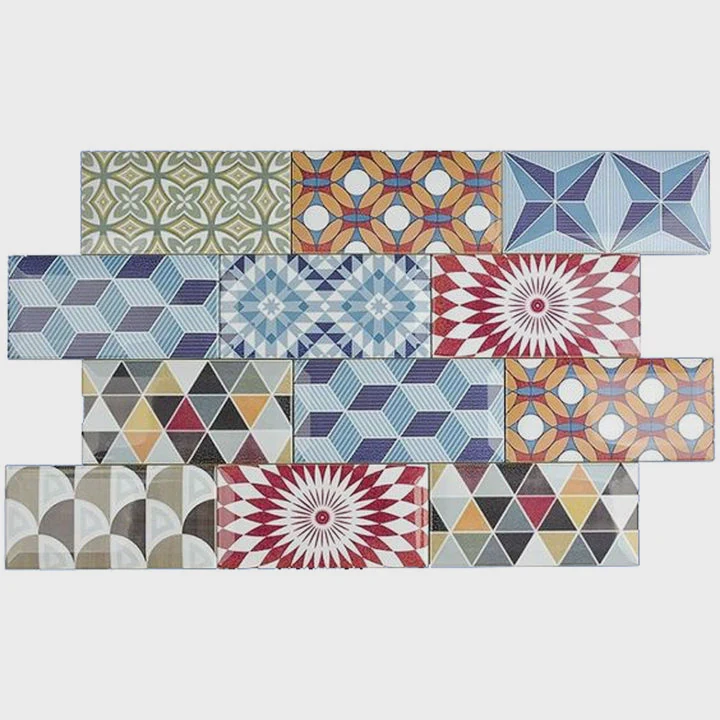
Pattern design is one of the most creative parts of mosaic production. Still, creativity alone is not enough. A design must also work well during cutting, mounting, shipping, and installation.
Start With the Application Space
Different spaces require different design styles.
- Hotels often choose luxury geometric mosaics
- Residential kitchens prefer clean modern layouts
- Swimming pools use flowing blue gradients
- Commercial malls may use large artistic murals
The environment affects color and texture selection.
Common Mosaic Pattern Types
| Pattern Type | Features | Typical Use |
|---|---|---|
| Grid pattern | Clean and simple | Bathrooms |
| Brick pattern | Offset layout | Kitchen backsplash |
| Hexagon pattern | Modern appearance | Feature walls |
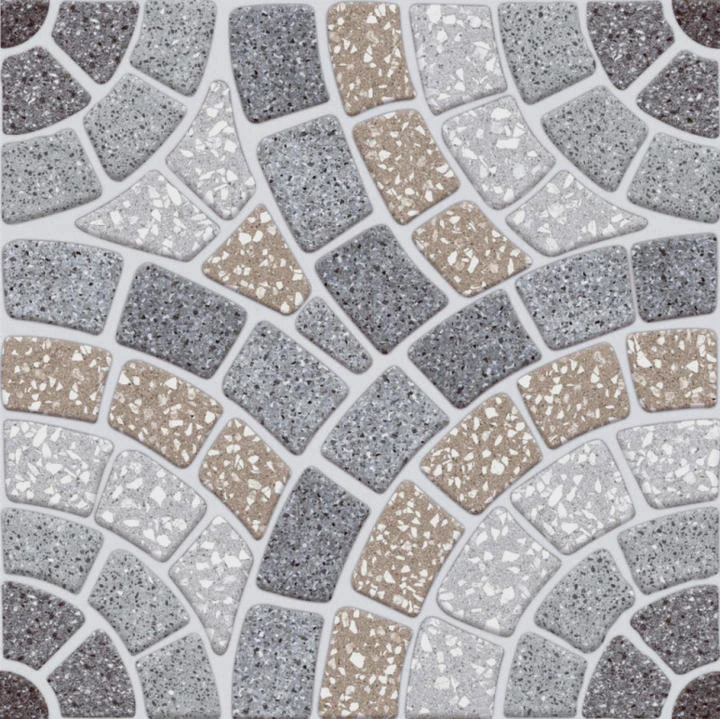
| Random mix | Artistic effect | Decorative spaces |
| Gradient pattern | Smooth color transition | Pools |
Color matching is critical. Some factories use digital simulation before production. This helps customers preview the final result.
Balance Between Beauty and Production
Complex patterns increase labor cost. Very detailed artistic mosaics require more cutting and sorting work.
Large export orders often simplify patterns slightly to improve production speed while keeping visual appeal. This balance helps reduce waste and maintain stable delivery schedules.
Tile Size Influences Visual Effect
Small mosaics create more detail. Large mosaics create cleaner lines. Mixing different sizes can add texture and depth.
For example:
- Small glass chips create sparkle
- Large porcelain pieces improve stability
- Stone inserts create natural contrast
A smart combination often produces better results than using only one material.
Digital Design Improves Accuracy
Modern factories now use computer software to create layout maps. These systems calculate:
- Tile quantity
- Color ratio
- Sheet dimensions
- Installation sequence
This reduces production errors and helps installers follow the pattern correctly onsite.
Pattern Simplicity Often Wins
Some customers think more complicated designs always look better. In reality, simple patterns often age better over time.
One commercial buyer once selected an extremely complex mosaic mural for a shopping center. After reviewing installation cost and maintenance difficulty, the final design changed into a cleaner geometric style. The project saved installation time and still achieved a premium look.
Good mosaic design always considers both beauty and practical use.
Why Use Mesh Backing for Mosaic Tiles?
Loose mosaic pieces are difficult to transport and install. Without proper backing, alignment problems happen easily during construction.
Mesh backing keeps mosaic pieces aligned, improves installation speed, reduces labor cost, and increases transportation stability. It also helps maintain consistent spacing between tiles during large projects.
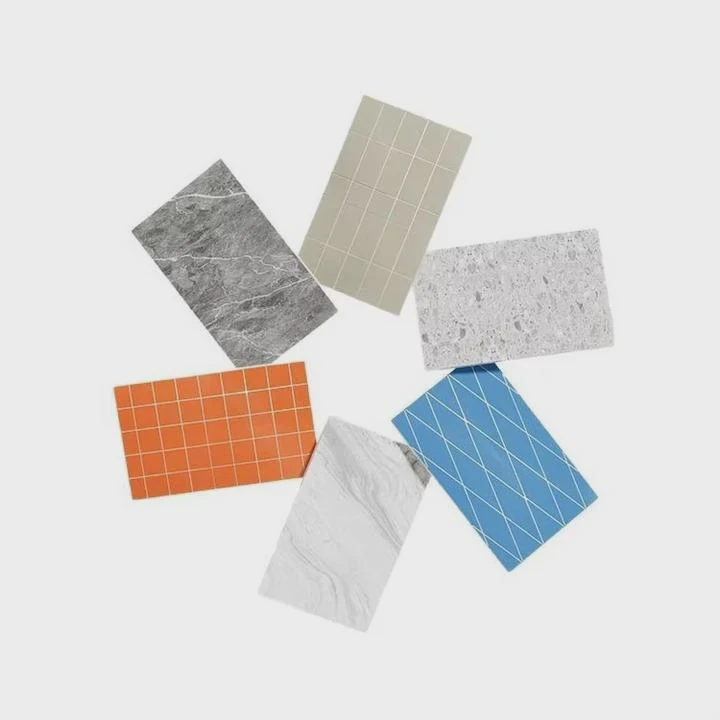
Mesh backing has become standard in modern mosaic production. Before mesh systems became common, installers had to place individual pieces by hand. That process consumed too much time.
Today, mesh-mounted mosaics improve efficiency for both factories and construction teams.
How Mesh Backing Works
Small tile pieces are attached to fiberglass mesh using glue. The mesh holds the pattern together while still allowing flexibility.
Installers can then place full sheets onto walls or floors instead of installing pieces one by one.
Benefits of Mesh Backing
| Benefit | Explanation |
|---|---|
| Faster installation | Large sheets install quickly |
| Better alignment | Uniform spacing control |
| Easier transportation | Tiles stay organized |
| Flexible cutting | Sheets adjust around corners |
| Lower labor cost | Reduced installation time |
This system becomes very useful in hotel projects, apartment buildings, and commercial developments where speed matters.
Fiberglass Mesh Is Common
Most factories use fiberglass mesh because it resists moisture and maintains flexibility. Good mesh should bond strongly while remaining easy to cut onsite.
Poor-quality mesh creates several problems:
- Tiles detach during shipping
- Uneven spacing appears
- Adhesive failure happens later
- Installation becomes difficult
Because of this, experienced suppliers pay close attention to glue quality and mesh durability.
Mesh Position Also Matters
Different projects may use front-mounted or back-mounted mesh systems.
Back-Mounted Mesh
- Most common method
- Mesh attached behind tiles
- Easier installation
Front-Mounted Paper
- Used for special patterns
- Paper attached on front surface
- Removed after installation
Complex artistic murals sometimes use front-mounted systems because they provide better pattern control during installation.
Mesh Improves Export Efficiency
For international shipping, stable packaging is very important. Mesh sheets reduce movement inside cartons and lower breakage rates during transportation.
Many overseas buyers focus heavily on loading safety because damaged mosaics create project delays.
One contractor from the Middle East once explained that replacing broken loose mosaics onsite cost more than the product itself. After switching to reinforced mesh-mounted sheets, breakage rates dropped significantly during container transport.
Adhesive Compatibility Is Important
Mesh glue should not block cement bonding during installation. High-quality mesh systems allow mortar to pass through and secure tiles firmly onto surfaces.
Factories usually test mesh bonding under:
- Humidity
- Heat
- Water exposure
- Long-term storage
This helps ensure the sheets remain stable before installation.
Which Steps Ensure Durable Mosaic Assembly?
Many mosaic installations look good at first but fail after several months. Cracking, water damage, and loose pieces usually come from poor assembly methods.
Durable mosaic assembly requires surface preparation, quality adhesive, proper spacing, strong bonding, correct grouting, and curing control. Every installation step affects long-term performance and appearance.
Durability is one of the biggest concerns in mosaic projects. Beautiful products lose value quickly if they crack or detach after installation.
Strong assembly begins long before the tiles reach the wall or floor.
Surface Preparation Comes First
The substrate must be:
- Clean
- Dry
- Flat
- Structurally stable
Uneven surfaces create stress points that may later crack the mosaic sheets.
Moisture problems also damage bonding strength. This becomes especially important in bathrooms, swimming pools, and outdoor areas.
Choosing the Right Adhesive
Different mosaic materials need different adhesives.
| Mosaic Type | Recommended Adhesive |
|---|---|
| Glass mosaic | White thin-set adhesive |
| Porcelain mosaic | Cement-based adhesive |
| Pool mosaic | Waterproof adhesive |
| Stone mosaic | Flexible adhesive |
Flexible adhesives help absorb small structural movements and temperature changes.
Proper Tile Spacing Matters
Consistent spacing improves both appearance and stress distribution.
Installers often use spacers to maintain uniform gaps. Uneven spacing creates weak points and poor visual balance.
Large commercial projects usually follow strict installation standards to maintain consistency across thousands of square meters.
Grouting Protects the Installation
Grout is not only decorative. It also protects against water penetration and dirt accumulation.
Epoxy grout offers strong chemical resistance and works well in swimming pools and commercial kitchens. Cement grout is more economical for residential projects.
Curing Time Should Not Be Ignored
Many failures happen because surfaces are used too early.
Adhesive and grout need proper curing time before exposure to water or heavy traffic. Fast installation schedules sometimes pressure contractors to skip this step, but long-term durability suffers later.
Quality Control During Production
Professional manufacturers usually inspect:
- Tile thickness consistency
- Bonding strength
- Flatness
- Color variation
- Mesh stability
This helps reduce installation problems onsite.
Packaging Also Affects Durability
Poor packaging can damage edges during transportation. Strong cartons and protective separators reduce breakage risk.
For export orders, container loading methods matter too. Incorrect stacking pressure may crack mosaic sheets before arrival.
One hotel project required replacement shipments because the original supplier used weak packaging materials. After switching to reinforced cartons and foam protection, transportation damage reduced sharply.
Long-Term Maintenance Planning
Durability also depends on future maintenance.
Good mosaic systems should resist:
- Water
- Stains
- Cleaning chemicals
- Temperature changes
- Daily wear
High-quality porcelain mosaics usually provide better long-term performance in high-traffic areas compared with low-density ceramic materials.
Conclusion
Mosaic tile production combines material selection, smart design, mesh backing, and careful assembly. Each step affects durability, appearance, and installation efficiency. Strong production control and practical design choices help create mosaic tiles that perform well in both residential and commercial projects.