How to Clean Grout on Tile Floor?
- Sinotiles
- 2026-03-10
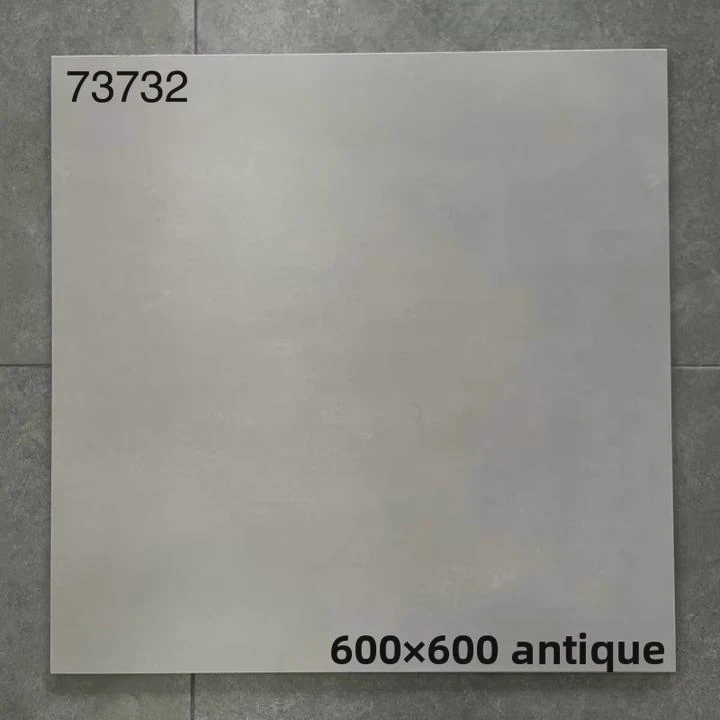
Tile floors often stay beautiful for years, yet grout lines quickly turn dark and dirty. Many homeowners mop regularly but still see stains that refuse to disappear.
Cleaning grout on a tile floor requires the right cleaning products, proper scrubbing techniques, stain removal methods, and sealing protection. When done correctly, grout lines return to their original color and stay cleaner for much longer.
Grout is porous. Dirt, grease, and moisture slowly enter the tiny pores. Over time, this buildup causes discoloration and stubborn stains. Understanding the correct cleaning approach helps restore grout without damaging the tile surface.
Which household products clean grout effectively?
Many people assume grout requires expensive specialty cleaners. In reality, several simple household products can clean grout very effectively when used correctly.
Common household products that clean grout include baking soda, vinegar, hydrogen peroxide, dish soap, and oxygen bleach. These cleaners break down dirt, grease, and mild stains while remaining safe for most tile surfaces.
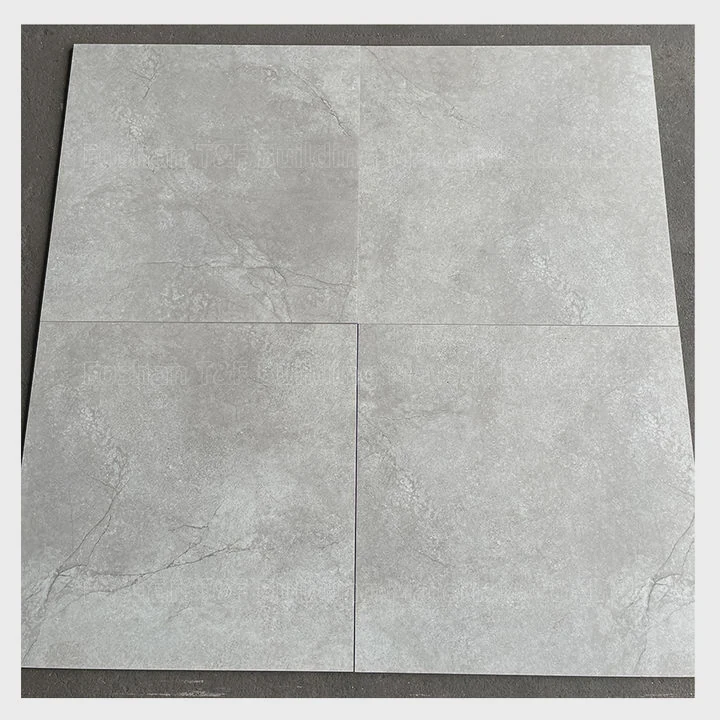
Why grout gets dirty so easily
Grout contains cement and fine minerals. These materials create small pores that absorb moisture and dirt. Over time, several substances build up inside grout lines:
- Soap residue
- Cooking grease
- Foot traffic dirt
- Hard water minerals
- Mold and mildew
Regular mopping often cleans the tile surface but leaves these materials trapped inside grout pores.
Most effective household grout cleaners
Several common kitchen or laundry products work well for grout cleaning.
| Household Product | Cleaning Strength | Best For |
|---|---|---|
| Baking soda | Mild abrasive | Everyday dirt |
| White vinegar | Acidic cleaner | Soap residue and mineral deposits |
| Hydrogen peroxide | Oxidizing cleaner | Mold and stains |
| Dish soap | Degreaser | Kitchen grease |
| Oxygen bleach | Deep stain removal | Heavy discoloration |
These products are inexpensive and widely available.
Baking soda paste method
One of the most popular methods uses baking soda.
Steps include:
- Mix baking soda with small amounts of water.
- Create a thick paste.
- Spread the paste over grout lines.
- Let it sit for 10 minutes.
- Scrub gently with a brush.
Baking soda works as a mild abrasive. It lifts dirt without scratching tile surfaces.
Vinegar spray technique
White vinegar dissolves mineral buildup.
However, vinegar should only be used on ceramic or porcelain tiles. Natural stone tiles like marble or travertine can be damaged by acids.
Simple process:
- Spray vinegar onto grout
- Wait 5–10 minutes
- Scrub lightly
- Rinse with warm water
Hydrogen peroxide stain removal
Hydrogen peroxide works well for mold or dark stains.
Mixing hydrogen peroxide with baking soda forms a powerful cleaning paste.
Benefits include:
- Whitening grout lines
- Killing bacteria
- Breaking down organic stains
Many homeowners use this mixture for bathroom floors and shower tiles.
Safety tips for household cleaners
Even simple cleaners should be used carefully.
Important guidelines:
- Avoid mixing vinegar with bleach
- Test cleaners on a small hidden area
- Use soft or medium brushes to avoid grout damage
- Rinse floors after cleaning
Consistent cleaning with gentle products usually keeps grout looking bright without heavy chemical cleaners.
How to remove deep-set grout stains?
Some grout stains penetrate deeply into the grout material. Simple wiping or light cleaning may not remove these marks.
Deep-set grout stains can be removed by using oxygen bleach, hydrogen peroxide mixtures, steam cleaning, or professional grout cleaning solutions that penetrate the grout pores and lift embedded dirt.

Types of deep grout stains
Different stains require different cleaning strategies.
Common deep stains include:
- Mold and mildew
- Grease buildup
- Coffee or food spills
- Hard water deposits
- Foot traffic grime
These stains usually develop after months or years of neglect.
Oxygen bleach treatment
Oxygen bleach is stronger than baking soda but still relatively safe.
It works by releasing oxygen molecules that break down stain particles.
Steps:
- Mix oxygen bleach with warm water.
- Pour the solution over grout lines.
- Let it soak for 15 minutes.
- Scrub gently with a grout brush.
- Rinse thoroughly.
Oxygen bleach is effective because it penetrates the grout pores.
Steam cleaning for grout
Steam cleaning is another powerful method.
High-temperature steam loosens dirt that normal cleaning cannot reach.
Advantages include:
- No chemicals required
- Deep penetration
- Effective mold removal
Steam cleaners push hot vapor into grout pores, lifting trapped dirt to the surface.
Professional grout cleaners
Some commercial cleaners contain stronger ingredients designed for deep stains.
These cleaners often include:
- Alkaline detergents
- Surfactants
- Oxygen-based bleach
However, strong chemicals must be used carefully to avoid discoloring grout or damaging nearby materials.
When stains cannot be removed
Sometimes grout becomes permanently stained.
This usually happens when:
- Stains penetrate very deeply
- Grout was never sealed
- Mold grows inside porous grout
In these cases, two solutions exist:
- Grout recoloring products
- Complete grout replacement
Recoloring products apply a pigment layer that restores the grout appearance.
Preventing future deep stains
Deep cleaning should not become a regular task.
Better prevention methods include:
- Weekly light cleaning
- Immediate spill cleanup
- Proper ventilation in bathrooms
- Grout sealing protection
These habits prevent stains from becoming permanent.
Can sealing grout prevent dirt buildup?
Grout sealing is one of the most effective ways to protect tile floors. Many people overlook this step during installation or maintenance.
Sealing grout prevents dirt buildup by filling the microscopic pores inside grout. The sealer creates a protective barrier that reduces moisture absorption, stain penetration, and mold growth.

Why grout needs sealing
Unsealed grout behaves like a sponge. It absorbs liquids, oils, and dirt very quickly.
This absorption causes:
- Dark grout lines
- Mold growth
- Permanent stains
- Difficult cleaning
Sealing grout reduces these problems significantly.
Types of grout sealers
Two main categories of grout sealers exist.
| Sealer Type | Protection Level | Appearance |
|---|---|---|
| Penetrating sealer | High | Natural look |
| Surface sealer | Moderate | Slight sheen |
Penetrating sealers soak into the grout and create protection inside the pores.
Surface sealers form a thin protective film on top of the grout.
How grout sealing works
Sealers contain special molecules that repel water and oil.
Once applied, the grout becomes resistant to:
- Water absorption
- Food spills
- Soap residue
- Dirt particles
This protection makes future cleaning much easier.
How often grout should be sealed
The lifespan of grout sealers varies.
Typical recommendations include:
- Every 1–2 years for high traffic areas
- Every 2–3 years for low traffic rooms
Bathrooms and kitchens usually require more frequent sealing because of moisture exposure.
Basic grout sealing process
Sealing grout is relatively simple.
Steps include:
- Clean grout thoroughly
- Allow grout to dry completely
- Apply sealer along grout lines
- Wait for penetration
- Wipe excess from tile surface
Many sealers come with applicator tips that make this process easier.
Signs grout needs resealing
Grout may need resealing when:
- Water darkens grout quickly
- Dirt sticks easily
- Cleaning becomes harder
A simple water test can confirm this. If water absorbs quickly into grout, sealing protection has worn off.
Proper sealing dramatically reduces maintenance effort and keeps tile floors looking clean for many years.
Are electric brushes better than manual scrubbing?
Scrubbing grout by hand can be tiring, especially for large tile floors. Electric cleaning tools have become increasingly popular for this task.
Electric brushes can clean grout more efficiently than manual scrubbing because they provide consistent pressure, faster rotation, and reduced physical effort. However, manual brushes still work well for small areas and delicate grout lines.
How electric grout brushes work
Electric brushes use small motors to rotate or oscillate the brush head.
This motion helps remove dirt from grout pores more effectively than hand scrubbing.
Common features include:
- Rotating brush heads
- Rechargeable batteries
- Multiple brush attachments
- Adjustable speeds
These tools are commonly used for bathroom and kitchen cleaning.
Advantages of electric brushes
Electric scrubbers offer several benefits.
Faster cleaning
The rotating motion removes dirt quickly.
Large floors can be cleaned in much less time.
Reduced physical effort
Manual scrubbing requires pressure and repetitive movement.
Electric tools handle most of the work.
Consistent pressure
Electric brushes maintain steady pressure across grout lines.
This consistency improves cleaning results.
Limitations of electric scrubbers
Despite their advantages, electric brushes are not perfect.
Possible drawbacks include:
- Higher initial cost
- Battery charging requirements
- Limited control in tight spaces
In very narrow grout joints, manual brushes may still work better.
Manual brush advantages
Manual grout brushes remain useful in many situations.
Benefits include:
- Low cost
- Easy storage
- Precise control
- No electricity needed
Many homeowners keep both tools available.
Choosing the right brush type
Brush stiffness is important for safe grout cleaning.
Recommended options include:
| Brush Type | Best Use |
|---|---|
| Soft nylon brush | Light cleaning |
| Medium grout brush | Regular maintenance |
| Electric rotating brush | Heavy cleaning |
Very stiff brushes or metal brushes should be avoided because they can damage grout surfaces.
Best cleaning strategy
Many professionals combine both methods.
Common workflow:
- Apply cleaning solution
- Use electric brush for large areas
- Use manual brush for corners
- Rinse and dry the floor
This combination balances speed and precision.
Conclusion
Cleaning grout on tile floors becomes much easier when using the right household cleaners, deep stain removal techniques, protective sealers, and effective scrubbing tools. Proper maintenance keeps grout lines bright and extends the life of tile floors.