How to Clean Porcelain Tile?
- Sinotiles
- 2026-03-10
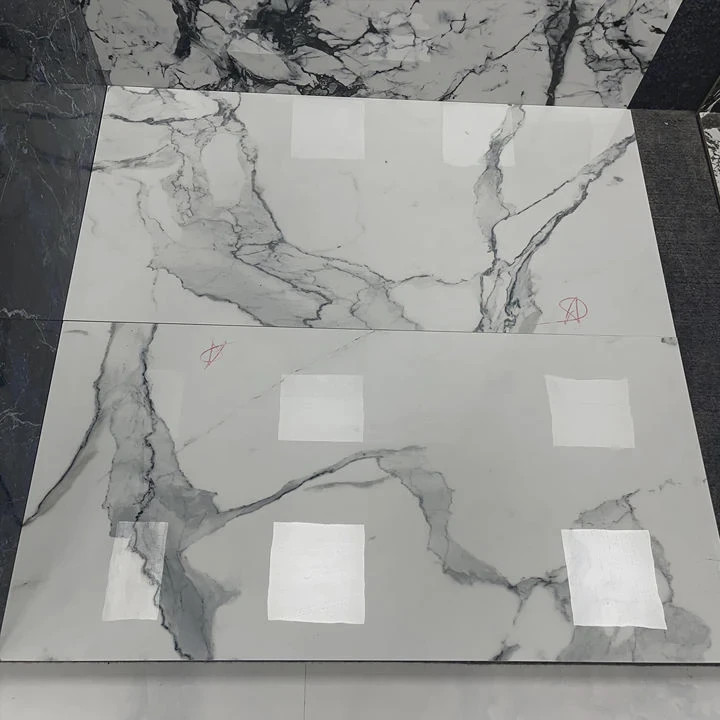
Porcelain tiles look elegant and durable, yet many floors slowly lose their shine due to dirt, soap residue, and improper cleaning methods. Over time, the surface may appear dull even though the tile itself remains strong.
Cleaning porcelain tile properly requires using safe cleaners, following gentle maintenance routines, avoiding harsh chemicals, and occasionally polishing when needed. With correct care, porcelain tiles can maintain their shine and durability for many years.
Porcelain tiles are dense and low in porosity. This makes them resistant to stains and moisture. However, improper cleaners or poor maintenance habits can still damage the finish or leave stubborn residues.
What cleaners are safe for porcelain tiles?
Many people worry about using the wrong cleaner on porcelain tiles. Strong chemicals or abrasive products may damage the tile surface or remove protective finishes.
Safe cleaners for porcelain tiles include mild dish soap, pH-neutral tile cleaners, diluted vinegar solutions for specific cases, and specialized porcelain tile cleaning products. These options remove dirt effectively without harming the tile surface.

Why cleaner choice matters
Porcelain tiles are extremely dense, but the surface glaze can still be affected by harsh chemicals. Some cleaners leave residues that attract more dirt or create a cloudy appearance.
Common problems caused by improper cleaners include:
- Dull tile surfaces
- Sticky residue buildup
- Uneven shine
- Discoloration over time
Choosing the correct cleaning solution helps prevent these issues.
Recommended porcelain tile cleaners
Several safe cleaning options work well for regular maintenance.
| Cleaner Type | Strength | Best Use |
|---|---|---|
| Mild dish soap | Gentle | Daily or weekly cleaning |
| pH-neutral tile cleaner | Balanced | Routine floor maintenance |
| Warm water | Very gentle | Light dirt removal |
| Commercial porcelain cleaner | Moderate | Deep cleaning |
| Diluted vinegar (limited use) | Mild acid | Mineral residue removal |
These cleaners remove dirt while protecting the tile finish.
Simple soap cleaning method
A basic cleaning routine works well for most porcelain floors.
Steps include:
- Sweep or vacuum the floor to remove loose dirt.
- Mix warm water with a few drops of dish soap.
- Mop the floor using a microfiber mop.
- Rinse with clean water.
- Dry with a soft cloth if necessary.
This routine removes most daily dirt without leaving residue.
Importance of pH-neutral cleaners
Professional tile installers often recommend pH-neutral cleaners.
Benefits include:
- Safe for glazed surfaces
- Safe for grout joints
- No chemical damage
- No residue buildup
These cleaners are widely used in residential and commercial spaces.
Cleaning textured porcelain tiles
Textured porcelain surfaces trap dirt more easily.
For these tiles:
- Use a soft brush or microfiber mop
- Clean along the tile texture lines
- Rinse thoroughly to remove trapped dirt
This approach prevents soil from accumulating in the tile surface patterns.
Proper cleaner selection ensures porcelain tiles remain bright, smooth, and visually appealing for years.
Can polishing restore porcelain shine?
Many homeowners notice that porcelain tiles appear dull after years of use. This often leads to questions about polishing or surface restoration.
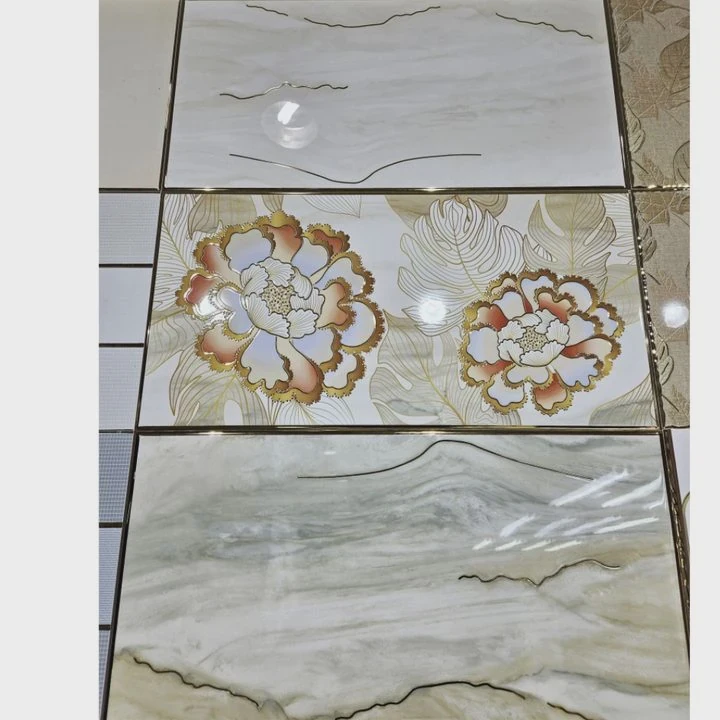
Polishing can restore shine to some porcelain tiles, especially polished porcelain. However, most dullness comes from residue buildup rather than actual surface damage, so deep cleaning is usually the first solution.
Why porcelain tiles lose their shine
Porcelain tile surfaces rarely wear out quickly. Instead, dullness usually comes from surface buildup.
Common causes include:
- Soap film residue
- Hard water deposits
- Cleaning product buildup
- Dirt trapped in micro textures
- Foot traffic oils
Removing these layers often restores the original shine.
Deep cleaning before polishing
Before polishing, deep cleaning should be attempted.
Effective methods include:
- Alkaline tile cleaners
- Steam cleaning
- Microfiber scrubbing
- Residue removal solutions
Deep cleaning often restores the appearance without polishing.
Types of porcelain tile finishes
Not all porcelain tiles can be polished.
| Tile Finish | Polishing Possibility |
|---|---|
| Polished porcelain | Yes |
| Glazed porcelain | No polishing needed |
| Matte porcelain | Limited polishing |
| Textured porcelain | Usually not polished |
Polished porcelain tiles are mechanically polished during manufacturing. These tiles can sometimes regain shine with specialized polishing compounds.
Professional polishing methods
Professional tile restoration companies may use:
- Diamond polishing pads
- Mechanical floor polishers
- Specialized porcelain polishing compounds
These tools gently refine the surface without damaging the tile.
Home polishing solutions
Some homeowners use simple polishing techniques.
Possible options include:
- Microfiber buffing pads
- Porcelain polishing creams
- Low-speed floor polishers
However, excessive polishing may create uneven shine if done incorrectly.
When polishing is unnecessary
In many cases, polishing is not required.
Instead, shine returns after:
- Removing detergent residue
- Rinsing thoroughly after mopping
- Using proper cleaning products
A clean surface reflects light better than one covered with residue.
Understanding the difference between dirt buildup and true wear helps determine whether polishing is necessary.
How often should porcelain tiles be maintained?
Porcelain tile floors require less maintenance than many other flooring materials. Still, regular care keeps them looking new and prevents long-term damage.
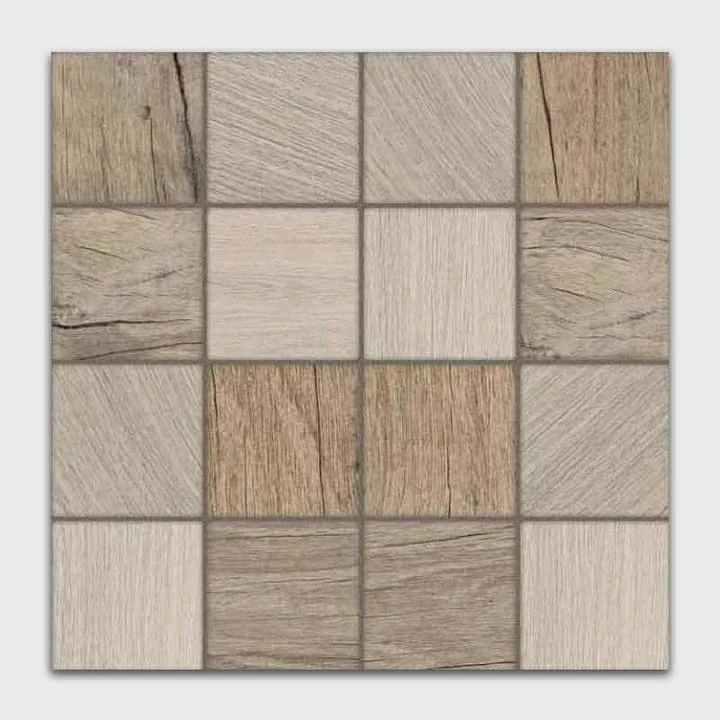
Porcelain tiles should be swept or vacuumed several times per week, mopped weekly, and deep cleaned every few months depending on traffic levels. Consistent maintenance prevents dirt buildup and preserves the tile appearance.
Daily and weekly maintenance
Regular cleaning removes abrasive dirt particles.
Typical routine includes:
- Sweeping or vacuuming
- Light mopping
- Spot cleaning spills
Dirt particles act like sandpaper when walked on repeatedly. Removing them protects the tile finish.
Suggested maintenance schedule
Different environments require different cleaning frequencies.
| Area Type | Sweeping | Mopping | Deep Cleaning |
| Residential living rooms | 2–3 times per week | Weekly |
| Kitchens | Daily | Weekly |
| Bathrooms | Several times weekly | Weekly |
| Commercial spaces | Daily | Several times weekly |
High traffic areas require more frequent maintenance.
Preventive maintenance strategies
Preventive care reduces cleaning workload.
Helpful methods include:
- Placing mats at entrances
- Removing shoes indoors
- Using furniture pads
- Cleaning spills immediately
These steps reduce the amount of dirt reaching the tile surface.
Importance of grout maintenance
While porcelain tiles resist stains, grout lines remain vulnerable.
Grout maintenance includes:
- Occasional scrubbing
- Grout sealing every 1–2 years
- Preventing mold buildup in damp areas
Maintaining grout improves the overall appearance of tile floors.
Seasonal deep cleaning
Many homeowners schedule deep cleaning during seasonal maintenance.
This process may include:
- Steam cleaning
- Grout cleaning
- Residue removal
- Floor polishing if necessary
Seasonal cleaning helps restore the original brightness of the tile floor.
Consistent maintenance ensures porcelain tiles remain durable and attractive even after many years of use.
Are acidic solutions harmful to porcelain?
Acidic cleaners are often used for removing mineral deposits or stubborn stains. However, many people worry about their impact on porcelain tiles.
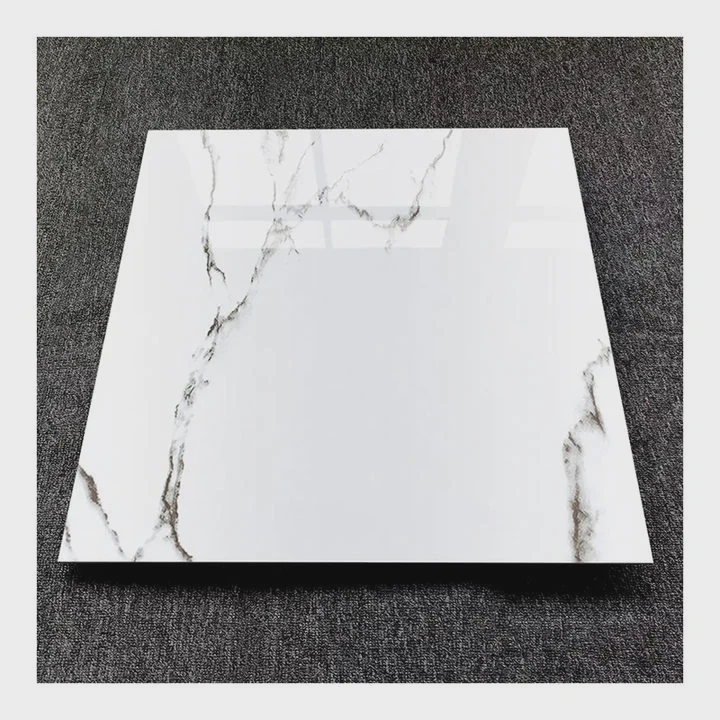
Acidic solutions can damage grout and certain tile finishes if used improperly. While porcelain itself is highly resistant to acids, frequent or strong acidic cleaning can weaken grout joints and dull the tile surface over time.
Why acids can cause problems
Porcelain tiles are made from dense ceramic materials fired at high temperatures. This structure makes them resistant to many chemicals.
However, surrounding materials may be vulnerable.
Acids can affect:
- Cement-based grout
- Natural stone accents
- Sealants
- Tile glaze finishes
Repeated acid exposure can slowly degrade these components.
Common acidic cleaners
Several household cleaners contain acids.
Examples include:
- Vinegar
- Lemon juice
- Bathroom descaling products
- Commercial acid tile cleaners
These products dissolve mineral buildup but must be used carefully.
Situations where acids may be useful
Acidic solutions sometimes help remove:
- Hard water stains
- Calcium deposits
- Soap scum residue
In these situations, diluted acid solutions can be effective.
Safe acid cleaning guidelines
If acidic cleaners are used, several precautions help prevent damage.
Important guidelines:
- Dilute acids with water
- Avoid frequent use
- Rinse tiles thoroughly afterward
- Protect grout by limiting exposure
Short contact times also reduce the risk of damage.
Alternatives to acidic cleaning
Many modern tile cleaners avoid acids completely.
Safer alternatives include:
- Alkaline tile cleaners
- Oxygen-based cleaners
- Steam cleaning systems
- pH-neutral detergents
These products clean effectively without chemical risks.
Long-term tile protection
Long-term porcelain tile care focuses on prevention rather than aggressive cleaning.
Recommended practices include:
- Regular sweeping
- Using proper cleaners
- Protecting grout with sealers
- Avoiding harsh chemicals
These habits preserve both the tile surface and grout structure.
Conclusion
Cleaning porcelain tiles effectively requires safe cleaners, regular maintenance, careful stain removal, and protection from harsh chemicals. With consistent care and proper cleaning techniques, porcelain tile floors can maintain their shine, durability, and beauty for many years.