How to Clean Marble Tile Shower?
- Sinotiles
- 2026-05-21
Marble shower tiles can quickly lose their beauty when soap scum, water stains, and harsh cleaners damage the surface. Many people accidentally ruin marble by using the wrong cleaning products.
Marble tile showers should be cleaned with pH-neutral cleaners, soft cloths, and regular maintenance routines. Acidic chemicals must be avoided because they can permanently damage the marble surface.
Marble remains one of the most popular materials for luxury bathrooms because of its natural texture and elegant appearance. Still, marble is softer and more porous than porcelain or ceramic tile. This means shower maintenance requires more care and attention. The right cleaning process helps preserve the marble’s shine, prevents staining, and extends the life of the installation.
What Cleaners Are Safe for Marble Tile Surfaces?
Many common bathroom cleaners contain strong chemicals that slowly damage marble surfaces. Even one incorrect product can dull the shine or create permanent etching.
Safe marble tile cleaners include pH-neutral stone cleaners, mild soap solutions, warm water, and specially designed marble cleaning products that protect the surface without causing damage.
Choosing the correct cleaner is one of the most important parts of marble shower maintenance. Marble reacts differently from ceramic or porcelain tile because it contains calcium carbonate, which is sensitive to acid and harsh chemicals.
Why Marble Needs Gentle Cleaning Products
Marble surfaces contain microscopic pores. Strong chemicals can enter these pores and weaken the surface over time.
Some unsafe cleaners may cause:
- Surface dullness
- Permanent etching
- Discoloration
- Loss of polish
- Increased water absorption
Recommended Safe Cleaning Products
| Cleaner Type | Safe for Marble | Main Benefit |
|---|---|---|
| pH-neutral stone cleaner | Yes | Gentle daily cleaning |
| Mild dish soap diluted with water | Yes | Removes light dirt |
| Warm water | Yes | Safe regular wiping |
| Stone-safe spray cleaner | Yes | Easy maintenance |
| Abrasive powder cleaner | No | Scratches surface |
Why pH-Neutral Products Matter
Neutral cleaners clean the surface without reacting chemically with the stone.
Professional stone maintenance companies often recommend pH-neutral products because they:
- Preserve shine
- Protect sealers
- Reduce long-term wear
- Prevent surface etching
Safe Tools for Cleaning Marble
Microfiber Cloths
These help remove dirt without scratching.
Soft Sponges
Good for soap scum removal without abrasion.
Soft-Bristle Brushes
Useful for grout lines and corners.
Cleaning Habits That Help Protect Marble
Many marble problems come from aggressive cleaning methods instead of the marble itself.
Safe habits include:
- Wiping surfaces after shower use
- Using clean water frequently
- Avoiding rough scrub pads
- Drying the marble after cleaning
Why Professional Products Often Perform Better
Cheap cleaners sometimes leave residue behind. This residue attracts more dirt and creates cloudy surfaces.
High-quality stone cleaners are designed specifically for natural stone maintenance. They clean gently while helping preserve the marble finish.
The Importance of Reading Product Labels
Some products claim to be safe for stone but still contain mild acids or harsh additives.
Before using any cleaner:
- Check the ingredient list
- Avoid acidic formulas
- Test on a hidden area first
Careful product selection helps marble showers maintain their original beauty for many years.
How Can Soap Scum Be Removed From Marble Tiles?
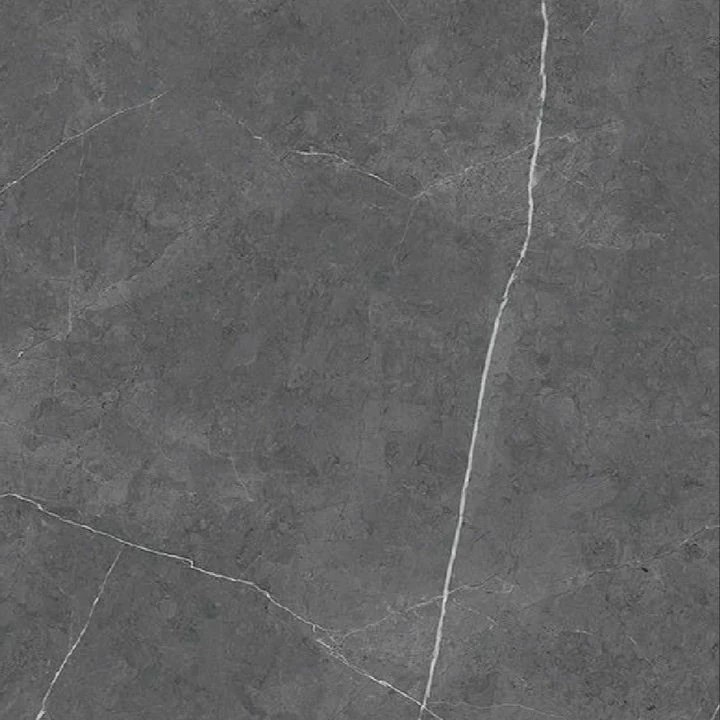
Soap scum slowly builds on marble shower walls and floors. Over time, the surface may look cloudy, dull, and dirty even after normal cleaning.
Soap scum can be removed from marble tiles by using pH-neutral stone cleaners, warm water, soft cloths, and gentle cleaning techniques that avoid scratching or etching the marble surface.
Soap scum forms when soap residue mixes with minerals from water. Bathrooms with hard water often experience faster buildup.
Why Soap Scum Is Harder on Marble
Marble surfaces are naturally porous. Soap residue can cling tightly to the stone, especially if the marble is not sealed properly.
Heavy buildup may cause:
- Dull appearance
- Water spotting
- Reduced shine
- Surface discoloration
Step-by-Step Soap Scum Removal Process
| Step | Action | Purpose |
|---|---|---|
| 1 | Rinse with warm water | Softens buildup |
| 2 | Apply pH-neutral cleaner | Loosens residue |
| 3 | Use soft microfiber cloth | Removes scum safely |
| 4 | Rinse thoroughly | Prevents residue |
| 5 | Dry surface completely | Reduces future buildup |
Why Warm Water Helps
Warm water softens soap deposits without introducing harmful chemicals.
Many professional cleaners begin with warm water because aggressive chemicals are risky for natural marble surfaces.
Gentle Scrubbing Techniques
Use Circular Motions
This helps lift soap residue evenly.
Avoid Hard Pressure
Too much force may scratch polished marble.
Clean Small Sections
Working slowly improves cleaning control.
Common Mistakes During Soap Scum Removal
Using Vinegar
Vinegar contains acid that damages marble.
Using Steel Wool
Metal fibers scratch and dull the surface.
Letting Cleaner Dry on the Surface
Dried residue may leave marks behind.
How Sealing Helps Reduce Soap Scum
Proper sealing creates a protective barrier on marble.
This helps:
- Reduce absorption
- Make cleaning easier
- Slow soap buildup
- Protect against moisture
Most professionals recommend resealing marble shower surfaces regularly depending on usage frequency.
Why Daily Maintenance Reduces Heavy Cleaning
Soap scum becomes harder to remove when it sits for long periods.
Simple daily habits help greatly:
- Rinse walls after shower use
- Wipe surfaces with a microfiber cloth
- Improve bathroom ventilation
Hard Water and Soap Scum
Bathrooms with hard water often develop heavier mineral buildup. In these cases, more frequent maintenance becomes necessary.
Some homeowners install water softeners because they reduce both soap scum and mineral stains on marble surfaces.
Regular gentle cleaning keeps marble showers looking bright and polished while reducing the need for aggressive maintenance later.
Why Avoid Acidic Cleaners on Marble Surfaces?
Many popular bathroom cleaners promise fast stain removal, but acidic products can permanently damage marble after only short exposure.
Acidic cleaners should be avoided on marble because they react chemically with the stone, causing etching, dullness, discoloration, and permanent surface damage.

This is one of the most important rules in marble maintenance. Many expensive marble surfaces become damaged simply because the wrong cleaner was used.
Why Marble Reacts to Acid
Marble mainly contains calcium carbonate. Acid reacts with this mineral and slowly dissolves the polished surface.
Even weak acids may cause damage over time.
Common Acidic Cleaners That Damage Marble
| Product | Acid Content | Damage Risk |
|---|---|---|
| Vinegar | Acetic acid | Very high |
| Lemon cleaner | Citric acid | Very high |
| Bathroom descaler | Chemical acids | Very high |
| Bleach-based cleaner | Harsh chemicals | High |
| pH-neutral cleaner | Neutral | Safe |
What Is Marble Etching?
Etching happens when acid corrodes the polished marble surface.
Signs of etching include:
- Dull spots
- White marks
- Rough texture
- Loss of reflection
Unlike dirt, etching cannot simply be wiped away.
Why Polished Marble Shows Damage Faster
Glossy marble reflects light clearly. Surface damage becomes very visible under bathroom lighting.
Light-colored marble often shows etching more obviously than darker stone.
Long-Term Effects of Acidic Cleaners
Surface Weakening
Repeated acid exposure slowly damages the marble structure.
Increased Staining Risk
Damaged surfaces absorb water and dirt more easily.
Higher Maintenance Costs
Professional polishing may become necessary.
Why Some People Accidentally Damage Marble
Many homeowners assume marble behaves like ceramic tile. Ceramic surfaces tolerate stronger chemicals much better.
Marble requires a completely different cleaning approach because it is a natural stone.
Safe Alternatives to Acidic Cleaning
Stone-Safe Cleaners
These remove dirt without chemical reactions.
Mild Soap Solutions
Useful for light daily cleaning.
Steam Cleaning with Care
Low-moisture steam may help loosen buildup if used carefully.
Importance of Educating Cleaning Staff
In hotels and commercial buildings, maintenance teams sometimes damage marble accidentally by using standard bathroom cleaners.
Many luxury property managers now provide special marble cleaning instructions to avoid expensive repair costs.
Avoiding acidic products is one of the simplest ways to preserve marble beauty and reduce long-term maintenance problems.
Which Routine Keeps Marble Shower Tiles Spotless?

Even high-quality marble showers lose their shine when cleaning routines become inconsistent. Dirt, moisture, and soap residue slowly build up every day.
A consistent marble shower cleaning routine should include daily drying, weekly gentle cleaning, regular sealing, and immediate stain removal to keep the surface spotless and protected.
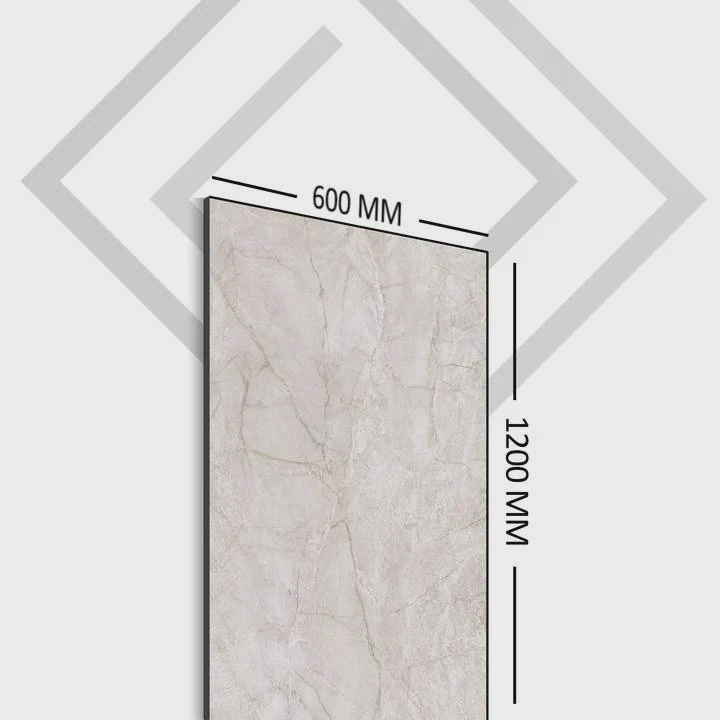
Routine care matters more than aggressive deep cleaning. Small daily habits often prevent larger maintenance problems later.
Daily Marble Shower Care Routine
Daily maintenance only takes a few minutes but creates major long-term benefits.
Rinse the Walls
Warm water helps remove soap residue before buildup hardens.
Use a Squeegee
Removing water droplets reduces mineral spots.
Dry with a Soft Cloth
Dry surfaces stay cleaner and brighter.
Weekly Cleaning Schedule
| Task | Frequency | Purpose |
|---|---|---|
| Gentle surface cleaning | Weekly | Removes soap residue |
| Grout inspection | Weekly | Prevents mold buildup |
| Deep corner cleaning | Weekly | Removes trapped dirt |
| Drainage check | Weekly | Reduces standing water |
Why Ventilation Is Important
Bathrooms with poor airflow stay damp longer.
Good ventilation helps:
- Reduce mold growth
- Lower moisture exposure
- Slow soap scum formation
- Improve drying speed
Many luxury bathrooms now include stronger ventilation systems because moisture control protects natural stone surfaces.
Monthly Marble Maintenance
Check Sealer Performance
Water should bead on sealed marble.
Inspect for Etching
Early repair prevents larger visible damage.
Clean Grout Lines
Dirty grout affects overall appearance.
Why Sealing Should Be Repeated
Marble sealers wear down over time, especially in wet shower areas.
Most marble showers require resealing every 6 to 12 months depending on:
- Water exposure
- Cleaning frequency
- Product quality
- Usage level
Habits That Help Keep Marble Spotless
Avoid Leaving Bottles on Marble Shelves
Soap containers may trap moisture and create stains.
Use Stone-Safe Bath Products
Some shampoos and soaps leave stronger residue.
Address Stains Quickly
Fresh stains are easier to remove.
Common Causes of Poor Marble Appearance
| Problem | Main Cause | Prevention |
|---|---|---|
| Dull surface | Acid damage | Use neutral cleaners |
| Water spots | Hard water | Dry surfaces daily |
| Soap buildup | Infrequent cleaning | Weekly maintenance |
| Mold growth | Poor ventilation | Improve airflow |
Why Consistency Produces Better Results
Large deep-cleaning sessions often become necessary only when daily maintenance is ignored.
Professional marble maintenance teams focus on small regular cleaning habits because they:
- Reduce long-term damage
- Maintain shine
- Lower repair costs
- Extend marble lifespan
Consistent care helps marble shower tiles remain elegant, clean, and visually impressive for many years.
Conclusion
Marble shower tiles require gentle cleaning methods, pH-neutral products, and regular maintenance to stay beautiful. Avoiding acidic cleaners, removing soap scum carefully, and following a consistent cleaning routine help protect the marble surface and reduce long-term damage. Proper care keeps marble showers clean, polished, and luxurious for years.