How to Tile Shower Wall?
- Sinotiles
- 2026-05-21
Many shower walls look beautiful at first but begin cracking, leaking, or loosening after only a few years. Most failures start behind the tile where poor preparation and weak waterproofing cause hidden damage.
Tiling a shower wall requires careful surface preparation, proper waterproofing, accurate tile alignment, and strong installation methods. When every step is completed correctly, shower wall tiles stay durable, clean, and stable for many years.
Shower wall tiling is not only about appearance. The wall system must resist water, steam, temperature changes, and daily cleaning. Many installers focus too much on the tile design while ignoring the layers underneath. In reality, the hidden preparation work often determines the long-term quality of the project.
What Preparation Is Needed for Shower Wall Tiling?
Many tile problems begin before the first tile is installed. Uneven walls, weak backing materials, and poor surface cleaning often lead to loose tiles and cracked grout later.
Proper shower wall preparation includes cleaning the surface, installing cement board, checking wall alignment, reinforcing corners, and ensuring the substrate is stable before waterproofing and tile installation begin.
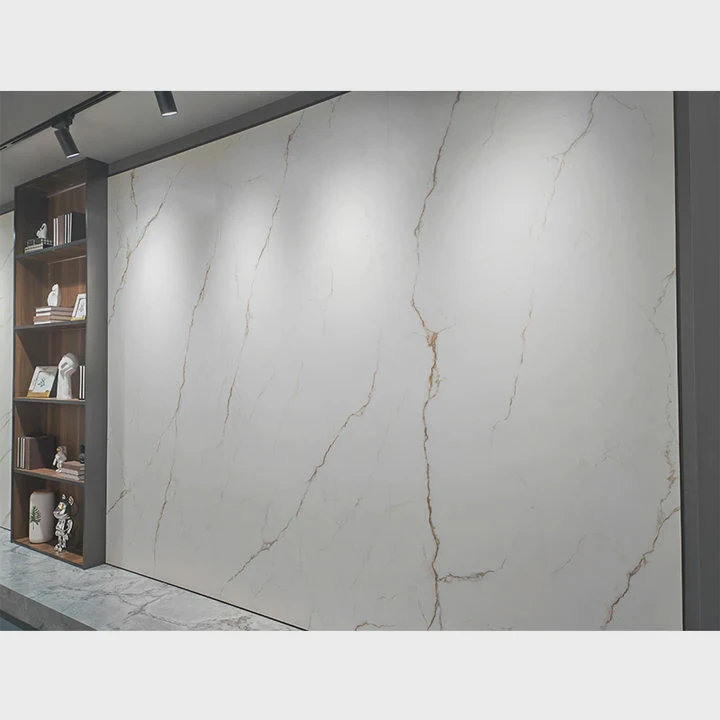
Preparation creates the foundation for the entire tile system. Even expensive tiles cannot hide structural mistakes underneath.
Start With a Stable Wall Structure
The wall framing must remain solid before installing any backer board. Loose framing may shift over time and crack the tile surface.
Professional installers usually inspect:
- Stud spacing
- Wall straightness
- Moisture damage
- Structural movement
Any weakness should be repaired before moving forward.
Cement Board Works Better Than Drywall
Regular drywall absorbs moisture easily and weakens in wet environments. Cement board is far more durable for shower installations.
Most shower walls use:
- Cement backer board
- Fiber cement panels
- Waterproof foam boards
These materials resist moisture and support tile weight effectively.
| Backing Material | Water Resistance | Common Use |
|---|---|---|
| Drywall | Low | Dry interior walls |
| Cement board | High | Shower walls |
| Foam board | Very high | Premium waterproof systems |
Many contractors now prefer foam boards because they simplify waterproofing and reduce installation weight.
Wall Flatness Affects Tile Appearance
Large-format tiles require very flat walls. Uneven surfaces create lippage where tile edges sit at different heights.
Wall leveling helps:
- Improve tile alignment
- Reduce adhesive problems
- Create cleaner grout lines
- Improve final appearance
Installers often use long straightedges to check flatness before tiling starts.
Surface Cleaning Is Often Ignored
Dust, oil, or debris weakens adhesive bonding. A dirty wall surface may cause tiles to loosen later.
Professional preparation usually includes:
- Vacuum cleaning
- Dust removal
- Surface wiping
- Drying the substrate
Small preparation steps often improve long-term durability significantly.
Corner Reinforcement Adds Strength
Corners are high-stress areas in shower systems. Movement and moisture often affect these sections first.
Many installers reinforce corners using:
- Waterproof tape
- Mesh reinforcement
- Flexible sealants
This reduces crack risk over time.
Layout Planning Prevents Future Problems
Experienced installers plan the tile layout before mixing adhesive.
Planning helps:
- Avoid small tile cuts
- Align grout lines properly
- Center decorative features
- Improve visual balance
Good planning creates a cleaner and more professional result.
Preparation Saves Time Later
Many installation problems come from rushing the early stages.
Poor preparation often causes:
- Uneven tile lines
- Hollow spots
- Weak adhesion
- Water penetration
Fixing these issues after installation usually costs far more than proper preparation from the beginning.
How Can Waterproofing Protect Shower Walls?
Water enters shower walls every day through grout joints and small openings. Without waterproofing, moisture slowly damages the structure behind the tile.
Waterproofing protects shower walls by creating a moisture barrier behind the tile surface. It prevents leaks, mold growth, structural damage, and long-term deterioration caused by constant water exposure.
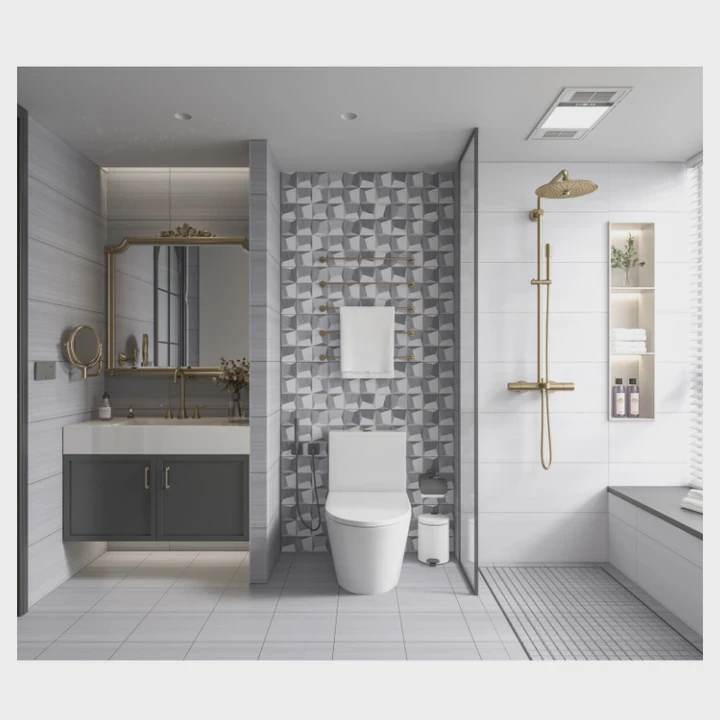
Many people believe tile and grout are naturally waterproof. In reality, water can pass through grout over time.
Waterproofing Is the Real Protection Layer
The visible tile layer mainly provides design and wear resistance. The waterproof membrane underneath protects the building structure.
A complete shower wall system usually includes:
- Waterproof membrane
- Sealed corners
- Protected fastener holes
- Waterproof seams
Without these layers, moisture eventually reaches the framing behind the wall.
Common Waterproofing Systems
Modern shower installations use several waterproofing methods.
| Waterproofing Type | Main Benefit |
|---|---|
| Liquid membrane | Flexible and easy around corners |
| Sheet membrane | Consistent waterproof thickness |
| Foam waterproof boards | Fast installation and insulation |
Many commercial projects combine systems for added security.
Corners and Penetrations Are Critical
Most leaks occur in weak connection points rather than flat wall areas.
High-risk sections include:
- Pipe openings
- Valve penetrations
- Wall corners
- Niches
- Bench joints
Professional installers spend extra time sealing these areas carefully.
Moisture Damage Often Stays Hidden
Water damage inside shower walls develops slowly. Many homeowners only discover the problem after mold or stains appear.
Common hidden damage includes:
- Rotten wood framing
- Mold growth
- Loose tile sections
- Bad odors
- Wall swelling
By the time symptoms appear, repairs are often expensive.
Waterproofing Extends Tile Lifespan
A dry substrate keeps adhesive stronger over time. Moisture exposure weakens bonding and increases movement inside the tile system.
Good waterproofing helps:
- Prevent tile loosening
- Reduce grout cracking
- Improve wall stability
- Lower maintenance costs
This matters especially in hotels and apartment projects with daily heavy use.
Waterproofing Helps Maintain Hygiene
Bathrooms with moisture problems often develop mold and bacteria more easily.
A properly waterproofed shower:
- Dries faster
- Reduces mold growth
- Improves indoor air quality
- Simplifies cleaning
This improves both comfort and long-term maintenance.
Professional Waterproofing Protects Business Reputation
Contractors and developers face serious complaints when showers leak.
Reliable waterproof systems reduce:
- Warranty claims
- Repair costs
- Project delays
- Customer dissatisfaction
Long-term project quality often depends more on waterproofing than on the tile itself.
Why Use Spacers for Even Tile Placement?
Uneven tile spacing quickly makes a shower wall look unprofessional. Crooked grout lines become very visible once the wall is complete.
Tile spacers help maintain consistent grout lines and even tile placement. They improve alignment, support visual balance, and reduce installation errors during shower wall construction.
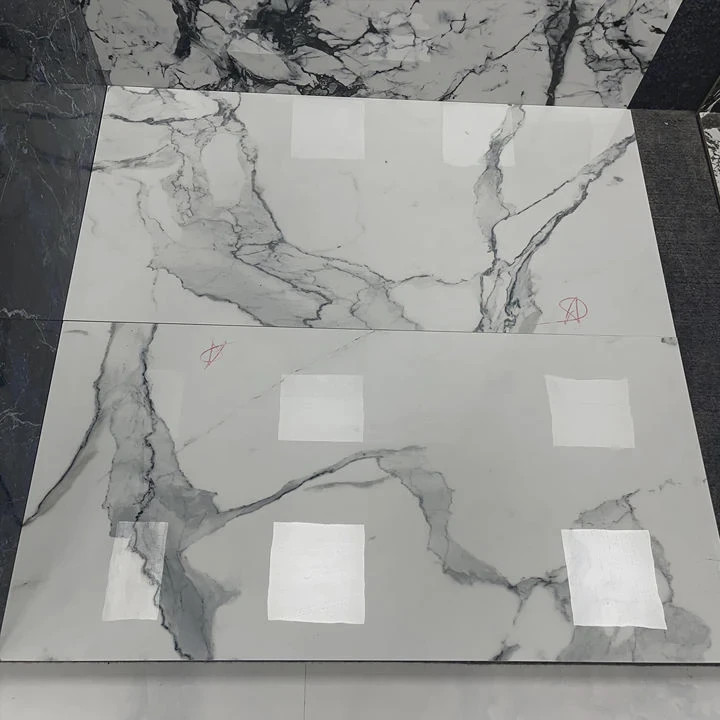
Many experienced installers still use spacers even after years of practice because small alignment mistakes become obvious on large wall surfaces.
Consistent Grout Lines Improve Appearance
Straight grout lines create a clean and organized look. Uneven gaps make the installation appear rushed or poorly finished.
Spacers help maintain:
- Equal tile spacing
- Straight grout joints
- Better visual symmetry
- Professional finishing quality
This is especially important with glossy or large-format tiles where imperfections are easier to notice.
Spacers Reduce Tile Movement During Installation
Fresh adhesive remains soft for some time after tile placement. Tiles may slide slightly without support.
Spacers stabilize the layout while the adhesive cures.
Common spacer materials include:
- Plastic cross spacers
- Wedge spacers
- Leveling clip systems
Many large-format tile projects now use leveling systems to reduce lippage.
Tile Size Influences Spacer Choice
Different tile styles require different grout joint widths.
| Tile Type | Common Spacer Size |
|---|---|
| Mosaic tile | 1-2 mm |
| Standard wall tile | 2-3 mm |
| Large-format tile | 3-5 mm |
The correct spacing depends on tile size, edge quality, and design preference.
Spacers Improve Long-Term Durability
Proper grout joints allow slight movement caused by:
- Temperature changes
- Moisture expansion
- Building settlement
Without enough spacing, tile edges may press against each other and crack.
Layout Accuracy Matters More on Shower Walls
Wall tiles sit at eye level, so alignment problems become very noticeable.
Professional installers often:
- Mark level reference lines
- Start from the center
- Check spacing continuously
- Adjust cuts carefully
This creates balanced tile layouts around fixtures and corners.
Large Tiles Need Better Alignment Control
Modern bathrooms often use large porcelain wall tiles. These tiles create fewer grout lines but require higher installation precision.
Even small alignment mistakes become highly visible on large surfaces.
Leveling systems help:
- Maintain flatness
- Reduce tile edge differences
- Improve wall appearance
- Simplify installation
Good Spacing Helps Grouting
Consistent joints make grout application easier and more uniform.
Even grout lines:
- Improve water resistance
- Simplify cleaning
- Enhance appearance
- Reduce weak spots
Professional spacing improves both visual quality and technical performance.
Which Steps Ensure Long-Lasting Wall Tiles?
Many shower walls fail because installers skip small but important steps. Long-lasting tile systems depend on both material quality and installation precision.
Long-lasting shower wall tiles require stable backing, reliable waterproofing, proper adhesive coverage, accurate spacing, quality grout application, expansion joint protection, and careful final inspection.
Durability comes from the entire system working together. One weak layer can shorten the life of the whole installation.
Step 1: Build a Stable Foundation
The substrate must remain rigid and moisture-resistant.
Installers usually:
- Reinforce framing
- Secure backer boards firmly
- Eliminate wall movement
- Check alignment carefully
A stable base prevents future cracking.
Step 2: Waterproof Every Critical Area
Waterproofing should cover:
- Full shower walls
- Niches
- Pipe penetrations
- Corners
- Benches
Incomplete waterproofing often leads to hidden leaks.
Step 3: Use Proper Tile Adhesive
Not all adhesives perform well in wet environments.
Professional shower installations often use:
- Polymer-modified thin-set
- Flexible tile adhesive
- Moisture-resistant mortar systems
These products handle temperature and moisture changes better.
Step 4: Achieve Full Adhesive Coverage
Poor adhesive coverage leaves hollow areas behind tiles.
These weak spots may cause:
- Tile cracking
- Water penetration
- Loose sections
- Reduced durability
Back buttering large tiles often improves bonding strength.
Step 5: Protect Expansion Areas
Buildings naturally expand and contract slightly over time.
Flexible sealants are used at:
- Wall corners
- Floor transitions
- Ceiling joints
- Material changes
This reduces stress on grout and tile edges.
Step 6: Apply Grout Carefully
Grout quality affects both appearance and moisture resistance.
| Grout Type | Main Advantage |
|---|---|
| Cement grout | Cost-effective |
| Epoxy grout | Strong stain resistance |
| Polymer grout | Improved flexibility |
Many commercial showers prefer epoxy grout because it handles moisture better.
Step 7: Clean Tiles Properly After Installation
Excess grout haze should be removed carefully without scratching the tile surface.
Professional cleaning often includes:
- Soft sponges
- Microfiber cloths
- Mild haze removers
- Controlled water use
Good cleaning improves final appearance significantly.
Step 8: Final Inspection and Maintenance Advice
Experienced installers inspect:
- Tile alignment
- Grout consistency
- Drainage flow
- Waterproof seals
Many also provide maintenance guidance to help clients protect the installation long term.
Skilled Installation Protects Long-Term Value
Even premium porcelain tiles fail when installation quality is poor.
Strong workmanship improves:
- Tile lifespan
- Moisture protection
- Customer satisfaction
- Overall project value
That is why many successful contractors focus heavily on training and installation standards instead of only material selection.
Conclusion
Tiling a shower wall successfully requires careful preparation, strong waterproofing, accurate spacing, and proper installation techniques. When each layer is completed correctly, shower walls remain durable, attractive, and moisture-resistant for many years.