How to Clean Marble Tile?
- Sinotiles
- 2026-06-29
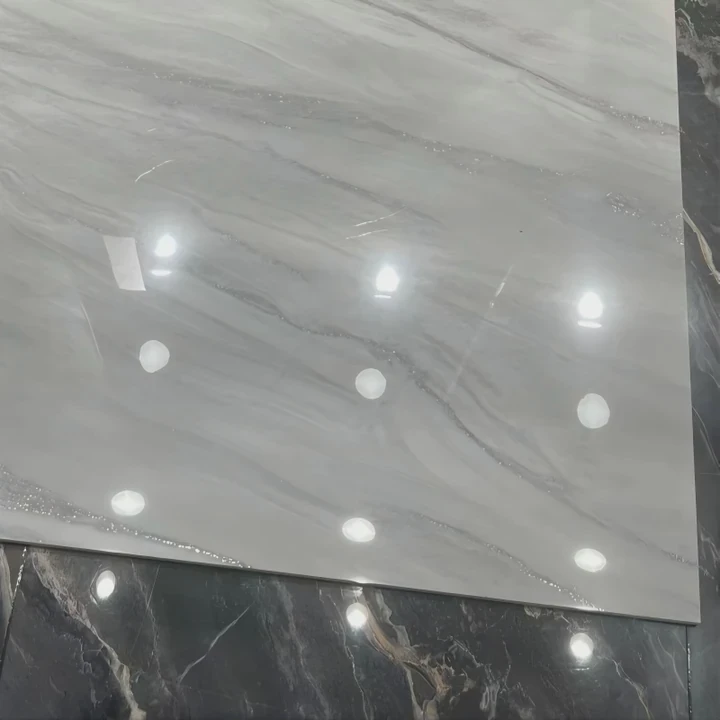
Marble tiles add beauty and value to any space, but many homeowners accidentally damage them by using the wrong cleaning products.
The best way to clean marble tile is to use a pH-neutral cleaner, warm water, and a soft mop or cloth. Avoid acidic products like vinegar and lemon juice because they can etch and dull the marble surface.
Marble is different from ceramic or porcelain tile. It is a natural stone that needs special care. Understanding the right cleaning methods helps preserve its shine, color, and lifespan for many years.
Which Cleaners Are Safe for Marble Tiles?
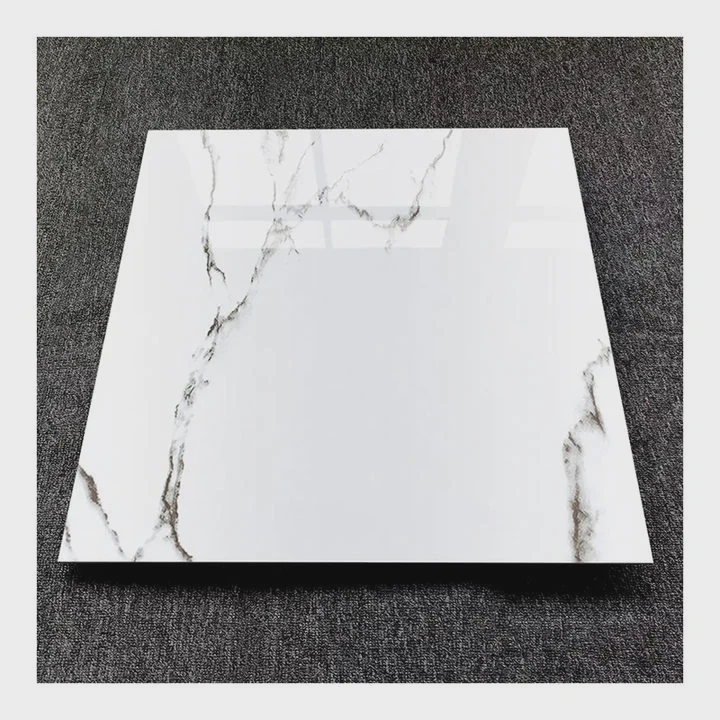
Many people assume that any household cleaner can be used on marble. This mistake often leads to permanent surface damage that cannot be removed with normal cleaning.
The safest cleaners for marble tiles are pH-neutral stone cleaners, mild dish soap diluted in water, and products specifically designed for natural stone surfaces.
Marble contains calcium carbonate, which reacts easily with acidic and harsh chemicals. Because of this, selecting the correct cleaning product is one of the most important parts of marble maintenance.
Recommended Cleaners for Marble
Professional stone care experts typically recommend products that are specifically formulated for natural stone.
Safe options include:
- pH-neutral stone cleaners
- Mild dish soap mixed with warm water
- Stone-safe floor cleaners
- Specialized marble cleaning solutions
These products remove dirt and dust without damaging the stone’s surface.
Why pH-Neutral Matters
The pH scale measures how acidic or alkaline a substance is.
Marble performs best when cleaned with products close to a neutral pH level.
Strong acidic or alkaline cleaners can break down the polished surface over time.
Even if damage is not visible immediately, repeated exposure may gradually reduce the marble’s shine.
Cleaning Tools Matter Too
The cleaner is only part of the equation.
Using harsh cleaning tools can scratch marble surfaces.
The safest tools include:
- Soft microfiber cloths
- Microfiber mops
- Soft sponges
- Non-abrasive towels
Avoid:
- Steel wool
- Scrub brushes with stiff bristles
- Abrasive scouring pads
- Rough cleaning sponges
Daily Cleaning Process
For regular maintenance, the process is simple.
First, sweep or vacuum loose dirt.
Next, mix a marble-safe cleaner with warm water according to the manufacturer’s instructions.
Then gently mop the surface.
Finally, dry the floor with a clean microfiber cloth to prevent water spots.
Safe and Unsafe Marble Cleaners
| Safe Cleaners | Unsafe Cleaners |
|---|---|
| pH-neutral stone cleaner | Vinegar |
| Mild dish soap | Lemon juice |
| Marble cleaner | Bleach |
| Warm water | Ammonia |
| Stone-safe floor cleaner | Bathroom descalers |
A Common Mistake
Several years ago, a homeowner shared a story about using a homemade vinegar solution to clean a marble bathroom floor. The floor looked clean at first. Within a few weeks, dull spots began appearing across the surface. Those spots were actually etch marks caused by acid reacting with the stone.
The repair required professional polishing.
That experience highlights why using marble-safe cleaners is always worth the extra effort.
Can Acidic Products Damage Marble Surfaces?
Many online cleaning tips suggest vinegar, lemon juice, or acidic solutions for removing stains. While those methods work on some surfaces, they can be harmful to marble.
Yes, acidic products can permanently damage marble surfaces by causing etching, dull spots, discoloration, and loss of polish. Even brief exposure can leave visible marks.
Marble is a natural stone formed largely from limestone.
Because limestone contains calcium carbonate, it reacts chemically when it comes into contact with acids.
What Is Etching?
Etching occurs when acid dissolves tiny amounts of the marble surface.
Unlike dirt or stains, etching is physical damage.
The stone itself becomes altered.
As a result, the surface loses its smooth reflective finish.
The affected area often appears:
- Dull
- Chalky
- Lighter in color
- Less reflective
Common Household Acids
Many everyday products contain acids that can harm marble.
Examples include:
| Product | Risk Level |
|---|---|
| Vinegar | Very High |
| Lemon juice | Very High |
| Orange juice | High |
| Wine | High |
| Coffee | Moderate |
| Soft drinks | High |
| Bathroom cleaners | High |
Even natural cleaning solutions may cause damage if they contain acidic ingredients.
What Happens After a Spill?
The amount of damage depends on how quickly the spill is removed.
If acidic liquids remain on marble for extended periods, the risk increases significantly.
The safest approach is immediate cleanup.
How to Handle Acidic Spills
When an acidic spill occurs:
Step 1: Blot Immediately
Use a soft cloth or paper towel.
Do not wipe aggressively.
Blotting prevents the liquid from spreading.
Step 2: Rinse With Water
Use clean water to dilute any remaining residue.
Step 3: Dry the Surface
Use a microfiber cloth to remove moisture.
Step 4: Inspect the Area
If dull marks appear, professional polishing may be necessary.
Prevention Is Easier Than Repair
Once etching occurs, cleaning products cannot reverse it.
The damaged surface often requires:
- Polishing
- Honing
- Professional restoration
These services can be costly.
Simple prevention practices save both time and money.
Using coasters, trays, and marble-safe cleaners dramatically reduces the risk of permanent damage.
How Often Should Marble Be Cleaned?
One of the most common questions homeowners ask is how frequently marble needs attention. Cleaning too little allows dirt to build up, while overly aggressive cleaning can create unnecessary wear.
Marble tiles should be dusted or swept daily, cleaned weekly with a pH-neutral cleaner, and inspected regularly for stains, scratches, or sealant wear.
The ideal schedule depends on how much traffic the area receives.
A busy commercial lobby requires more maintenance than a rarely used guest bathroom.
Daily Maintenance
Dust and grit may seem harmless, but they can act like sandpaper.
As people walk across the floor, tiny particles rub against the marble surface.
Over time, this can reduce shine and create fine scratches.
Daily tasks include:
- Sweeping
- Dust mopping
- Removing loose debris
Microfiber dust mops work especially well because they trap particles without scratching the stone.
Weekly Cleaning
Most residential marble floors benefit from weekly wet cleaning.
The process includes:
- Sweeping or vacuuming
- Using a marble-safe cleaner
- Mopping gently
- Drying thoroughly
Drying is important because standing water can leave mineral deposits and water spots.
Monthly Inspection
A monthly inspection helps identify small problems before they become expensive repairs.
Look for:
- Dull spots
- Stains
- Surface scratches
- Cracks
- Sealant wear
Early detection often makes restoration easier.
High-Traffic vs Low-Traffic Areas
Different spaces require different maintenance schedules.
| Area | Recommended Cleaning Frequency |
|---|---|
| Kitchen floor | Daily sweep, weekly wash |
| Bathroom floor | Daily wipe, weekly wash |
| Entryway | Daily sweep, weekly wash |
| Living room | Weekly sweep, biweekly wash |
| Guest bathroom | Weekly sweep, monthly wash |
Seasonal Deep Cleaning
Many property owners schedule a more thorough cleaning several times each year.
Deep cleaning may include:
- Grout cleaning
- Stain removal
- Professional polishing
- Sealant inspection
These procedures help maintain the original appearance of the marble.
Consistency Produces Better Results
Marble maintenance works best when it becomes part of a routine.
Small amounts of regular care are far more effective than occasional intensive cleaning.
A floor cleaned consistently over many years often looks significantly better than one that receives infrequent attention.
Why Seal Marble Tiles Regularly?
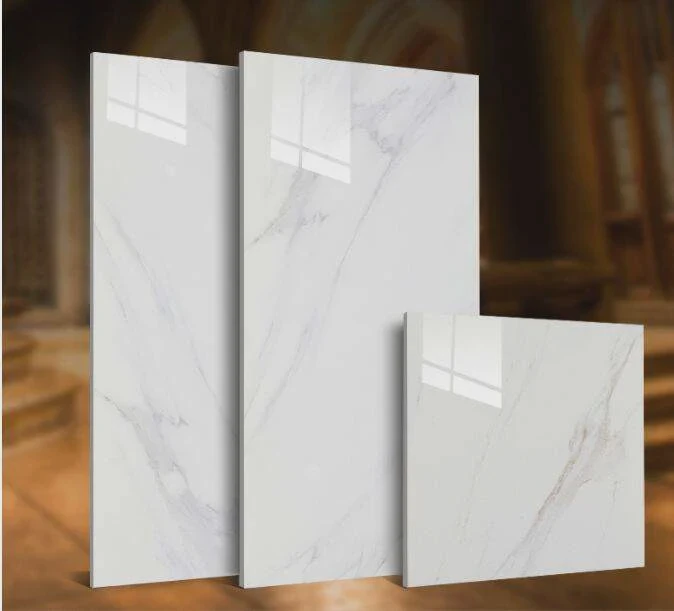
Many people believe marble is naturally waterproof because it is stone. In reality, marble is porous and can absorb liquids if it is not properly sealed.
Regular sealing helps protect marble from stains, moisture penetration, discoloration, and everyday wear by creating a protective barrier within the stone’s pores.
Although sealers do not make marble completely stain-proof, they significantly improve resistance to liquids and contaminants.
Understanding Marble Porosity
Natural marble contains microscopic pores.
These pores can absorb:
- Water
- Oil
- Coffee
- Wine
- Juice
- Household liquids
Without protection, absorbed liquids may create deep stains that are difficult or impossible to remove.
What Does a Sealer Do?
A penetrating sealer enters the stone and fills many of these pores.
This reduces the speed at which liquids can enter the marble.
The result is more time to clean spills before permanent staining occurs.
Benefits of Regular Sealing
Better Stain Resistance
Liquids remain on the surface longer, making cleanup easier.
Easier Cleaning
Dirt and contaminants are less likely to penetrate deeply into the stone.
Longer Lifespan
Protected marble generally experiences less long-term deterioration.
Improved Appearance
Properly sealed marble often maintains its color and finish more effectively.
How Often Should Marble Be Sealed?
The frequency depends on:
- Marble type
- Usage level
- Location
- Sealer quality
Typical recommendations include:
| Area | Typical Resealing Interval |
|---|---|
| Kitchen countertops | 6–12 months |
| Bathroom floors | 12–24 months |
| Residential flooring | 12–24 months |
| Commercial flooring | 6–12 months |
Simple Water Test
A basic water test can indicate whether resealing may be necessary.
Place a few drops of water on the marble surface.
Wait about 10 to 15 minutes.
If the water remains on the surface, the sealer is likely functioning properly.
If the stone darkens or absorbs the water quickly, resealing may be needed.
Sealing Is Preventive Maintenance
Many homeowners only think about sealing after a stain appears.
At that point, the damage may already exist.
Regular sealing works like insurance for natural stone.
It does not eliminate all risks, but it greatly reduces the chance of costly restoration later.
For both residential and commercial projects, a consistent sealing schedule helps preserve the beauty and durability that make marble one of the most desirable tile materials in the world.
Conclusion
Marble tiles require gentle care to maintain their natural beauty. Using pH-neutral cleaners, avoiding acidic products, following a regular cleaning schedule, and sealing the stone periodically can protect marble from stains, etching, and premature wear. With proper maintenance, marble tiles can remain elegant and durable for decades.
- Pre: How to Install Mosaic Tile?
- Next: Sorry!